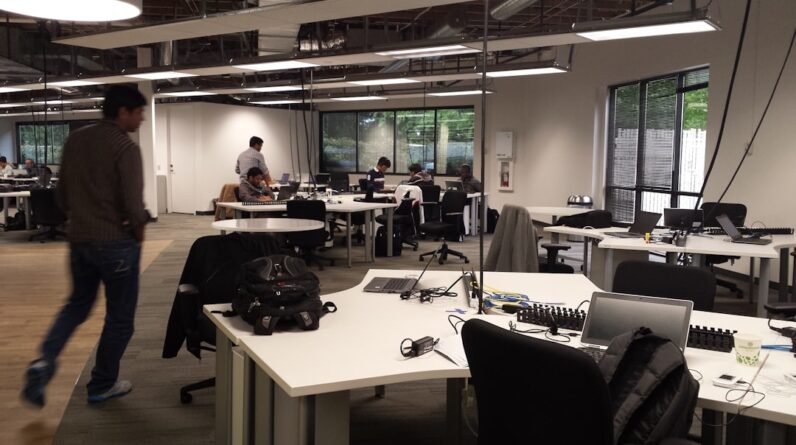
In today’s fast-paced world, the design of your workspace plays a crucial role in shaping not only productivity but also employee satisfaction and well-being. As you step into a contemporary workspace, you may notice that it is no longer just a collection of desks and chairs; it has evolved into a dynamic environment that fosters creativity, collaboration, and comfort. The modern workspace is a reflection of the changing nature of work itself, where flexibility and adaptability are paramount.
You might find that these spaces are designed with a keen understanding of how the physical environment can influence behavior, motivation, and overall performance. The shift towards contemporary workspace design is driven by various factors, including technological advancements, the rise of remote work, and an increased focus on employee health. As you navigate through this new landscape, you will discover that the emphasis is on creating environments that not only accommodate work tasks but also enhance the overall experience of employees.
This article will explore key elements of contemporary workspace design, highlighting how they contribute to a more engaging and productive work atmosphere.
Key Takeaways
- Contemporary workspace design focuses on creating a dynamic and functional environment that enhances productivity and employee satisfaction.
- Biophilic design, incorporating natural elements and greenery, can significantly improve employee well-being and overall mental health in the workplace.
- Flexible and agile workspaces allow for greater adaptability and collaboration, catering to the diverse needs of modern employees.
- Prioritizing comfort and ergonomics in furniture and equipment is essential for preventing workplace injuries and promoting overall well-being.
- Creating collaborative and social spaces within the workplace encourages teamwork, creativity, and a sense of community among employees.
Incorporating Biophilic Design for Employee Well-being
The Benefits of Biophilic Design
These components are more than just decorative; they serve to create a calming atmosphere that can reduce stress and enhance focus. By incorporating biophilic design into your workspace, you may find that it leads to increased creativity and productivity. Studies have shown that exposure to nature can improve cognitive function and emotional health.
Creating a Balanced Work Environment</h3By integrating natural materials and greenery into your work environment, you're not only beautifying the space but also fostering a sense of tranquility and connection to the outside world. This approach encourages you to take breaks and engage with your surroundings, ultimately leading to a more balanced work experience.
A New Approach to Workspace Design
Biophilic design is more than just a trend; it’s a new approach to workspace design that prioritizes the well-being of its occupants. By recognizing the importance of nature in our lives, biophilic design is revolutionizing the way we work and interact with our surroundings.
Utilizing Flexible and Agile Workspaces
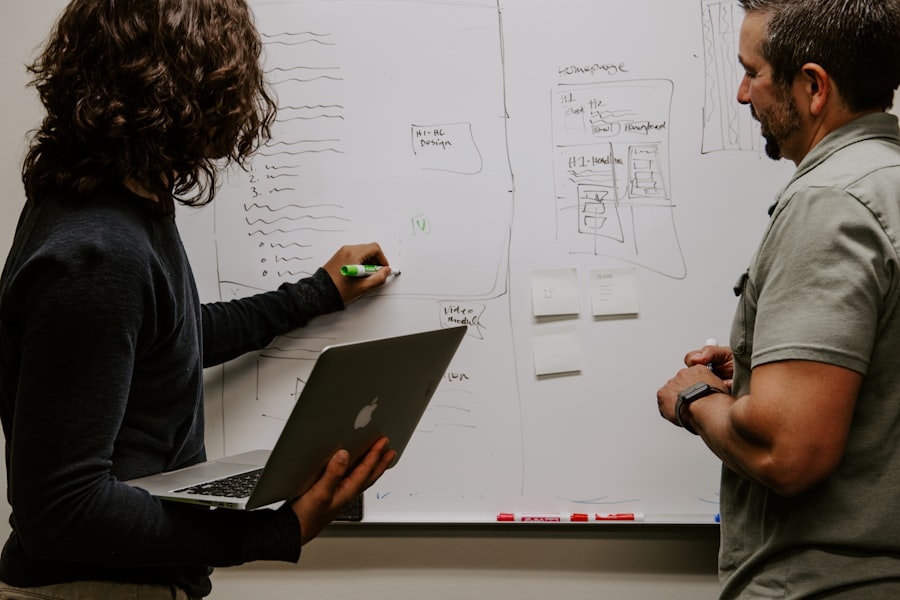
Flexibility is another cornerstone of contemporary workspace design. As you adapt to the ever-changing demands of your job, having a workspace that can easily transform to meet your needs is essential. Flexible workspaces allow for various configurations, enabling you to choose between collaborative areas, quiet zones, or even standing desks based on your current tasks.
This adaptability can significantly enhance your productivity and comfort throughout the day. Agile workspaces also promote a culture of collaboration and innovation. You may find that these environments encourage spontaneous interactions among colleagues, leading to the exchange of ideas and fostering teamwork.
By breaking down traditional barriers associated with fixed office layouts, flexible workspaces empower you to engage with your peers in new ways. This fluidity not only enhances communication but also creates a sense of community within the workplace, making it a more enjoyable place to be.
Prioritizing Comfort and Ergonomics in Furniture and Equipment
As you spend long hours at your desk, the importance of comfort and ergonomics cannot be overstated. Contemporary workspace design places a strong emphasis on selecting furniture and equipment that support your physical well-being. Ergonomically designed chairs, adjustable desks, and supportive accessories are essential components that can help prevent discomfort and injury over time.
When you sit in a chair that supports your posture or use a desk that allows you to alternate between sitting and standing, you are more likely to feel energized and focused. Moreover, investing in high-quality furniture can lead to long-term benefits for both you and your employer. Comfortable workstations can reduce absenteeism due to health issues and increase overall job satisfaction.
As you experience the positive effects of ergonomic design firsthand, you may find yourself more engaged in your work and less distracted by physical discomfort. This focus on comfort not only enhances your individual experience but also contributes to a healthier workplace culture overall.
Creating Collaborative and Social Spaces
In contemporary workspace design, the creation of collaborative and social spaces is vital for fostering teamwork and innovation. You may have noticed that many modern offices feature open areas designed specifically for group activities or brainstorming sessions. These spaces encourage interaction among colleagues, allowing for the free flow of ideas and collaboration on projects.
When you have access to environments that promote teamwork, you are more likely to feel connected to your coworkers and invested in shared goals. Social spaces also play an essential role in enhancing workplace culture. Break rooms, lounges, or even outdoor areas provide opportunities for informal interactions that can strengthen relationships among team members.
As you take breaks in these communal areas, you may find that casual conversations lead to new insights or solutions to challenges you face at work. By prioritizing social spaces within the workplace, organizations create an environment where employees feel valued and engaged, ultimately leading to higher morale and productivity.
Implementing Technology for Efficiency and Connectivity
Enhancing Collaboration and Connectivity
High-speed internet access, video conferencing tools, and integrated software solutions are just a few examples of how technology enhances your work experience. Moreover, the integration of smart technology into the workplace can streamline processes and improve overall efficiency.
Optimizing the Work Environment
For instance, smart lighting systems can adjust based on occupancy or natural light levels, creating an optimal working environment while conserving energy.
Streamlining Tasks and Enhancing Connections
As you embrace these technological advancements, you may find that they not only simplify your tasks but also enhance your ability to connect with others—whether they are in the same office or working remotely.
Emphasizing Natural Lighting and Acoustics
Natural lighting is another critical element in contemporary workspace design that significantly impacts your well-being and productivity. You may have experienced the difference between working in a dimly lit room versus one filled with natural light streaming through large windows. Exposure to natural light has been shown to improve mood, increase alertness, and even regulate sleep patterns.
By prioritizing natural lighting in your workspace, organizations create an environment that supports your overall health. Acoustics also play a vital role in creating a conducive work environment. You might find that excessive noise can be distracting and hinder your ability to concentrate on tasks.
Contemporary workspace design often incorporates sound-absorbing materials or designated quiet zones to minimize distractions. By addressing both lighting and acoustics, organizations can create spaces that enhance focus while promoting comfort—allowing you to perform at your best.
Promoting Health and Wellness Programs in the Workplace
Finally, contemporary workspace design goes beyond physical elements; it encompasses a holistic approach to employee well-being through health and wellness programs. You may have noticed an increasing number of organizations offering initiatives such as fitness classes, mental health resources, or wellness challenges aimed at promoting healthy lifestyles among employees. These programs not only support your physical health but also contribute to a positive workplace culture.
By prioritizing health and wellness within the workplace, organizations demonstrate their commitment to employee well-being. When you feel supported in your health journey—whether through access to fitness facilities or mental health resources—you are more likely to be engaged and productive at work. This focus on wellness creates an environment where employees thrive both personally and professionally, ultimately benefiting the organization as a whole.
In conclusion, contemporary workspace design is an evolving field that recognizes the importance of creating environments conducive to productivity, collaboration, and well-being. By incorporating biophilic elements, flexible layouts, ergonomic furniture, collaborative spaces, advanced technology, natural lighting, sound management, and wellness programs, organizations can foster a workplace culture that values employee satisfaction and performance. As you navigate this modern landscape, consider how these elements impact your daily experience at work—and how they contribute to a healthier, more engaged workforce overall.
FAQs
What are the key design philosophies for creating a contemporary workspace?
The key design philosophies for creating a contemporary workspace include promoting collaboration, flexibility, sustainability, and well-being. This involves creating open and flexible spaces that encourage interaction and communication, integrating natural elements and sustainable materials, and prioritizing the well-being of employees.
What are the strategies for creating a contemporary workspace that promotes employee well-being?
Strategies for creating a contemporary workspace that promotes employee well-being include incorporating biophilic design elements such as natural light, greenery, and natural materials, providing ergonomic furniture and adjustable workstations, creating designated spaces for relaxation and mindfulness, and offering amenities such as healthy food options and fitness facilities.
How can a contemporary workspace be designed to enhance productivity?
A contemporary workspace can be designed to enhance productivity by providing a variety of work settings to accommodate different work styles and tasks, incorporating technology that supports collaboration and efficiency, minimizing distractions and noise, and creating a comfortable and inspiring environment that fosters creativity and focus.
What role does sustainability play in the design of a contemporary workspace?
Sustainability plays a significant role in the design of a contemporary workspace by incorporating energy-efficient lighting and HVAC systems, using sustainable materials and furniture, implementing waste reduction and recycling programs, and promoting environmentally friendly practices to minimize the workspace’s carbon footprint.
How does the design of a contemporary workspace impact employee well-being and productivity?
The design of a contemporary workspace can impact employee well-being and productivity by creating a positive and supportive environment that enhances physical and mental health, reduces stress, and fosters a sense of community and belonging. A well-designed workspace can also improve focus, creativity, and overall job satisfaction, leading to increased productivity and performance.