When you step into a new room, the first thing you should do is take a moment to truly understand the space. This involves more than just measuring the dimensions; it requires you to consider the room’s purpose, the flow of movement, and how natural light interacts with the environment. You might find it helpful to visualize how you intend to use the space daily.
Are you looking to create a cozy reading nook, a vibrant workspace, or perhaps a serene retreat? By identifying the primary function of the room, you can make informed decisions about layout and design. Additionally, pay attention to the architectural features that define the space.
Are there any unique elements such as exposed beams, large windows, or built-in shelving? These characteristics can serve as focal points in your design. Understanding the nuances of your space allows you to appreciate its potential and limitations.
You may discover that certain areas lend themselves well to specific activities, while others might require creative solutions to maximize their utility. By taking the time to analyze your surroundings, you set a solid foundation for transforming your space into something truly special.
Key Takeaways
- Understanding the space is crucial for effective design and organization
- Maximizing storage solutions can help keep the space clutter-free and functional
- Utilizing multi-functional furniture can save space and serve multiple purposes
- Creating visual continuity can make the space feel cohesive and well-designed
- Using light and color strategically can enhance the overall look and feel of the space
Maximizing Storage Solutions
Optimizing Storage Solutions for a Clutter-Free Space
Seamless Storage Integration
Once you have a clear understanding of your space, the next step is to maximize your storage solutions. In many homes, clutter can quickly accumulate, making it difficult to enjoy the environment you’ve created. To combat this, consider incorporating various storage options that blend seamlessly with your design.
Vertical Storage and Underutilized Areas
For instance, built-in cabinets can provide ample storage while maintaining a clean aesthetic. You might also explore vertical storage solutions, such as wall-mounted shelves or tall bookcases, which draw the eye upward and create an illusion of height in smaller rooms. Another effective strategy is to utilize underutilized areas for storage. Think about the space beneath your bed or sofa; these areas can be perfect for stowing away seasonal items or less frequently used belongings.
Decorative Storage Options
You could also invest in decorative baskets or stylish bins that can be placed on shelves or in corners, adding both functionality and visual appeal. By being intentional about your storage solutions, you can create a more organized and inviting atmosphere that enhances your overall experience in the space.
Utilizing Multi-functional Furniture

In today’s world, where space is often at a premium, multi-functional furniture has become a game-changer. This type of furniture serves more than one purpose, allowing you to maximize utility without sacrificing style. For example, a sofa bed can transform your living room into a guest room when needed, while an ottoman with hidden storage can serve as both a footrest and a place to stash blankets or magazines.
When selecting multi-functional pieces, consider how they can adapt to your lifestyle and needs. Moreover, think creatively about how you can repurpose existing furniture. Perhaps an old dining table could be transformed into a desk with a few modifications, or a vintage trunk could serve as both a coffee table and a storage solution.
By embracing multi-functional furniture, you not only save space but also add character to your home. This approach encourages you to think outside the box and find innovative ways to make your living environment work for you.
Creating Visual Continuity
Creating visual continuity throughout your space is essential for achieving a cohesive look and feel. This involves selecting a consistent color palette, materials, and design elements that flow seamlessly from one area to another. When you walk through your home, you want each room to feel connected rather than disjointed.
Start by choosing a color scheme that resonates with you and reflects the mood you want to create. Soft neutrals can evoke calmness, while bold colors can energize a space. In addition to color, consider how different textures and materials can enhance visual continuity.
For instance, if you have hardwood floors in one room, carrying that same flooring into adjacent spaces can create a sense of unity. Similarly, using similar fabrics for curtains and upholstery can tie various elements together. By paying attention to these details, you can create an environment that feels harmonious and inviting, making it easier for you and your guests to navigate through your home.
Using Light and Color to Enhance the Space
Light and color are two powerful tools in interior design that can dramatically alter the perception of a space. Natural light is particularly valuable; it not only brightens up a room but also creates an inviting atmosphere. If you’re fortunate enough to have large windows or ample sunlight, consider how you can maximize this feature.
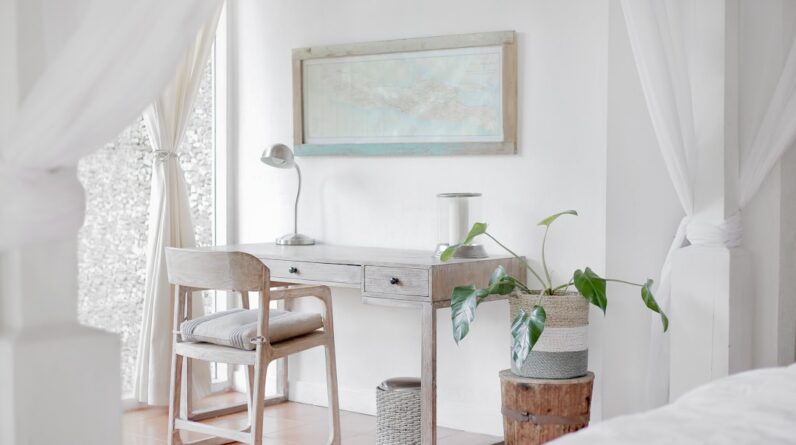
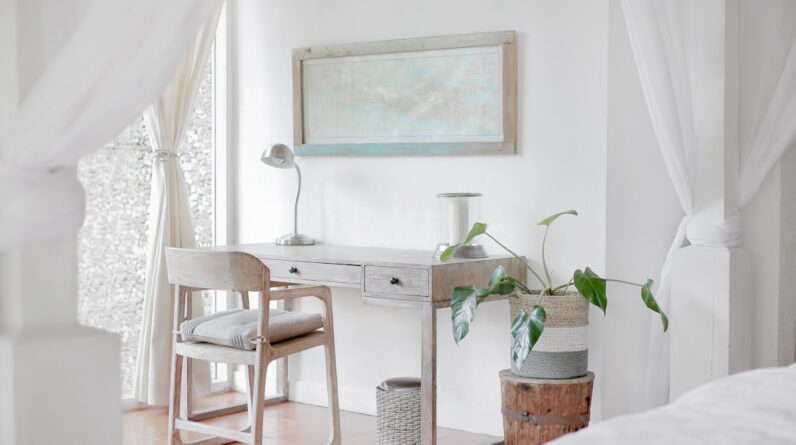
You might opt for sheer curtains that allow light to filter through while maintaining privacy or strategically place mirrors to reflect light and make the room feel larger. Color also plays a crucial role in enhancing your space. Different hues can evoke various emotions and set the tone for each room.
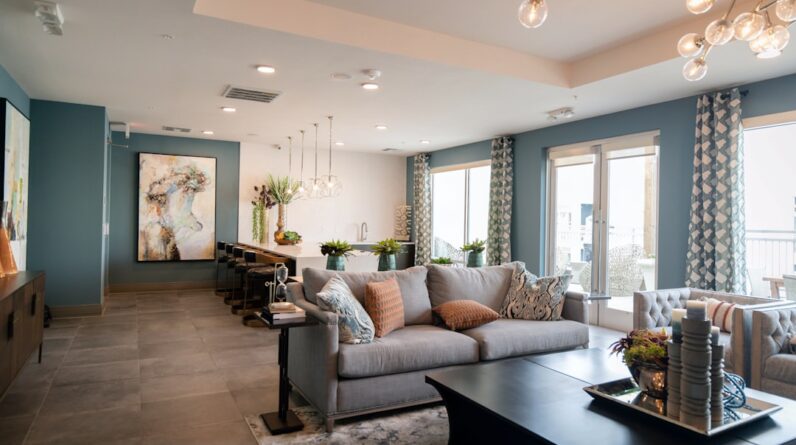
For example, soft blues and greens can create a tranquil environment perfect for relaxation, while vibrant yellows and oranges can energize a workspace or playroom. When selecting colors, think about how they interact with one another and how they complement the natural light in your home. By thoughtfully combining light and color, you can transform your space into one that feels both dynamic and harmonious.
Embracing the Quirks of the Space

Every home has its quirks—those unique features that may initially seem like challenges but can actually become charming focal points with the right approach. Instead of trying to hide these idiosyncrasies, embrace them as part of your home’s character. Perhaps you have an oddly shaped room or an architectural feature that stands out; these elements can be celebrated through creative design choices.
For instance, if you have an alcove or nook, consider turning it into a cozy reading corner or display area for cherished items. Additionally, think about how you can incorporate personal touches that reflect your personality and interests. Whether it’s displaying artwork from local artists or showcasing travel souvenirs, these elements add depth and warmth to your space.
By embracing the quirks of your home, you create an environment that feels authentic and uniquely yours. This approach not only enhances your enjoyment of the space but also invites others to appreciate its individuality.
Incorporating Customized Design Solutions
Incorporating customized design solutions allows you to tailor your space to meet your specific needs and preferences. Off-the-shelf furniture may not always fit perfectly within your vision; therefore, consider working with local artisans or designers who can create bespoke pieces just for you. Custom cabinetry or built-ins can maximize storage while ensuring that every inch of your space is utilized effectively.
This level of personalization not only enhances functionality but also adds a unique touch that mass-produced items simply cannot replicate. Moreover, customized design solutions extend beyond furniture; they can also include personalized color schemes or layouts that reflect your lifestyle. For example, if you’re an avid cook who loves entertaining, designing an open kitchen layout with ample counter space and seating can significantly enhance your experience in that area.
By investing in customized solutions, you’re not just creating a beautiful space; you’re crafting an environment that truly supports how you live.
Balancing Functionality and Aesthetics
Finally, achieving a balance between functionality and aesthetics is crucial for creating a space that is both beautiful and practical. While it’s tempting to focus solely on how things look, it’s essential to ensure that each element serves a purpose in your daily life. Consider how furniture placement affects movement within the room; ensure that pathways are clear and that each piece contributes positively to the overall flow of the space.
At the same time, don’t underestimate the importance of aesthetics in enhancing your experience within the space. Thoughtfully chosen decor elements—such as artwork, plants, or decorative pillows—can elevate the ambiance and make it feel more inviting. Strive for harmony between form and function; when both aspects are considered equally, you’ll create an environment that not only looks stunning but also works seamlessly for your lifestyle.
In conclusion, transforming your space into something truly special requires careful consideration of various elements—from understanding its unique characteristics to maximizing storage solutions and embracing its quirks. By utilizing multi-functional furniture and creating visual continuity through light and color, you can enhance both functionality and aesthetics in your home. Ultimately, it’s about crafting an environment that reflects who you are while serving your everyday needs effectively.
FAQs
What are the challenges of designing for small spaces?
Designing for small spaces can be challenging due to limited space for furniture and decor, as well as the need to create a sense of openness and functionality within the space.
How do interior designers address the challenges of small spaces?
Interior designers address the challenges of small spaces by utilizing space-saving furniture, maximizing storage solutions, and creating a sense of openness through strategic placement of furniture and decor.
What are the challenges of designing for irregularly shaped spaces?
Irregularly shaped spaces present challenges in terms of furniture placement, traffic flow, and creating a cohesive design that complements the unique shape of the space.
How do interior designers address the challenges of irregularly shaped spaces?
Interior designers address the challenges of irregularly shaped spaces by customizing furniture and decor to fit the space, utilizing creative layout solutions, and incorporating design elements that enhance the unique shape of the space.
What are the challenges of designing for oddly angled spaces?
Oddly angled spaces can present challenges in terms of furniture placement, creating a sense of balance, and maximizing the functionality of the space.
How do interior designers address the challenges of oddly angled spaces?
Interior designers address the challenges of oddly angled spaces by utilizing custom furniture solutions, incorporating creative design elements to enhance the angles, and creating a sense of balance and flow within the space.