When embarking on a design project, the first step is to delve deep into the client’s narrative. You must recognize that every space has a story waiting to be told, and your role is to uncover it. Engaging in conversations with your client allows you to grasp their values, experiences, and aspirations.
This understanding forms the foundation of your design, ensuring that the final outcome resonates with their identity. You might ask questions about their childhood memories, significant life events, or even their dreams for the future. Each detail you gather serves as a thread in the tapestry of their story, guiding your creative decisions.
As you listen to your client, pay attention to the emotions that surface during these discussions. Their laughter, nostalgia, or even moments of sadness can provide insight into what elements are essential to include in the design. By empathizing with their experiences, you can create a space that not only reflects their personality but also evokes the feelings they wish to experience within it.
This connection transforms your design from a mere aesthetic endeavor into a meaningful representation of their life journey.
Key Takeaways
- Understanding the client’s personal story is crucial for creating a meaningful and personalized design.
- Incorporating personal artifacts and mementos adds depth and authenticity to the design.
- Using color and texture strategically can evoke specific emotions and enhance the overall atmosphere of the space.
- Creating a narrative flow through space planning helps to guide the viewer through the client’s story.
- Incorporating symbolism and cultural references adds layers of meaning and significance to the design.
Incorporating Personal Artifacts and Mementos
Once you have a firm grasp of your client’s story, the next step is to incorporate personal artifacts and mementos into the design. These items serve as tangible connections to their past and can infuse the space with character and warmth. You might suggest displaying family heirlooms, travel souvenirs, or even artwork created by loved ones.
Each piece tells a story of its own, and when thoughtfully integrated into the design, they create a rich narrative tapestry that speaks to the client’s unique journey. Consider how these artifacts can be showcased effectively. Perhaps a gallery wall featuring framed photographs from significant moments in their life can serve as a focal point in the living room.
Alternatively, a curated display of travel memorabilia can evoke memories of adventures shared with family and friends. By strategically placing these items throughout the space, you not only honor your client’s history but also invite guests to engage with their story, sparking conversations and connections.
Using Color and Texture to Evoke Emotions

Color and texture are powerful tools in your design arsenal, capable of evoking a wide range of emotions. As you work with your client’s narrative, consider how different hues can reflect their personality and experiences. For instance, warm tones like reds and oranges can create an inviting atmosphere, while cooler shades like blues and greens may evoke tranquility and calmness.
By selecting a color palette that resonates with your client’s story, you can create an environment that feels both personal and emotionally charged. Texture also plays a crucial role in shaping the emotional landscape of a space. The tactile quality of materials can influence how one feels within an environment.
Soft fabrics like velvet or plush rugs can create a sense of comfort and coziness, while sleek surfaces like glass or metal may convey modernity and sophistication. By thoughtfully combining colors and textures, you can craft an immersive experience that aligns with your client’s narrative, allowing them to feel at home in their own story.
Creating a Narrative Flow Through Space Planning
Space planning is essential for creating a cohesive narrative flow within your design. As you arrange furniture and define areas within the space, think about how each element contributes to the overall story you are telling. Consider the way people move through the space; it should feel intuitive and inviting.
You might create distinct zones for different activities—such as a cozy reading nook or an open area for entertaining—ensuring that each section reflects an aspect of your client’s life. Moreover, the layout should encourage interaction and connection among family members and guests. By positioning seating arrangements to facilitate conversation or creating pathways that guide visitors through the space, you enhance the storytelling aspect of your design.
Each area should seamlessly transition into the next, allowing for a fluid experience that mirrors the ebb and flow of your client’s life story.
Incorporating Symbolism and Cultural References
Incorporating symbolism and cultural references into your design can add depth and meaning to the space. As you explore your client’s background, consider how their cultural heritage can inform your design choices. This might involve integrating traditional patterns, colors, or motifs that resonate with their identity.
By doing so, you not only celebrate their culture but also create an environment that feels authentic and personal. Symbolism can also be woven into the design through art and decor. For instance, selecting artwork that represents significant milestones or values can serve as a constant reminder of what is important to your client.
Whether it’s a piece that symbolizes family unity or one that reflects personal growth, these elements enrich the narrative you are crafting within the space. By thoughtfully incorporating these references, you create a layered experience that invites deeper reflection on identity and belonging.
Incorporating Historical and Architectural References
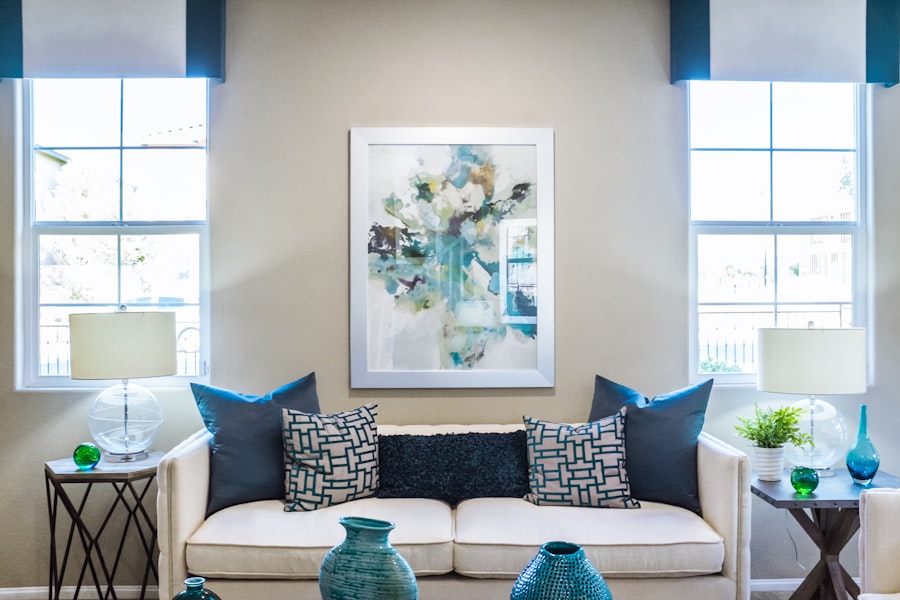
Drawing inspiration from historical and architectural references can elevate your design by adding context and richness to the narrative. As you explore your client’s story, consider how elements from different architectural styles or historical periods can be integrated into the design. This might involve selecting furniture pieces that echo a specific era or incorporating architectural details like moldings or arches that reflect a particular style.
By blending contemporary design with historical references, you create a dialogue between past and present. This approach not only honors your client’s history but also allows for a unique expression of their identity within a modern context. You might find inspiration in local architecture or historical landmarks that resonate with your client’s experiences, weaving these elements into the fabric of your design to create a timeless narrative.
Using Furniture and Decor to Enhance the Story
Furniture and decor are not merely functional elements; they are integral components of the narrative you are crafting within the space. Each piece should be selected with intention, reflecting your client’s personality and experiences. Consider how different styles—be it rustic, modern, or eclectic—can convey aspects of their story.
A vintage coffee table might evoke memories of family gatherings, while contemporary art pieces could represent aspirations for the future. Additionally, layering decor items such as cushions, throws, and artwork can enhance the storytelling aspect of your design. These elements add visual interest while reinforcing themes present in your client’s narrative.
For example, if travel is a significant part of their life story, incorporating decor from various cultures can create an inviting atmosphere that celebrates their adventures. By curating furniture and decor thoughtfully, you ensure that every element contributes to the overarching narrative.
Bringing the Story to Life Through Lighting and Accessories
Finally, lighting plays a pivotal role in bringing your client’s story to life within the space. The right lighting can transform an environment, setting the mood and highlighting key features of the design. Consider how natural light interacts with different areas throughout the day; maximizing this element can create warmth and vitality in your client’s home.
You might suggest sheer curtains that allow sunlight to filter through or strategically placed mirrors that reflect light and enhance brightness. In addition to natural light, artificial lighting should be layered to create depth and ambiance. Incorporating various sources—such as pendant lights, floor lamps, and sconces—can help establish different moods for different activities within the space.
Accessories like candles or decorative lanterns can further enhance this atmosphere, adding warmth and intimacy during evenings spent at home. By thoughtfully considering lighting alongside accessories, you create an environment that not only tells your client’s story but also invites them to live it fully every day. In conclusion, designing a space that reflects your client’s story requires careful consideration of various elements—from understanding their narrative to incorporating personal artifacts and cultural references.
By using color, texture, space planning, symbolism, historical references, furniture choices, and lighting effectively, you can create an environment that resonates deeply with their identity. Ultimately, this process transforms a mere living space into a vibrant tapestry of experiences and emotions—a true reflection of who they are and what they cherish most in life.
FAQs
What is storytelling in interior design?
Storytelling in interior design is the practice of using design elements to convey a narrative or evoke a specific emotion or feeling within a space. It involves creating a cohesive and meaningful design that tells a story and connects with the people who experience the space.
How do interior designers incorporate storytelling elements into their designs?
Interior designers incorporate storytelling elements into their designs by using various techniques such as selecting specific color palettes, incorporating meaningful artwork or decor, using furniture and layout to create a specific atmosphere, and integrating cultural or historical references.
Why is storytelling important in interior design?
Storytelling is important in interior design because it helps create a more meaningful and engaging experience for the people who inhabit the space. It adds depth and personality to the design, making it more memorable and impactful.
What are some examples of storytelling elements in interior design?
Examples of storytelling elements in interior design include using a specific color scheme to evoke a certain mood or emotion, incorporating artwork or decor that tells a story or reflects a specific theme, using furniture and layout to create a narrative flow within the space, and integrating cultural or historical references that add depth and meaning to the design.
How do interior designers ensure that storytelling elements are effectively communicated in their designs?
Interior designers ensure that storytelling elements are effectively communicated in their designs by carefully curating every aspect of the space, from the selection of materials and furniture to the arrangement of decor and artwork. They also consider the spatial flow and how people will experience the space to ensure that the storytelling elements are effectively conveyed.