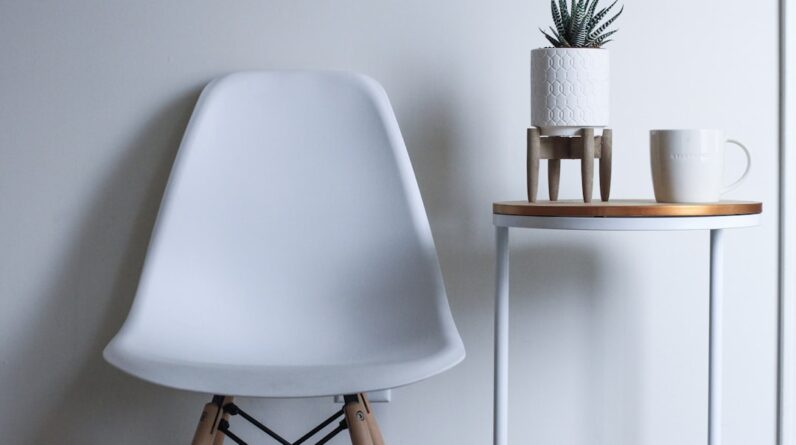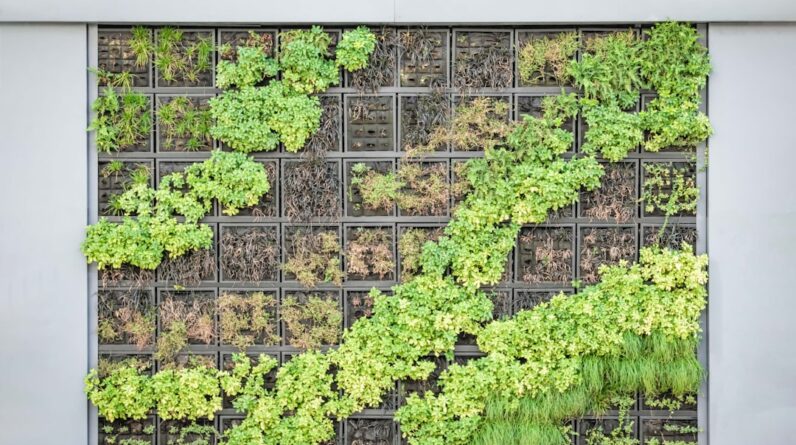
In recent years, the integration of indoor plants into sustainable design has gained significant traction. As urbanization continues to rise, the need for green spaces within our living and working environments has become increasingly apparent. You may find yourself yearning for a connection to nature amidst the concrete jungles of modern life.
Indoor plants not only provide aesthetic appeal but also contribute to a healthier and more sustainable environment. By incorporating greenery into your spaces, you can create a sanctuary that promotes well-being while also addressing environmental concerns. The concept of sustainable design revolves around creating spaces that are environmentally responsible and resource-efficient throughout their life cycle.
This includes the selection of materials, energy consumption, and the overall impact on the ecosystem. Indoor plants play a crucial role in this equation, as they can improve air quality, enhance mood, and even reduce energy costs. As you explore the world of indoor plants, you will discover how they can transform your space into a vibrant, eco-friendly haven that aligns with sustainable principles.
Key Takeaways
- Indoor plants play a crucial role in sustainable design by improving air quality, reducing energy consumption, and enhancing overall well-being.
- The benefits of indoor plants in sustainable design include air purification, noise reduction, and psychological well-being.
- Types of indoor plants suitable for sustainable design include air-purifying plants, low-maintenance plants, and those that thrive in indoor environments.
- Incorporating indoor plants into sustainable design can be achieved through vertical gardens, green walls, and biophilic design principles.
- Maintenance and care of indoor plants in sustainable design involve proper watering, adequate lighting, and regular pruning to ensure their health and longevity.
Benefits of Indoor Plants in Sustainable Design
The benefits of incorporating indoor plants into sustainable design are manifold. One of the most significant advantages is their ability to purify the air. Plants naturally absorb carbon dioxide and release oxygen through photosynthesis, which can help improve indoor air quality.
You may be surprised to learn that certain plants can also filter out harmful toxins such as formaldehyde, benzene, and trichloroethylene, which are commonly found in household products and furnishings. By introducing these green allies into your environment, you can create a healthier atmosphere for yourself and those around you. In addition to air purification, indoor plants have been shown to enhance mental well-being.
Studies indicate that having greenery in your surroundings can reduce stress levels, increase productivity, and boost creativity. Imagine working in an office adorned with lush foliage or unwinding at home surrounded by vibrant plants. The calming presence of nature can significantly improve your mood and overall quality of life.
Furthermore, incorporating plants into your design can lead to energy savings by reducing the need for artificial lighting and temperature control, as they help regulate humidity and temperature levels.
Types of Indoor Plants Suitable for Sustainable Design
When it comes to selecting indoor plants for sustainable design, there are numerous options to consider. Some popular choices include snake plants, pothos, peace lilies, and spider plants. Snake plants are particularly resilient and require minimal care, making them an excellent choice for beginners.
Their ability to thrive in low light conditions and their air-purifying qualities make them a staple in many sustainable designs. Pothos, with its trailing vines and heart-shaped leaves, adds a touch of elegance while also being effective at removing indoor pollutants. Peace lilies are another fantastic option due to their striking white blooms and ability to thrive in low light.
They not only beautify your space but also excel at filtering out harmful chemicals from the air. Spider plants are known for their adaptability and ease of care; they produce “baby” plants that can be propagated easily, making them a sustainable choice for those looking to expand their indoor garden. As you explore these options, consider your space’s lighting conditions and your personal preferences to find the perfect plants that will thrive in your environment.
How to Incorporate Indoor Plants into Sustainable Design
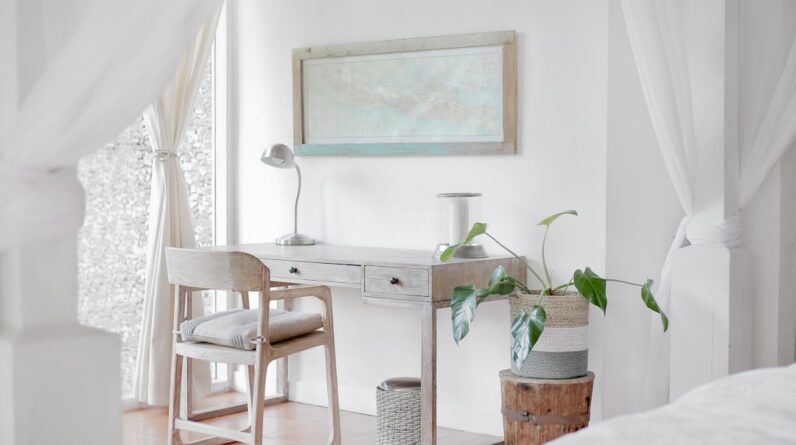
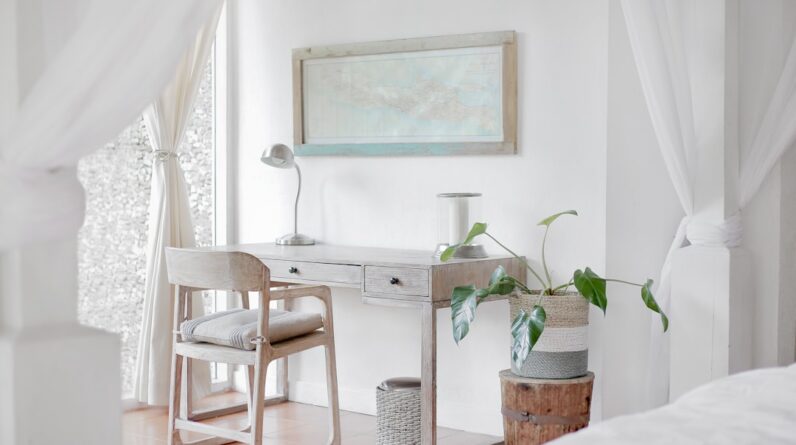
Incorporating indoor plants into your sustainable design can be both an art and a science. Start by assessing your space and identifying areas where plants can thrive while enhancing the overall aesthetic. You might consider placing larger plants in corners or near windows where they can receive ample natural light.
Smaller plants can be grouped on shelves or desks to create visual interest and bring life to otherwise dull spaces. Vertical gardens or living walls are also gaining popularity as they maximize space while providing a stunning focal point. Another effective way to integrate indoor plants is through the use of planters made from sustainable materials.
Opt for pots made from recycled materials or biodegradable options that align with your eco-friendly values. You can also explore creative ways to display your plants, such as hanging them from the ceiling or using repurposed items as planters. By thinking outside the box, you can create a unique and personalized indoor garden that reflects your style while promoting sustainability.
Maintenance and Care of Indoor Plants in Sustainable Design
Caring for indoor plants is essential to ensure their longevity and health within your sustainable design. Understanding the specific needs of each plant is crucial; factors such as light requirements, watering schedules, and humidity levels will vary from one species to another. You may find it helpful to create a care routine that includes regular watering, pruning, and fertilizing as needed.
Keeping an eye on your plants will allow you to catch any potential issues early on, such as pests or diseases. Additionally, consider using organic fertilizers and pest control methods to maintain a healthy environment for both your plants and yourself. This aligns with the principles of sustainable design by minimizing chemical exposure and promoting biodiversity.
You might also explore self-watering pots or hydroponic systems that can simplify maintenance while ensuring your plants receive adequate moisture. By investing time in proper care, you will reap the rewards of a thriving indoor garden that enhances your living space.
Case Studies of Successful Sustainable Design with Indoor Plants
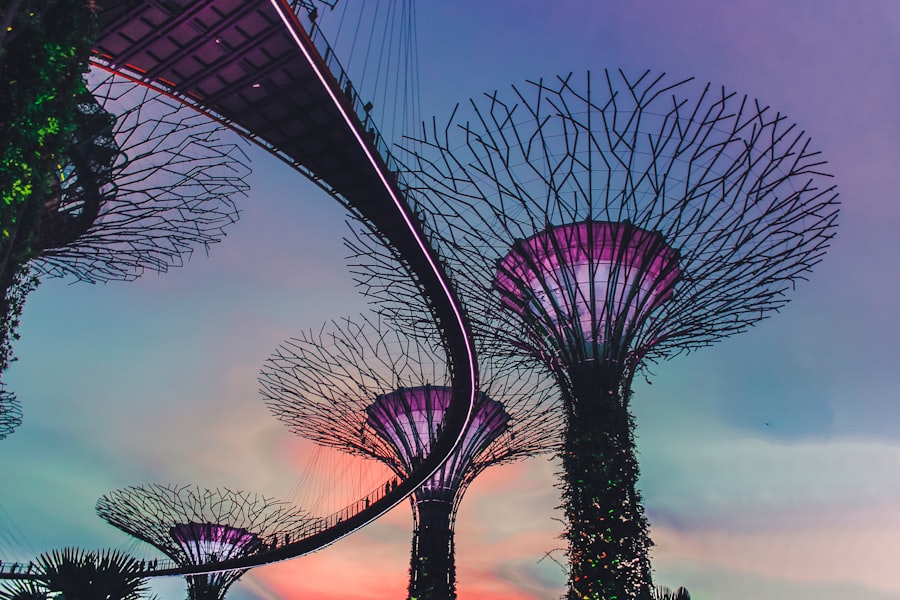
Numerous case studies highlight the successful integration of indoor plants into sustainable design projects across various sectors. For instance, many modern office buildings have embraced biophilic design principles by incorporating greenery into their interiors. One notable example is the Amazon Spheres in Seattle, which feature over 40,000 plants from around the world within a stunning glass structure.
This innovative design not only enhances employee well-being but also serves as a living laboratory for plant research. In residential settings, homeowners have transformed their living spaces by incorporating indoor gardens that promote sustainability. A case study in New York City showcased a small apartment that utilized vertical gardening techniques to maximize limited space while creating a lush environment.
The use of native plant species not only contributed to biodiversity but also reduced water consumption due to their adaptability to local conditions. These examples illustrate how indoor plants can be effectively integrated into various design contexts, showcasing their versatility and positive impact on sustainability.
Tips for Choosing the Right Indoor Plants for Sustainable Design
When selecting indoor plants for your sustainable design project, consider several factors to ensure you make informed choices. First, assess the lighting conditions in your space; some plants thrive in bright light while others prefer low-light environments. Understanding these requirements will help you select species that will flourish in your home or office without requiring excessive artificial lighting.
Next, think about your lifestyle and maintenance preferences. If you travel frequently or have a busy schedule, opt for low-maintenance plants that require minimal care. Succulents and cacti are excellent choices for those who may forget to water regularly.
Additionally, consider the size of the plants in relation to your space; larger plants can serve as statement pieces while smaller varieties can be used as accents or grouped together for visual impact.
Conclusion and Future Trends in Indoor Plants for Sustainable Design
As we move forward into an increasingly urbanized world, the role of indoor plants in sustainable design will continue to evolve. The growing awareness of environmental issues has led many individuals and organizations to prioritize green solutions within their spaces. You may find that incorporating indoor plants not only enhances aesthetics but also fosters a deeper connection with nature—a vital aspect of well-being in today’s fast-paced society.
Looking ahead, trends such as smart gardening technology and the use of artificial intelligence in plant care are likely to gain momentum. These innovations will make it easier for individuals to maintain healthy indoor gardens while promoting sustainability. As you embrace these trends and continue exploring the world of indoor plants, you will contribute to a greener future—one plant at a time.
By making conscious choices about the greenery you incorporate into your spaces, you can create environments that are not only beautiful but also beneficial for both people and the planet.
FAQs
What are indoor plants for sustainable design?
Indoor plants for sustainable design are plants that are used in interior spaces to improve air quality, reduce energy consumption, and contribute to a healthier and more sustainable environment.
How do indoor plants improve air quality?
Indoor plants improve air quality by absorbing carbon dioxide and releasing oxygen through the process of photosynthesis. They also remove toxins and pollutants from the air, helping to create a healthier indoor environment.
How do indoor plants reduce energy consumption?
Indoor plants can help reduce energy consumption by providing natural insulation, reducing the need for heating and cooling. They can also help regulate humidity levels, reducing the need for energy-intensive humidifiers or dehumidifiers.
What are some examples of indoor plants for sustainable design?
Some examples of indoor plants for sustainable design include snake plants, spider plants, pothos, peace lilies, and rubber plants. These plants are known for their air-purifying qualities and low maintenance requirements.
How can indoor plants contribute to sustainable design?
Indoor plants contribute to sustainable design by improving indoor air quality, reducing energy consumption, and promoting a connection to nature in interior spaces. They can also be used as a sustainable alternative to artificial decor and air purifying systems.