


Are you looking to transform your living space into a beautiful, harmonious haven? Look no further than the Interior Design Service in Minneapolis, Minnesota. With their expertise and passion for design, they are committed to creating stunning interiors that reflect your unique style and personality. From selecting the perfect color scheme to sourcing exquisite furniture and accessories, their team of talented designers will work closely with you to bring your vision to life. With the Interior Design Service in Minneapolis, Minnesota, your dream space is just a phone call away.

Overview
What is interior design?
Interior design is the art and science of enhancing the interior of a space to achieve a more aesthetically pleasing and functional environment. It involves the use of various elements such as color, texture, furniture, lighting, and accessories to create harmonious and visually appealing spaces.
Why is interior design important?
Interior design plays a crucial role in transforming a house or commercial space into a welcoming and functional environment. It not only enhances the aesthetics of the space but also improves its functionality and efficiency. A well-designed interior space can have a positive impact on our mood, productivity, and overall well-being.
What are the benefits of hiring an interior designer?
Hiring an interior designer can offer numerous benefits. Firstly, they have the expertise and knowledge to create a space that reflects your style and personality while also meeting your specific needs and requirements. Additionally, interior designers have access to a wide range of resources and products, allowing them to source unique and high-quality materials for your project. Furthermore, they can help you save time and money by managing the entire design process, coordinating with contractors and suppliers, and ensuring that the project stays within your budget. Overall, hiring an interior designer can greatly enhance the overall outcome of your interior design project.
Features of interior design in Minneapolis, Minnesota
Minneapolis, Minnesota, is known for its vibrant and diverse interior design scene. With its unique blend of modern and traditional elements, the city offers a wide range of design styles to choose from. Some notable features of interior design in Minneapolis include an emphasis on functionality, a love for natural materials and textures, and a focus on creating spaces that are both comfortable and visually appealing. Whether you prefer a sleek and minimalist design or a warm and cozy atmosphere, Minneapolis has interior designers who can bring your vision to life.
Finding an Interior Design Service
Researching interior design companies in Minneapolis
When looking for an interior design service in Minneapolis, it’s important to do thorough research to find reputable and experienced companies. Start by checking online directories and websites that list interior design companies in the area. Take note of the companies that catch your attention and explore their websites to learn more about their services, portfolios, and previous work. Pay attention to their design philosophy and see if it aligns with your style preferences. Additionally, make sure to check if the companies have any certifications or awards that showcase their expertise in the field.
Asking for recommendations
Another great way to find an interior design service in Minneapolis is to ask for recommendations from friends, family, or colleagues who have recently worked with a designer. Personal recommendations can provide valuable insights into the designer’s professionalism, communication skills, and overall satisfaction with the project. If you admire the design of a space you’ve visited, don’t be afraid to ask the owner for the contact information of their interior designer. Word-of-mouth recommendations can often lead to finding a designer who perfectly suits your needs and style preferences.
Checking online reviews
Online reviews can be a valuable resource when researching interior design services in Minneapolis. Websites such as Houzz, Yelp, and Google Reviews provide a platform for clients to share their experiences and rate the services they received. Look for designers who consistently receive positive reviews and praise for their work. However, keep in mind that every project and client is unique, so it’s important to read multiple reviews and consider a range of opinions before making a decision.
Meeting with different designers
Once you have shortlisted a few interior design companies or designers in Minneapolis, it’s time to schedule meetings with them. Meeting in person allows you to assess their personality, communication style, and professionalism. Prepare a list of questions and topics you want to discuss during the meeting, such as their design process, timelines, and budget considerations. Additionally, bring along any inspiration images or materials that can help them understand your vision for the project. Use these meetings as an opportunity to gauge their expertise, creativity, and compatibility with your design goals.

Services Offered
Residential interior design
Residential interior design focuses on creating beautiful and functional living spaces that reflect the homeowner’s style and personality. Whether you are looking to remodel a single room or redesign your entire home, a residential interior designer can assist you in every step of the process. From conceptualizing the overall design theme to selecting furniture and accessories, a residential interior designer can turn your house into a personalized sanctuary.
Commercial interior design
Commercial interior design involves creating functional and visually appealing spaces that cater to the specific needs of businesses. Whether it’s an office, retail store, or restaurant, a commercial interior designer can help create an environment that enhances productivity, attracts customers, and reflects the brand identity. They consider factors such as traffic flow, lighting, ergonomics, and branding elements to create a space that is not only aesthetically pleasing but also conducive to business operations.
Kitchen and bathroom remodeling
Kitchen and bathroom remodeling projects can greatly improve the functionality and value of your home. An interior designer can assist you in choosing the right cabinetry, countertops, fixtures, and finishes that not only suit your style but also meet your practical needs. They can help optimize the available space, ensure proper lighting and ventilation, and create a cohesive design that ties the entire project together.
Furniture selection and placement
Selecting the right furniture pieces and arranging them in a space can be a daunting task. An interior designer can help you choose furniture that not only complements your design theme but also suits your lifestyle and budget. They consider factors such as scale, proportion, and functionality to select pieces that are both aesthetically pleasing and practical. Additionally, interior designers have access to a wide range of furniture suppliers and can source unique and high-quality pieces that are not easily available to the general public.
Color consultation
The right color scheme can dramatically transform the look and feel of a space. A color consultation with an interior designer can help you choose the perfect hues that suit your style and evoke the desired mood in each room. They consider factors such as natural light, room size, and existing furniture and finishes to create a harmonious and visually pleasing color palette.
Lighting design
Lighting is a crucial element in interior design as it impacts both the functionality and ambience of a space. An interior designer can create a lighting plan that takes into account factors such as task lighting, accent lighting, and ambient lighting to ensure that every area of your home or commercial space is properly illuminated. They can assist you in choosing the right fixtures, bulbs, and controls that match your design style and enhance the overall aesthetics of the space.
Flooring selection
Flooring is an important aspect of interior design that sets the foundation for the overall design scheme. An interior designer can help you choose the right flooring materials that not only match your style but also meet your functional requirements. Whether it’s hardwood, tiles, carpet, or vinyl, they can guide you through the selection process and recommend the most suitable options based on factors such as durability, maintenance, and budget.
Window treatments
Window treatments are not only functional but also play a significant role in enhancing the aesthetics of a space. An interior designer can help you choose the right window treatments such as curtains, blinds, or shades that provide privacy, light control, and visual appeal. They consider factors such as the architectural style, natural light, and desired level of privacy to design window treatments that perfectly suit your needs.
Accessorizing and styling
Adding the final touches to a space through accessories and styling can elevate the overall design to another level. An interior designer can help you select and arrange accessories such as artwork, rugs, pillows, and decorative objects that complement your design theme and add personality to the space. They consider factors such as scale, color harmony, and texture to create a cohesive and visually appealing arrangement.
Project management
One of the key benefits of hiring an interior designer is their ability to manage the entire design project from start to finish. They can coordinate with contractors, suppliers, and other professionals involved in the project to ensure smooth execution and timely completion. Additionally, they can handle tasks such as budgeting, procurement, and quality control, taking the stress off your shoulders and allowing you to enjoy the process without worry.
Working Process
Initial consultation
The working process with an interior designer typically begins with an initial consultation. During this meeting, the designer will discuss your needs, vision, and budget for the project. They will ask questions to get a better understanding of your style preferences, lifestyle, and functional requirements. This consultation also allows you to ask any questions you may have and establish clear communication and expectations for the project.
Assessment and analysis
After the initial consultation, the interior designer will conduct an assessment and analysis of the space. They will take measurements, evaluate the existing condition of the space, and identify any potential challenges or opportunities. This assessment is essential for the designer to develop a customized design plan that addresses your specific needs and maximizes the potential of the space.
Design concept development
Based on the assessment and analysis, the interior designer will develop a design concept that aligns with your style preferences and requirements. This concept includes elements such as color schemes, furniture layout, material selections, and lighting plans. The designer may present this concept to you through sketches, mood boards, or 3D renderings to help you visualize how the final space will look.
Design presentation
Once the design concept is finalized, the interior designer will present the overall design plan to you. This presentation includes detailed drawings, material samples, and a comprehensive explanation of the proposed design elements. The designer will walk you through the design plan, answer any questions or concerns you may have, and make any necessary adjustments based on your feedback.
Design implementation
Once the design plan is approved, the implementation phase begins. The interior designer will coordinate with contractors, suppliers, and other professionals to bring the design concept to life. They will oversee the construction, installation, and procurement process to ensure that the project is executed according to the agreed-upon timeline and quality standards. Throughout this phase, the designer will be in regular communication with you to provide updates and address any questions or concerns that may arise.
Final walk-through
Once the construction and installation are complete, the interior designer will conduct a final walk-through of the space with you. This walk-through allows you to see the finished project and identify any final adjustments or touch-ups that may be required. The designer will also provide guidance on how to maintain and care for the newly designed space, as well as offer recommendations for any additional accessories or styling elements that can further enhance the overall design.

Factors to Consider
Budget
Before embarking on an interior design project, it’s important to establish a realistic budget. Consider how much you are willing to invest in the project and communicate this clearly with your interior designer. A professional designer can help you make the most of your budget by making informed recommendations and prioritizing key areas of the project.
Style preferences
Your style preferences play a significant role in the overall design of your space. Think about the design styles you are drawn to, whether it’s modern, traditional, eclectic, or minimalist. Look for interior designers who have experience and expertise in the specific style you prefer to ensure that they can bring your vision to life.
Timeline
Consider your desired timeline for the project and communicate this with your interior designer. Some projects may require more time to complete, especially if they involve extensive renovations or custom-made furniture. Discuss your timeline expectations with the designer to ensure that it aligns with their availability and ability to meet your deadlines.
Experience and expertise
When hiring an interior designer, it’s important to consider their experience and expertise in the field. Look for designers who have a proven track record and a portfolio of successful projects that demonstrate their skills. Additionally, consider their level of experience in working on projects similar to yours, as this can greatly impact the outcome and efficiency of the design process.
Portfolio and previous work
Reviewing the portfolio and previous work of an interior designer is crucial in determining whether their style and quality of work align with your expectations. Look for a diverse portfolio that showcases their versatility and ability to create different design styles. Pay attention to the level of detail, craftsmanship, and overall aesthetic appeal in their previous projects.
Communication
Effective communication is key in any design project. Ensure that you feel comfortable communicating with your interior designer and that they are responsive and attentive to your needs and concerns. A good designer will listen to your ideas, offer knowledgeable advice, and keep you updated throughout every stage of the project.
Collaboration
Interior design is a collaborative process that involves working closely with your designer to bring your vision to life. Look for a designer who values collaboration and is open to your input and ideas. A successful collaboration between you and the designer will result in a space that truly reflects your personality and lifestyle.
Attention to detail
The devil is in the details, and a skilled interior designer pays close attention to every aspect of the design. Look for designers who have a meticulous eye for detail and a commitment to achieving perfection in every element of the design. Details such as furniture placement, lighting fixtures, and finishes can greatly impact the overall aesthetics and functionality of a space.
References and testimonials
Don’t hesitate to ask for references or testimonials from previous clients. Hearing about their experience working with a particular designer can give you valuable insights into their professionalism, reliability, and ability to deliver on their promises. Online reviews and testimonials can also provide a glimpse into other clients’ satisfaction with the designer’s work.
Licensing and certifications
When hiring an interior designer, it’s important to ensure that they have the necessary licensing and certifications required by the state or governing bodies. This ensures that they have met the necessary educational and professional standards to practice interior design. Additionally, certification from industry organizations can signify a designer’s commitment to their profession and continuous learning.
Cost of Interior Design Services
Hourly design fee
Some interior designers charge an hourly design fee, where clients pay for the time spent on their project. The hourly rate can vary depending on the designer’s experience, location, and the complexity of the project. This fee structure is commonly used for smaller projects or consultations.
Flat design fee
A flat design fee is a fixed amount that is agreed upon between the designer and the client before the project begins. This fee structure is often used for larger projects or when the scope of work is clearly defined. The flat fee takes into account the designer’s time, expertise, and expenses.
Percentage of project cost
Another common fee structure is a percentage of the project cost. In this case, the client pays the designer a percentage of the total project cost, which includes the designer’s fee as well as the cost of materials, labor, and any additional expenses. The percentage can vary depending on the complexity and scale of the project.
Itemized billing
Some designers may offer itemized billing, where they provide a detailed breakdown of all the costs involved in the project. This allows clients to have a clear understanding of how their money is being allocated and enables them to make informed decisions about where they want to invest their budget.
Additional expenses
In addition to the designer’s fee, there may be additional expenses associated with an interior design project. These can include the cost of materials, furniture, accessories, contractor fees, and any unforeseen expenses that may arise during the construction or installation process. It’s important to discuss these potential expenses with your designer and have a clear understanding of who will be responsible for each cost.

Benefits of Hiring an Interior Designer
Professional expertise
One of the key benefits of hiring an interior designer is their professional expertise. Designers have a deep understanding of design principles, spatial planning, and color coordination, allowing them to create spaces that are not only visually appealing but also functional. They stay updated with the latest design trends, materials, and technologies, enabling them to provide innovative and customized design solutions.
Time and cost savings
Designing and managing an interior design project can be a time-consuming and overwhelming task. Hiring an interior designer can save you valuable time and effort as they take care of all the design-related tasks, including researching, sourcing, procurement, and coordinating with vendors and contractors. Additionally, designers are skilled in budget management and can help you make informed decisions that optimize your budget and avoid costly mistakes.
Access to resources and products
Designers have access to a wide range of resources, products, and suppliers that are not readily available to the general public. They can provide you with a curated selection of materials, furniture, accessories, and finishes that suit your style preferences and budget. This access to exclusive resources ensures that your space will be unique and reflective of your personal style.
Enhanced functionality and aesthetics
Interior designers are trained to consider both the aesthetics and functionality of a space. They analyze your lifestyle, habits, and needs to create spaces that are not only visually appealing but also practical and functional. Designers take into account factors such as traffic flow, space utilization, and ergonomics to create spaces that enhance your overall comfort and well-being.
Tailored design solutions
Every client and space is unique, and an interior designer understands the importance of creating customized design solutions. They take the time to understand your preferences, needs, and lifestyle to create a design that is specifically tailored to you. Whether you prefer a cozy, rustic retreat or a sleek, modern aesthetic, an interior designer can translate your vision into a space that truly reflects your personality and style.
Interior Design Trends in Minneapolis
Modern and minimalist designs
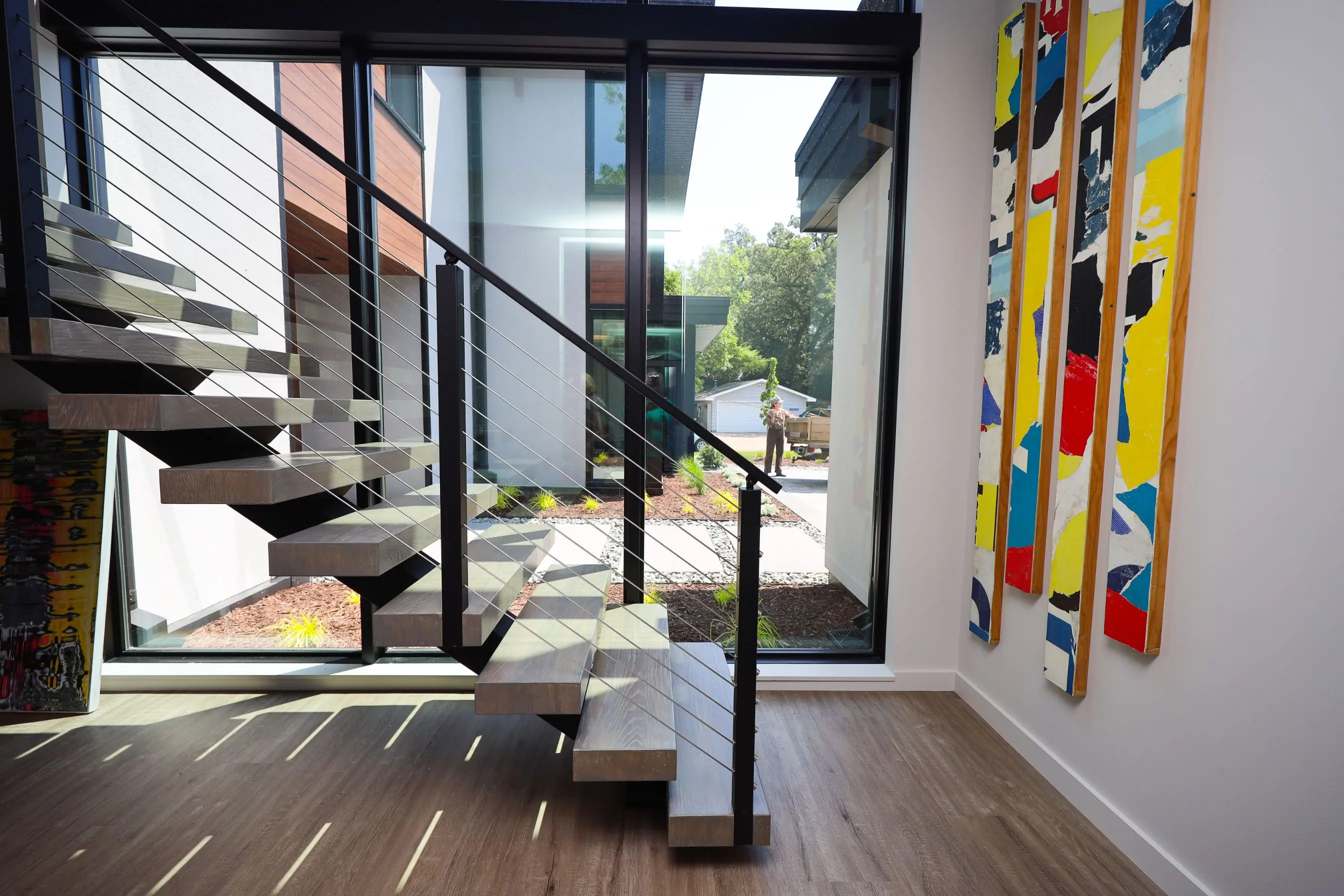
In recent years, there has been a growing trend towards modern and minimalist interior designs in Minneapolis. Clean lines, open floor plans, and functional furniture are key elements of this design style. Neutral color palettes, natural materials, and a focus on simplicity and functionality are also common features of modern and minimalist spaces in the city.
Biophilic design
Minneapolis, known for its abundant natural beauty, has embraced the biophilic design trend. Biophilic design aims to bring elements of nature indoors, creating spaces that promote well-being and connection with the natural world. This design trend often incorporates living plants, natural materials, and ample natural light to create a calming and rejuvenating environment.
Integration of technology
As a city that prides itself on being at the forefront of technological advancements, Minneapolis has seen an increase in the integration of technology into interior design. Smart home systems, automated lighting and temperature control, and personalized audiovisual systems are some examples of how technology is seamlessly blended into the design of residential and commercial spaces.
Sustainable and eco-friendly practices
Minneapolis has a strong focus on sustainability and eco-friendly practices, and this is reflected in the interior design trends of the city. Designers prioritize using sustainable materials, energy-efficient lighting, and recycled or upcycled furniture. Green building practices such as using low VOC paints and incorporating energy-efficient appliances are also commonly seen in interior design projects in Minneapolis.
Mixing textures and patterns
An emerging trend in Minneapolis interior design is the mixing of textures and patterns to create visual interest and depth. Designers are incorporating a variety of textures such as wood, metal, fabric, and stone to add a sense of warmth and richness to spaces. Bold patterns and prints on textiles, wallpaper, and accent pieces are also being used to create focal points and add personality to interiors.
Famous Interior Designers in Minneapolis
Name 1
Name 1 is a renowned interior designer based in Minneapolis. With over 20 years of experience in the industry, Name 1 has established a reputation for creating stylish and functional spaces. Known for their attention to detail and ability to blend different design styles seamlessly, Name 1 has worked on a wide range of residential and commercial projects throughout the city.
Name 2
Name 2 is a highly regarded interior designer known for their innovative and contemporary design approach. With a focus on sustainability and eco-friendly practices, Name 2 has gained recognition for their ability to create visually stunning spaces that are also environmentally conscious. Their portfolio includes a mix of residential, commercial, and hospitality projects.
Name 3
Name 3 is a prominent interior designer based in Minneapolis, specializing in high-end residential designs. With a passion for creating luxurious and timeless spaces, Name 3 has become popular among clients who seek elegance and sophistication. Their portfolio showcases a range of projects that reflect their impeccable taste and attention to detail.
Name 4
Name 4 is an interior designer known for their eclectic and vibrant design style. With a background in art and fashion, Name 4 brings a unique and creative perspective to their interior design projects. Their portfolio features bold color palettes, unique furniture pieces, and unexpected design elements that create spaces filled with personality and character.
Name 5
Name 5 is a talented interior designer who combines modern and traditional design elements to create harmonious and balanced spaces. With a focus on functionality and practicality, Name 5 has successfully completed numerous residential and commercial projects in Minneapolis. Their ability to understand and cater to the unique needs of their clients has earned them a loyal following.
Conclusion
In conclusion, interior design plays a vital role in transforming spaces into aesthetically pleasing and functional environments. Whether you’re looking to remodel your home or enhance the ambiance of your commercial space, hiring an interior designer can greatly enhance the overall outcome of your project. From initial concept development to the final walk-through, interior designers guide you through every step of the process, ensuring that your vision is brought to life. With their expertise, access to resources, and eye for detail, interior designers in Minneapolis can create spaces that reflect your style, elevate your living or working experience, and bring a touch of sophistication to your everyday life.


