When you step into a room, the first thing that often captures your attention is the overall atmosphere created by the lighting. Ambient lighting serves as the foundation of this atmosphere, providing a soft, diffused glow that fills the space. It is essential to understand that ambient lighting is not just about illumination; it’s about creating a mood and enhancing the overall aesthetic of your interior design.
This type of lighting is designed to provide a uniform level of brightness throughout a room, ensuring that no area is overly dark or glaringly bright. As you delve deeper into the concept of ambient lighting, you’ll discover its role in establishing a sense of comfort and tranquility. Unlike task lighting, which focuses on specific areas for activities like reading or cooking, ambient lighting envelops the entire space.
It allows you to navigate through your home with ease while also setting the stage for other design elements to shine. By understanding the nuances of ambient lighting, you can make informed decisions that elevate your interior design and create a welcoming environment.
Key Takeaways
- Ambient lighting is the base layer of lighting in interior design, providing overall illumination and setting the mood for a space.
- Common types of ambient lighting fixtures include recessed lights, track lights, and chandeliers, each offering a different distribution of light.
- Different spaces require different levels and types of ambient lighting, with considerations for size, function, and natural light.
- Incorporating ambient lighting into your design scheme involves strategic placement and consideration of the overall aesthetic.
- Ambient lighting can be used to create a cozy and inviting atmosphere by layering with other types of lighting and using warm color temperatures.
Types of Ambient Lighting Fixtures
When it comes to ambient lighting fixtures, you have a plethora of options to choose from, each offering its unique charm and functionality. Ceiling-mounted fixtures, such as flush mounts and chandeliers, are among the most common choices for providing general illumination. Flush mounts sit close to the ceiling, making them ideal for rooms with low ceilings, while chandeliers can serve as stunning focal points in larger spaces.
These fixtures not only light up the room but also contribute to the overall design aesthetic, whether you prefer a modern, minimalist look or something more ornate. In addition to ceiling-mounted options, floor lamps and table lamps can also serve as effective sources of ambient lighting. These portable fixtures allow you to create pockets of light in various areas of your home, making them versatile choices for living rooms, bedrooms, and reading nooks.
Wall sconces are another excellent option for ambient lighting; they can be strategically placed to cast a warm glow across walls and ceilings, adding depth and dimension to your space. By exploring these different types of fixtures, you can find the perfect combination that aligns with your design vision while ensuring adequate illumination.
Choosing the Right Ambient Lighting for Different Spaces

Selecting the right ambient lighting for each room in your home requires careful consideration of both function and style. In living areas, where you often entertain guests or relax with family, you might opt for softer lighting that creates a warm and inviting atmosphere. Dimmable fixtures can be particularly beneficial in these spaces, allowing you to adjust the brightness according to the time of day or occasion.
Consider using a combination of overhead lighting and floor or table lamps to achieve a layered effect that enhances comfort. In contrast, kitchens and workspaces may require brighter ambient lighting to facilitate tasks such as cooking or studying. Here, you might choose fixtures that provide more direct light while still maintaining an inviting ambiance.
Recessed lighting can be an excellent choice for kitchens, as it offers a clean look while illuminating countertops and work areas effectively. By understanding the specific needs of each space, you can select ambient lighting that not only enhances functionality but also complements your overall design scheme.
Incorporating Ambient Lighting into Your Design Scheme
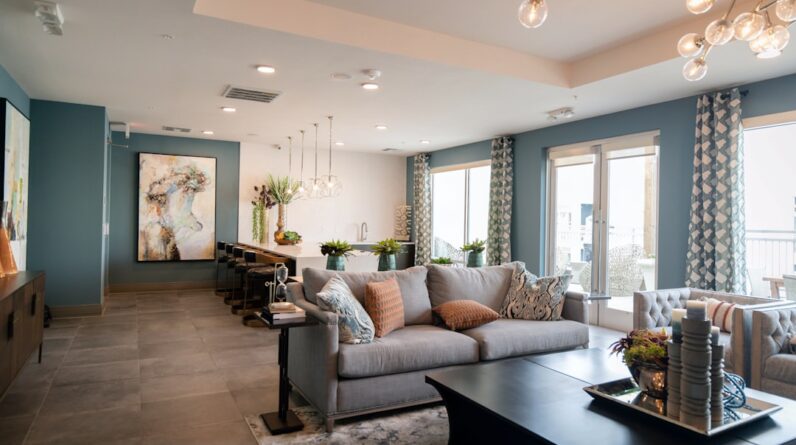
Integrating ambient lighting into your design scheme involves more than just selecting fixtures; it requires a thoughtful approach to how light interacts with your space. Start by considering the layout of your room and how light will flow throughout it. For instance, if you have an open-concept living area, strategically placing different sources of ambient light can help define distinct zones while maintaining a cohesive look.
You might use a combination of pendant lights over an island and wall sconces in the seating area to create visual interest. Another important aspect to consider is color temperature. The warmth or coolness of your ambient lighting can significantly impact the mood of your space.
Warmer tones tend to create a cozy and inviting atmosphere, making them ideal for bedrooms and living rooms. On the other hand, cooler tones can promote focus and energy, making them suitable for workspaces or kitchens. By carefully selecting both the fixtures and the color temperature of your ambient lighting, you can create a harmonious design scheme that resonates with your personal style.
Using Ambient Lighting to Create a Cozy and Inviting Atmosphere
Creating a cozy and inviting atmosphere in your home is all about how you use light to evoke feelings of warmth and comfort. Ambient lighting plays a crucial role in achieving this effect. To enhance coziness, consider using dimmable fixtures that allow you to adjust the brightness according to your mood or time of day.
Soft, warm light can transform a stark room into a welcoming haven where you can unwind after a long day. In addition to brightness levels, layering your ambient lighting with other types of lighting can further enhance the inviting atmosphere. For example, combining ambient light with accent lighting—such as strategically placed candles or decorative string lights—can create a magical ambiance during evenings.
The interplay between different light sources adds depth and dimension to your space, making it feel more dynamic and alive. By thoughtfully curating your ambient lighting choices, you can craft an environment that beckons you to relax and enjoy.
Tips for Layering Ambient Lighting with Other Types of Lighting
Layering ambient lighting with other types of lighting—such as task and accent lighting—can elevate your interior design while enhancing functionality. One effective strategy is to start with a solid foundation of ambient light before adding task and accent sources. This approach ensures that your space is well-lit overall while allowing you to focus on specific areas as needed.
For instance, in a living room, you might begin with overhead ambient lighting and then incorporate table lamps for reading or accent lights to highlight artwork. When layering lights, consider the placement and intensity of each source. Task lighting should be bright enough to facilitate activities like reading or cooking without overpowering the ambient light.
Similarly, accent lighting should be used sparingly to draw attention to particular features without creating harsh contrasts. A well-balanced combination will create an inviting atmosphere while ensuring that each area serves its intended purpose effectively.
The Importance of Ambient Lighting in Interior Design
The significance of ambient lighting in interior design cannot be overstated; it serves as the backbone of any well-designed space. Beyond mere illumination, ambient lighting influences how we perceive our surroundings and affects our mood and well-being. A well-lit room can feel more spacious and inviting, while poor lighting can make even the most beautifully decorated space feel unwelcoming.
By prioritizing ambient lighting in your design plans, you set the stage for an environment that promotes comfort and functionality. Moreover, ambient lighting plays a vital role in highlighting other design elements within your space. It can accentuate architectural features, artwork, or furniture arrangements by providing a soft backdrop that allows these elements to shine without overwhelming them.
In this way, ambient lighting acts as both a practical necessity and an artistic tool that enhances the overall aesthetic appeal of your home.
Ambient Lighting Trends and Innovations in Interior Design
As interior design continues to evolve, so too do the trends surrounding ambient lighting. One notable trend is the increasing popularity of smart lighting systems that allow homeowners to control their ambient light through mobile apps or voice commands. These systems offer unparalleled flexibility in adjusting brightness levels and color temperatures based on personal preferences or specific occasions.
Imagine being able to set the perfect mood for a dinner party with just a few taps on your smartphone! Another innovation gaining traction is the use of LED technology in ambient lighting fixtures. LEDs are not only energy-efficient but also offer a wide range of color options and dimming capabilities.
This versatility allows you to customize your ambient lighting experience like never before. Additionally, many designers are now incorporating sustainable materials into their fixture designs, reflecting a growing awareness of environmental responsibility within the industry. In conclusion, understanding and effectively utilizing ambient lighting is essential for creating beautiful and functional interior spaces.
By exploring various types of fixtures, choosing appropriate options for different rooms, layering with other light sources, and staying informed about current trends, you can transform your home into an inviting sanctuary that reflects your personal style while enhancing comfort and well-being.
FAQs
What is ambient lighting in interior design?
Ambient lighting in interior design refers to the overall illumination of a space. It provides a comfortable level of brightness without causing glare, and helps to create a warm and inviting atmosphere.
What are the different types of ambient lighting?
The different types of ambient lighting include recessed lighting, track lighting, wall sconces, and chandeliers. These fixtures are designed to provide general illumination to a room.
How is ambient lighting used in interior design?
Ambient lighting is used to create a welcoming and comfortable environment in a space. It helps to establish the overall mood and atmosphere, and can be used to highlight architectural features or specific areas within a room.
What are the benefits of using ambient lighting in interior design?
The benefits of using ambient lighting in interior design include creating a sense of warmth and comfort, enhancing the overall aesthetic of a space, and providing a functional level of illumination for everyday activities.
How can I incorporate ambient lighting into my interior design scheme?
You can incorporate ambient lighting into your interior design scheme by strategically placing fixtures throughout the space to provide even illumination. Consider using a combination of different types of fixtures to achieve the desired effect.