In today’s world, the concept of multi-generational living is becoming increasingly prevalent. As families evolve, the need for homes that accommodate various age groups has emerged as a significant consideration in architectural and interior design. Multi-generational design refers to creating spaces that cater to the needs of different generations living under one roof, whether it’s grandparents, parents, children, or even extended family members.
This approach not only fosters family bonds but also promotes a sense of community and support among relatives. When you think about multi-generational design, it’s essential to recognize the diverse needs and preferences of each age group. For instance, older adults may require features that enhance their comfort and safety, while younger family members might prioritize play areas or study spaces.
Understanding these varying requirements is crucial in creating a harmonious living environment that respects the individuality of each generation while promoting togetherness. By embracing this design philosophy, you can create a home that serves as a sanctuary for all family members, allowing them to thrive in their unique ways.
Key Takeaways
- Multi-generational design considers the needs and preferences of different age groups living together.
- Functional spaces should be created to accommodate the activities and needs of all generations in the household.
- Safety features such as non-slip flooring and grab bars should be incorporated into the design to ensure a safe environment for all ages.
- Accessibility and mobility considerations, such as wider doorways and step-free access, are essential for multi-generational homes.
- Balancing style and comfort is key to creating a space that appeals to all generations living in the home.
Creating Functional Spaces for All Ages
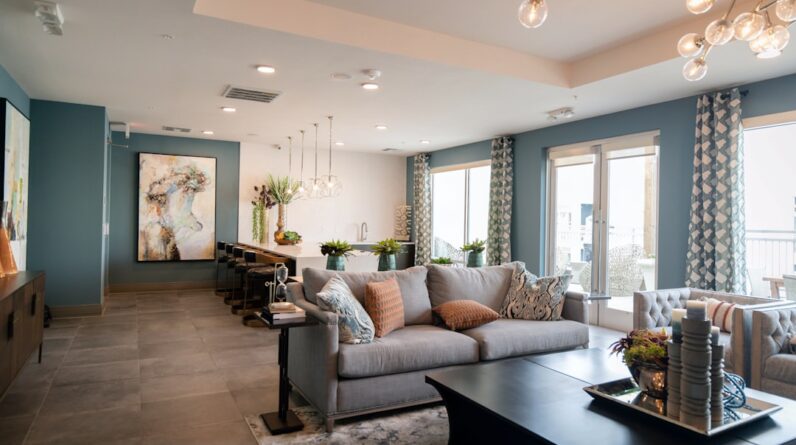
Creating functional spaces that cater to all ages involves thoughtful planning and consideration of how each area will be used. You might start by assessing the daily activities of each family member and identifying common spaces that can serve multiple purposes. For example, a living room can be designed to accommodate both relaxation and entertainment, featuring comfortable seating for adults while also providing a play area for children.
By incorporating flexible layouts and multifunctional furniture, you can ensure that the space remains adaptable to the changing needs of your family. Moreover, consider the importance of communal areas where family members can gather and interact. A well-designed kitchen can serve as the heart of the home, where everyone comes together to cook, eat, and share stories.
You might opt for an open-concept layout that encourages interaction while allowing for easy movement between spaces. Additionally, incorporating elements like a large dining table can facilitate family meals and celebrations, fostering connections across generations. By prioritizing functionality in your design, you create an environment that nurtures relationships and enhances the overall quality of life for everyone in the household.
Incorporating Safety Features in Design

Safety is a paramount concern when designing a multi-generational home. As you consider the various age groups living under one roof, it’s essential to incorporate features that minimize risks and promote well-being. For older adults, this might mean installing grab bars in bathrooms, ensuring adequate lighting throughout the home, and eliminating tripping hazards such as loose rugs or uneven flooring.
By taking these precautions, you create a safer environment that allows older family members to navigate their home with confidence. In addition to addressing the needs of older adults, it’s also important to consider the safety of younger children. You might implement childproofing measures such as securing cabinets with safety locks and using non-toxic materials in your design choices.
Furthermore, creating designated play areas that are free from sharp edges or hazardous materials can provide peace of mind for parents while allowing children to explore and play safely. By prioritizing safety features in your multi-generational design, you ensure that every family member can enjoy their home without unnecessary worry.
Designing for Accessibility and Mobility
Accessibility is a critical aspect of multi-generational design that cannot be overlooked. As you plan your space, consider how mobility challenges may affect different family members. For instance, if you have older adults or individuals with disabilities living in your home, it’s essential to create an environment that accommodates their needs.
This might involve installing ramps instead of stairs, widening doorways for wheelchair access, or ensuring that essential amenities are located on the ground floor. In addition to physical accessibility, think about how technology can enhance mobility within your home. Smart home devices can be particularly beneficial for older adults who may struggle with traditional controls.
Voice-activated systems can allow them to adjust lighting or temperature without having to move around excessively. By integrating technology into your design, you not only improve accessibility but also empower family members to maintain their independence while enjoying the comforts of home.
Balancing Style and Comfort for Different Generations
When designing a multi-generational home, striking a balance between style and comfort is essential. Each generation has its own aesthetic preferences, and finding common ground can be a rewarding challenge. You might start by selecting a neutral color palette that appeals to all ages while incorporating pops of color through accessories or artwork that reflect individual tastes.
This approach allows you to create a cohesive look while still celebrating the unique personalities of each family member. Comfort is equally important in multi-generational design. You want to ensure that every space feels inviting and accommodating for all ages.
Consider investing in quality furniture that provides both style and support, such as ergonomic chairs or plush sofas that invite relaxation. Additionally, layering textures through throws and cushions can add warmth and comfort to your spaces. By prioritizing both style and comfort, you create an environment where every generation feels at home and valued.
Utilizing Flexible Furniture and Layouts
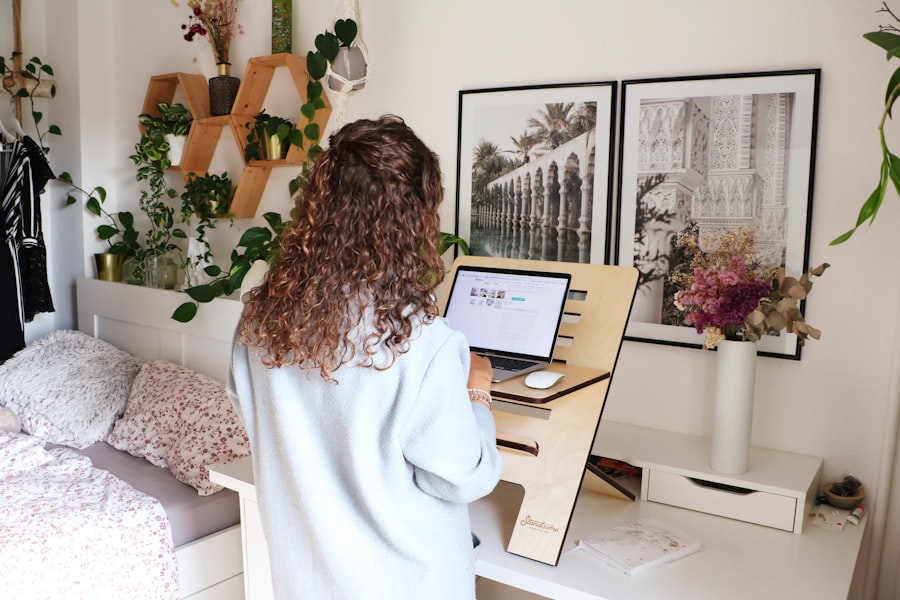
Flexibility is key when designing spaces for multiple generations. As family dynamics change over time, so too will the needs of your household. Utilizing flexible furniture and layouts allows you to adapt your space without undergoing major renovations.
For instance, modular furniture pieces can be rearranged to accommodate different activities or gatherings, making it easy to transition from a quiet evening at home to a lively family celebration. Consider incorporating furniture that serves multiple purposes as well. A sofa bed can provide extra sleeping space for guests while also functioning as a comfortable seating area during the day.
Similarly, nesting tables can be easily moved around or tucked away when not in use. By embracing flexibility in your design choices, you create an adaptable environment that can evolve alongside your family’s needs.
Incorporating Personalized Touches for Each Generation
Personalization is an essential element in multi-generational design that helps each family member feel a sense of belonging within the home. You might start by creating designated areas where individuals can showcase their interests or hobbies. For example, a reading nook filled with books from different generations can serve as a cozy retreat for all ages.
Similarly, displaying family photos or artwork created by various family members can add character and warmth to your space. Encouraging each generation to contribute their unique touches not only enhances the overall aesthetic but also fosters a sense of pride and ownership within the home. You could involve younger family members in selecting decor items or colors for their rooms while allowing older generations to share their stories through heirlooms or cherished possessions displayed throughout the house.
By incorporating personalized touches into your design, you create a space that reflects the rich tapestry of your family’s history and values.
Tips for Successful Multi-Generational Design Projects
Embarking on a multi-generational design project requires careful planning and collaboration among family members. Start by holding discussions with everyone involved to understand their needs and preferences fully. This open dialogue will help you identify common goals while ensuring that each generation feels heard and valued in the process.
As you move forward with your project, consider working with professionals who specialize in multi-generational design. Their expertise can provide valuable insights into creating functional spaces that meet diverse needs while adhering to safety standards. Additionally, don’t hesitate to explore innovative solutions such as virtual design tools that allow you to visualize different layouts before making final decisions.
Finally, remember that flexibility is key throughout the design process. Be open to adjustments as you receive feedback from family members during implementation. By fostering an inclusive atmosphere where everyone feels comfortable sharing their thoughts, you’ll create a harmonious living environment that truly reflects the essence of your multi-generational family.
In conclusion, multi-generational design is about more than just aesthetics; it’s about creating a nurturing environment where every family member can thrive together. By understanding the unique needs of different generations and incorporating thoughtful features into your design, you can build a home that fosters connection, safety, and comfort for all ages.
FAQs
What is multi-generational design in interior design?
Multi-generational design in interior design refers to creating spaces that accommodate the needs of individuals from different age groups and generations. This type of design takes into consideration the varying physical abilities, preferences, and lifestyles of people from different age groups, such as children, adults, and elderly individuals.
What are some key principles of multi-generational design?
Key principles of multi-generational design include creating flexible and adaptable spaces, incorporating universal design features that are accessible to all, providing a variety of seating options, ensuring good lighting and visibility, and incorporating safety features such as slip-resistant flooring and grab bars.
Why is multi-generational design important in interior design?
Multi-generational design is important in interior design because it promotes inclusivity and accessibility for individuals of all ages and abilities. It allows for spaces to be functional and comfortable for everyone, regardless of their age or physical capabilities, and encourages a sense of togetherness and connection within families and communities.
What are some examples of multi-generational design elements in interior design?
Examples of multi-generational design elements in interior design include open floor plans that allow for easy movement and interaction, adjustable or varied height countertops and work surfaces, wider doorways and hallways to accommodate mobility aids, and the use of non-slip materials in bathrooms and kitchens.
How can interior designers incorporate multi-generational design into their projects?
Interior designers can incorporate multi-generational design into their projects by considering the needs and preferences of individuals from different age groups, conducting thorough research on universal design principles, and collaborating with clients to create spaces that are inclusive and accessible to everyone.