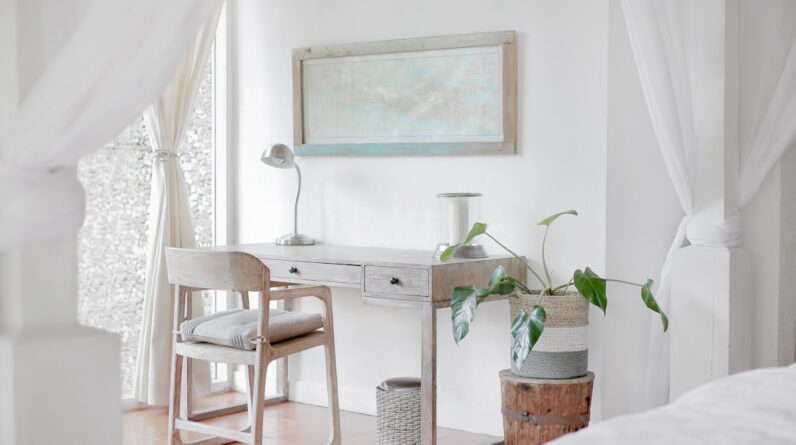
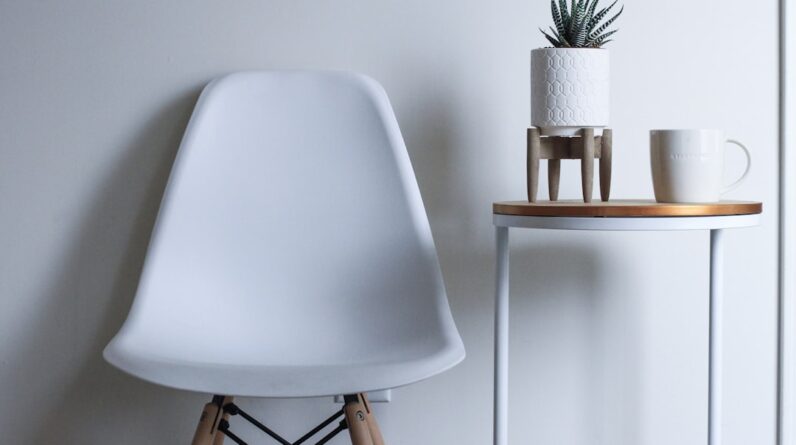
When you step into a large space, the first thing that strikes you is its sheer scale. It can be both exhilarating and daunting. Understanding the dimensions and proportions of the area is crucial for making it feel inviting rather than overwhelming.
You might find yourself standing in a vast room, wondering how to make it feel more intimate. The key lies in recognizing the scale of the space and how it interacts with the elements you choose to incorporate. To begin with, take a moment to assess the height, width, and length of the room.
Large spaces often have high ceilings, which can create an echoing effect if not addressed properly. You may want to consider how furniture and decor can help to visually lower the ceiling or create a sense of coziness. For instance, tall bookshelves or vertical art pieces can draw the eye upward, emphasizing the height while still providing a sense of structure.
By understanding the scale, you can make informed decisions that enhance the overall ambiance of the space.
Key Takeaways
- Large spaces can be overwhelming, but understanding the scale and proportion of the area is key to making it feel cohesive and inviting.
- Utilize furniture and decor to fill the space, but be mindful of clutter and ensure that each piece serves a purpose in the room.
- Creating zones and dividing the space can help to define different areas for specific functions, such as a living area, dining area, and workspace.
- Incorporating statement pieces, such as a bold piece of artwork or a unique furniture item, can add personality and visual interest to the space.
- Playing with proportions, such as mixing large and small furniture pieces, can create visual balance and prevent the space from feeling too overwhelming.
Utilizing Furniture and Decor to Fill the Space
Once you have a grasp on the scale of your large space, it’s time to think about how to fill it with furniture and decor that complements its dimensions. You might be tempted to use smaller pieces to avoid overwhelming the area, but this can often lead to a disjointed look. Instead, consider investing in larger furniture items that can anchor the room and create a cohesive design.
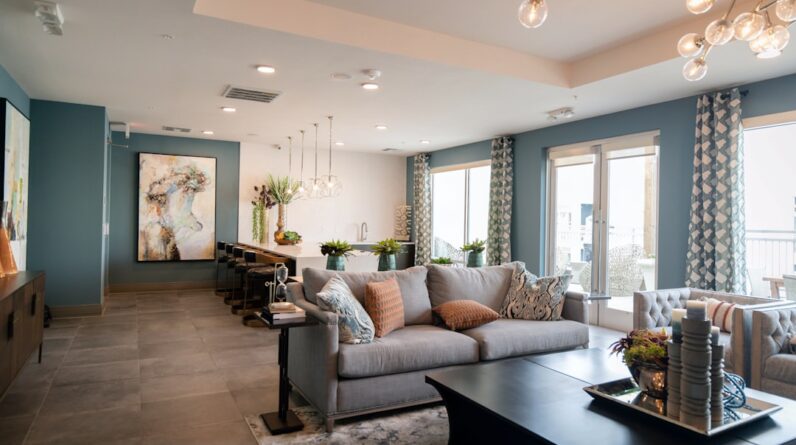
A substantial sectional sofa or a grand dining table can serve as focal points that draw people in and encourage social interaction. In addition to larger furniture, think about how decor can enhance the space. Oversized artwork or large-scale mirrors can add depth and interest while also making the room feel more complete.
You might also want to incorporate rugs that define areas within the space, helping to break up the expanse and create a more intimate atmosphere. By thoughtfully selecting furniture and decor, you can transform a cavernous room into a warm and inviting environment.
Creating Zones and Dividing the Space

In a large space, creating zones is essential for functionality and flow. You may find that simply placing furniture in a haphazard manner does little to enhance the usability of the area. Instead, consider how you can divide the space into distinct zones that serve different purposes.
For example, you could create a cozy reading nook with a comfortable chair and a small side table in one corner while designating another area for dining or entertaining. Using rugs is an effective way to delineate these zones visually. By placing a rug under your dining table or in your reading area, you establish boundaries that help define each space without erecting physical barriers.
Additionally, you might consider using furniture arrangements to guide movement through the room. A well-placed sofa can create a natural pathway while also encouraging conversation among guests. By thoughtfully creating zones, you enhance both the functionality and aesthetic appeal of your large space.
Incorporating Statement Pieces
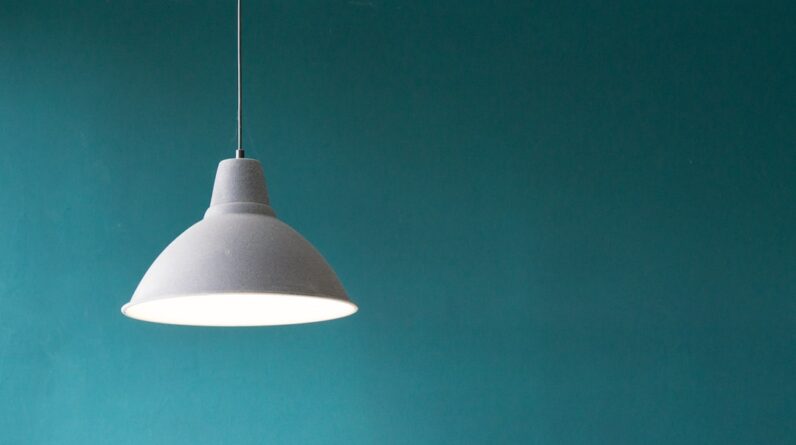
In any large room, statement pieces play a pivotal role in establishing character and style. You may want to select one or two standout items that draw attention and serve as conversation starters. This could be an eye-catching piece of art, an antique sideboard, or even a striking light fixture that hangs from the ceiling.
These elements not only add visual interest but also help anchor the design, giving your space a focal point around which other elements can revolve. When choosing statement pieces, consider how they relate to the overall theme of your space. You might opt for bold colors or unique textures that contrast with more subdued elements in the room.
For instance, if your furniture is primarily neutral, a vibrant painting or an intricately designed sculpture can add a pop of color and personality. By incorporating statement pieces thoughtfully, you create an environment that feels curated and intentional rather than random or chaotic.
Playing with Proportions
Proportions are key when designing large spaces, as they influence how each element interacts with one another. You may find that mixing different sizes of furniture and decor can create visual intrigue and balance within the room. For example, pairing a large sofa with smaller accent chairs can create a dynamic seating arrangement that feels both inviting and stylish.
Similarly, using varying heights in decor—such as tall vases alongside shorter sculptures—can add layers of interest. It’s also important to consider how proportions affect movement within the space. You might want to ensure that pathways are clear and that furniture isn’t overcrowded in one area while leaving another completely bare.
By playing with proportions thoughtfully, you can create a harmonious flow that encourages exploration and comfort throughout your large space.
Maximizing Natural Light

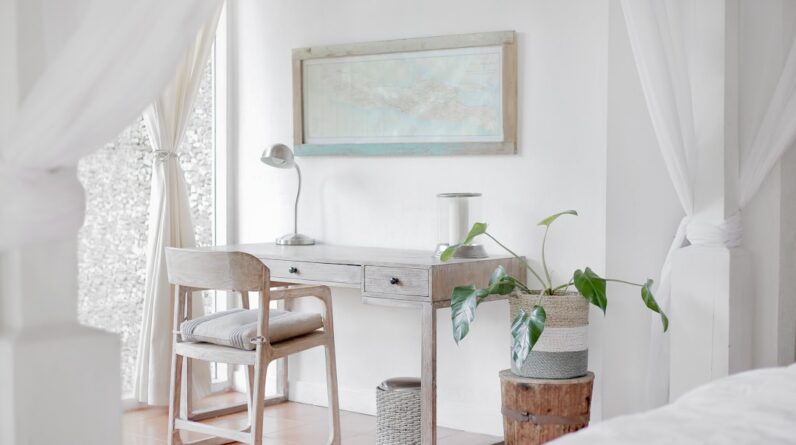
Natural light has an incredible ability to transform any space, especially larger ones where it can sometimes feel sparse or cold. You may want to take advantage of windows and openings by arranging furniture in a way that allows light to flow freely throughout the room. Avoid blocking windows with tall furniture; instead, opt for lower pieces that maintain sightlines and allow sunlight to illuminate every corner.
In addition to strategic furniture placement, consider using sheer curtains or blinds that can be easily adjusted to let in as much light as possible while still providing privacy when needed. Mirrors are another excellent tool for maximizing natural light; by placing them opposite windows, you can reflect light back into the room, making it feel brighter and more spacious. By prioritizing natural light in your design choices, you create an uplifting atmosphere that enhances both mood and functionality.
Using Color and Texture to Add Depth
Color and texture are powerful tools for adding depth and dimension to large spaces. You may find that using a monochromatic color scheme can sometimes make a room feel flat; instead, consider incorporating various shades and tones within your palette to create visual interest. For instance, layering different hues of blue or green can evoke a serene atmosphere while still providing enough contrast to keep things engaging.
Texture is equally important in creating depth; combining materials such as wood, metal, fabric, and glass can add richness to your design. You might choose plush textiles for seating areas alongside sleek surfaces like glass coffee tables or metal accents for an eclectic yet cohesive look. By thoughtfully integrating color and texture into your design scheme, you can breathe life into your large space and make it feel more inviting.
Balancing Function and Aesthetics
Ultimately, balancing function and aesthetics is crucial when designing large spaces. You may have grand ideas about how you want your room to look, but it’s essential not to overlook practicality in your choices. Consider how you will use the space on a daily basis; this will guide your decisions regarding furniture layout, storage solutions, and decor placement.
For instance, if you envision hosting gatherings in your large living area, ensure there is ample seating while also allowing for easy movement between zones. You might also want to incorporate storage solutions that blend seamlessly with your design—think stylish baskets or built-in shelving that keeps clutter at bay without sacrificing style. By striking a balance between function and aesthetics, you create a space that is not only beautiful but also livable and enjoyable for you and your guests.
In conclusion, designing large spaces requires careful consideration of scale, furniture selection, zoning, statement pieces, proportions, natural light, color, texture, and functionality. By taking these elements into account, you can transform an expansive area into a warm and inviting environment that reflects your personal style while serving its intended purpose effectively. Embrace the challenge of designing large spaces; with thoughtful planning and creativity, you can create an extraordinary setting that feels both spacious and intimate at once.
FAQs
What are some key considerations when designing large interior spaces?
When designing large interior spaces, it is important to consider the scale and proportion of furniture and decor, as well as the flow of the space. Additionally, lighting and color choices can have a significant impact on the overall feel of the space.
How can furniture layout and arrangement be optimized in a large interior space?
In large interior spaces, it is important to create distinct zones for different activities, such as seating areas, dining areas, and workspaces. Furniture should be arranged to create a sense of balance and harmony within the space, while also allowing for easy movement and circulation.
What role does lighting play in the design of large interior spaces?
Lighting is crucial in large interior spaces, as it can help to define different areas within the space and create a sense of ambiance. A combination of natural and artificial lighting can be used to highlight architectural features and create a comfortable and inviting atmosphere.
How can color and texture be used to enhance the design of large interior spaces?
Color and texture can be used to add visual interest and depth to large interior spaces. Bold colors and textures can be used to create focal points and add personality to the space, while more neutral tones can help to create a sense of cohesion and balance.
What are some tips for selecting and arranging decor in large interior spaces?
When selecting decor for large interior spaces, it is important to choose pieces that are appropriately scaled for the size of the space. Grouping decor in clusters or using larger statement pieces can help to fill the space without overwhelming it. Additionally, incorporating a variety of textures and materials can add visual interest and depth to the design.