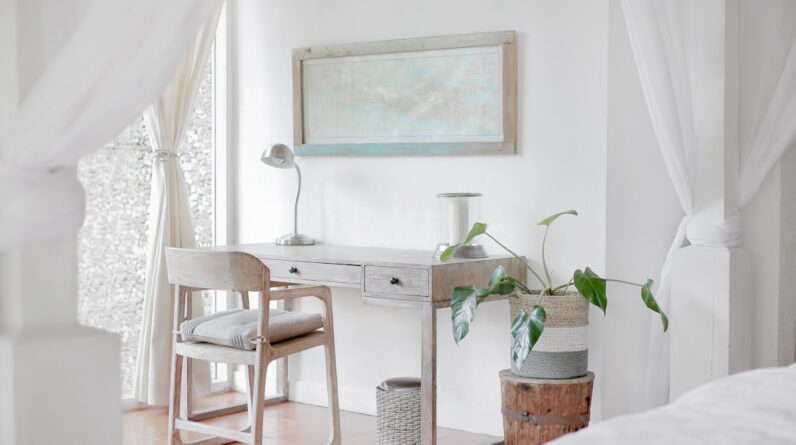
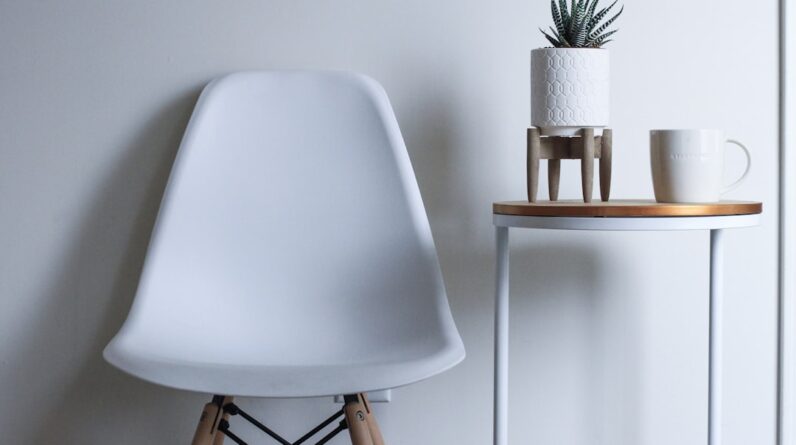
Feng Shui, an ancient Chinese practice, revolves around the belief that the arrangement of your environment can significantly influence your life. At its core, Feng Shui is about creating a harmonious balance between the energies of your surroundings and your personal energy. You may find that by understanding these principles, you can enhance not only the aesthetics of your home but also your overall well-being.
The practice emphasizes the importance of space, orientation, and the flow of energy, known as “Chi.” By aligning your living space with these principles, you can cultivate a more peaceful and productive atmosphere. As you delve deeper into Feng Shui, you will discover that it is not merely about decoration; it is a holistic approach to living. The arrangement of furniture, the choice of colors, and even the materials used in your home can all impact the energy flow.
You might begin to notice how certain spaces feel more inviting or calming than others, and this awareness can guide you in making intentional choices that promote balance and tranquility. Understanding these basics will empower you to create a living environment that resonates with your personal energy and aspirations.
Key Takeaways
- Feng Shui is the ancient Chinese practice of arranging your environment to enhance the flow of energy, or “chi.”
- The five elements of Feng Shui (wood, fire, earth, metal, and water) can be incorporated into your home to create balance and harmony.
- Creating a harmonious flow of energy in your home involves decluttering, organizing, and allowing natural light to enter your space.
- Choosing colors and materials that are in harmony with the five elements can create a balanced and peaceful environment in your home.
- Arranging furniture and decor in a way that optimizes the flow of energy can improve the overall Feng Shui of your home.
Incorporating the Five Elements of Feng Shui into Your Home
The Five Elements of Feng Shui—Wood, Fire, Earth, Metal, and Water—serve as foundational components in creating a balanced environment. Each element represents different qualities and energies that can be harnessed to enhance various aspects of your life. For instance, Wood symbolizes growth and vitality, while Fire represents passion and transformation.
By incorporating these elements into your home, you can create a dynamic interplay of energies that supports your goals and aspirations. To effectively integrate these elements, consider how they can be represented through colors, shapes, and materials. You might choose wooden furniture or plants to embody the Wood element, while candles or red accents can evoke the Fire element.
Earthy tones and ceramic decor can bring in the Earth element, while metallic finishes represent Metal. Lastly, incorporating water features or blue hues can introduce the Water element into your space. By thoughtfully selecting items that resonate with these elements, you can cultivate an environment that nurtures your spirit and enhances your daily experiences.
Creating a Harmonious Flow of Energy with Feng Shui Principles

A key principle of Feng Shui is ensuring a harmonious flow of energy throughout your home. This flow, or Chi, should move freely without obstruction to promote a sense of peace and well-being. You may want to start by assessing the layout of your space.
Are there areas where energy feels stagnant or blocked? Perhaps furniture is positioned in a way that disrupts movement or creates clutter. By rearranging these elements, you can facilitate a smoother flow of energy that enhances the overall ambiance of your home.
In addition to physical arrangements, consider the importance of decluttering. Clutter can act as a barrier to positive energy flow, creating feelings of stress and overwhelm. By taking the time to organize and simplify your space, you allow Chi to circulate freely.
You might find that as you clear away unnecessary items, you create not only a more visually appealing environment but also a sense of mental clarity and emotional calm. Embracing these principles will help you cultivate a home that feels balanced and inviting.
Choosing Colors and Materials for a Balanced and Peaceful Environment
Colors play a significant role in Feng Shui, as they can evoke specific emotions and energies. When selecting colors for your home, consider how they align with the feelings you wish to cultivate. For example, soft blues and greens can create a calming atmosphere, while vibrant reds and oranges may energize a space.
You might find it helpful to create a color palette that reflects your personal style while also promoting harmony within each room. Materials also contribute to the overall energy of your home. Natural materials such as wood, stone, and cotton can foster a sense of connection to nature and promote tranquility.
You may want to incorporate these materials into your furnishings or decor to enhance the peacefulness of your environment. Additionally, consider how textures interact with light; smooth surfaces may reflect light beautifully, while rough textures can add depth and warmth. By thoughtfully choosing colors and materials, you can create a balanced environment that nurtures both body and spirit.
Arranging Furniture and Decor to Optimize Feng Shui Energy
The arrangement of furniture is crucial in optimizing Feng Shui energy within your home. You may want to start by positioning key pieces in a way that encourages conversation and connection. For instance, placing seating areas in a circular or semi-circular formation can foster intimacy and openness among family members or guests.
Additionally, ensure that pathways are clear and unobstructed to allow for easy movement throughout the space. When arranging decor items, consider their placement in relation to the Five Elements. For example, you might display artwork that represents nature to enhance the Wood element or incorporate mirrors strategically to reflect light and energy throughout the room.
Be mindful of how each piece contributes to the overall flow of Chi; every item should serve a purpose or evoke positive feelings. By taking the time to arrange furniture and decor thoughtfully, you can create an environment that feels both inviting and energetically balanced.
Enhancing the Energy of Specific Rooms with Feng Shui Techniques

Each room in your home serves a unique purpose and can benefit from specific Feng Shui techniques tailored to its function. For instance, in the bedroom—where rest and rejuvenation are paramount—you may want to focus on creating a serene atmosphere. Consider using soft lighting, calming colors, and minimal decor to promote relaxation.
Positioning your bed in a commanding position—where you can see the door without being directly in line with it—can also enhance feelings of safety and security. In contrast, the living room is often a space for social interaction and connection. To enhance its energy, consider incorporating elements that encourage conversation and warmth.
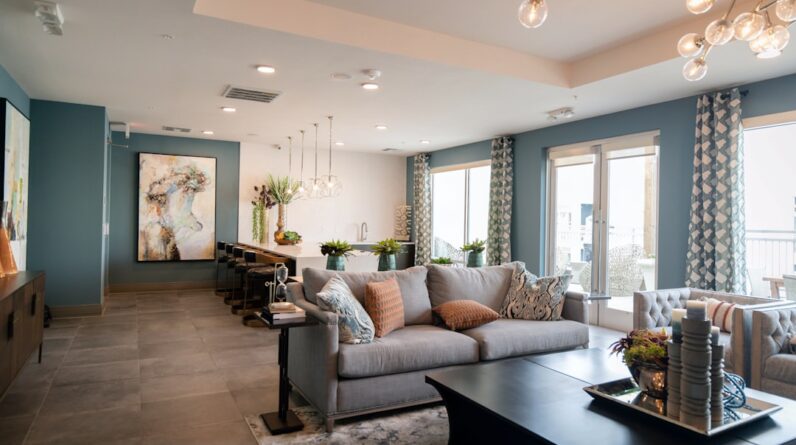
You might arrange seating to face one another or include inviting textures like plush cushions or throws. Additionally, adding plants or artwork that inspires joy can elevate the overall energy of the room. By applying these tailored techniques to each space in your home, you can create environments that support their intended functions while promoting overall harmony.
Using Feng Shui to Improve Health, Wealth, and Relationships in Your Home
Feng Shui is not just about aesthetics; it has practical applications for improving various aspects of your life, including health, wealth, and relationships. To enhance health within your home, focus on creating spaces that promote relaxation and rejuvenation. Incorporating natural light through windows or mirrors can uplift energy levels while ensuring proper ventilation helps maintain fresh air circulation.
When it comes to wealth, consider placing symbols of abundance—such as plants with rounded leaves or images representing prosperity—in areas associated with financial growth, like the southeast corner of your home. You might also want to keep this area clutter-free to allow for positive energy flow related to wealth accumulation. For nurturing relationships, create spaces that encourage connection; this could involve arranging seating in a way that fosters conversation or displaying photographs of loved ones in prominent areas.
Maintaining and Adjusting Feng Shui Practices for Long-Term Harmony
Feng Shui is an ongoing practice rather than a one-time project; maintaining its principles requires regular attention and adjustment as your life evolves. As seasons change or new circumstances arise—such as moving into a new home or experiencing shifts in personal relationships—you may need to reassess your space’s energy flow. Regularly decluttering and refreshing decor can help keep energy vibrant and aligned with your current intentions.
You might also find it beneficial to periodically revisit the Five Elements and their representation within your home. As you grow personally or professionally, certain elements may become more relevant than others. By remaining attuned to these changes and adjusting accordingly, you can ensure that your living environment continues to support your journey toward balance and fulfillment.
Embracing this dynamic approach will help you cultivate long-term harmony within your home through the principles of Feng Shui.
FAQs
What is Feng Shui in interior design?
Feng Shui is a Chinese practice that involves arranging the elements of a space to create a harmonious environment that promotes positive energy flow and balance. In interior design, Feng Shui principles are used to create a space that is both aesthetically pleasing and supportive of the well-being of the occupants.
What are the key principles of Feng Shui in interior design?
Some key principles of Feng Shui in interior design include the use of natural light, the arrangement of furniture to promote the flow of energy, the incorporation of natural elements such as plants and water, and the use of color and materials to create a balanced and harmonious space.
How can Feng Shui be applied to interior design?
Feng Shui can be applied to interior design by carefully considering the layout, furniture placement, color scheme, and overall atmosphere of a space. By following Feng Shui principles, designers can create a space that feels balanced, inviting, and supportive of the well-being of the occupants.
What are the benefits of incorporating Feng Shui into interior design?
Incorporating Feng Shui into interior design can lead to a space that feels more harmonious, balanced, and supportive of the well-being of the occupants. It can also create a more aesthetically pleasing environment and promote a sense of calm and relaxation.
Are there specific guidelines for using Feng Shui in interior design?
While there are general principles of Feng Shui that can be applied to interior design, the specific guidelines may vary depending on the individual needs and preferences of the occupants. It is important to consider the unique characteristics of each space and the people who will be using it when applying Feng Shui principles to interior design.