When it comes to designing spaces for children, the task is both exciting and challenging. You are not just creating a room; you are crafting an environment that nurtures creativity, comfort, and growth. Children’s interior design goes beyond aesthetics; it encompasses functionality, safety, and the unique needs of young inhabitants.
As you embark on this journey, you will discover that a well-designed children’s space can significantly impact their development, mood, and overall well-being. In this realm of design, you have the opportunity to blend imagination with practicality. Children thrive in environments that stimulate their senses and encourage exploration.
Therefore, your approach should be thoughtful and intentional, considering how each element contributes to a child’s experience. From vibrant colors to playful furniture, every choice you make can foster a sense of belonging and inspire creativity. As you delve deeper into the nuances of children’s interior design, you will uncover essential considerations that will guide your decisions and help you create spaces that resonate with the young ones who inhabit them.
Key Takeaways
- Children’s interior design focuses on creating spaces that are functional, safe, and stimulating for kids.
- When designing children’s spaces, it’s important to consider their age, interests, and activities to create a space that grows with them.
- Choosing the right color palette for children’s rooms involves considering the psychological effects of colors and incorporating a mix of calming and stimulating hues.
- Functional and safe furniture for children’s rooms should prioritize durability, storage, and safety features to accommodate their activities and growth.
- Incorporating play and learning areas in children’s spaces encourages creativity, imagination, and cognitive development.
Key Considerations for Designing Children’s Spaces
As you begin to design a child’s space, several key considerations will shape your approach. First and foremost, think about the age and developmental stage of the child. A toddler’s needs differ vastly from those of a pre-teen or teenager.
For younger children, safety is paramount; sharp edges, choking hazards, and toxic materials must be avoided at all costs. You will want to select furniture and decor that are age-appropriate and designed with their safety in mind. Another important factor is the flexibility of the space.
Children grow quickly, and their interests can change just as fast. You might consider designing a room that can evolve with them. This could mean choosing modular furniture that can be rearranged or repurposed as they grow older.
Additionally, incorporating elements that allow for personalization—like removable wall decals or interchangeable bedding—can help children feel a sense of ownership over their space while accommodating their changing tastes.
Choosing the Right Color Palette for Children’s Rooms
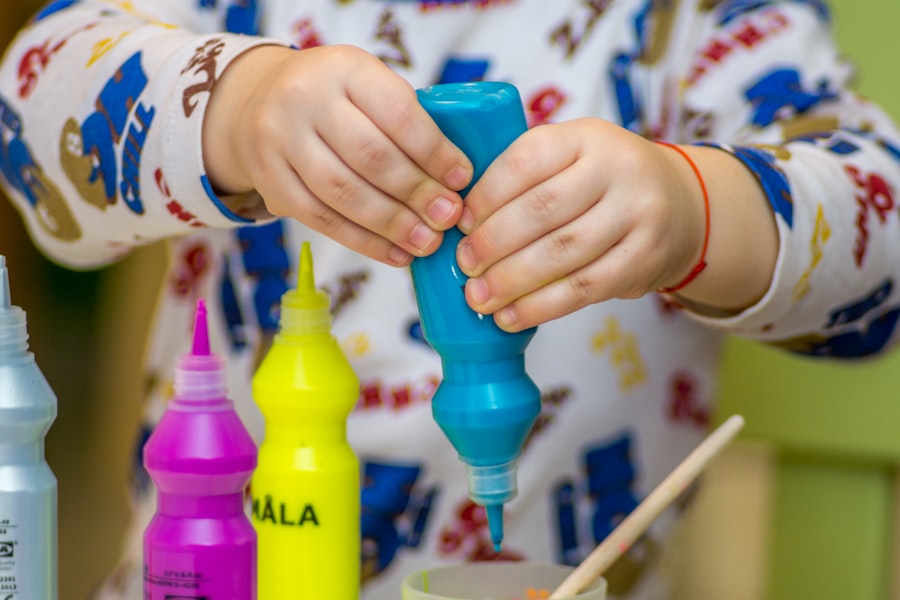
Color plays a crucial role in setting the mood of any room, and children’s spaces are no exception. When selecting a color palette for a child’s room, consider how different hues can influence emotions and behaviors. Bright colors like yellows and oranges can evoke feelings of happiness and energy, making them ideal for play areas.
On the other hand, softer shades like pastels can create a calming atmosphere conducive to rest and relaxation. You might also think about incorporating a mix of colors to create visual interest without overwhelming the senses. A balanced approach could involve using bold colors as accents while keeping larger surfaces—like walls and furniture—neutral.
This way, you can easily update the room’s look with new accessories or artwork as your child’s preferences evolve. Remember that color is not just about aesthetics; it can also serve as a tool for learning. For instance, using different colors to designate specific areas within the room can help children understand spatial relationships and organization.
Functional and Safe Furniture for Children’s Rooms
When it comes to furniture selection for children’s rooms, functionality and safety should be at the forefront of your mind. You want to choose pieces that not only fit the space but also serve multiple purposes. For example, a bed with built-in storage can help keep toys and clothes organized while maximizing floor space for play.
Additionally, consider furniture that can grow with your child—like adjustable desks or convertible cribs that transform into toddler beds. Safety features are equally important in your selection process. Look for furniture made from non-toxic materials and finishes, ensuring that they are free from harmful chemicals.
Rounded edges on tables and chairs can help prevent injuries during playtime. Furthermore, securing heavy furniture to walls can prevent tipping accidents, providing peace of mind as your child explores their environment. By prioritizing both functionality and safety, you create a space where children can thrive without unnecessary risks.
Incorporating Play and Learning Areas in Children’s Spaces
A well-designed children’s room should seamlessly integrate areas for both play and learning. As you plan the layout, think about how to create distinct zones that cater to different activities while maintaining an open flow. For instance, you might designate one corner of the room as a reading nook with comfortable seating and shelves filled with books, while another area could be set up for arts and crafts with a sturdy table and storage for supplies.
Incorporating elements that encourage imaginative play is also essential. Consider adding a small stage for performances or a chalkboard wall for creative expression. These features not only provide entertainment but also foster cognitive development through imaginative play and hands-on learning experiences.
By thoughtfully designing spaces that cater to both play and education, you empower children to explore their interests while developing essential skills.
Personalizing Children’s Rooms with Decor and Accessories

Reflecting Their Personality and Interests
Personalization is essential in making a child’s room feel like their own haven. The goal is to create an environment that mirrors their personality and interests while maintaining functionality. One effective way to achieve this is by incorporating decor and accessories that resonate with their passions, whether it’s animals, space exploration, or beloved characters from books or movies.
Personalized Decor and Accessories
Wall art is an excellent way to add a personal touch to the room. Consider allowing your child to select prints or even create their own artwork to display. Themed bedding or curtains can also tie the room together while showcasing their unique style.
Temporary and Adaptable Solutions
Remember, personalization doesn’t have to be permanent. Using removable decals or interchangeable accessories allows for easy updates as your child’s tastes evolve over time. This approach ensures that their room remains a reflection of their personality and interests as they grow and change.
Creating Storage Solutions for Children’s Clutter
Children are naturally curious and often accumulate toys, books, and art supplies at an astonishing rate. As you design their space, effective storage solutions will be essential in managing clutter while keeping the room organized and inviting. Start by assessing what items need storage; this will help you determine the types of solutions that will work best.
Consider using multi-functional furniture with built-in storage options—like ottomans that open up or beds with drawers underneath—to maximize space efficiency. Open shelving can also be beneficial; it allows children to see their belongings easily while encouraging them to take responsibility for tidying up. Labeling bins or baskets can further assist in organization by helping children understand where things belong.
By implementing thoughtful storage solutions, you create an environment where children can learn to manage their belongings while enjoying a tidy space.
Tips for Designing Teenager’s Bedrooms
As children transition into their teenage years, their needs and preferences shift dramatically. Designing a teenager’s bedroom requires a different approach than when they were younger; it’s essential to give them a sense of autonomy while still providing guidance in creating a functional space. Start by involving them in the design process—ask about their favorite colors, styles, and any specific features they envision for their room.
Flexibility remains crucial during this stage of life as teenagers often require spaces that accommodate various activities—studying, socializing, or simply relaxing. Consider incorporating a desk area that promotes productivity alongside comfortable seating for hanging out with friends. Additionally, think about creating zones within the room that cater to different activities while maintaining an overall cohesive design.
In conclusion, designing spaces for children is an enriching experience that requires careful consideration of various factors—from safety and functionality to personalization and organization. By understanding the unique needs of children at different stages of development, you can create environments that foster creativity, learning, and growth while ensuring they feel comfortable and secure in their surroundings. Whether you’re designing a nursery for a newborn or a bedroom for a teenager, each choice you make contributes to shaping their experiences and memories within those walls.
FAQs
What is interior design for children’s spaces?
Interior design for children’s spaces is the process of creating a functional and aesthetically pleasing environment for children to live, play, and learn in. It involves designing spaces that are safe, stimulating, and age-appropriate.
What are the key considerations in designing children’s spaces?
Key considerations in designing children’s spaces include safety, functionality, durability, and the promotion of creativity and imagination. Designers also take into account the developmental needs and preferences of children at different ages.
What are some popular themes for children’s spaces?
Popular themes for children’s spaces include nature-inspired designs, fantasy and adventure themes, and gender-neutral or personalized themes. These themes can be incorporated through color schemes, furniture, and decor choices.
How can interior design promote learning and development in children’s spaces?
Interior design can promote learning and development in children’s spaces by incorporating educational elements such as interactive learning areas, age-appropriate toys and books, and creative play spaces. Designers also consider the use of colors, textures, and patterns to stimulate cognitive and sensory development.
What are some important safety considerations in children’s space design?
Important safety considerations in children’s space design include the use of non-toxic materials, secure furniture and fixtures, childproofing measures, and adequate supervision of play areas. Designers also consider the layout and accessibility of spaces to minimize potential hazards.