As you navigate the complexities of designing spaces for an aging population, it becomes essential to grasp the unique needs and challenges faced by older adults. This demographic often experiences a decline in mobility, vision, and cognitive function, which can significantly impact their daily lives. By understanding these factors, you can create environments that not only accommodate but also empower seniors to maintain their independence and quality of life.
Engaging with older adults directly can provide invaluable insights into their preferences and requirements, allowing you to tailor your designs to meet their specific needs. Moreover, it’s crucial to recognize that aging is not a one-size-fits-all experience. Each individual has different health conditions, lifestyles, and personal preferences that influence how they interact with their environment.
For instance, some may require mobility aids like walkers or wheelchairs, while others might need assistance with daily tasks due to cognitive decline. By conducting thorough assessments and gathering feedback from seniors, you can develop a nuanced understanding of their needs, ensuring that your designs are both functional and supportive.
Key Takeaways
- Understanding the needs of an aging population is crucial for designing spaces that cater to their specific requirements.
- Incorporating universal design principles ensures that spaces are accessible and functional for people of all ages and abilities.
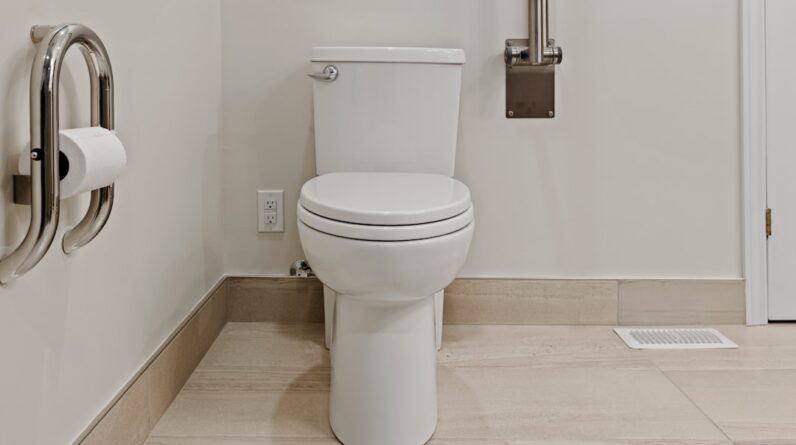
- Creating a safe and accessible environment involves implementing features such as grab bars, non-slip flooring, and wide doorways.
- Utilizing smart home technology can enhance the safety and convenience of living spaces for older adults.
- Designing for comfort and functionality involves considering factors such as ease of movement, storage, and ergonomic furniture.
Incorporating Universal Design Principles
Enhancing Usability for All
By prioritizing universal design, you can foster a sense of community and belonging among residents. Key elements of universal design include features such as wide doorways, lever-style door handles, and non-slip flooring. These elements not only facilitate ease of movement for seniors but also enhance safety and comfort for everyone.
Accommodating Diverse Needs
Additionally, incorporating adjustable furniture and fixtures can accommodate varying heights and preferences, making spaces more user-friendly. By embracing universal design principles, you can create environments that promote independence and dignity for older adults while also appealing to a broader audience.
Creating Inclusive Environments
Universal design principles can help create spaces that are not only accessible but also promote a sense of community and belonging. By incorporating these principles into your projects, you can create environments that are usable, safe, and comfortable for everyone, regardless of age or ability.
Creating a Safe and Accessible Environment

Safety is paramount when designing spaces for an aging population. You must consider potential hazards that could lead to falls or injuries, which are common concerns among older adults. Simple modifications can significantly enhance safety, such as installing grab bars in bathrooms, ensuring adequate lighting in hallways, and eliminating tripping hazards like loose rugs or uneven flooring.
By proactively addressing these issues, you can create an environment where seniors feel secure and confident in their surroundings. Accessibility is another critical aspect of creating a safe environment. This involves not only physical access but also ensuring that essential services and amenities are within reach.
For instance, placing frequently used items within easy reach can reduce the need for stretching or bending, which may pose risks for seniors. Additionally, consider the layout of spaces; open floor plans can facilitate easier navigation and reduce confusion. By prioritizing safety and accessibility in your designs, you can help older adults maintain their independence while minimizing the risk of accidents.
Utilizing Smart Home Technology
The integration of smart home technology into your designs can revolutionize the way older adults interact with their living spaces. These technologies offer innovative solutions that enhance convenience, safety, and overall quality of life. For instance, smart lighting systems can be programmed to adjust automatically based on the time of day or occupancy, ensuring that seniors always have adequate illumination without the need for manual adjustments.
Similarly, smart thermostats can help maintain comfortable temperatures while optimizing energy efficiency. Moreover, smart home technology can play a crucial role in health monitoring and emergency response. Devices such as wearable health trackers can provide valuable data on vital signs and activity levels, allowing caregivers to stay informed about their loved ones’ well-being.
Additionally, smart home security systems equipped with cameras and motion sensors can provide peace of mind for both seniors and their families. By embracing these technological advancements, you can create environments that not only cater to the needs of older adults but also promote a sense of security and connectedness.
Designing for Comfort and Functionality
When designing spaces for an aging population, comfort and functionality should be at the forefront of your considerations. Older adults often spend more time at home due to mobility limitations or health concerns, making it essential to create environments that are both inviting and practical. Thoughtful design choices can significantly enhance comfort; for example, selecting ergonomic furniture that provides adequate support can alleviate discomfort during prolonged sitting or standing.
Functionality is equally important in ensuring that spaces meet the daily needs of older adults. This includes designing kitchens with accessible countertops and appliances that are easy to use. Incorporating features such as pull-out shelves or lazy Susans can make it easier for seniors to access items without straining themselves.
Additionally, consider the flow of movement within spaces; open layouts that minimize obstacles can enhance usability and promote a sense of freedom. By prioritizing comfort and functionality in your designs, you can create environments that foster well-being and independence.
Incorporating Aging-in-Place Features
Aging-in-place is a concept that emphasizes enabling older adults to live comfortably in their own homes as they age. Incorporating aging-in-place features into your designs is essential for promoting long-term independence and quality of life. This approach involves anticipating the future needs of seniors and integrating elements that allow them to adapt their living spaces as their circumstances change.
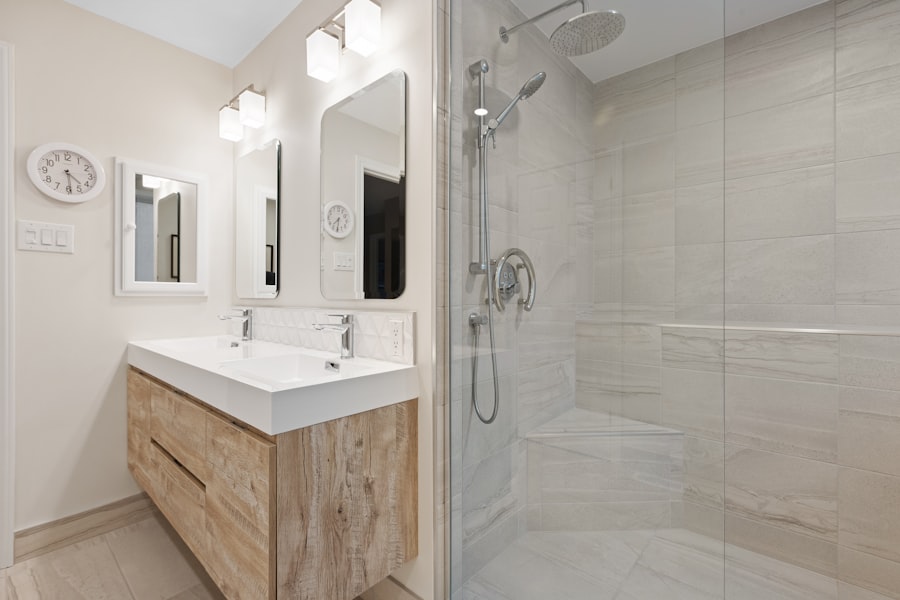
For instance, installing a walk-in shower instead of a traditional bathtub can accommodate mobility challenges while providing a safe bathing experience. Additionally, consider features that facilitate easy modifications in the future. For example, pre-wiring homes for grab bars or installing reinforced walls in bathrooms can make it easier to add support features later on without extensive renovations.
By thinking ahead and incorporating aging-in-place features into your designs, you empower older adults to remain in their homes longer while maintaining their autonomy.
Maximizing Natural Light and Airflow
Natural light and airflow are vital components of any well-designed space, particularly for older adults who may spend more time indoors. Maximizing these elements not only enhances the aesthetic appeal of a home but also contributes to overall well-being. Exposure to natural light has been shown to improve mood and regulate circadian rhythms, which is especially important for seniors who may experience sleep disturbances.
Consider incorporating large windows or skylights to flood interiors with sunlight while providing beautiful views of the outdoors. Airflow is equally important in creating a comfortable living environment. Proper ventilation helps maintain indoor air quality and regulates temperature, which is crucial for older adults who may be more sensitive to heat or cold.
Designing spaces with strategically placed windows or incorporating ceiling fans can promote airflow throughout the home. By prioritizing natural light and airflow in your designs, you create inviting spaces that enhance both physical comfort and emotional well-being.
Choosing Low-maintenance and Durable Materials
When designing for an aging population, selecting low-maintenance and durable materials is essential for ensuring long-term satisfaction with living spaces. Older adults may have limited energy or mobility to perform regular upkeep tasks, making it crucial to choose materials that require minimal maintenance while still offering aesthetic appeal. For instance, opting for vinyl flooring instead of hardwood can provide a stylish look without the need for frequent refinishing or polishing.
Durability is another key consideration when selecting materials for aging populations. High-quality materials that withstand wear and tear will not only save money on replacements but also contribute to a sense of stability in the home environment. Consider using stain-resistant fabrics for upholstery or choosing countertops made from resilient materials like quartz or granite.
By prioritizing low-maintenance and durable materials in your designs, you create spaces that are not only beautiful but also practical for older adults seeking comfort and ease in their daily lives. In conclusion, designing spaces for an aging population requires a thoughtful approach that considers their unique needs and preferences. By understanding these factors and incorporating universal design principles, safety features, smart technology, comfort elements, aging-in-place considerations, natural light optimization, and durable materials into your projects, you can create environments that empower older adults to live independently while enjoying a high quality of life.
Your efforts will not only enhance their living experience but also contribute positively to their overall well-being as they navigate the challenges of aging.
FAQs
What are the key design principles for creating a contemporary home for an aging population?
The key design principles for creating a contemporary home for an aging population include incorporating universal design features, prioritizing safety and accessibility, maximizing natural light, and creating a comfortable and low-maintenance living environment.
What is universal design and how does it apply to creating a contemporary home for an aging population?
Universal design is the concept of creating products and environments that are accessible and usable by people of all ages and abilities. In the context of creating a contemporary home for an aging population, universal design principles ensure that the home is safe, comfortable, and convenient for older adults to live in.
How can safety and accessibility be prioritized in the design of a contemporary home for an aging population?
Safety and accessibility can be prioritized in the design of a contemporary home for an aging population by incorporating features such as grab bars in bathrooms, non-slip flooring, wider doorways and hallways, lever-style door handles, and zero-step entries to minimize the risk of falls and make it easier for older adults to move around the home.
Why is maximizing natural light important in the design of a contemporary home for an aging population?
Maximizing natural light in the design of a contemporary home for an aging population is important because it can improve visibility, mood, and overall well-being for older adults. Natural light also helps to create a more open and inviting living environment.
How can a contemporary home for an aging population be designed to be comfortable and low-maintenance?
A contemporary home for an aging population can be designed to be comfortable and low-maintenance by using durable and easy-to-clean materials, incorporating features such as walk-in showers and adjustable countertops, and minimizing the need for frequent maintenance and upkeep.