When you think about your living space, what feelings does it evoke? Mindful interiors are designed to create an environment that promotes awareness and presence, allowing you to connect deeply with your surroundings. This concept goes beyond mere aesthetics; it encompasses the emotional and psychological impact of your space.
By being intentional about the colors, textures, and layouts in your home, you can cultivate a sanctuary that nurtures your well-being. Mindful interiors encourage you to reflect on how each element in your space contributes to your overall mood and state of mind. To truly understand mindful interiors, you must first recognize the importance of intention.
Every choice you make, from the furniture you select to the artwork you display, should resonate with your personal values and lifestyle. This means considering not just what looks good, but also what feels good. By prioritizing comfort and functionality alongside beauty, you create a harmonious environment that supports your daily activities and emotional needs.
In this way, mindful interiors become a reflection of who you are, fostering a sense of belonging and peace within your home.
Key Takeaways
- Mindful interiors focus on creating spaces that promote awareness, intentionality, and a sense of calm and tranquility.
- Natural elements such as plants, natural light, and organic materials are incorporated to bring the outdoors in and create a connection with nature.
- Sustainable and eco-friendly materials are utilized to reduce environmental impact and promote a healthier living environment.
- Embracing minimalism and decluttering helps create a sense of spaciousness and simplicity, reducing stress and promoting mental clarity.
- Balancing functionality and aesthetics ensures that the space not only looks good but also serves a practical purpose, promoting well-being and mental health.
Creating a Calm and Tranquil Space
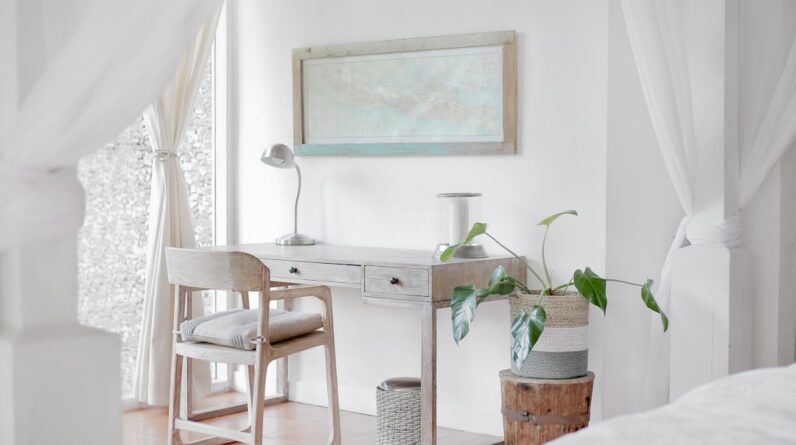
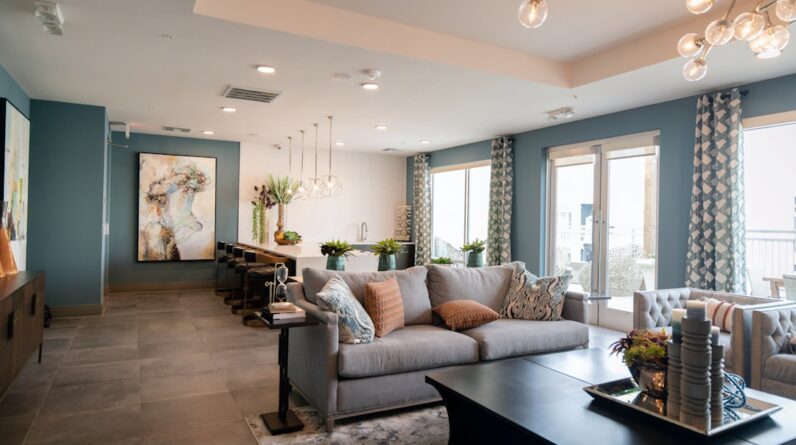
Creating a calm and tranquil space is essential for fostering relaxation and reducing stress in your life. You can start by choosing a color palette that promotes serenity. Soft hues like blues, greens, and neutrals can evoke feelings of calmness and tranquility.
When you walk into a room painted in these soothing colors, you may find that your mind begins to unwind almost immediately. Additionally, consider the lighting in your space; natural light is ideal for creating an inviting atmosphere, while soft, warm artificial lighting can help to maintain that peaceful vibe during the evening hours. Another key aspect of tranquility is the arrangement of furniture and decor.
You might want to create open spaces that allow for easy movement and flow throughout the room. Clutter can be overwhelming, so consider how you can arrange your furniture to promote a sense of openness. Incorporating cozy seating areas where you can relax with a book or meditate can also enhance the tranquil atmosphere.
By thoughtfully curating your space, you can create an environment that invites calmness and encourages mindfulness in your daily life.
Incorporating Natural Elements

Incorporating natural elements into your interior design can significantly enhance the overall ambiance of your space. Nature has a unique ability to ground us and provide a sense of peace, so bringing the outdoors inside can be incredibly beneficial for your well-being. You might consider adding houseplants, which not only purify the air but also add a vibrant touch of life to your home.
The act of caring for plants can also be therapeutic, allowing you to connect with nature on a deeper level. Beyond plants, think about integrating natural materials into your decor. Wood, stone, and textiles made from organic fibers can create a warm and inviting atmosphere.
You could choose wooden furniture pieces that showcase their natural grain or incorporate stone accents in your kitchen or bathroom. These elements not only add visual interest but also foster a sense of connection to the earth. By surrounding yourself with natural materials, you create a space that feels more alive and harmonious, promoting a sense of well-being.
Utilizing Sustainable and Eco-Friendly Materials
As you design your mindful interiors, consider the impact of the materials you choose on both your health and the environment. Utilizing sustainable and eco-friendly materials is an essential step toward creating a space that aligns with your values. Look for furniture made from reclaimed wood or certified sustainable sources, as these options minimize environmental impact while providing unique character to your home.
Additionally, consider textiles made from organic cotton or linen, which are not only better for the planet but also free from harmful chemicals. Incorporating eco-friendly materials extends beyond furniture; it also includes paint, flooring, and decor items. Opting for low-VOC (volatile organic compounds) paints can improve indoor air quality while still allowing you to express your personal style through color.
When selecting flooring, consider bamboo or cork options that are renewable and sustainable. By making conscious choices about the materials in your home, you contribute to a healthier environment for yourself and future generations while creating a mindful interior that reflects your commitment to sustainability.
Embracing Minimalism and Decluttering
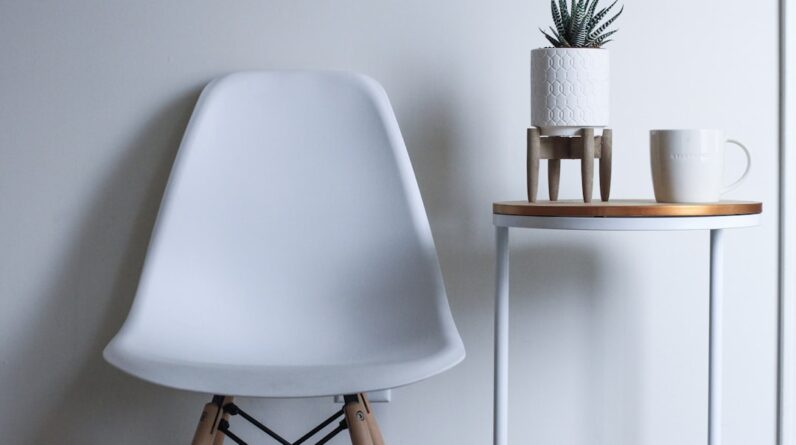
Embracing minimalism is a powerful way to cultivate mindful interiors that promote clarity and focus. In a world filled with distractions, simplifying your space can help you regain control over your environment and mental state. Start by evaluating the items in your home; ask yourself which possessions truly bring you joy or serve a purpose in your life.
By letting go of excess belongings, you create room for what matters most, allowing your space to breathe and feel more open. Decluttering is not just about removing physical items; it’s also about creating mental clarity. A cluttered space can lead to a cluttered mind, making it difficult to concentrate or relax.
As you declutter, consider implementing organizational systems that work for you—whether it’s using baskets for storage or creating designated spaces for specific items. This intentional approach not only enhances the aesthetics of your home but also fosters a sense of peace and order that supports mindfulness in your daily routine.
Balancing Functionality and Aesthetics

Finding the right balance between functionality and aesthetics is crucial when designing mindful interiors. While it’s important for your space to look beautiful, it should also serve its intended purpose effectively. Consider how each room in your home will be used and what features are necessary to support those activities.
For example, in a kitchen, ample counter space and efficient storage solutions are essential for cooking and meal prep, while an inviting dining area encourages family gatherings. You might also explore multifunctional furniture options that maximize space without sacrificing style. A stylish coffee table with hidden storage or a sofa bed for guests can enhance both functionality and aesthetics in smaller living areas.
By thoughtfully considering how each element serves both form and function, you create an environment that is not only visually appealing but also practical for everyday living.
Fostering a Connection with the Space
Fostering a connection with your living space is an integral part of creating mindful interiors. Your home should feel like an extension of yourself—a place where you can express your personality and values. One way to achieve this is by incorporating personal touches throughout your decor.
Displaying cherished photographs or meaningful artwork can evoke fond memories and create a sense of belonging within your space. Additionally, consider how you interact with your environment on a daily basis. Are there areas where you feel particularly drawn or at ease?
Pay attention to these spaces and think about how you can enhance them further. Perhaps adding comfortable seating or soft textiles will encourage you to spend more time there. By nurturing this connection with your home, you cultivate an atmosphere that feels welcoming and supportive, allowing you to thrive in your surroundings.
Promoting Well-Being and Mental Health
Ultimately, the goal of mindful interiors is to promote well-being and mental health in your life. Your living space has a profound impact on how you feel day-to-day; therefore, creating an environment that supports positivity and mindfulness is essential. Consider incorporating areas dedicated to self-care—whether it’s a cozy reading nook filled with books or a meditation corner adorned with calming elements like candles or crystals.
Moreover, think about how the layout of your home influences social interactions and personal time. Spaces that encourage connection with family or friends can enhance feelings of belonging and support mental health. Conversely, having quiet areas where you can retreat for solitude is equally important for recharging your energy.
By intentionally designing spaces that cater to both socialization and introspection, you create a balanced environment that nurtures all aspects of well-being. In conclusion, mindful interiors are about more than just aesthetics; they encompass intention, connection, and well-being. By understanding the principles behind mindful design—such as creating calm spaces, incorporating natural elements, utilizing sustainable materials, embracing minimalism, balancing functionality with beauty, fostering connections with your environment, and promoting mental health—you can transform your home into a sanctuary that supports your overall quality of life.
As you embark on this journey toward mindful living, remember that every choice you make contributes to the atmosphere of peace and presence within your space.
FAQs
What is interior design?
Interior design is the art and science of enhancing the interior of a space to achieve a healthier and more aesthetically pleasing environment for the people using the space.
What are mindful interiors?
Mindful interiors refer to the practice of creating interior spaces that are designed with a focus on promoting well-being, mindfulness, and sustainability. This approach involves considering the impact of design choices on the environment and the people who will inhabit the space.
What are the key principles of mindful interiors?
Key principles of mindful interiors include using sustainable and eco-friendly materials, incorporating natural elements, maximizing natural light, promoting good indoor air quality, and creating spaces that support mental and emotional well-being.
How can mindful interiors benefit individuals and the environment?
Mindful interiors can benefit individuals by creating spaces that promote relaxation, reduce stress, and enhance overall well-being. Additionally, they can benefit the environment by using sustainable materials, reducing energy consumption, and minimizing waste.
What are some examples of mindful interior design elements?
Examples of mindful interior design elements include using non-toxic and sustainable materials, incorporating biophilic design (bringing nature indoors), utilizing energy-efficient lighting and appliances, and creating spaces that encourage mindfulness and relaxation.