


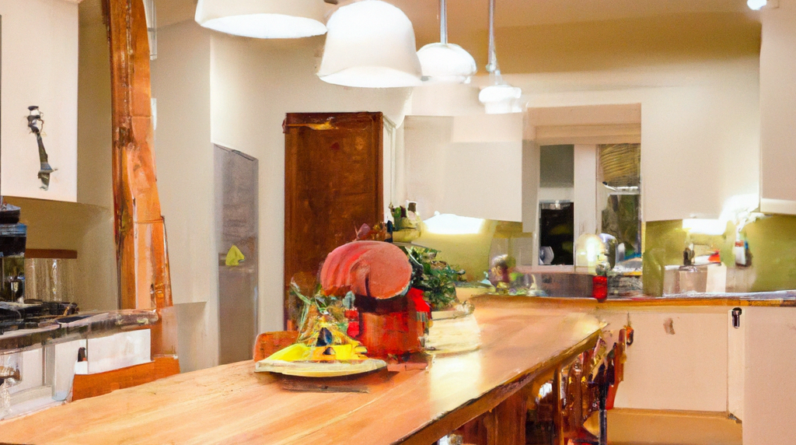
Are you looking to transform your space into a beautiful and functional haven? Look no further than the Interior Design Service Salt Lake City Utah. With a team of highly skilled and friendly professionals, we offer top-notch interior design solutions tailored to your unique style and needs. From selecting the perfect color palette to optimizing the layout of your space, our experts are here to bring your vision to life. Get ready to rediscover the potential of your home with the Interior Design Service Salt Lake City Utah.
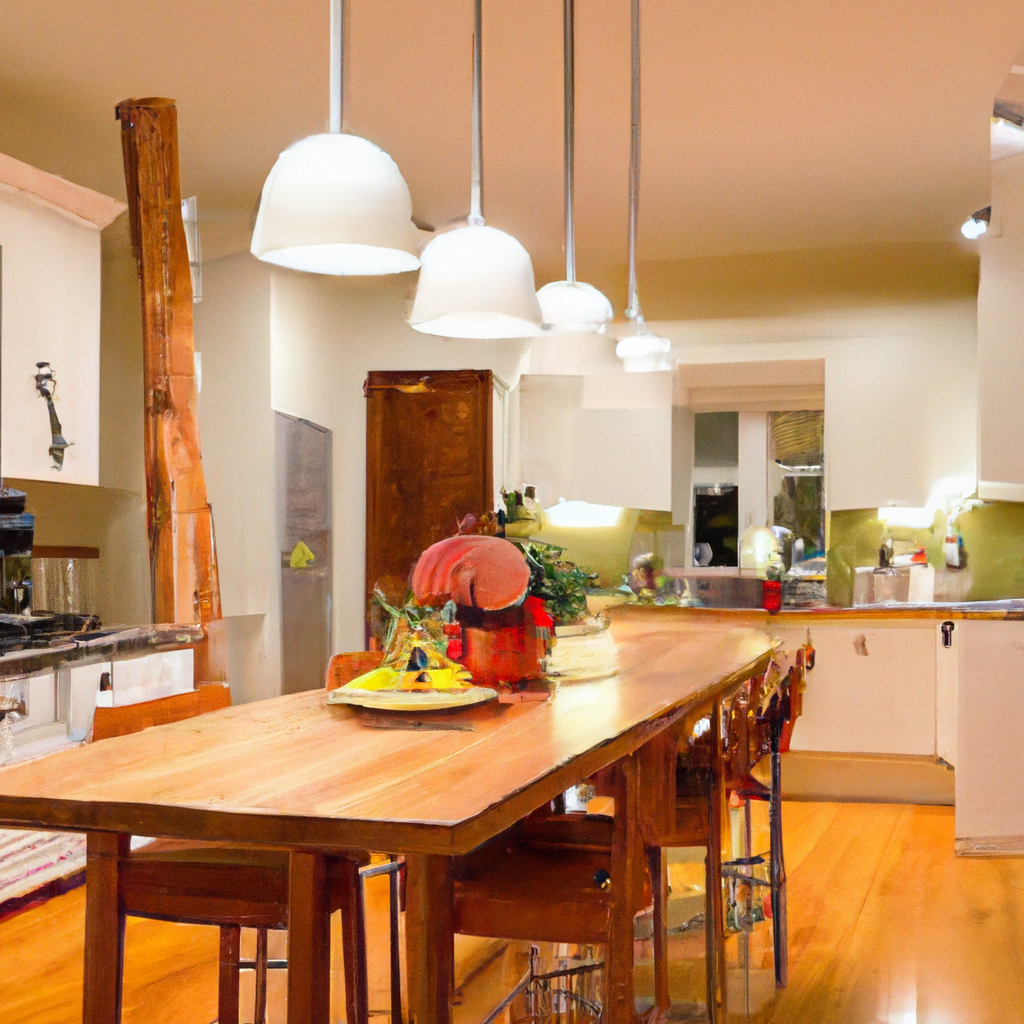
About Interior Design
Definition of Interior Design
Interior design is the art and science of enhancing the interior of a space to create a visually appealing and functional environment. It involves the careful selection and arrangement of furniture, colors, and decor to transform a room or building into a comfortable and aesthetically pleasing space.
Importance of Interior Design
Interior design plays a crucial role in our daily lives. It has the power to transform a simple space into a sanctuary that reflects our personality and meets our needs. Good interior design can improve our well-being, enhance productivity, and create a sense of harmony and balance in our surroundings.
Benefits of Hiring an Interior Designer
Hiring an interior designer brings a multitude of benefits. They have the expertise and knowledge to create cohesive and stylish spaces that suit your personal taste and lifestyle. They can help you avoid costly mistakes by guiding you through the design process and making informed decisions. Additionally, interior designers have access to a vast network of suppliers and resources, ensuring the highest quality materials and finishes for your project.
Interior Design Trends
Popular Interior Design Styles
From modern and minimalist to traditional and bohemian, there are numerous interior design styles to choose from. Some of the popular styles include:
- Scandinavian: Known for its simplicity, minimalism, and functionality.
- Industrial: Inspired by old factories and warehouses, incorporating raw and exposed materials.
- Mid-Century Modern: Characterized by clean lines, organic shapes, and a touch of nostalgia.
- Contemporary: Incorporates current design trends and focuses on clean lines and neutral colors.
- Bohemian: Embraces an eclectic mix of colors, patterns, and textures in a relaxed and carefree style.
Current Color and Pattern Trends
Colors and patterns play a significant role in interior design, setting the mood and atmosphere of a space. Some of the current color and pattern trends include:
- Jewel Tones: Rich and vibrant colors like emerald green, sapphire blue, and deep purple are making a comeback.
- Geometric Patterns: Bold and eye-catching geometric patterns are being used in wallpapers, textiles, and accessories.
- Earthy Neutrals: Soft and warm neutral colors such as beige, terracotta, and olive green are popular choices for creating cozy and inviting spaces.
- Floral Patterns: Delicate floral patterns add a touch of elegance and femininity to any room.
Innovative Design Materials and Finishes
Advancements in technology and manufacturing have led to the emergence of innovative design materials and finishes. These materials not only enhance the aesthetics of a space but also offer practical benefits such as sustainability and durability. Some examples of innovative design materials and finishes include:
- Recycled Materials: Using recycled materials in design not only reduces waste but also adds a unique and eco-friendly element to the space.
- Smart Technology: Incorporating smart technology into interior design allows for greater control and convenience, from automated lighting systems to smart appliances.
- Sustainable Finishes: Choosing sustainable finishes such as bamboo flooring or reclaimed wood furniture promotes environmental responsibility while still maintaining a beautiful design aesthetic.
Interior Design Process
Initial Consultation
The interior design process begins with an initial consultation, where you meet with the designer to discuss your vision, goals, and budget. This is an opportunity for the designer to understand your style preferences and determine how they can best assist you.
Creating a Design Plan
Once the initial consultation is complete, the designer will create a comprehensive design plan tailored to your needs. This plan includes space planning, material selection, color schemes, and overall design concepts.
Selecting Furniture and Decor
After finalizing the design plan, the next step is selecting furniture, decor, and accessories that align with the design vision. The designer will present you with various options and guide you through the selection process, considering factors such as style, functionality, and budget.
Color Schemes and Lighting Design
Color schemes and lighting play key roles in enhancing the visual appeal and mood of a space. The designer will help you choose the right color palette and lighting fixtures that complement the overall design aesthetic and create the desired ambiance.
Arranging Furniture and Accessories
Proper furniture placement and arrangement can greatly impact the functionality and flow of a room. The designer will consider the space’s dimensions, traffic flow, and focal points to ensure furniture and accessories are arranged in a way that maximizes both aesthetics and functionality.
Finalizing Design Details
The final step in the interior design process involves the review and approval of design details. This includes finalizing material selections, confirming furniture and decor choices, and addressing any last-minute adjustments or modifications to the design plan.
Choosing an Interior Designer
Researching Local Designers
When choosing an interior designer, it is important to research and find ones that are based in your local area. This ensures that they have a good understanding of the local design landscape, regional styles, and local building codes and regulations.
Reviewing Portfolios and Testimonials
One of the best ways to assess an interior designer’s capabilities is by reviewing their portfolio of past projects. This will give you a sense of their design style, attention to detail, and overall quality of work. Additionally, reading testimonials and reviews from previous clients can provide valuable insights into their professionalism and customer satisfaction.
Considering Budget and Pricing
Before hiring an interior designer, it is essential to have a clear understanding of your budget and discuss pricing with the designer. Make sure to ask about their fee structure, including any additional costs such as purchasing furniture or materials on your behalf.
Checking for Licensing and Certifications
To ensure the professionalism and expertise of an interior designer, it is important to check if they hold the necessary licensing and certifications. These credentials demonstrate that the designer has met certain standards and requirements in the field of interior design.
Determining Compatibility and Communication
A successful working relationship with an interior designer relies on open and effective communication. Consider scheduling a consultation or interview with the designer to determine if you have good chemistry and if they understand and can execute your design vision. Clear communication and collaboration are key to achieving the desired results.
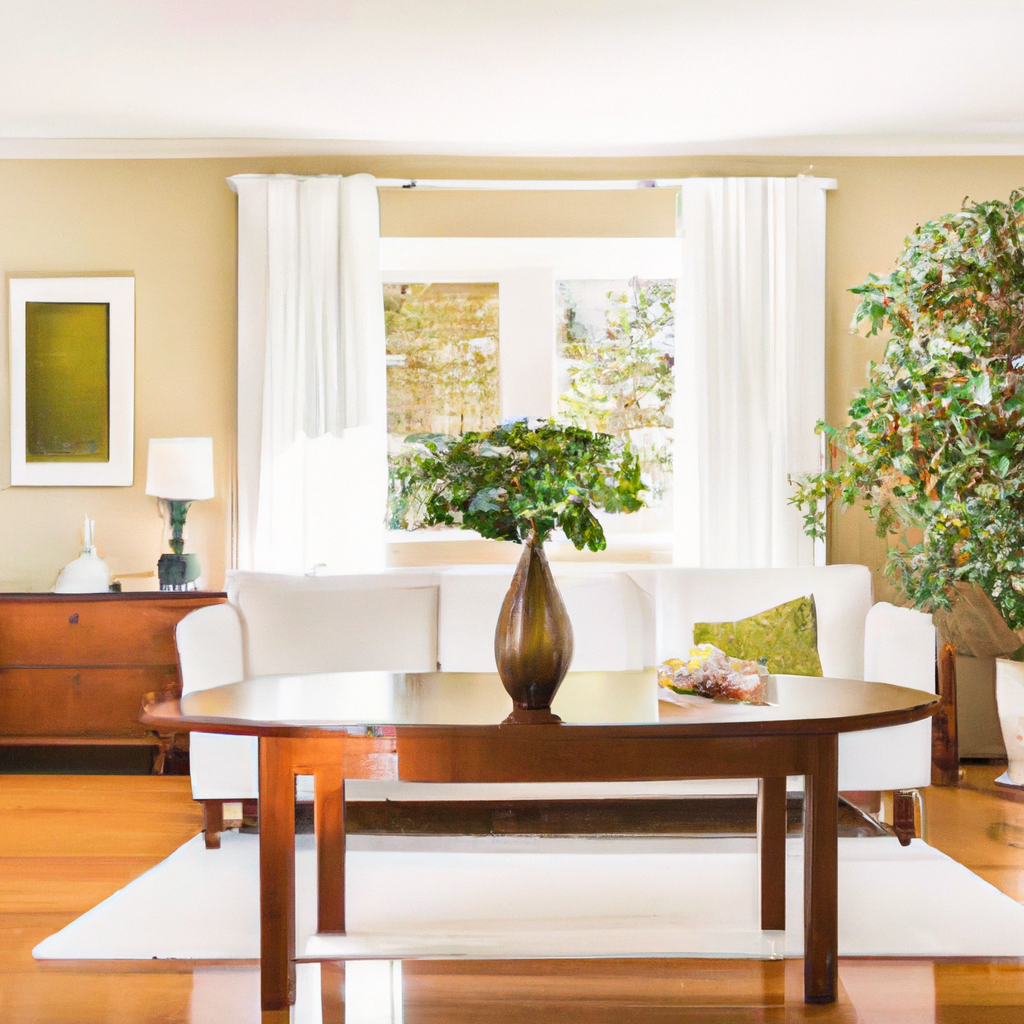
Benefits of Hiring a Local Interior Designer in Salt Lake City
Familiarity with Local Design Regulations and Permits
Hiring a local interior designer in Salt Lake City comes with the benefit of their familiarity with local design regulations and permits. They will ensure that your project complies with all necessary building codes and regulations, reducing the risk of costly setbacks or delays.
Access to Local Vendors and Suppliers
Local interior designers have established relationships with local vendors and suppliers. This gives them access to a wide range of high-quality materials, furniture, and decor options, often at discounted prices. They can also provide recommendations on the best local resources based on your design preferences and budget.
Knowledge of Regional Architectural Styles
A local interior designer in Salt Lake City will have a deep understanding of the regional architectural styles unique to the area. They can incorporate elements of these styles into your design, creating a space that harmonizes with the surrounding environment and showcases the local aesthetic.
Understanding of Local Climate and its Impact on Design
The climate in Salt Lake City can greatly influence design choices, such as selecting appropriate materials, optimizing natural light, and considering energy efficiency. A local interior designer can take these factors into account and design a space that is both aesthetically pleasing and functional within the specific climate conditions of Salt Lake City.
Residential Interior Design Services
Living Room Design
The living room is often the central gathering space in a home. A residential interior designer can transform your living room into a welcoming and functional space, considering factors such as furniture arrangement, lighting design, color palettes, and personal preferences.
Bedroom Design
A restful and well-designed bedroom is essential for a good night’s sleep. Residential interior designers can create a serene and cozy bedroom by carefully selecting furniture, textiles, lighting, and decor that align with your personal style and promote relaxation.
Kitchen and Dining Area Design
The kitchen and dining area are not only functional spaces but also important gathering areas for families and friends. An interior designer can help optimize these spaces by creating efficient layouts, selecting durable materials, and incorporating stylish elements that reflect your taste and lifestyle.
Bathroom Design
The bathroom is a space that should be both functional and aesthetically pleasing. Interior designers can help you create a sanctuary within your bathroom by selecting fixtures, finishes, and decor that create a spa-like atmosphere while maximizing storage and functionality.
Home Office and Study Design
With the increased trend of working from home, having a well-designed home office or study area has become essential. An interior designer can create a productive and inspiring workspace by considering factors such as furniture ergonomics, adequate storage, and the right lighting to enhance focus and concentration.
Nursery and Children’s Room Design
Designing a nursery or children’s room requires special attention to safety, functionality, and age-appropriate design. Residential interior designers can create a magical and functional space for your little ones, considering factors such as storage solutions, child-friendly materials, and adaptable design elements.
Outdoor Space Design
The outdoor space is an extension of your home and should be designed to maximize your enjoyment and relaxation. Residential interior designers can create inviting outdoor areas by selecting durable furniture, designing functional layouts, incorporating landscape elements, and integrating lighting and decor to create a seamless connection between indoor and outdoor living.
Commercial Interior Design Services
Office and Workplace Design
A well-designed office or workplace can improve productivity, boost employee morale, and create a positive impression on clients and customers. Commercial interior designers can optimize workspaces by considering factors such as layout efficiency, acoustics, lighting design, and ergonomic furniture.
Hospitality and Restaurant Design
In the hospitality and restaurant industry, interior design plays a significant role in creating a memorable guest experience. Commercial interior designers can help create inviting and functional spaces in hotels, resorts, restaurants, and cafes, by incorporating appropriate lighting, comfortable seating, durable materials, and ambiance-enhancing decor.
Retail Store and Boutique Design
Creating an engaging and immersive retail environment is essential for attracting customers and promoting sales. Commercial interior designers can create visually appealing and functional store layouts, considering factors such as product placement, traffic flow, branding, and customer experience.
Healthcare Facility Design
The design of healthcare facilities is crucial for patient well-being and efficient operations. Commercial interior designers can create welcoming and functional healthcare environments by selecting materials that promote hygiene and easy maintenance, optimizing patient flow, and incorporating calming elements that reduce stress.
Educational Facility Design
Educational facilities require thoughtful design that facilitates learning and promotes student engagement. Commercial interior designers can create dynamic and functional learning spaces by incorporating flexible furniture, vibrant colors, technology integration, and creating areas that foster collaboration and creativity.
Public and Government Building Design
Public and government buildings should reflect the values and aspirations of the community they serve. Commercial interior designers can create visually striking and functional spaces in government buildings, museums, libraries, and other public spaces, using innovative design techniques while adhering to the unique requirements and regulations of these projects.
Interior Design for Different Budgets
Luxury and High-End Design
For those looking to create a truly luxurious and high-end interior design, hiring an interior designer can be the perfect solution. These designers have access to the finest materials, furniture, and decor options that can elevate the overall aesthetic and create a truly opulent living environment.
Mid-Range Design
Mid-range interior design projects can perfectly balance quality and affordability. Interior designers can help you select durable yet stylish materials, furniture, and decor options that fit within your budget while still achieving a refined and cohesive design aesthetic.
Budget-Friendly Design
Interior design doesn’t have to break the bank. With the help of an interior designer, you can create a beautiful and functional space on a tight budget. They can guide you towards cost-effective alternatives, repurposing existing pieces, and strategic design choices to achieve a stylish and budget-friendly result.
Cost-Saving Tips for Interior Design Projects
Working with an interior designer doesn’t mean you have to spend a fortune. There are several cost-saving tips that can be implemented during the design process. Some tips include repurposing existing furniture, shopping for materials during sales, and considering DIY projects for smaller design elements. A skilled interior designer can provide guidance on maximizing your budget without compromising on style and quality.
Finding Inspiration for Your Interior Design
Using Online Design Platforms and Magazines
Online design platforms and magazines are a treasure trove of inspiration for interior design. Websites and apps allow you to browse through countless design ideas, styles, and trends. Online platforms often provide access to virtual design tools, allowing you to visualize and experiment with different design concepts before making any commitments.
Exploring Local Showrooms and Exhibitions
Local showrooms and design exhibitions offer a hands-on experience for finding inspiration and discovering new design trends. Exploring these spaces allows you to see and touch different materials and furniture pieces, providing a better understanding of their textures, colors, and overall quality.
Attending Design Events and Workshops
Design events and workshops are an excellent opportunity to learn from industry experts, gain valuable insights into the latest design trends, and network with like-minded individuals. These events often feature guest speakers, demonstrations, and interactive sessions, providing an immersive learning experience.
Consulting with Interior Designers for Ideas
One of the best sources of inspiration for your interior design project is your interior designer. They have the expertise and knowledge to offer creative and personalized design ideas that align with your vision. Consult with your designer regularly and share your ideas, allowing them to incorporate their expertise and creativity into the design process.
Conclusion
In conclusion, interior design is a multifaceted field that can transform any space into a visually appealing and functional environment. Hiring an interior designer brings numerous benefits, including their expertise, access to resources, and guidance through the design process. Whether it’s a residential or commercial project, interior designers in Salt Lake City have the ability to create unique and personalized spaces that meet your needs and reflect your style. With their knowledge of local design regulations, regional styles, and understanding of the local climate, they can elevate your space to new levels of beauty and functionality. So why wait? Hire an interior designer in Salt Lake City and embark on a transformative journey to create your dream space.