


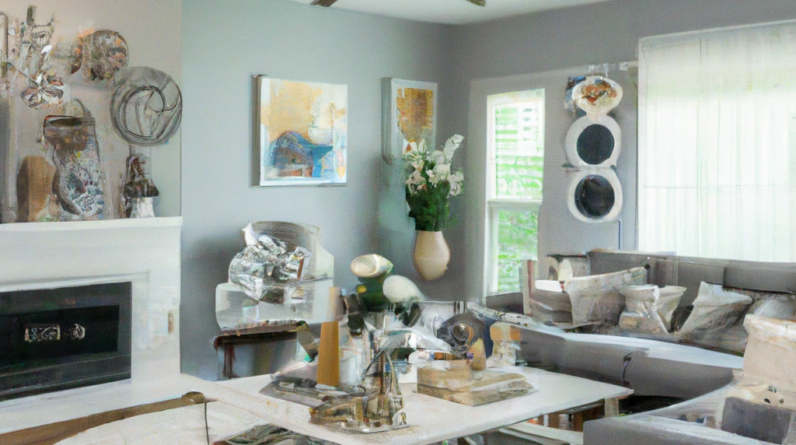
Finding the perfect balance between comfort and style for your home can be a daunting task. But fret not, as the Interior Design Service in Allentown, Pennsylvania is here to help transform your space into a haven that reflects your personal taste and fits your lifestyle seamlessly. With their impeccable attention to detail and knack for creating unique designs, the experts at this service will turn your dreams into reality, making your home a place you never want to leave. Get ready to be amazed as the Interior Design Service in Allentown, Pennsylvania works their magic, leaving you with a space that is not only visually stunning but also a true reflection of your personality.
About Interior Design
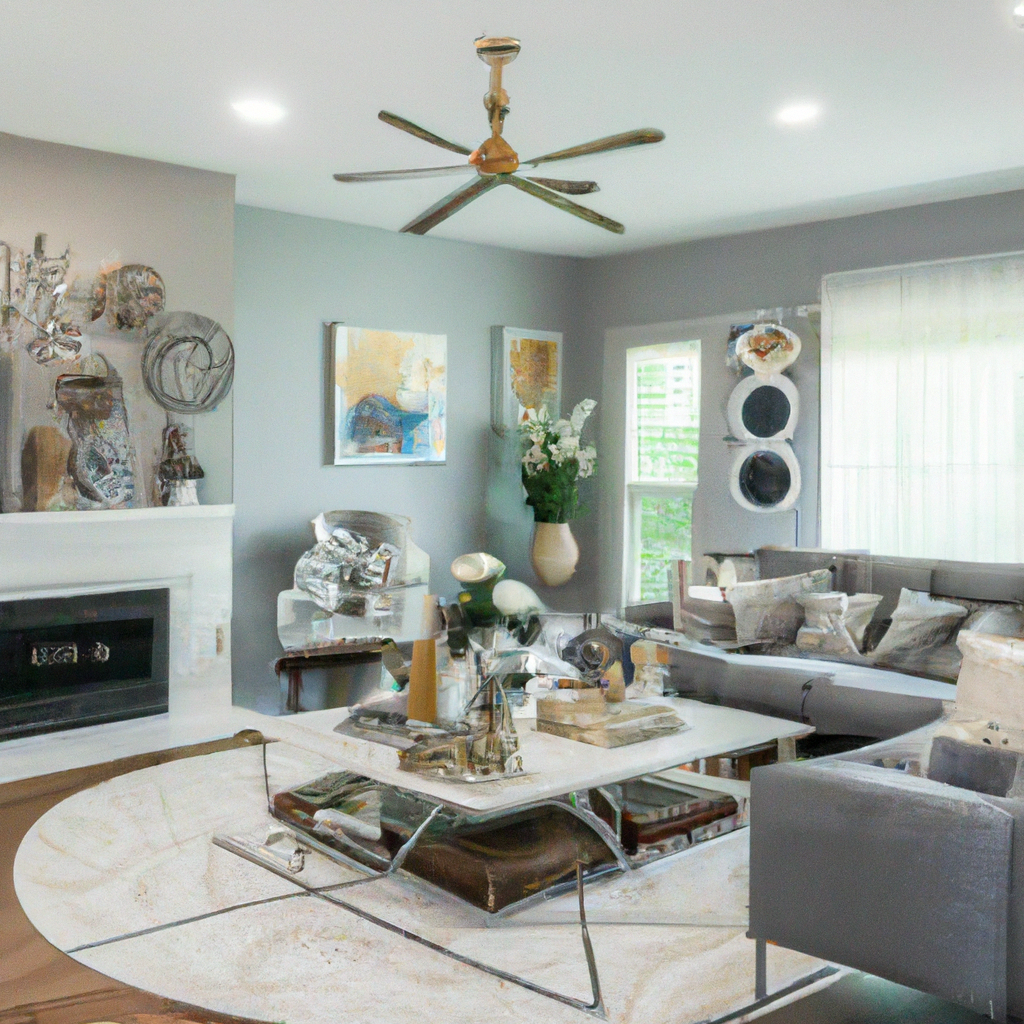
Interior design is the art and science of enhancing the interior of a space to create a more aesthetically pleasing and functional environment. It involves the careful selection and arrangement of furniture, color schemes, lighting, and decorative elements to transform a space into a unique and personalized setting. Interior design encompasses a wide range of styles and techniques, allowing individuals to express their personality and create spaces that reflect their tastes and preferences.
Importance of Interior Design
Interior design plays a significant role in our daily lives. It has the power to improve our overall well-being, productivity, and quality of life. A well-designed environment can enhance mood, reduce stress, and promote relaxation. Whether it’s a residential, commercial, or hospitality setting, interior design has the ability to create spaces that are both visually captivating and functional.
History of Interior Design
The history of interior design dates back to ancient times when people first began to settle in permanent homes. Throughout the centuries, different cultures and civilizations have developed their own unique styles and traditions. From the opulent palaces of ancient Egypt to the refined elegance of Renaissance Europe, interior design has evolved and adapted to reflect the changing tastes and needs of society.
Services Provided
Interior designers offer a wide range of services to meet the diverse needs of their clients. These services can be categorized into three main areas: residential interior design, commercial interior design, and hospitality interior design.
Residential Interior Design
Residential interior design focuses on creating comfortable and functional spaces within private homes. It involves designing the layout and selecting the appropriate furnishings and accessories to suit the client’s lifestyle and preferences. Whether it’s a small apartment or a spacious house, residential interior designers can transform any space into a warm and inviting home.
Commercial Interior Design
Commercial interior design focuses on creating functional and aesthetically pleasing spaces for businesses. This includes offices, retail stores, restaurants, and other commercial establishments. Commercial interior designers consider factors such as branding, traffic flow, and ergonomics to create spaces that enhance productivity and customer experience.
Hospitality Interior Design
Hospitality interior design focuses on creating inviting and luxurious environments for hotels, resorts, restaurants, and other hospitality establishments. It involves designing spaces that cater to the needs and desires of guests, while also meeting the practical requirements of the business. Hospitality interior designers pay attention to details such as lighting, acoustics, and color schemes to create memorable experiences for guests.
Design Process
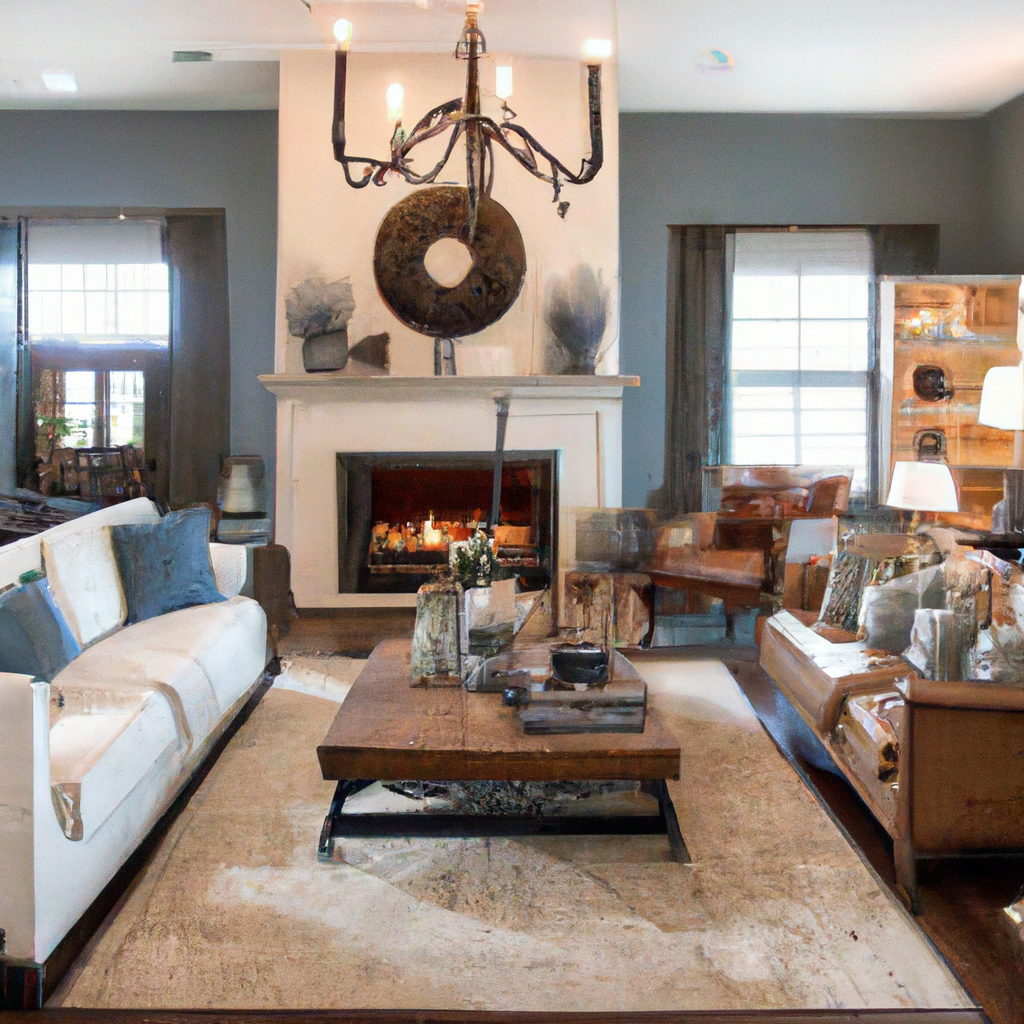
The interior design process typically involves several stages, each of which is crucial in creating a successful design. These stages include:
Initial Consultation
The initial consultation is an opportunity for the client and the interior designer to discuss the project’s objectives, budget, and timeline. It allows the designer to gain an understanding of the client’s needs and preferences, as well as the unique requirements of the space.
Concept Development
During the concept development stage, the interior designer creates a design concept based on the client’s input and requirements. This includes developing an overall design theme, selecting appropriate color schemes, and identifying key design elements.
Space Planning
Space planning involves determining the layout and functionality of the space. The interior designer considers factors such as traffic flow, furniture placement, and spatial organization to optimize the use of the available space.
Material Selection
Material selection is a crucial aspect of interior design, as it determines the overall look and feel of the space. The interior designer helps the client select appropriate materials for flooring, walls, ceilings, and other surfaces, taking into account factors such as durability, aesthetics, and budget.
Furniture and Accessory Selection
The selection of furniture and accessories is an important part of the interior design process. The interior designer helps the client choose furniture pieces, lighting fixtures, artwork, and other decorative elements that complement the overall design concept.
Budgeting and Cost Estimation
The interior designer works closely with the client to develop a budget and provide cost estimates for the project. This helps ensure that the design remains within the client’s financial constraints and allows for effective project management.
Project Management
Throughout the design process, the interior designer takes on the role of project manager, coordinating with contractors, suppliers, and other professionals involved in the project. They oversee the implementation of the design, ensuring that all aspects are executed according to plan and within the agreed timeline and budget.
Benefits of Hiring an Interior Designer
Hiring an interior designer offers numerous benefits that can greatly enhance the outcome of a design project. Some of the key benefits include:
Professional Expertise
Interior designers have the knowledge and expertise to create cohesive and aesthetically pleasing designs. They are trained in design principles, color theory, and space planning, allowing them to create harmonious and balanced environments.
Attention to Detail
Interior designers pay meticulous attention to detail, ensuring that every aspect of the design is carefully considered. They have an eye for proportion, scale, and composition, and can create spaces that are visually stunning and functional.
Time and Cost Savings
Engaging the services of an interior designer can save both time and money. Designers have access to a wide range of resources and suppliers, allowing them to source materials and furnishings at competitive prices. They also have the expertise to manage the project efficiently, reducing the risk of costly mistakes and delays.
Access to Resources and Suppliers
Interior designers have access to a vast network of resources and suppliers in the industry, making it easier to find unique and high-quality products. They can also obtain trade discounts that are not available to the general public, helping clients save money on their purchases.
Choosing the Right Interior Designer
Selecting the right interior designer is crucial to the success of your project. Here are some important factors to consider when choosing an interior designer:
Research Different Designers
Start by researching different interior designers in your area. Look for designers who have experience working on projects similar to yours and who have a portfolio that reflects your preferred style.
Review Portfolios and Client Testimonials
Take the time to review the portfolios of shortlisted designers. Look for examples of their previous work and see if their design aesthetic aligns with your vision. Reading client testimonials can also provide valuable insights into the designer’s professionalism and work ethic.
Consider Budget and Style Compatibility
It’s essential to find an interior designer who understands and respects your budgetary constraints. Discuss your budget openly with potential designers to ensure that they can work within your financial limitations. Additionally, consider whether the designer’s style aligns with your own preferences and the overall look you want to achieve.
Interview Potential Designers
Finally, schedule interviews with your top choices to get a better sense of their communication style, approach, and expertise. A face-to-face meeting or a virtual consultation allows you to ask questions, clarify expectations, and gauge their enthusiasm for the project. This step will help you determine if you have a good rapport and feel comfortable working with them.
Examples of Interior Design Styles
Interior design encompasses a wide range of styles, each with its own unique characteristics and elements. Here are some popular interior design styles:
Modern
Modern design is characterized by clean lines, minimalism, and a focus on function. It often features neutral color palettes, streamlined furniture, and a sense of simplicity and openness.
Traditional
Traditional design draws inspiration from classic European styles, emphasizing elegance, symmetry, and intricate detailing. It often features rich, warm color schemes, ornate furnishings, and layered textures.
Minimalist
Minimalist design follows the principle of “less is more,” focusing on simplicity and decluttered spaces. It features clean lines, neutral color palettes, and a limited number of furnishings and accessories.
Industrial
Industrial design takes inspiration from the raw and unfinished elements of factories and warehouses. It often features exposed brick walls, metal accents, and salvaged materials, creating a rugged and urban aesthetic.
Mid-Century Modern
Mid-century modern design emerged in the mid-20th century and is characterized by its sleek lines, organic forms, and use of natural materials. It features vibrant colors, bold patterns, and furniture with iconic designs.
Coastal
Coastal design is inspired by the beach and coastal lifestyle. It often features light and airy color palettes, natural materials, nautical elements, and a relaxed and casual vibe.
Factors Influencing Interior Design
Several factors influence the design of a space, including:
Client’s Preferences and Lifestyle
The client’s preferences and lifestyle play a significant role in the interior design process. The designer considers the client’s tastes, interests, and daily routines when creating a design that reflects their unique personality and enhances their lifestyle.
Architectural Elements
The existing architectural elements of a space can greatly influence the design. The designer takes into account factors such as ceiling height, window placement, and structural details when developing the design concept.
Color Theory
Color theory is an integral part of interior design. The choice of colors can evoke certain moods and emotions, create visual balance, and enhance the overall aesthetics of a space. Designers carefully select color palettes that reflect the desired ambiance and style.
Furniture Arrangement
Space planning and furniture arrangement are crucial in creating a functional and visually appealing layout. The designer considers the flow of movement, the placement of furniture, and the utilization of available space to optimize functionality and create a harmonious arrangement.
Lighting
Lighting plays a crucial role in interior design, affecting the mood, ambiance, and functionality of a space. Designers incorporate a combination of natural and artificial lighting sources to create the desired effect and highlight key design elements.
Texture and Pattern
Texture and pattern add visual interest and depth to a space. Designers play with different textures, such as smooth, rough, and tactile materials, to create contrast and variety. Patterns, such as geometric, floral, or abstract motifs, can be used to enhance the overall design concept.
Finding an Interior Design Service in Allentown, Pennsylvania
If you are looking for an interior design service in Allentown, Pennsylvania, there are several ways to find the right professional for your project:
Online Directories and Listings
Online directories and listings, such as Yelp or Houzz, provide a convenient platform to search for interior designers in your area. These platforms often include reviews and ratings from previous clients, giving you valuable insights into their reputation and quality of work.
Referrals from Friends and Family
Ask friends, family, or colleagues who have recently worked with an interior designer for recommendations. Personal referrals can give you a firsthand account of the designer’s capabilities, professionalism, and overall satisfaction with their services.
Local Interior Design Associations
Check with local interior design associations, such as the American Society of Interior Designers (ASID) or the International Interior Design Association (IIDA). These associations often have directories of their members, allowing you to find qualified and certified interior designers in your area.
Trade Shows and Exhibitions
Attend trade shows and exhibitions related to interior design and home improvement. These events often feature showcases by local designers, providing an opportunity to see their work up close and meet them in person.
Cost of Interior Design Services
The cost of interior design services can vary depending on several factors, including the scope and complexity of the project, the designer’s level of experience, and the location. Interior designers typically offer several pricing options:
Hourly Rates
Some designers charge an hourly rate for their services. The rate can vary depending on the designer’s expertise and location. Hourly rates provide flexibility, allowing clients to hire designers for specific tasks or consultations.
Fixed Fee
For larger projects, designers may charge a fixed fee based on the overall scope of work. The fee is typically determined in consultation with the client and covers all the design-related services, including concept development, space planning, and project management.
Percentage of the Overall Project Cost
In some cases, designers may charge a percentage of the overall project cost as their fee. The percentage often ranges from 10% to 20% and covers the design services as well as coordination with suppliers and contractors.
Additional Expenses
Additional expenses, such as purchasing furniture, materials, and accessories, are typically not included in the designer’s fee and are the responsibility of the client. It’s important to discuss and clarify these expenses with the designer ahead of time to avoid any surprises.
Important Considerations
When working with an interior designer, there are several important considerations to keep in mind:
Timeline and Project Duration
Discuss the anticipated timeline and project duration with your designer. Clarify any deadlines or time constraints to ensure that the project stays on track and meets your expectations.
Communication and Collaboration
Clear communication and collaboration are essential for a successful design project. Establish how you and the designer will communicate throughout the process, whether it’s through in-person meetings, phone calls, or online platforms.
Contract and Legal Considerations
Before starting the project, ensure that you have a written contract in place that clearly outlines the scope of work, fees, and project timeline. It’s also important to clarify ownership and copyright of design concepts and ensure that the designer carries liability insurance.
Insurance and Liability Coverage
Confirm that the interior designer has appropriate insurance coverage, including professional liability insurance. This protects both parties in case of any damages or accidents that may occur during the project.
Permits and Regulations
Depending on the scope of the project, certain permits or approvals may be required. Discuss with your designer whether any permits are necessary and ensure that all work meets local building codes and regulations.
By considering these factors and working closely with your chosen interior designer, you can create a successful and satisfying design project that brings your vision to life. Remember to trust your instincts, communicate openly, and enjoy the journey of transforming your space into something truly special.