In the realm of interior design, the challenge of maximizing space is a common concern, especially in smaller homes or apartments. You may find yourself grappling with how to make a compact area feel more expansive and inviting. This is where the fascinating world of optical illusions comes into play.
By cleverly manipulating visual elements, you can create an environment that tricks the eye into perceiving more space than actually exists. Optical illusions can transform a cramped room into a seemingly open and airy sanctuary, allowing you to enjoy your living space to its fullest potential. As you delve into the intricacies of small space design, you will discover that optical illusions are not merely tricks of the eye; they are powerful tools that can enhance your living experience.
From the strategic use of color and patterns to the arrangement of furniture, these illusions can redefine how you perceive your surroundings. By understanding the principles behind these visual tricks, you can make informed choices that will elevate your small space, making it feel larger and more functional without the need for extensive renovations.
Key Takeaways
- Optical illusions can be a powerful tool in small space design, creating the illusion of more space and enhancing the overall aesthetic.
- Understanding the psychology of optical illusions and perception is crucial in effectively using them to create the illusion of space in small rooms.
- Strategic use of optical illusions, such as mirrors and patterns, can visually expand small rooms and make them feel more spacious.
- Color theory plays a significant role in small space design, and using optical illusions with color can greatly impact the perceived size of a room.
- Furniture placement, layout, and lighting techniques can be used to create optical illusions and maximize the perceived space in small rooms.
The Psychology of Optical Illusions and Perception in Small Spaces
Understanding the psychology behind optical illusions is crucial when designing small spaces. Your perception of space is influenced by various factors, including light, color, and layout. When you enter a room, your brain processes visual information rapidly, often relying on preconceived notions about size and depth.
By manipulating these elements, you can create an environment that alters your perception, making a small room feel more expansive than it truly is. For instance, consider how your mind interprets lines and shapes. Straight lines can create a sense of order and structure, while curved lines may evoke feelings of softness and openness.
By incorporating these principles into your design, you can guide your perception in a way that enhances the overall feel of the space. Additionally, understanding how colors interact with light can further influence your perception. Lighter colors tend to reflect light, making a room feel brighter and more open, while darker shades can absorb light and create a more enclosed atmosphere.
Using Optical Illusions to Create the Illusion of Space in Small Rooms
One of the most effective ways to create the illusion of space in small rooms is through the use of mirrors. Mirrors can reflect light and images, effectively doubling the visual space within a room. You might consider placing a large mirror on one wall or using mirrored furniture to enhance this effect.
The strategic placement of mirrors not only adds depth but also creates a dynamic visual experience that can make your small space feel much larger. Another technique involves using vertical lines in your design. Vertical stripes on walls or furniture can draw the eye upward, creating an impression of height and spaciousness.
You may choose to paint one wall with vertical stripes or incorporate tall bookshelves that reach toward the ceiling. This approach not only tricks the eye but also encourages a sense of upward movement, making the room feel less confined.
Optical Illusions and Color Theory in Small Space Design
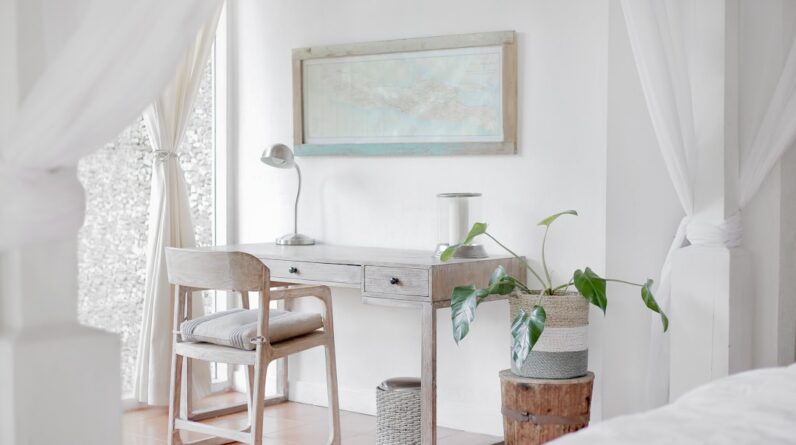
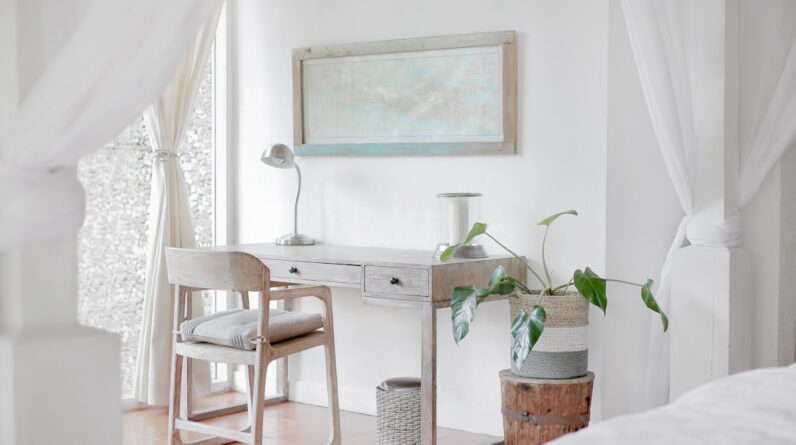
Color theory plays a significant role in how you perceive space within a room. Lighter colors tend to open up a space, while darker hues can make it feel more intimate but also smaller. When designing a small area, you might opt for a palette of soft pastels or neutral tones to create an airy atmosphere.
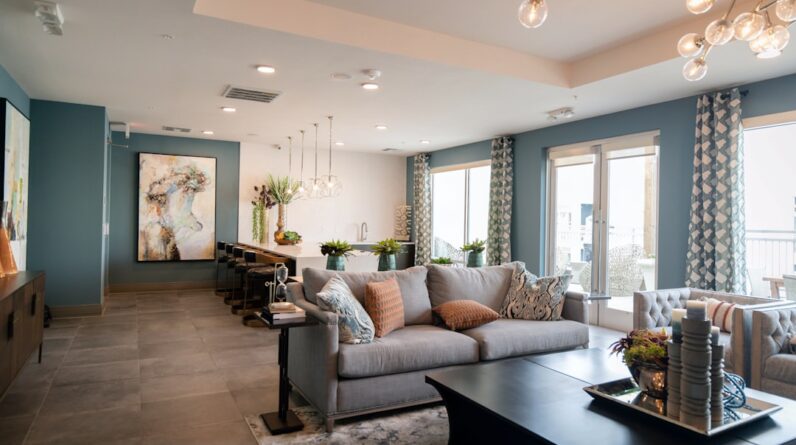
These colors reflect light effectively, enhancing the overall brightness of the room and contributing to a sense of openness. In addition to choosing lighter colors, consider using contrasting shades strategically. For example, painting one wall a bold color can create a focal point that draws attention away from the room’s size.
This technique can be particularly effective in small living rooms or bedrooms where you want to create an inviting atmosphere without overwhelming the senses. By balancing light and dark colors thoughtfully, you can manipulate perception and create an illusion of depth that enhances your small space.
Furniture and Layout Tricks to Create Optical Illusions in Small Spaces
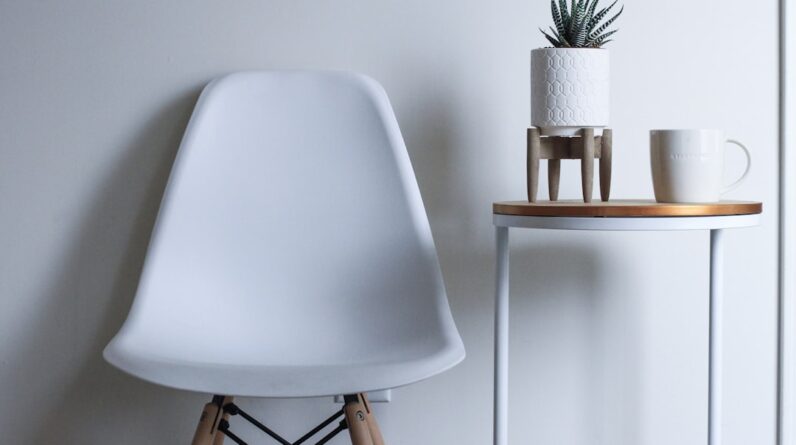
The arrangement of furniture is another critical aspect of creating optical illusions in small spaces. You may want to avoid bulky furniture that can overwhelm a room; instead, opt for pieces that are sleek and streamlined. Furniture with legs exposed can create a sense of openness by allowing light to flow beneath it, making the floor area appear larger than it is.
Additionally, consider using multi-functional furniture that serves more than one purpose. For instance, a coffee table that doubles as storage or an ottoman that can be used for seating or as a footrest can help reduce clutter while maximizing functionality. By carefully selecting and arranging your furniture, you can create an illusion of spaciousness while ensuring that your small space remains practical and comfortable.
Lighting Techniques to Enhance Optical Illusions in Small Space Design

Lighting is an essential element in any design scheme, but it becomes even more critical when working with small spaces. You may find that natural light plays a significant role in how spacious a room feels; therefore, maximizing natural light should be a priority. Consider using sheer curtains or blinds that allow sunlight to filter through while maintaining privacy.
In addition to natural light, layering artificial lighting can enhance optical illusions in your small space. Use a combination of ambient, task, and accent lighting to create depth and dimension within the room. For example, wall sconces can draw attention upward, while strategically placed floor lamps can illuminate corners that might otherwise feel dark and cramped.
By thoughtfully incorporating various lighting sources, you can enhance the overall perception of space and create an inviting atmosphere.
Common Mistakes to Avoid When Using Optical Illusions in Small Space Design
While optical illusions can be powerful tools for enhancing small spaces, there are common pitfalls you should be aware of to avoid diminishing their effectiveness. One mistake is overloading a room with too many patterns or colors. While variety can add interest, excessive patterns can overwhelm the senses and make a small space feel even tighter.
Instead, aim for balance by selecting one or two focal points while keeping other elements more subdued. Another common error is neglecting scale when choosing furniture or decor items. Oversized furniture can dominate a small room and create an oppressive atmosphere.
Be mindful of scale when selecting pieces; opt for smaller items that complement the space rather than overwhelm it. By avoiding these mistakes, you can ensure that your use of optical illusions remains effective and enhances the overall design of your small space.
Real-life Examples of Optical Illusions in Small Space Design
To truly appreciate the impact of optical illusions in small space design, consider real-life examples where these techniques have been successfully implemented. In urban apartments where square footage is limited, designers often utilize mirrors strategically placed across from windows to reflect views and natural light, creating an illusion of depth and openness. Another example is seen in tiny homes where vertical storage solutions are employed alongside light color palettes to maximize perceived space.
By using built-in shelving that reaches up to the ceiling and painting walls in soft whites or pastels, these homes feel airy despite their compact size. These real-life applications demonstrate how effective optical illusions can be when thoughtfully integrated into small space design. In conclusion, mastering optical illusions in small space design requires an understanding of psychology, color theory, furniture arrangement, lighting techniques, and common pitfalls to avoid.
By applying these principles thoughtfully, you can transform your compact living area into an inviting haven that feels spacious and functional. Embrace the art of optical illusions as you embark on your journey to create a beautifully designed small space that reflects your personal style while maximizing its potential.
FAQs
What are optical illusions in small space design?
Optical illusions in small space design are techniques used to create the perception of more space or depth in a confined area. These techniques can include the use of color, lighting, patterns, and furniture placement to trick the eye into perceiving the space as larger than it actually is.
What are some common optical illusions used in small space design?
Common optical illusions used in small space design include using light colors to make a room feel more open, incorporating mirrors to create the illusion of depth, and using vertical lines to draw the eye upward and make the space feel taller.
How can optical illusions be used to maximize small space design?
Optical illusions can be used to maximize small space design by creating the perception of more space, improving the flow of the room, and making the space feel more inviting and comfortable. By strategically using optical illusions, designers can make small spaces feel larger and more functional.
What are some tips for using optical illusions in small space design?
Some tips for using optical illusions in small space design include using multi-functional furniture to maximize space, incorporating plenty of natural light to make the space feel more open, and using a cohesive color scheme to create a sense of continuity and spaciousness.
Are there any potential drawbacks to using optical illusions in small space design?
While optical illusions can be effective in making small spaces feel larger, there is a risk of overdoing it and creating a disorienting or cluttered environment. It’s important to use optical illusions in moderation and consider the overall balance and functionality of the space.