


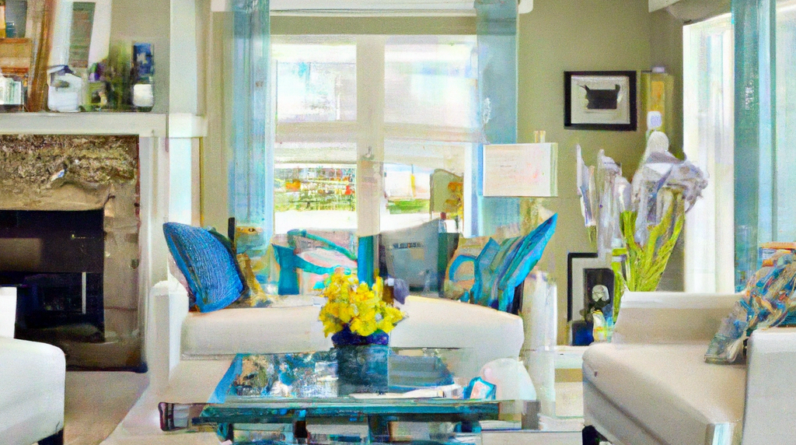
Are you looking to transform your living space into a beautiful and functional oasis? Look no further than the Interior Design Service in Lincoln, Nebraska. With their expertise and passion for design, they can turn any room into a stunning masterpiece. From color schemes to furniture placement, they pay attention to every detail to create a space that reflects your unique personality and style. Whether you’re redesigning your home or office, the Interior Design Service in Lincoln, Nebraska is here to bring your vision to life.
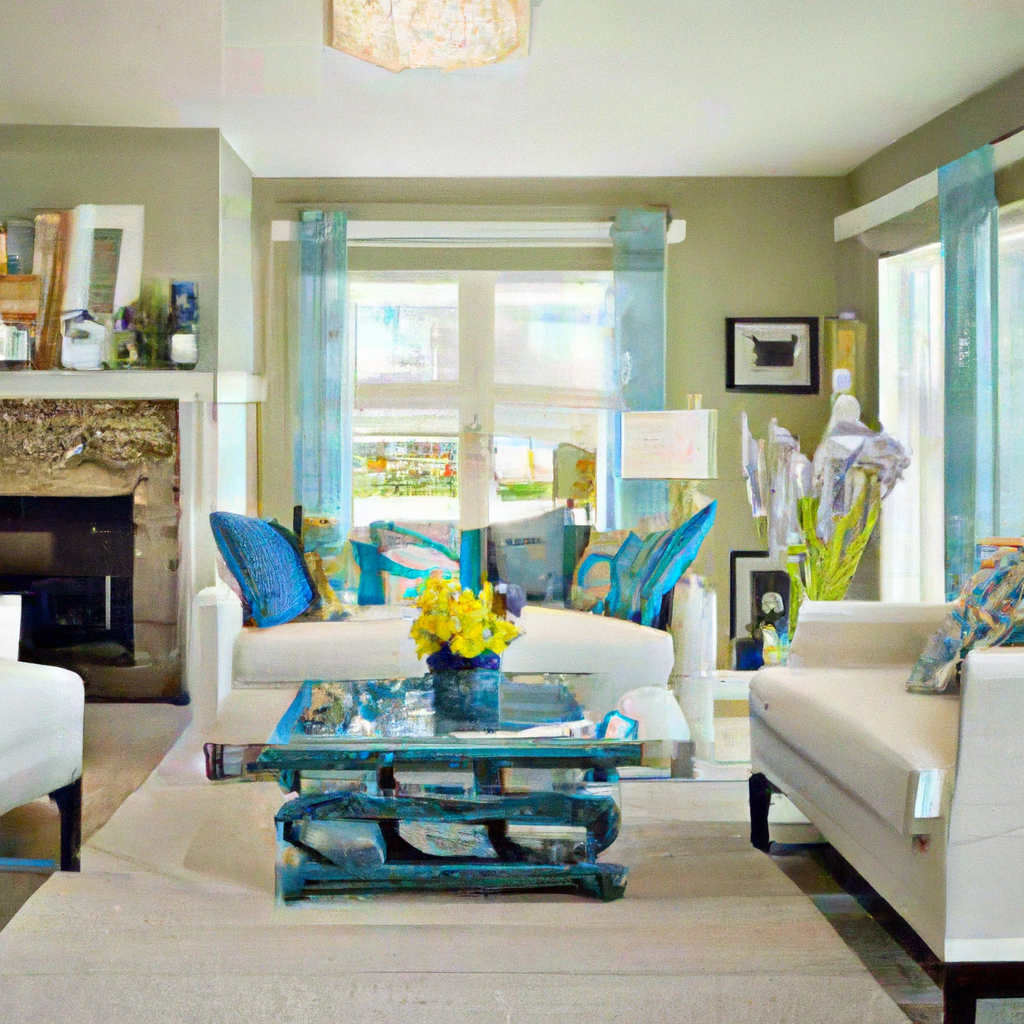
About Lincoln, Nebraska
Location and population
Lincoln, Nebraska, is the capital city of the state and is located in the eastern part of the state. It is situated along the Platte River, providing residents with beautiful scenic views and outdoor recreational opportunities. With a population of over 280,000, Lincoln is the second-most populous city in Nebraska. It is known for its vibrant community, friendly residents, and a growing economy.
Climate
Lincoln experiences a humid continental climate, characterized by four distinct seasons. Summers are generally warm and humid, with temperatures averaging in the high 80s Fahrenheit (around 30 degrees Celsius), while winters can be cold, with temperatures dropping below freezing. Spring and fall seasons bring pleasant weather with mild temperatures, making it ideal for outdoor activities. Lincoln also receives an average amount of rainfall throughout the year, which helps maintain the city’s lush green landscapes.
Economy
Lincoln boasts a diverse and thriving economy that supports the city’s growth and development. It is home to a variety of industries, including education, healthcare, manufacturing, technology, and finance. The city is known for its top-notch educational institutions, such as the University of Nebraska-Lincoln and the Nebraska Wesleyan University, which contribute significantly to the local economy. Lincoln’s low cost of living, affordable housing, and strong job market make it an attractive place to live and work.
The Importance of Interior Design
Creating functional spaces
Interior design plays a crucial role in creating functional spaces that meet the specific needs and requirements of individuals or businesses. Whether it’s a residential home or a commercial space, a well-designed interior can maximize the efficiency of the available space, ensuring that every area serves a purpose and is utilized effectively. Interior designers use their expertise to carefully plan layouts, consider traffic flow, and select furniture and fixtures that enhance functionality.
Enhancing aesthetic appeal
Beyond functionality, interior design is also focused on enhancing the aesthetic appeal of a space. Aesthetics play a significant role in creating a welcoming and visually pleasing environment. Interior designers employ various design elements, such as color schemes, textures, patterns, and lighting, to create a harmonious and visually appealing space that reflects the client’s preferences and style. By carefully selecting and arranging furniture, fabrics, and accessories, interior designers can transform a space into a work of art.
Improving well-being
Well-designed interiors have a significant impact on the well-being and comfort of individuals. A thoughtfully designed space can promote relaxation, productivity, and overall happiness. For example, incorporating elements of nature, such as plants and natural lighting, can create a calming and rejuvenating atmosphere. Similarly, choosing ergonomic furniture and optimizing the acoustics of a room can contribute to the comfort and well-being of individuals using the space. Interior design focuses on creating environments that promote a positive and nurturing experience for the occupants.
Increasing property value
Investing in professional interior design can significantly increase the value of a property. A well-designed space is not only visually appealing, but it also demonstrates attention to detail and quality, which potential buyers or tenants appreciate. A thoughtfully designed interior can make a property stand out in a competitive market, attracting more interest and potentially commanding a higher price. Additionally, interior design can optimize the functionality and flow of a space, making it more appealing to a wide range of potential buyers or tenants.
Benefits of Hiring an Interior Design Service
Professional expertise and guidance
One of the key benefits of hiring an interior design service is gaining access to professional expertise and guidance. Interior designers have extensive knowledge and experience in creating functional and aesthetically pleasing spaces. They understand the latest design trends, materials, and technologies, enabling them to provide valuable insights and recommendations. By working with an interior designer, you can tap into their expertise to ensure that your project is executed at the highest level of quality and craftsmanship.
Cost-effectiveness
Contrary to popular belief, hiring an interior design service can actually be cost-effective in the long run. While there is an investment upfront, working with a professional can help you avoid costly mistakes and oversights. Interior designers have a keen eye for detail and can help you make informed decisions about where to allocate your budget for maximum impact. They can also help you source materials, furniture, and fixtures at competitive prices, potentially saving you money. Ultimately, their expertise can help you achieve a high-quality result within your budgetary constraints.
Time-saving
Embarking on an interior design project can be time-consuming, especially if you lack the experience and knowledge in this field. Hiring an interior design service can save you valuable time and effort. Interior designers handle the entire design process, starting from conceptualization to the final implementation, allowing you to focus on other aspects of your life or business. They have established relationships with suppliers and contractors, streamlining the procurement and construction process. With their guidance and project management skills, you can expect a smooth and efficient execution of your interior design project.
Access to resources and suppliers
Interior designers have access to a wide range of resources and suppliers that are not readily available to the general public. They maintain relationships with trusted vendors, manufacturers, and artisans, ensuring that they can source high-quality materials and furnishings for your project. These exclusive partnerships often result in access to unique and custom-made pieces that add a touch of individuality to your space. By working with an interior designer, you can take advantage of their industry connections and access to top-notch resources.
Personalized design solutions
Every interior design project is unique, and hiring a professional ensures that you receive a personalized design solution tailored to your specific needs and preferences. Interior designers take the time to understand your lifestyle, tastes, and budgetary requirements, allowing them to create a design that reflects your personality and style. They consider your functional needs, aesthetic preferences, and any specific requirements you may have. With their expertise, they can transform your vision into a reality, creating a space that is truly yours.
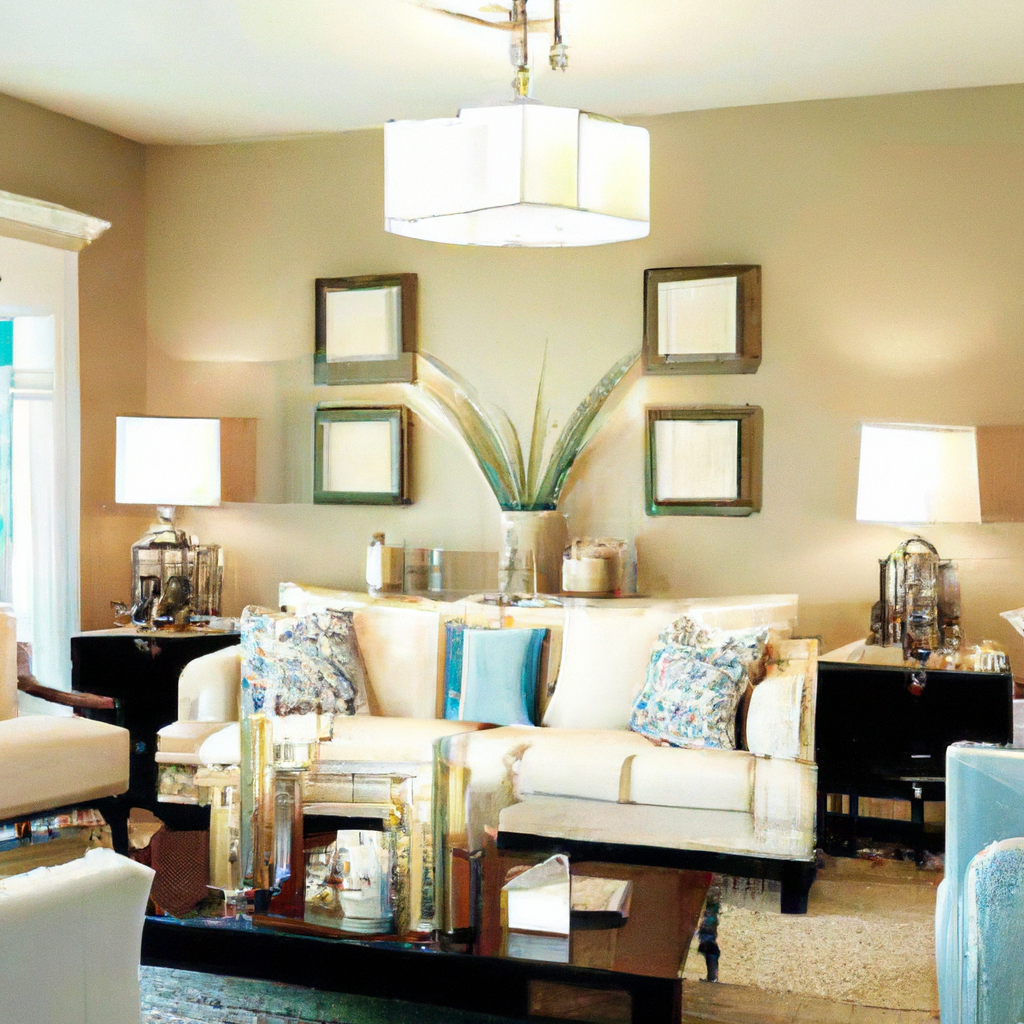
Interior Design Styles
Art Deco
Art Deco is an interior design style that emerged in the 1920s and 1930s. It is characterized by its geometric shapes, bold colors, and luxurious materials. Art Deco spaces often feature sleek furniture, mirrored surfaces, and ornate detailing. This style is known for its glamour and opulence, evoking a sense of drama and elegance.
Contemporary
Contemporary interior design is characterized by its clean lines, simplicity, and emphasis on functionality. It embraces neutral color palettes, natural materials, and minimalist aesthetics. Contemporary spaces often prioritize open floor plans, ample natural lighting, and a sense of spaciousness. This style creates a sleek and uncluttered environment that is timeless and versatile.
Industrial
Industrial interior design draws inspiration from factories and warehouses, showcasing raw and unfinished elements. Exposed brick walls, concrete floors, and metal accents are common features of industrial spaces. This style embraces a utilitarian aesthetic, often incorporating salvaged materials, vintage furniture, and bold statement pieces. Industrial design creates a unique and edgy atmosphere with an urban feel.
Minimalist
Minimalist interior design focuses on simplicity and the elimination of unnecessary elements. It embraces clean lines, neutral colors, and open spaces. Minimalist spaces often feature sleek and functional furniture, monochromatic color schemes, and a sense of order. This style creates a serene and uncluttered environment that promotes relaxation and mindfulness.
Transitional
Transitional interior design is a blend of traditional and contemporary styles. It combines classic elements with modern touches, creating a harmonious and balanced look. Transitional spaces often feature neutral color palettes, comfortable yet elegant furniture, and a mix of textures and patterns. This style offers a timeless and sophisticated aesthetic that appeals to a wide range of preferences.
Services Offered by Interior Designers in Lincoln, Nebraska
Space planning and layout design
Interior designers in Lincoln, Nebraska offer space planning and layout design services to maximize the functionality and flow of your space. They carefully analyze the available area, consider your needs and requirements, and create a layout that optimizes the use of space. Whether it’s a residential home, office, or commercial space, interior designers can help you make the most of your square footage.
Color and material selection
Choosing the right colors and materials is essential in achieving the desired look and feel of a space. Interior designers in Lincoln, Nebraska can assist you in selecting the perfect color palette and materials that align with your preferences and complement the overall design scheme. They consider factors such as lighting, durability, and maintenance requirements to ensure that the chosen colors and materials are suitable for your specific needs.
Furniture and lighting design
Interior designers in Lincoln can help you select and design furniture and lighting solutions that perfectly suit your space. They consider your functional needs, aesthetic preferences, and budget to curate a collection of furniture and lighting fixtures that enhance the overall design. From conceptualization to procurement, interior designers guide you through the process, ensuring that every piece fits seamlessly into the design.
Window treatments and accessories
Window treatments and accessories play a crucial role in adding the finishing touches to a space. Interior designers in Lincoln can help you select window treatments such as curtains, blinds, or shades that suit your design style and provide the desired level of privacy and light control. Additionally, they assist in choosing accessories, such as artwork, rugs, or decorative items, that enhance the overall aesthetic and ambiance of your space.
Renovation and remodeling guidance
If you’re planning a renovation or remodeling project, interior designers in Lincoln can provide valuable guidance and expertise. They collaborate with architects, contractors, and other professionals to ensure that the design vision is executed seamlessly. Interior designers can assist with project management, material selection, and design revisions, ensuring that every aspect of your renovation or remodeling project is cohesive and well-executed.
Steps Involved in the Interior Design Process
Initial consultation
The interior design process typically begins with an initial consultation. This is an opportunity for you to discuss your project with the interior designer, sharing your vision, goals, and requirements. The designer will ask relevant questions to gain a thorough understanding of your needs, lifestyle, and aesthetic preferences. This consultation serves as a foundation for the design concept development.
Design concept development
Based on the information gathered during the initial consultation, the interior designer will develop a design concept for your space. This includes creating a visual representation of the proposed design, selecting color schemes, materials, and furniture options that align with your preferences and requirements. The design concept allows you to visualize how the space will look once the project is completed.
3D visualization and presentation
To further enhance the design concept, interior designers often utilize 3D visualization tools to create realistic renderings of the proposed design. These visualizations provide a clear understanding of how the space will look and feel after the implementation of the design. Interior designers present these visualizations to you, allowing for feedback and adjustments before finalizing the design.
Design revisions and finalization
After the initial presentation, you have the opportunity to provide feedback and request any design revisions or modifications. Interior designers take your feedback into consideration and make the necessary adjustments to the design. This iterative process continues until you are satisfied with the final design concept, ensuring that your vision is accurately translated into the final execution.
Implementation and project management
Once the design concept is finalized, interior designers proceed with the implementation of the design. They collaborate with contractors, suppliers, and other professionals involved in the project to ensure that the design is executed correctly and on schedule. Throughout the implementation phase, interior designers oversee the project, managing timelines, sourcing materials, and addressing any unforeseen challenges that may arise. Their project management expertise ensures a successful and smooth execution of the design.
Finding the Right Interior Design Service in Lincoln, Nebraska
Research and recommendations
When searching for the right interior design service in Lincoln, Nebraska, it’s important to conduct thorough research and seek recommendations. Start by exploring online directories, design websites, and social media platforms to find local interior design firms and individual designers. Additionally, seek recommendations from friends, family, or colleagues who have previously worked with interior designers in the area. Their firsthand experiences can provide valuable insights into the quality of service provided.
Portfolio and design style assessment
Once you have identified potential interior designers in Lincoln, take the time to review their portfolios and assess their design style. Look for projects that resonate with your aesthetic preferences and requirements. Pay attention to the diversity of their portfolio, as it indicates their ability to adapt to various design styles and project types. An interior designer’s portfolio can give you a glimpse into their creativity, attention to detail, and overall design expertise.
Budget and pricing considerations
It’s essential to consider your budget and explore the pricing structure offered by interior design services in Lincoln. Some designers charge an hourly rate, while others offer flat fees or percentage-based fees. Assess your budgetary constraints and determine which pricing model aligns best with your financial plan. Keep in mind that while budget is important, it shouldn’t be the sole determining factor in selecting an interior design service. Quality and expertise should be at the forefront of your decision-making process.
Communication and rapport
An effective and open line of communication is crucial when working with an interior designer. During initial consultations or meetings, pay attention to how well you connect and communicate with the designer. Building a rapport and establishing a positive working relationship ensures a smooth and collaborative design process. Clear and timely communication allows for efficient decision-making and minimizes misunderstandings.
Credentials and certifications
Before finalizing your decision, consider the credentials and certifications of the interior design service or designer. Look for designers who have professional affiliations, such as membership in organizations like the American Society of Interior Designers (ASID). These affiliations indicate a commitment to ongoing education, ethical standards, and professional development. Additionally, certifications and awards can be a testament to the designer’s expertise and skills.
Evaluating the Cost of Interior Design Services
Hourly rates
Some interior designers in Lincoln charge an hourly rate for their services. This means that you will be billed based on the number of hours the designer spends working on your project. Hourly rates can vary depending on the designer’s experience, reputation, and geographical location. Hiring an interior designer with an hourly rate can be cost-effective for smaller projects or clients who prefer a more flexible payment structure.
Flat fees
Other interior designers may offer flat fees for their services. Flat fees are pre-determined and agreed upon upfront, regardless of the number of hours spent on the project. This can provide clients with a clear understanding of the total cost of the design project from the start. Flat fees are often suitable for larger projects where the scope of work and design requirements are well-defined.
Cost-plus
The cost-plus pricing model involves charging a percentage-based fee on top of the actual cost of materials, furniture, and other project-related expenses. This pricing structure ensures transparency, as clients have access to receipts and invoices for all purchases. It is often used for projects where high-end or custom-made materials and furnishings are incorporated.
Percentage-based fees
Percentage-based fees are calculated by charging a percentage of the total project cost. This pricing model is commonly used for comprehensive interior design projects, where the designer oversees all aspects of the design process, including procurement, project management, and implementation. The percentage fee covers the designer’s expertise, guidance, and coordination throughout the project.
Tips for Collaborating with an Interior Designer
Define your goals and preferences
Before working with an interior designer, it’s important to define your goals and preferences. Have a clear understanding of what you want to achieve with your space and communicate that vision to the designer. Share your likes and dislikes, preferred color palettes, and any specific requirements you may have. Providing the designer with this information allows them to create a design that aligns with your expectations.
Be open to new ideas
While it’s important to have a vision for your space, it’s equally important to be open to new ideas and suggestions from your interior designer. They bring a fresh perspective and expertise to the table, offering insights and recommendations that you may not have considered. Remember that collaboration with the designer is a partnership, and embracing their creativity can lead to a more successful and innovative design.
Maintain open communication
To ensure a smooth and efficient design process, it’s crucial to maintain open communication with your interior designer. Be responsive to their inquiries, provide feedback promptly, and communicate any changes or concerns that arise throughout the project. Transparent and timely communication allows for effective decision-making and ensures that the project stays on track.
Set a realistic budget
Setting a realistic budget is essential when working with an interior designer. Be candid with the designer about your budgetary constraints from the beginning to avoid any misunderstandings or scope creep during the project. A well-defined budget helps the designer make informed decisions and guide you in prioritizing your design needs and wants.
Trust the designer’s expertise
Interior designers bring years of experience and knowledge to the table. Trust in their expertise and allow them to guide you through the design process. While it’s important to voice your opinions and preferences, remember that interior designers have a trained eye for design and a deep understanding of what works best in various spaces. Embrace their recommendations and trust that they have your best interests at heart.
The Growing Trend of Virtual Interior Design Services
Remote design consultations
The advent of technology has facilitated the rise of virtual interior design services, transforming the way designers interact with clients. Remote design consultations allow clients to connect with interior designers without the need for in-person meetings. Through video calls, phone calls, or email exchanges, clients can discuss their design project, share their vision, and receive professional guidance and recommendations from the comfort of their own homes.
Online design platforms
Online design platforms cater to clients who prefer a more independent and DIY approach to interior design. These platforms provide access to design tools, resources, and inspiration, enabling individuals to create their own designs. Users can browse through a vast selection of furniture, materials, and finishes, and experiment with different layouts and color schemes. Online design platforms often provide 3D visualization tools, making it easier for users to visualize their design concepts.
Virtual walkthroughs
Virtual walkthroughs have become increasingly popular in the world of interior design. With the help of advanced technology, interior designers can create virtual tours of proposed designs. These tours allow clients to virtually explore their future space, experiencing the design from different angles. Virtual walkthroughs provide a comprehensive understanding of the design, allowing clients to provide feedback and make informed decisions without the need for physical presence.
Digital project management
Digital project management tools have revolutionized the way interior designers track and manage projects. These tools allow designers to share project timelines, communicate with clients and contractors, and track progress and milestones in real-time. Digital project management ensures transparency, collaboration, and effective communication throughout the design process, regardless of the physical location of the individuals involved.
As the world continues to become more interconnected through technology, virtual interior design services are likely to become more prevalent, offering convenience, accessibility, and flexibility to clients seeking professional design assistance.
In conclusion, interior design plays a vital role in creating functional, visually appealing, and comfortable spaces. Hiring an interior design service in Lincoln, Nebraska, provides access to professional expertise, cost-effective solutions, and personalized design strategies. Interior designers offer an array of services, including space planning, material selection, and furniture design. The interior design process involves several steps, from initial consultations to final implementation, ensuring a cohesive and successful design execution. To find the right interior design service, it’s crucial to conduct thorough research, assess portfolios and design styles, and evaluate the cost and communication aspects. Collaborating with an interior designer requires clear communication, an open mind, and a realistic budget. With the growing trend of virtual interior design services, clients can now benefit from remote consultations, online design platforms, virtual walkthroughs, and digital project management tools. By harnessing technology, interior designers continue to enhance the client experience and deliver outstanding design results. Whether you’re remodeling your home or designing a commercial space, investing in interior design services is a valuable way to create an environment that reflects your style, enhances functionality, and improves your overall well-being.


