Urban industrial design is a captivating aesthetic that marries the raw, rugged elements of industrial spaces with the vibrant energy of urban life. This design philosophy draws inspiration from repurposed warehouses, factories, and lofts, where functionality meets artistic expression. You might find that urban industrial design emphasizes an unrefined beauty, showcasing materials and structures that tell a story of their past.
It’s a style that celebrates the imperfections and character of a space, allowing you to create an environment that feels both lived-in and contemporary. As you delve deeper into urban industrial design, you’ll discover that it’s not just about aesthetics; it’s also about creating a lifestyle. This design approach often reflects a sense of community and connection to the urban environment.
By incorporating elements that are both functional and visually striking, you can cultivate a space that resonates with the hustle and bustle of city life while providing a sanctuary from it. The blend of old and new, along with a focus on sustainability, makes urban industrial design a compelling choice for those looking to infuse their homes with personality and purpose.
Key Takeaways
- Urban Industrial Design is a style that combines raw, unfinished elements with sleek, modern touches to create a unique and edgy aesthetic.
- Elements of Urban Industrial Design include exposed brick, concrete, metal accents, and reclaimed wood, giving a nod to the history of urban spaces.
- Incorporating raw materials such as concrete, steel, and distressed wood adds texture and character to the space, creating an industrial look and feel.
- Utilizing a neutral color palette with shades of grey, black, white, and earth tones helps to maintain a cohesive and minimalist aesthetic in urban industrial design.
- Embracing open spaces and high ceilings creates an airy and spacious feel, while also allowing for the incorporation of industrial elements and fixtures.
Elements of Urban Industrial Design
When you think about urban industrial design, several key elements come to mind that define this unique style. One of the most prominent features is the use of raw materials. Exposed brick walls, concrete floors, and steel beams are hallmarks of this aesthetic, creating an authentic backdrop that speaks to the history of the space.
These materials not only add texture but also evoke a sense of strength and durability, making them ideal for urban environments where resilience is key. Another essential element is the open floor plan. Urban industrial design often embraces spacious layouts that allow for fluid movement between areas.
This openness fosters a sense of connectivity, making it easier for you to entertain guests or simply enjoy the flow of your daily activities. Large windows are also a common feature, allowing natural light to flood the space and highlighting the beauty of the raw materials used throughout. By incorporating these elements, you can create an inviting atmosphere that feels both expansive and intimate.
Incorporating Raw Materials
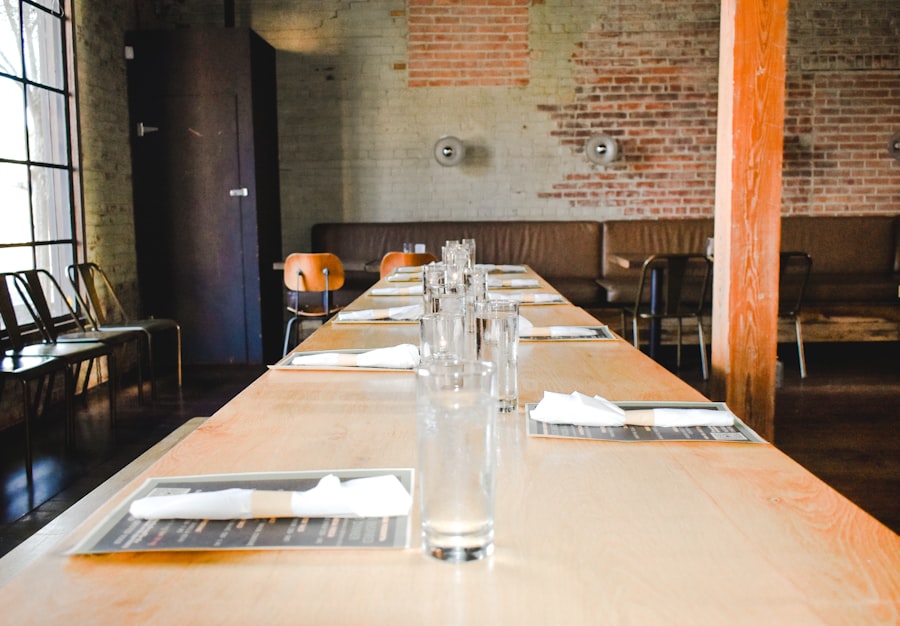
Incorporating raw materials into your urban industrial design is crucial for achieving an authentic look. You might start by exposing existing elements in your home, such as brick walls or wooden beams, to showcase their natural beauty. If your space lacks these features, consider adding them through renovations or decorative accents.
For instance, reclaimed wood can be used for flooring or furniture, while metal accents can be introduced through shelving or light fixtures. These materials not only enhance the aesthetic but also contribute to a sustainable approach by repurposing items that might otherwise go to waste. Additionally, think about how you can layer different textures to create visual interest.
Combining smooth surfaces with rough finishes can add depth to your design. For example, pairing a sleek metal table with a distressed leather chair can create a striking contrast that embodies the essence of urban industrial style. By thoughtfully selecting and incorporating raw materials, you can craft a space that feels authentic and grounded in its surroundings.
Utilizing Neutral Color Palette
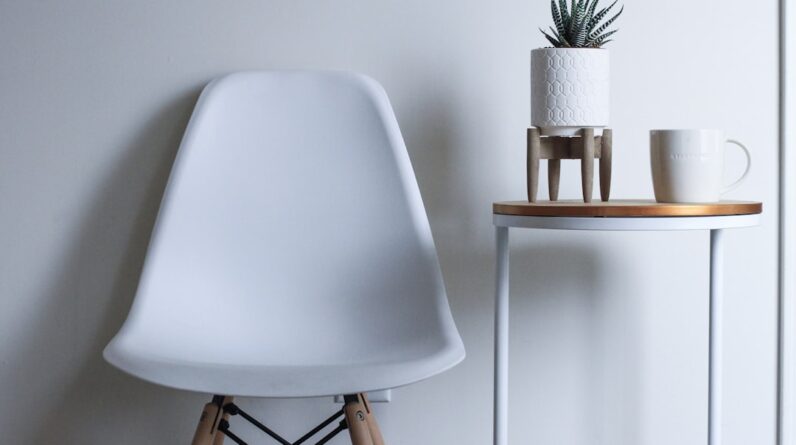
A neutral color palette is another defining characteristic of urban industrial design. You may find that shades of gray, beige, and white dominate this aesthetic, providing a versatile backdrop that allows other elements to shine. This muted color scheme creates a calm and cohesive environment, making it easier for you to mix and match various textures and materials without overwhelming the senses.
While neutrals are essential, don’t shy away from adding pops of color through accessories or artwork. A vibrant piece of art or a colorful throw pillow can serve as a focal point in an otherwise subdued space. This approach allows you to maintain the overall industrial vibe while infusing your personality into the design.
By balancing neutral tones with strategic bursts of color, you can create a dynamic yet harmonious atmosphere that reflects your unique style.
Embracing Open Spaces and High Ceilings
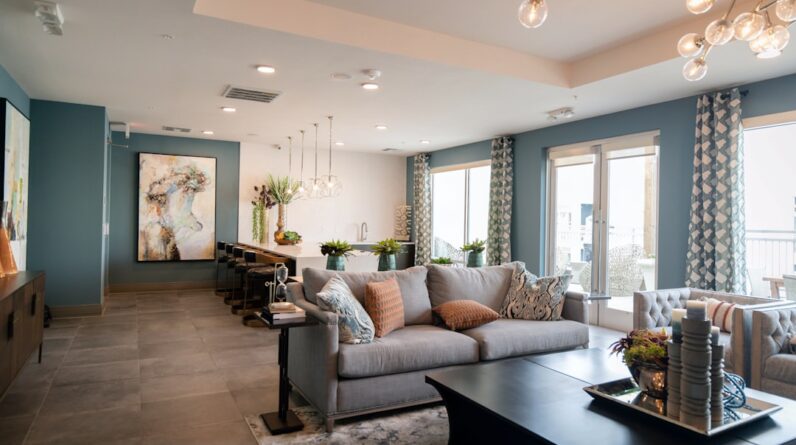
One of the most appealing aspects of urban industrial design is the emphasis on open spaces and high ceilings. These features not only enhance the overall aesthetic but also contribute to a sense of freedom and airiness within your home. If you have the opportunity to work with an open floor plan, take advantage of it by arranging your furniture in a way that encourages flow and interaction.
High ceilings can be accentuated through the use of vertical elements such as tall bookshelves or hanging light fixtures. You might also consider incorporating large artwork or statement pieces that draw the eye upward, creating a sense of grandeur in your space. By embracing open spaces and high ceilings, you can cultivate an environment that feels expansive and inviting, perfect for both relaxation and social gatherings.
Mixing Modern and Vintage Pieces

A hallmark of urban industrial design is the seamless blending of modern and vintage pieces. This eclectic approach allows you to create a space that feels curated and personal rather than overly polished or uniform. You might choose to incorporate vintage furniture or decor items that have character and history, juxtaposing them with sleek modern designs for a balanced look.
When mixing these styles, consider how different pieces complement each other in terms of color, texture, and form. For instance, pairing a mid-century modern chair with an antique wooden table can create an intriguing contrast that adds depth to your design. This combination not only showcases your individual taste but also tells a story about the evolution of design over time.
By thoughtfully curating your collection of modern and vintage pieces, you can achieve a harmonious blend that embodies the spirit of urban industrial design.
Industrial Lighting and Fixtures
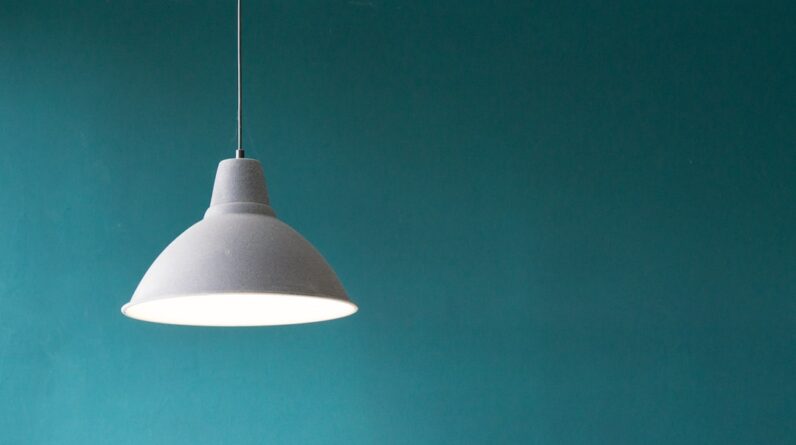
Lighting plays a crucial role in urban industrial design, as it can dramatically influence the mood and functionality of your space. Industrial-style lighting fixtures often feature raw materials such as metal or glass, contributing to the overall aesthetic while providing ample illumination. You might consider incorporating pendant lights with exposed bulbs or vintage-inspired sconces to enhance the industrial vibe.
In addition to functional lighting, think about how you can use lighting as a decorative element. Statement chandeliers or oversized floor lamps can serve as focal points in your design, drawing attention to specific areas while adding character to the room. Layering different types of lighting—ambient, task, and accent—can create a dynamic atmosphere that adapts to various activities throughout the day.
By selecting industrial lighting fixtures that resonate with your style, you can elevate your space while maintaining its core aesthetic.
Tips for Achieving Urban Industrial Design in Your Home
To successfully achieve urban industrial design in your home, start by assessing your existing space and identifying key features that align with this aesthetic. Look for opportunities to expose raw materials or incorporate elements like open floor plans and high ceilings. If renovations are feasible, consider removing non-load-bearing walls or adding large windows to enhance natural light.
Next, focus on curating your furniture and decor thoughtfully. Seek out pieces that reflect both modern sensibilities and vintage charm, ensuring they complement one another in terms of color and texture. Don’t hesitate to mix different styles; this eclectic approach is at the heart of urban industrial design.
Finally, pay attention to lighting and accessories. Choose fixtures that embody an industrial feel while providing adequate illumination for your needs. Incorporate artwork or decorative items that resonate with your personal style but also align with the overall aesthetic.
By following these tips and embracing the principles of urban industrial design, you can create a space that feels authentic, inviting, and uniquely yours—a true reflection of your lifestyle within an urban context.
FAQs
What is urban industrial design in interior design?
Urban industrial design in interior design is a style that incorporates elements of urban living and industrial aesthetics. It often features raw materials such as exposed brick, concrete, and metal, as well as utilitarian objects and furniture.
What are the key characteristics of urban industrial design?
Key characteristics of urban industrial design include exposed structural elements, such as pipes and ductwork, as well as a mix of raw and refined materials. It often features a neutral color palette with pops of industrial-inspired colors, and incorporates vintage or salvaged items.
How can I incorporate urban industrial design into my home?
You can incorporate urban industrial design into your home by using raw materials such as reclaimed wood, metal, and concrete. You can also add industrial-inspired lighting fixtures, furniture with a utilitarian aesthetic, and vintage or salvaged items to create an urban industrial look.
What are some popular color schemes for urban industrial design?
Popular color schemes for urban industrial design include neutral tones such as grey, black, and white, as well as industrial-inspired colors like rust, copper, and deep blues. These colors help to create a modern, yet rugged and industrial feel.
What are some key furniture pieces for urban industrial design?
Key furniture pieces for urban industrial design include items with a utilitarian aesthetic, such as metal and wood tables, industrial-inspired lighting fixtures, leather or distressed upholstery, and vintage or salvaged items. These pieces help to create an urban industrial look in a space.