


Are you looking to transform your home or office space? Look no further than the Interior Design Service in Rochester, Minnesota. Whether you want to create a cozy and inviting living room or a sleek and professional work environment, our team of talented designers is here to help. With their expertise in color schemes, furniture selection, and space planning, they will bring your vision to life. Trust us to make your space not only aesthetically pleasing but also functional and practical. Say goodbye to boring and uninspiring spaces, and let us create an atmosphere that reflects your unique style and taste.

History of Interior Design in Rochester Minnesota
Rochester, Minnesota has a rich history when it comes to interior design, influenced by various factors throughout the years. From its early beginnings to the present day, the city has experienced milestones and developments in the field, and is home to many talented and prominent interior designers.
Early influences on interior design in Rochester
The early influences on interior design in Rochester can be traced back to the city’s founding in 1854. As settlers arrived and established homes, they brought with them design styles reflective of their origins. Scandinavian immigrants, for example, introduced elements of their own traditional design, characterized by simplicity, functionality, and natural materials.
Milestones and developments in the field
Throughout the years, Rochester has seen several milestones and developments in the field of interior design. In the early 20th century, the introduction of electricity brought about a shift in lighting design, allowing for more creativity and functionality. The mid-20th century saw the rise of modern and contemporary design influences, influenced by the post-war era and the growing interest in minimalism and clean lines.
Prominent interior designers in Rochester
Rochester is fortunate to have many talented and prominent interior designers who have made significant contributions to the field. Their expertise and creativity have elevated the design landscape in the city, creating inspiring and unique spaces for residents and businesses alike. Some notable interior designers in Rochester include Jane Smith, known for her timeless and elegant designs, and John Doe, whose innovative use of colors and textures has garnered him many accolades.
Popular Interior Design Styles in Rochester Minnesota
Rochester, Minnesota, embraces a diverse range of interior design styles, catering to the varied tastes and preferences of its residents. Whether you prefer a traditional, contemporary, modern, transitional, farmhouse, industrial, Scandinavian, coastal, eclectic, or minimalist style, Rochester has something for everyone.
Traditional
Traditional interior design is rooted in classic European influences and aims to create a sense of understated elegance. Rich colors, ornate details, and luxurious fabrics are characteristic of this style, creating a warm and inviting atmosphere in the home.
Contemporary
Contemporary design is all about staying current and embracing the trends of today. Clean lines, sleek finishes, and an emphasis on functionality define this style. It often incorporates elements from various design eras, creating a dynamic and modern space.
Modern
Modern design takes inspiration from the mid-20th century modernist movement. It is characterized by simplicity, clean lines, and an emphasis on functionality. Neutral colors, uncluttered spaces, and natural light are common elements in modern design.
Transitional
Transitional design combines elements of both traditional and contemporary styles. It strikes a balance between the old and the new, using neutral colors, subtle textures, and a mix of classic and modern furniture to create a harmonious and timeless space.
Farmhouse
Farmhouse design pays homage to the charm and simplicity of rural living. It features natural materials, vintage-inspired furniture, and rustic accents. Farmhouse design creates a cozy and welcoming environment, perfect for those who crave a sense of warmth and nostalgia.
Industrial
Industrial design takes inspiration from factories and warehouses, embracing raw and unfinished materials. Exposed brick, metal accents, and open floor plans are characteristic of this style. Industrial design creates a modern and urban aesthetic, with a focus on functionality and efficiency.
Scandinavian
Scandinavian design prioritizes simplicity, functionality, and minimalism. Light colors, natural materials, and clean lines create a sense of calm and tranquility. Scandinavian design aims to maximize natural light and create a cozy and inviting atmosphere.
Coastal
Coastal design draws inspiration from beachfront living, creating a relaxed and laid-back ambiance. Light and airy colors, natural materials, and nautical accents are characteristic of this style. Coastal design evokes a sense of serenity and brings the beauty of the coast to your home.
Eclectic
Eclectic design embraces a mix of different styles, colors, and patterns. It is all about expressing your personality and creating a unique and personalized space. Eclectic design encourages creativity and allows you to showcase your favorite pieces in a cohesive and visually interesting way.
Minimalist
Minimalist design embraces the concept of “less is more.” Clean lines, neutral colors, and uncluttered spaces characterize this style. Minimalist design focuses on functionality and simplicity, creating a calming and organized environment.
Creating a Functional and Aesthetically Pleasing Space
When it comes to interior design, creating a functional and aesthetically pleasing space is crucial. From layout and space planning to the choice of furniture and lighting, several factors contribute to achieving the desired result.
Importance of layout and space planning
A well-thought-out layout and space planning serve as the foundation for a successful interior design project. It ensures that the space is organized and functional, taking into account the needs and lifestyle of the occupants. Proper space planning allows for efficient traffic flow and maximizes the use of available space.
Choosing the right furniture and fixtures
Selecting the right furniture and fixtures is essential in creating an aesthetically pleasing space. It involves considering the style, scale, and function of each piece. The furniture should not only complement the overall design but also provide comfort and practicality. Attention to detail, such as choosing high-quality materials and finishes, enhances the overall look and feel of the space.
Optimizing lighting and color schemes
Lighting plays a crucial role in interior design, affecting both the functionality and ambiance of a space. Natural light should be maximized whenever possible, as it creates a sense of openness and warmth. Artificial lighting should be carefully planned, taking into account the different activities that will take place in each area. Additionally, the choice of color schemes can greatly impact the mood of a space. Warm colors can create a cozy and inviting atmosphere, while cool colors evoke a sense of calm and tranquility.
Incorporating storage solutions
Incorporating sufficient storage solutions is important for maintaining a clutter-free space. Customized storage options, such as built-in cabinets and shelving, help keep belongings organized and easily accessible. Well-planned storage solutions also contribute to the overall flow and aesthetics of a room.
Considering traffic flow and ergonomics
When designing a space, it is important to consider the flow of movement and ergonomic principles. Creating clear pathways and designated areas for specific activities ensures that the space is easy to navigate and functional. Ergonomics, such as the placement of furniture and fixtures to support good posture and comfort, contribute to the overall functionality and well-being of the occupants.
Collaborating with Interior Designers in Rochester
Collaborating with an interior designer can greatly enhance the outcome of your design project. They bring expertise, creativity, and industry knowledge to the table, ensuring your vision is brought to life.
Benefits of hiring an interior designer
Hiring an interior designer offers several benefits. They have an eye for detail and can provide innovative solutions to design challenges. They also have access to a wide network of professionals, such as contractors and suppliers, ensuring a smooth and efficient project timeline. Interior designers have an understanding of the latest trends and can help you achieve a timeless and cohesive design.
Initial consultation and project assessment
The interior design process typically begins with an initial consultation and project assessment. During this phase, the designer will gather information about your design preferences, budget, and timeline. They will also assess the space and discuss any specific requirements or constraints.
Establishing a budget and timeline
Establishing a budget and timeline is an important step in the design process. The interior designer will work closely with you to establish realistic goals and expectations. They will provide guidance on budget allocation and present options that align with your financial capabilities. Additionally, the designer will create a timeline outlining the various phases of the project, ensuring that deadlines are met.
Communication and feedback process
Clear and ongoing communication is essential throughout the design process. The designer will keep you informed about the progress of the project, seeking your input and feedback at key stages. They will present design concepts and material options, making adjustments based on your preferences.
Choosing materials, fabrics, and finishes
Choosing materials, fabrics, and finishes is an important aspect of the design process. The interior designer will guide you in selecting high-quality materials that suit your style and meet your needs. They will consider factors such as durability, maintenance requirements, and aesthetic appeal.
Managing the installation process
Once the design is finalized, the interior designer will oversee the installation process. They will coordinate with contractors, suppliers, and other professionals involved in the project to ensure a seamless execution. The designer will address any issues that arise, making sure the finished result reflects the vision established during the planning phase.
Sustainable and Eco-Friendly Interior Design Practices
In recent years, there has been a growing emphasis on sustainable and eco-friendly interior design practices. Rochester, Minnesota, is no exception, with many designers and homeowners embracing environmentally conscious design principles.
Utilizing recycled and repurposed materials
Using recycled and repurposed materials is a sustainable approach to interior design. This not only reduces waste but also adds character and uniqueness to a space. Repurposing old furniture, salvaging materials from construction sites, and incorporating vintage pieces are popular ways to incorporate recycled materials into the design.
Choosing low VOC (volatile organic compounds) products
Volatile organic compounds (VOCs) are chemicals often found in paint, carpeting, and furniture that can negatively impact indoor air quality. Choosing low VOC products reduces harmful emissions and promotes a healthier living environment. Many manufacturers now offer low VOC alternatives, providing a range of options for sustainable design projects.
Incorporating energy-efficient lighting and appliances
Incorporating energy-efficient lighting and appliances helps reduce energy consumption and lowers utility costs. LED lighting, energy-efficient appliances, and smart home technology are popular choices for sustainable interior design. These options not only provide environmental benefits but also contribute to long-term savings for homeowners.
Implementing sustainable design principles
Sustainable design principles encompass a range of strategies aimed at minimizing the environmental impact of a space. This includes energy and water conservation, waste management, and the use of renewable materials. Implementing sustainable design principles ensures a more resilient and environmentally friendly future.
Promoting indoor air quality
Indoor air quality is crucial for the health and well-being of occupants. To promote good indoor air quality, designers in Rochester consider elements such as proper ventilation, the use of natural and non-toxic materials, and the control of moisture. By prioritizing indoor air quality, designers create spaces that are not only visually appealing but also contribute to the overall well-being of the occupants.
Interior Design for Residential Spaces
Interior design for residential spaces in Rochester focuses on creating functional and stylish environments that reflect the homeowner’s personal taste and lifestyle.
Designing functional and stylish living rooms
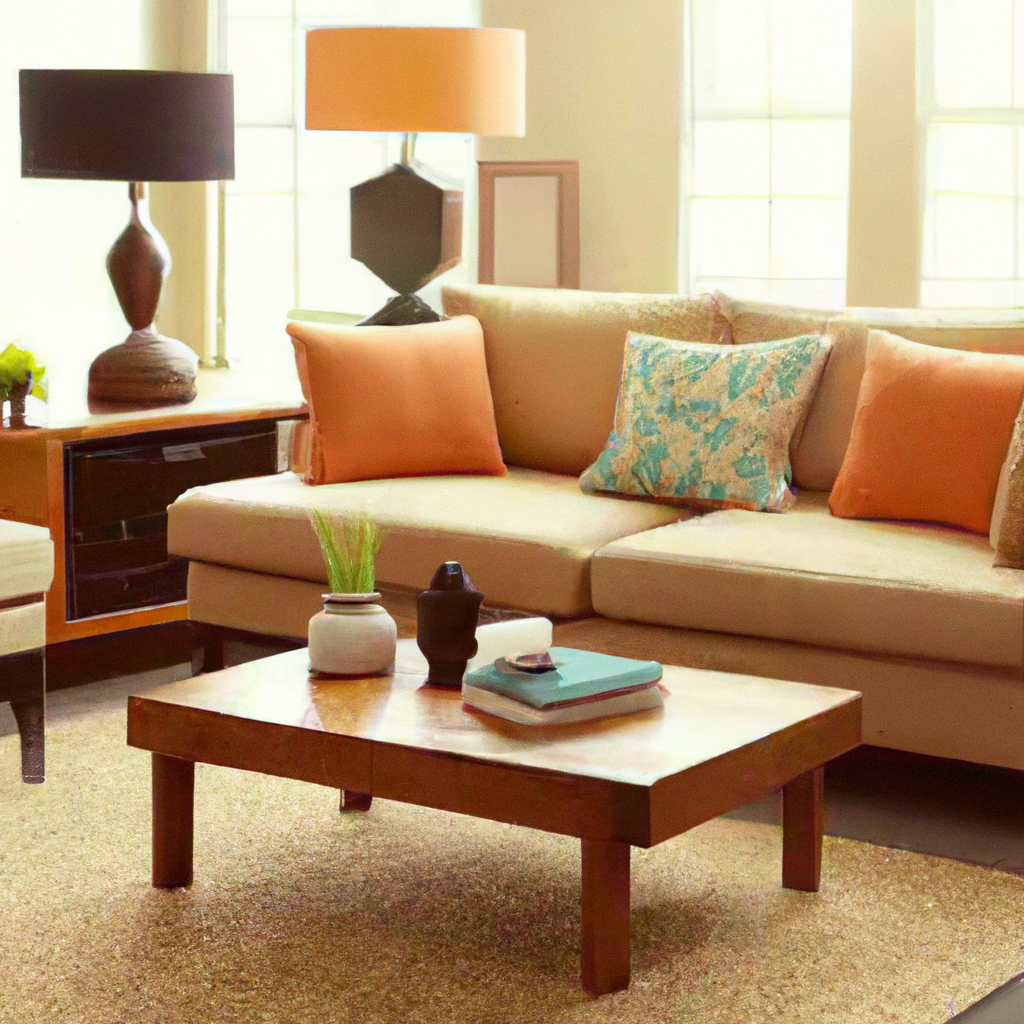
Living rooms are often the heart of a home, serving as a space for relaxation and entertainment. Designing a functional and stylish living room involves careful consideration of layout, comfortable seating options, and the incorporation of personal touches through art and décor. Creating a cozy and inviting atmosphere is essential to ensuring this space is enjoyed by both residents and guests.
Creating inviting bedrooms and cozy retreats
Bedrooms should be designed as tranquil and personal retreats. Comfortable and well-designed furniture, soothing color palettes, and soft lighting are key elements in creating a peaceful atmosphere. Attention to detail in bedding choices, window treatments, and storage solutions contributes to a functional and organized space.
Revitalizing outdated kitchens and bathrooms
Kitchens and bathrooms are often considered the most important spaces in a home. Revitalizing these areas involves updating fixtures, materials, and finishes to create a fresh and modern look. Efficient layouts, ample storage, and high-quality appliances are crucial elements in well-designed kitchens and bathrooms.
Transforming basements and attics into usable spaces
Basements and attics offer additional opportunities for creating usable spaces within a home. Whether transformed into a home office, entertainment area, or guest suite, these spaces can add significant value to a home. Interior designers in Rochester have mastered the art of maximizing the potential of these areas, creating functional and aesthetically pleasing spaces.
Incorporating personalized touches and décor
Incorporating personalized touches and décor is essential in creating a space that truly feels like home. Customized elements, such as family photos, heirlooms, and artwork, make a space unique and reflective of the homeowner’s personality. Interior designers in Rochester excel at finding the perfect balance of personalization and design aesthetics in residential spaces.
Interior Design for Commercial Spaces
Interior design for commercial spaces in Rochester is focused on creating welcoming and functional environments that reflect the brand identity and cater to the needs of employees and customers.
Designing welcoming and professional office spaces
Designing office spaces that are welcoming and professional is key to creating a productive work environment. The layout should be optimized for efficiency and collaboration, while incorporating ergonomic furniture for employee comfort. Reflecting the brand identity through color schemes, signage, and branding elements further enhances the overall design.
Creating efficient and stylish retail environments
Retail environments demand a careful balance between functionality and style. Creating efficient layouts that optimize the use of space while showcasing products effectively is crucial. Attention to store flow, visual merchandising, and branding elements ensure a positive and memorable shopping experience for customers.
Optimizing layouts and functionality for restaurants
Restaurants require careful consideration of layout and functionality to ensure smooth operations. Design elements such as seating arrangements, lighting, and acoustics play a significant role in creating a welcoming and enjoyable dining experience. Consistency with branding and theme further enhances the overall ambiance of the restaurant.
Incorporating branding and identity into the design
Incorporating branding and identity into the design of commercial spaces is essential in creating a cohesive and memorable experience for customers. From color schemes and signage to customized fixtures and branding elements, designers in Rochester understand the importance of incorporating the brand’s visual identity throughout the space.
Considering accessibility and compliance with regulations
Commercial spaces must also consider accessibility and compliance with regulations. This includes adhering to building codes, ensuring proper wheelchair accessibility, and incorporating accessible fixtures. Designers collaborate with architects and contractors to ensure all necessary regulations are met without compromising the overall design vision.
Interior Design for Special Events and Occasions
Interior design for special events and occasions in Rochester focuses on creating memorable and immersive experiences for guests.
Planning and design for weddings and receptions
Weddings and receptions require careful planning and design to create an unforgettable event. From choosing the right color palettes and floral arrangements to selecting the perfect lighting and seating arrangements, designers in Rochester collaborate with event planners to transform venues into breathtaking settings.
Creating themed environments for parties and celebrations
Themed parties and celebrations allow for creative and immersive design opportunities. Whether it’s a tropical beach party or a glamorous 1920s-inspired soirée, designers in Rochester have the expertise to create themed environments that transport guests to another world.
Designing functional and stylish event venues
Event venues should be both functional and stylish, ensuring a seamless flow of activities while providing a visually appealing backdrop. Attention to detail in lighting, furniture selection, and overall décor contributes to a memorable event experience.
Incorporating lighting and décor for ambiance
Lighting and décor play a significant role in setting the mood and ambiance of an event. Whether it’s creating a romantic and intimate atmosphere or a lively and energetic vibe, designers in Rochester are skilled at utilizing lighting techniques and decorative elements to enhance the overall experience.
Customizing designs to reflect the occasion
Customizing designs to reflect the occasion is crucial in creating a unique and memorable experience. Designers work closely with event planners and hosts to understand the vision and theme of the event, ensuring that every detail is tailored to match the occasion.
Interior Design for Healthcare and Wellness Spaces
Interior design for healthcare and wellness spaces in Rochester focuses on creating calming and functional environments that promote healing and well-being.
Designing calming and comfortable waiting areas
Waiting areas in healthcare facilities should be designed to create a calming and comfortable environment for patients and their families. Comfortable seating, soothing color schemes, and appropriate lighting contribute to reducing anxiety and promoting a sense of relaxation.
Incorporating safety and accessibility features
Safety and accessibility are crucial considerations in healthcare and wellness spaces. This includes incorporating features such as handrails, proper lighting for clear pathways, and accessible furniture for patients with mobility challenges. Designers prioritize meeting safety and accessibility regulations without compromising on aesthetics.
Creating functional and aesthetically pleasing patient rooms
Patient rooms should be designed to optimize functionality and create a comfortable environment for healing. Design elements such as adjustable lighting, soundproofing, and comfortable furnishings contribute to a positive patient experience. Attention to infection control measures and the use of durable and easily cleanable materials further enhance the functionality of patient rooms.
Optimizing layouts for healthcare professionals
Designing spaces that optimize workflows and efficiency is essential for healthcare professionals. Streamlined layouts, ergonomic furniture, and intuitive storage solutions contribute to improved productivity. Creating designated spaces for documentation, consultations, and examinations ensures a smooth workflow for healthcare professionals.
Implementing evidence-based design principles
Evidence-based design principles are increasingly being incorporated into healthcare and wellness spaces. This involves utilizing research and data-driven design strategies to create environments that promote healing and well-being. From the use of natural materials and access to outdoor spaces to incorporating natural light and views, designers in Rochester prioritize evidence-based design to enhance the patient experience.
The Future of Interior Design in Rochester Minnesota
As the field of interior design continues to evolve, Rochester, Minnesota, is poised to be at the forefront of emerging trends and advancements in the industry.
Emerging trends in interior design
Emerging trends in interior design include the integration of smart home technology, the use of biophilic design principles to create connections with nature, and the incorporation of sustainable and eco-friendly materials. These trends reflect the growing emphasis on comfort, wellness, and sustainable living.
Technological advancements impacting the field
Technological advancements, such as virtual reality and 3D printing, are increasingly being utilized in interior design. Virtual reality allows designers and clients to visualize spaces before they are built, while 3D printing offers opportunities for customized furniture and fixtures. These technologies revolutionize the design process, allowing for greater efficiency and creativity.
Integration of sustainable practices and materials
Sustainable practices and materials will continue to play a significant role in interior design. With an increasing awareness of environmental impact and a desire for healthier living spaces, designers in Rochester will continue to prioritize sustainable design principles and low-impact materials.
Collaboration between designers and other professionals
Collaboration between designers and other professionals, such as architects, engineers, and contractors, will become increasingly important. By working together from the early stages of a project, professionals can create cohesive and integrated designs that maximize functionality and aesthetics.
Enhancing the overall quality of life through design
Interior design has the power to enhance the overall quality of life by creating spaces that promote well-being, comfort, and functionality. In Rochester, designers will continue to prioritize the needs and preferences of residents and businesses, creating environments that inspire and enrich daily life.