


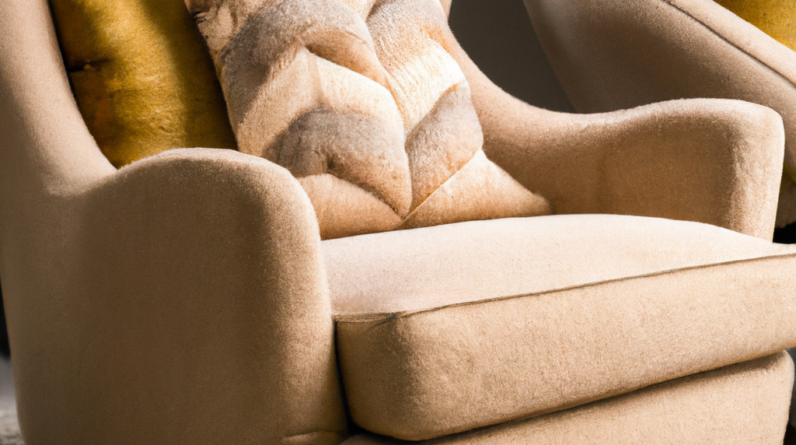
Are you looking to transform your home into a beautiful and functional space? Look no further than Interior Design Service Round Rock Texas. With their expertise and attention to detail, they can help you create the home of your dreams. From choosing the perfect color palette to selecting furniture and accessories that complement your style, their team of skilled designers will guide you through the entire process. Whether you’re looking to update a single room or redesign your entire home, Interior Design Service Round Rock Texas is here to make your vision a reality.
About Round Rock, Texas
Location and Overview
Located in the Central Texas region, Round Rock is a vibrant city situated just 20 miles north of downtown Austin. With its strategic location along the Interstate 35 corridor, this fast-growing city is known for its economic development and quality of life. Round Rock offers a perfect blend of urban amenities and natural beauty, making it an attractive place to live, work, and play.
Population and Demographics
As of 2021, Round Rock has a population of approximately 135,000 residents. The city has experienced a steady population growth over the years due to its thriving economy and affordable housing options. Round Rock’s demographics are diverse, with a mix of families, young professionals, and retirees. The city’s median age is around 35 years, and the population comprises a variety of ethnicities and backgrounds.
Economic Profile
Round Rock’s economy is robust and diverse, with a strong emphasis on technology, education, healthcare, retail, and manufacturing. The city is home to several major corporations, including Dell Technologies, which has its global headquarters in Round Rock. The presence of these companies has contributed to job growth and economic stability in the region. Additionally, Round Rock boasts a business-friendly climate, making it an ideal location for entrepreneurs and startups.
Importance of Interior Design
Creating Functional Spaces
Interior design plays a crucial role in creating functional spaces that meet your specific needs and lifestyle. A skilled interior designer can analyze your space and optimize its layout to maximize efficiency and usability. Whether it’s a residential or commercial property, a well-designed space enhances the flow of movement, optimizes storage solutions, and ensures that every aspect of the space serves a purpose.
Enhancing Aesthetics
Beyond functionality, interior design is essential for enhancing the aesthetics of a space. With careful selection of colors, textures, furniture, and accessories, an interior designer can transform a dull or outdated space into a visually appealing environment. By incorporating design principles such as balance, proportion, and harmony, an expert designer can create a welcoming and visually pleasing atmosphere that reflects your personal style and preferences.
Increasing Property Value
Investing in professional interior design can significantly increase the value of your property. Well-designed spaces are highly sought after by potential buyers and tenants, as they leave a lasting impression and contribute to a sense of luxury and comfort. A skillfully designed interior can increase the appeal of your property and set it apart from others, ultimately commanding a higher price in the real estate market.
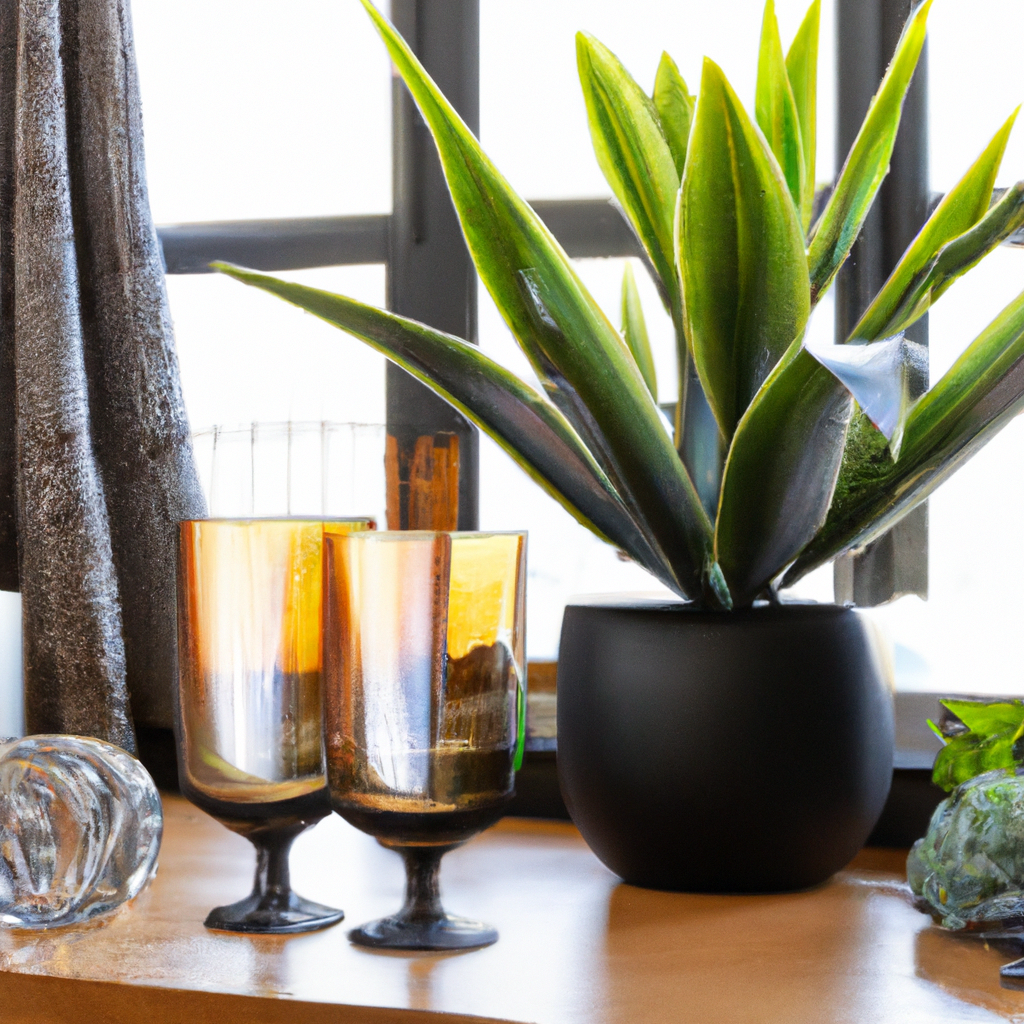
Professional Interior Design Services
What is Interior Design
Interior design is a multifaceted profession that involves creating aesthetically pleasing and functional spaces. It encompasses the art and science of enhancing the interior of a building to meet the needs of its occupants. Interior designers possess a deep understanding of design principles, space planning, color theory, materials, and construction techniques. They work closely with clients to translate their vision into reality while considering the practical and technical aspects of the project.
Types of Interior Design Services
Interior design services can range from a simple room makeover to a comprehensive redesign of an entire property. Some common types of interior design services include residential design, commercial design, hospitality design, healthcare design, and sustainable design. Whether you’re looking to revamp your home, office, restaurant, or hotel, there is an interior design service tailored to your specific needs and goals.
Benefits of Hiring a Professional
Hiring a professional interior designer brings numerous benefits to your project. Firstly, they have the expertise and experience to translate your ideas into a cohesive and visually stunning design. They stay updated with the latest design trends, materials, and technology, ensuring that your space is both timeless and functional. Additionally, an interior designer has established connections with suppliers, contractors, and artisans, streamlining the project process and ensuring its timely completion.
Finding the Right Interior Design Service
Understanding Your Needs
Before engaging with an interior design service, it’s essential to have a clear understanding of your needs and objectives. Consider the purpose of the space, your lifestyle, and any specific requirements you may have. Do you need more storage? Are you looking for a specific color scheme? Understanding your needs will enable you to communicate effectively with the designer and ensure that their vision aligns with yours.
Researching Designers and Firms
Finding the right interior design service requires thorough research. Start by seeking recommendations from friends, family, or colleagues who have worked with interior designers in the past. Online platforms and review websites can also provide valuable insights into the reputation and quality of different designers and firms. Take the time to review portfolios, read client testimonials, and assess their expertise in projects similar to yours.
Checking Credentials and Portfolio
When evaluating interior designers, it’s crucial to check their credentials and qualifications. Look for designers who are licensed, certified, or affiliated with professional organizations such as the American Society of Interior Designers (ASID). Additionally, closely examine their portfolio to gauge their design style, attention to detail, and versatility. A well-curated portfolio showcases the designer’s range of skills and demonstrates their ability to cater to diverse design preferences.

Factors to Consider for Interior Design
Budget
Establishing a budget is an essential step in any interior design project. Have a clear understanding of how much you’re willing to invest in the design and implementation. Remember that the cost will vary based on the scope of work, the size of the space, and the quality of materials. Consult with your chosen interior designer, who can guide you on budget allocation and recommend cost-effective alternatives without compromising on design integrity.
Style and Theme
The style and theme of your interior design should reflect your personality and preferences. From classic to contemporary, minimalist to eclectic, there are numerous design styles to choose from. Consider the existing architecture and aesthetics of your property and how your design choices can complement or enhance them. Collaborate with your designer to develop a cohesive design concept that resonates with your personal style.
Functionality and Practicality
While aesthetics are important, the functionality and practicality of your space should not be overlooked. Think about how you intend to use the space and what specific features or functionalities are essential for your daily activities. An experienced interior designer will consider factors such as traffic flow, ergonomics, storage, and accessibility when conceptualizing the design plan, ensuring that your space is both beautiful and practical.
Timeframe
Establishing a timeframe for your interior design project is crucial to manage expectations and ensure a smooth process. Discuss your desired completion date with your designer and factor in any additional time required for design approvals, material procurement, and construction or installation. Keep in mind that more complex or larger-scale projects may require a longer timeframe, so it’s essential to communicate any specific deadlines or time constraints from the outset.
Collaboration and Communication
Initial Consultation
The initial consultation is a crucial step in the interior design process. It’s an opportunity for you to discuss your ideas, expectations, and goals with the designer. During this meeting, the designer will gather information about your project, assess the space, and discuss the scope of work, budget, and timeline. It’s important to provide as much detail as possible to ensure that the designer understands your vision and can develop a tailored design solution.
Concept Development
After the initial consultation, the designer will start developing design concepts based on the information gathered. This phase involves creating sketches, 3D renderings, or mood boards to visually represent the proposed design. Collaborate closely with the designer during this stage, providing feedback and sharing your thoughts on the designs presented. Effective communication ensures that the final design aligns with your vision while incorporating the designer’s expert touch.
Material Selection
Once the design concept is approved, the next step is material selection. This involves choosing finishes, fabrics, colors, furniture, lighting, and other elements that bring the design to life. An experienced interior designer will guide you through the selection process, recommending durable and high-quality materials that align with your design goals and budget. They will also liaise with suppliers and artisans to ensure timely delivery of materials and components.
Construction and Installation
The construction and installation phase is where the design concepts are transformed into reality. Your selected interior designer will collaborate with contractors, artisans, and suppliers to oversee the execution of the project. Regular site visits and progress meetings will be conducted to ensure that the design is implemented according to plan. Your interior designer will handle any necessary modifications or troubleshooting and strive to meet the agreed-upon timeline and quality standards.
Popular Interior Design Styles
Traditional
Traditional interior design reflects timeless elegance with its rich colors, intricate details, and ornate furnishings. This style embraces classic architectural elements and incorporates antiques and heirloom pieces to create a sophisticated and refined atmosphere.
Modern
Modern interior design emphasizes simplicity, clean lines, and a minimalist aesthetic. This style often incorporates open spaces, neutral color palettes, and sleek finishes. Modern design focuses on function and creates an uncluttered and streamlined environment.
Contemporary
Contemporary design is characterized by its fluidity and adaptability, often incorporating elements from various styles. It emphasizes a balance between form and function, with a focus on innovative materials, bold accents, and a cohesive color scheme.
Transitional
Transitional design blends traditional and contemporary elements, creating a harmonious balance between old and new. It combines the warmth and familiarity of traditional design with the clean lines and simplicity of modern design, resulting in a timeless and comfortable space.
Industrial
Industrial design draws inspiration from raw, unfinished materials such as exposed brick, concrete, and metal. It embraces a utilitarian aesthetic with a focus on functionality. This style often features open spaces, exposed beams, and minimalistic furnishings.
Coastal
Coastal design is synonymous with relaxation and tranquility, inspired by coastal landscapes and beachfront living. This style incorporates light colors, natural textures, and oceanic motifs to create a breezy and serene atmosphere.
Interior Design Tips for Round Rock Homes
Choosing Colors and Textures
When selecting colors and textures for your Round Rock home, consider the region’s natural beauty and climate. Opt for warm, earthy tones, and natural materials that blend seamlessly with the surrounding landscape. Accentuate your space with vibrant pops of color inspired by the city’s lively atmosphere.
Maximizing Natural Light
Round Rock experiences abundant sunshine throughout the year, making natural light a valuable design element. Incorporate large windows, skylights, and light-colored finishes to maximize the entry of natural light into your home. Utilize sheer curtains or window treatments that allow sunlight to illuminate your space while maintaining privacy.
Space Planning and Furniture Arrangement
Effective space planning and furniture arrangement are vital to ensure optimal flow and functionality. Consider the size and proportions of your rooms when selecting furniture, ensuring that it complements the overall design and doesn’t overcrowd the space. Create designated areas for different activities, such as reading nooks or entertainment zones.
Adding Personal Touches
Infuse your Round Rock home with personal touches that reflect your hobbies, interests, and memories. Incorporate artwork, photographs, and sentimental items that add personality to your space. Customize your design with unique accessories and decorative elements that epitomize your individuality.
Incorporating Local Elements
Celebrate the local culture and history of Round Rock by incorporating local elements into your design. Consider integrating artwork by local artists, using materials sourced from the region, or displaying memorabilia that pays tribute to the city’s landmarks and heritage. This adds a distinct and meaningful touch to your interior design.
Sustainable and Eco-Friendly Design
Benefits of Green Design
Sustainable and eco-friendly design not only benefits the environment but also provides numerous advantages for homeowners. Green design promotes energy efficiency, reduces waste, minimizes carbon footprint, and improves indoor air quality. It creates healthier and more sustainable living spaces while reducing utility costs in the long run.
Using Recycled and Renewable Materials
Incorporating recycled and renewable materials is a cornerstone of sustainable design. Opt for furniture, flooring, and finishes made from reclaimed or repurposed materials. Utilize naturally renewable resources such as bamboo and cork. This reduces the demand for new materials and minimizes the environmental impact associated with extraction and production processes.
Energy Efficiency and Conservation
Energy-efficient design plays a crucial role in sustainable interiors. Incorporate energy-saving appliances, LED lighting, and programmable thermostats to minimize energy consumption. Consider window treatments that enhance insulation and reduce heat gain or loss. Integrate smart technologies that allow for efficient control of lighting, heating, and cooling systems.
Indoor Air Quality
Ensuring good indoor air quality is essential for a healthy living environment. Select low VOC (Volatile Organic Compound) paints, adhesives, and finishes that do not release harmful toxins into the air. Install proper ventilation systems that promote adequate airflow and reduce indoor pollutants. Incorporate natural materials and plants that purify the air and contribute to a fresher and cleaner space.
Interior Design and Home Staging
Preparing a Home for Sale
Home staging is a valuable tool for attracting potential buyers and creating a favorable first impression. A professional interior designer can help you prepare your Round Rock home for sale by depersonalizing and decluttering the space, enhancing its visual appeal, and highlighting its key features. Effective staging can significantly minimize the time your home spends on the market and potentially increase its selling price.
Highlighting Key Features
An experienced interior designer understands how to accentuate the unique features of your home. Whether it’s a stunning fireplace, panoramic views, or architectural details, they can strategically arrange furniture and decor to draw attention to these focal points. This enhances the overall aesthetic appeal and leaves a lasting impression on potential buyers.
Depersonalizing and Neutralizing
Depersonalizing and neutralizing your home is crucial during the selling process. A designer can guide you on removing personal belongings and decor that may distract buyers from envisioning themselves living in the space. They will recommend a neutral color palette and furnishings that appeal to a wider range of buyers, creating a blank canvas for them to imagine their own style and possibilities.
Creating Emotional Connection
Successful home staging is all about creating an emotional connection between buyers and the property. A skilled interior designer understands how to evoke a positive emotional response through carefully curated furnishings, artwork, and accessories. They create a warm and inviting atmosphere that resonates with buyers, making them feel at home and more inclined to make an offer.
In conclusion, Round Rock, Texas, offers a thriving community with a booming economy and diverse population. The importance of interior design in this growing city cannot be overstated. Professional interior design services bring functionality, aesthetics, and increased property value to Round Rock homes. By understanding your needs and collaborating with skilled designers, you can transform your space into a visually stunning and fully functional environment. With a range of design styles to choose from, along with sustainable and eco-friendly options, Round Rock residents have the opportunity to create homes that reflect their personal style. By incorporating local elements and considering the region’s unique attributes, such as ample natural light, Round Rock homeowners can enhance their living spaces to truly embody the charm and vitality of this dynamic Texas city.