


Are you looking to transform the interior of your home or office in St. Paul, Minnesota? Look no further! Our Interior Design Service in St. Paul, Minnesota is here to help you create the space of your dreams. Whether you’re seeking a modern and sleek aesthetic or a cozy and inviting atmosphere, our team of talented designers will work closely with you to bring your vision to life. From selecting the perfect color palette to choosing the right furniture and decor, our experts will guide you through every step of the design process, ensuring that every detail is tailored to your unique style and preferences. Get ready to experience a space that not only looks stunning but also reflects your personality and enhances your daily life.

Residential Interior Design
Creating a Vision for Your Home
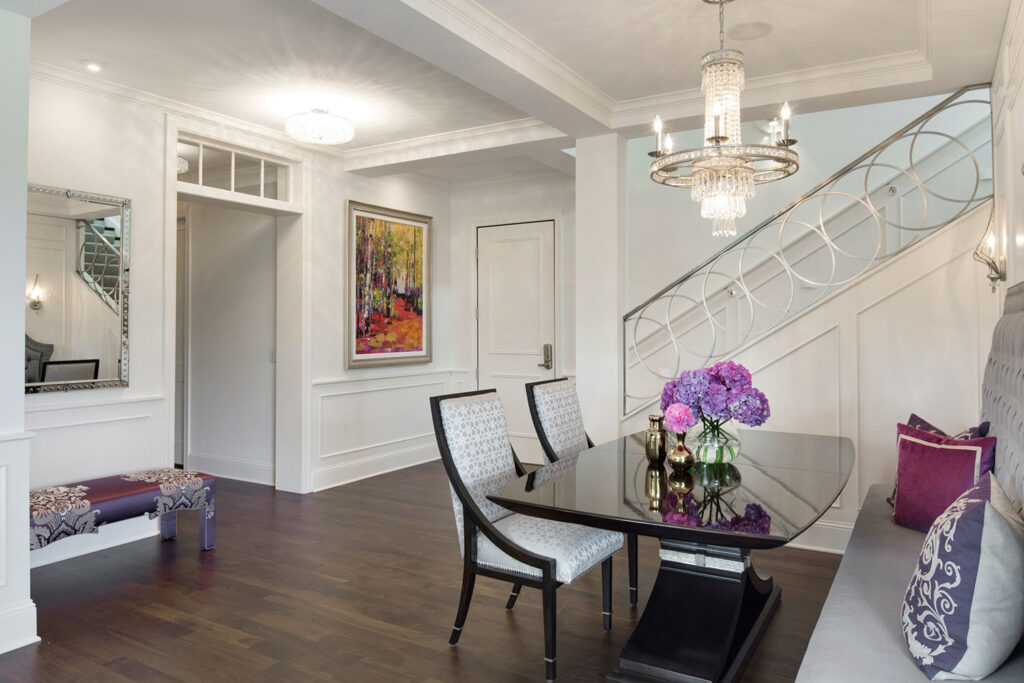
When it comes to residential interior design, one of the first steps is creating a vision for your home. This involves identifying your personal style, preferences, and the overall atmosphere you want to create within your living spaces. By taking into consideration your lifestyle, the functionality of the space, and your desired aesthetic, you can begin to develop a clear vision for your home.
Space Planning
Space planning is a crucial aspect of residential interior design. It involves optimizing the layout and arrangement of your furniture, fixtures, and accessories to ensure a functional and visually appealing space. Through careful consideration of traffic flow, furniture placement, and room proportions, a professional interior designer can help you utilize your space effectively, making the most of every square foot.
Color and Material Selection
Color and material selection play a significant role in setting the tone and mood of your home. Choosing the right color palette can create a sense of harmony and balance in a room, while the selection of materials can add texture and richness to the overall design. Working with an interior designer can help you navigate the vast array of choices available and ensure that the colors and materials you choose work together cohesively to achieve your desired look.
Furniture and Accessories
Selecting the right furniture and accessories is key in transforming a house into a home. A professional interior designer can guide you through the process of selecting furniture pieces that not only match your style but also meet your comfort and functionality needs. They can also assist in sourcing unique accessories that add personality and character to your space, ensuring that every item tells a story and contributes to your overall design concept.
Lighting and Fixtures
Lighting is another vital aspect of residential interior design. Properly designed lighting can enhance the ambiance of a room, highlight architectural features, and create a welcoming atmosphere. An interior designer will consider a combination of ambient, task, and accent lighting to achieve the desired effect in each space. They can also help select fixtures and bulbs that not only provide the right amount of light but also complement the overall design aesthetic of your home.
Commercial Interior Design
Designing Functional Workspaces
Commercial interior design focuses on creating functional workspaces that promote productivity and efficiency. Whether it is an office, retail store, or restaurant, a well-designed workspace can enhance employee morale and impress clients. A professional interior designer understands the unique needs of different industries and can create a layout and design that optimizes workflow and maximizes the use of space.
Branding and Identity
In commercial interior design, it is essential to consider the branding and identity of the business. The interior design of a commercial space should reflect the company’s mission, values, and overall brand identity. By incorporating elements such as the logo, color scheme, and brand messaging, an interior designer can help create a cohesive and memorable brand experience for customers and employees alike.
Ergonomics and Accessibility
Creating a workspace that prioritizes ergonomics and accessibility is crucial for the comfort and well-being of employees. From selecting ergonomic furniture to ensuring accessibility for individuals with disabilities, an interior designer can help design a space that promotes physical health and inclusivity.
Sustainable Design
Sustainability is becoming increasingly important in commercial interior design. Businesses are recognizing the importance of sustainable practices and incorporating eco-friendly design elements into their spaces. From using recycled materials to implementing energy-efficient lighting and HVAC systems, a professional interior designer can guide businesses in making environmentally conscious choices that align with their values.
Collaboration Areas
Collaboration is at the heart of many modern workspaces. Creating designated areas that foster collaboration and teamwork can enhance creativity and productivity. An interior designer can help identify the needs of the business and design collaborative spaces that encourage communication and innovation.

Custom Window Treatments
Blinds and Shades
Custom window treatments, such as blinds and shades, can add both functionality and style to your windows. Whether you prefer the sleek and clean lines of blinds or the softness and elegance of shades, a professional interior designer can help you select the right window treatments that suit your needs and preferences. Custom window treatments can also provide privacy and control the amount of natural light entering a room, allowing you to create the perfect ambiance.
Curtains and Drapes
Curtains and drapes are another popular choice for custom window treatments. They can add texture, color, and a touch of luxury to any space. An interior designer can assist you in selecting the right fabric, pattern, and style of curtains or drapes that complement your overall design concept. Custom curtains and drapes can also be tailored to fit your windows precisely, ensuring a polished and refined look.
Valances and Cornices
Valances and cornices are decorative elements that add a finishing touch to window treatments. They can act as a decorative accent, hiding the mounting hardware and providing a polished look. An interior designer can help you choose the right valances or cornices that complement your window treatments and add a touch of elegance to your space.
Motorized Window Treatments
Motorized window treatments offer convenience and functionality. With the touch of a button, you can adjust the level of natural light or privacy in a room. Motorized blinds, shades, curtains, and drapes can be seamlessly integrated into your smart home automation system, allowing you to control them remotely. An interior designer can work with you to incorporate motorized window treatments that align with your lifestyle and enhance the functionality of your space.
Custom Fabrication
Custom fabrication is an excellent option for those looking for unique and personalized window treatments. From custom-printed fabrics to handcrafted blinds or shades, the possibilities are endless. An interior designer can connect you with skilled craftsmen and artisans who can bring your custom window treatment ideas to life, ensuring that your windows become stunning focal points within your home.
Kitchen and Bathroom Design
Cabinetry and Storage Solutions
Cabinetry and storage solutions are essential components of kitchen and bathroom design. Intelligent storage solutions can maximize the use of space, improve organization, and enhance functionality. An interior designer can help you select the right cabinetry options, such as built-in shelving, pull-out drawers, and custom storage solutions, to create a kitchen or bathroom that is both visually appealing and highly functional.
Countertops and Backsplashes
Countertops and backsplashes are not only practical elements but also design features that can transform the look of a kitchen or bathroom. From granite and marble to quartz and tile, there are numerous options available. An interior designer can guide you through the selection process, considering factors such as durability, maintenance, and aesthetic appeal, to help you choose the perfect countertops and backsplashes that complement your overall design concept.
Appliances and Fixtures
Selecting the right appliances and fixtures is crucial for both the functionality and style of your kitchen and bathroom. An interior designer can assist you in navigating the vast array of options available, ensuring that your appliances and fixtures meet your needs, fit within your budget, and align with your design aesthetic.
Layout and Functionality
The layout and functionality of your kitchen and bathroom can significantly impact your daily routine. An interior designer can analyze the existing layout or work with architects and contractors to create a functional and efficient design. They can help optimize the flow of the space, consider ergonomic principles, and ensure that essential elements are easily accessible, making your kitchen and bathroom a joy to use.
Finishes and Materials
The finishes and materials used in your kitchen and bathroom can greatly enhance the overall aesthetic and create a cohesive design. From selecting the right flooring to coordinating the cabinetry finishes with the countertops and backsplashes, an interior designer can guide you in making choices that create a harmonious and visually stunning space.

Color Consulting
Choosing the Right Color Palette
Choosing the right color palette can make a significant difference in the overall look and feel of a room. An interior designer can assist you in selecting a color palette that reflects your personal style, suits the purpose of the space, and creates the desired atmosphere. From neutral tones to bold and vibrant hues, the possibilities are endless, and an interior designer can help you navigate the options to find the perfect colors for your home.
Color Psychology and Mood
Colors have the power to influence our moods and emotions. Understanding the psychology of colors can help you create a space that promotes relaxation, productivity, creativity, or any other desired mood. An interior designer can explain how different colors can impact mood and help you choose colors that align with the intended purpose of each room in your home.
Coordination with Existing Décor
When selecting a color palette, it is crucial to consider the existing décor in your home. An interior designer can help you coordinate the new colors with the furniture, flooring, and accessories already in place, ensuring a cohesive and harmonious look throughout your space. They can also suggest strategies for updating your existing décor to complement the new color scheme, if necessary.
Accent Walls and Focal Points
Accent walls and focal points can add visual interest and drama to a space. An interior designer can guide you in selecting the right walls to highlight and the appropriate colors to use. Whether you prefer a bold statement wall or a more subtle focal point, an interior designer can help you achieve a balanced and visually impactful result.
Paint and Wallpaper Selection
Choosing the right paint or wallpaper can be a daunting task with the vast array of options available. An interior designer can assist you in selecting the perfect paint finishes or wallpaper patterns that not only suit your style but also withstand the demands of daily life. They can recommend high-quality brands and finishes that ensure a long-lasting and beautiful result.
Furniture Selection and Placement
Creating a Cohesive Style
Selecting furniture that creates a cohesive style throughout your home is essential for a well-designed space. An interior designer can help you define your style, whether it’s modern, transitional, rustic, or eclectic, and guide you in selecting furniture pieces that align with your vision. From sofas and chairs to tables and storage units, an interior designer can source furniture that not only looks great but also fits your functional needs.
Size and Proportion Considerations
Understanding size and proportion is crucial to achieving a balanced and visually appealing space. An interior designer can take accurate measurements of the rooms and select furniture pieces that fit within the available space while allowing for comfortable traffic flow. They can also consider the proportion of the furniture to the room and other elements, ensuring a harmonious and well-balanced design.
Functional Layouts
The layout of furniture in a room can greatly impact its functionality. An interior designer can assess your lifestyle and preferences to create functional layouts that meet your needs. They can consider factors such as seating arrangements, storage solutions, and traffic flow to ensure that the space is optimized for daily use.
Traffic Flow Optimization
Efficient traffic flow is essential, especially in high-traffic areas such as living rooms and kitchens. An interior designer can strategically position furniture to create clear pathways and ensure that the traffic flow is smooth and unobstructed. By taking into account the natural movement of people within a space, they can help you achieve a functional and well-organized layout.
Sourcing and Purchasing
Sourcing and purchasing furniture can be overwhelming, especially with the multitude of options available. An interior designer can leverage their industry connections and resources to find unique and high-quality furniture pieces that are not easily accessible to the general public. They can also handle the logistics of ordering and delivery, saving you time and effort while ensuring a seamless process.

Art and Accessories
Curating Art Collections
Art can add a touch of personality and sophistication to any space. An interior designer can assist you in curating art collections that reflect your personal taste and complement your design concept. Whether you prefer original paintings, sculptures, or prints, an interior designer can help you choose pieces that enhance your home’s aesthetic and create visual interest.
Custom Framing and Display
Proper framing and display can significantly impact the visual impact of art pieces. An interior designer can assist in selecting the right frames, mats, and display methods to showcase your art collection effectively. They can also recommend professional framers who can ensure that your artwork is preserved and displayed in the best possible way.
Accessorizing with Pillows and Rugs
Accessorizing with pillows and rugs can add texture, color, and comfort to your space. An interior designer can help you select the right pillows and rugs that complement your furniture, flooring, and overall design concept. They can also suggest creative ways to mix and match patterns and textures to create visual interest and a personalized touch.
Statement Pieces and Sculptures
Statement pieces and sculptures can act as focal points and conversation starters in a room. An interior designer can assist you in selecting unique and eye-catching pieces that make a bold statement and reflect your personal style. They can also provide guidance on the positioning and lighting of these pieces to maximize their impact within your space.
Incorporating Personal Memorabilia
Incorporating personal memorabilia is a way to add a sense of personal history and sentimental value to your home. An interior designer can help you find creative ways to display cherished items such as family heirlooms, travel souvenirs, or personal collections. By integrating these items seamlessly into your overall design, they can tell a story and add a touch of authenticity to your space.
Lighting Design
Ambient, Task, and Accent Lighting
Lighting design involves considering different types of lighting to meet the functional and aesthetic needs of a space. Ambient lighting provides overall illumination, ensuring that a room is adequately lit. Task lighting focuses on specific areas for activities such as reading or cooking, while accent lighting highlights architectural features or artwork. An interior designer can help you create a lighting plan that balances these different types of lighting to achieve the desired effect.
Fixture and Bulb Selection
Selecting the right fixtures and bulbs is crucial for creating the desired ambiance and achieving energy efficiency. An interior designer can guide you in choosing fixtures that not only complement your overall design aesthetic but also provide the desired amount and quality of light. They can also recommend energy-efficient bulbs and lighting systems that help reduce energy consumption and decrease your environmental footprint.
Energy Efficiency and Sustainability
Energy efficiency and sustainability are key considerations in lighting design. LED bulbs, for example, consume significantly less energy than traditional incandescent bulbs and have a longer lifespan. An interior designer can help you select energy-efficient lighting options that minimize your carbon footprint and save on utility costs.
Lighting Control Systems
Lighting control systems allow you to customize and adjust the lighting in your space according to your needs and preferences. An interior designer can assist in selecting and integrating lighting control systems, such as dimmers and timers, into your home. These systems provide convenience and allow you to create different lighting scenes for different situations, enhancing the overall ambiance and functionality of your space.
Natural Light Optimization
Optimizing natural light is an essential aspect of lighting design. Natural light can enhance the overall beauty of a space, provide a connection to the outdoors, and positively impact mood and well-being. An interior designer can help you maximize natural light by strategically positioning windows, using light-filtering window treatments, and selecting light-reflecting surfaces and finishes that make the most of natural illumination.
Renovation and Remodeling
Space Assessment and Planning
Before embarking on a renovation or remodeling project, it is essential to assess the existing space and develop a comprehensive plan. An interior designer can analyze the layout, functionality, and structural aspects of your space to identify areas that need improvement or modification. They can work in collaboration with architects and contractors to create a plan that meets your goals, whether it’s updating a single room or redesigning the entire home.
Structural Changes and Demolition
In some renovation or remodeling projects, structural changes and demolition may be necessary to achieve the desired result. An interior designer can help assess the feasibility of these changes and work with contractors to ensure that the structural integrity of your home is maintained. They can also advise on innovative solutions to maximize space and create open-concept living areas.
Material and Finish Selection
Selecting materials and finishes is a crucial aspect of renovation and remodeling. From flooring and countertops to cabinetry and wall finishes, each material choice contributes to the overall aesthetic and functionality of your space. An interior designer can help you navigate the myriad of options and select materials that suit your style, durability requirements, and budget.
Project Management and Coordination
Renovation and remodeling projects involve various stakeholders and require effective project management and coordination. An interior designer can act as a project manager, ensuring that timelines are met, budgets are adhered to, and all aspects of the project run smoothly. They can collaborate with contractors, vendors, and other professionals involved to ensure a successful and stress-free renovation or remodeling experience.
Budgeting and Timeline
Setting a realistic budget and timeline are critical factors in any renovation or remodeling project. An interior designer can help you develop a budget by providing cost estimates for materials, labor, and other project-related expenses. They can also create a comprehensive timeline that outlines the different stages of the project, ensuring that everything progresses according to plan and within the designated timeframe.
Virtual Design Services
Remote Design Consultation
Virtual design services have become increasingly popular, allowing clients to work with interior designers remotely. Remote design consultations provide an opportunity to discuss your design goals, preferences, and budget via video calls or online platforms. An interior designer can offer personalized advice, guidance, and solutions tailored to your unique needs, regardless of your geographical location.
Digital Mood Boards and Renderings
Digital mood boards and renderings are valuable tools to visualize the design concept before committing to any purchases or renovations. These digital representations allow you to see how different elements, such as colors, materials, and furniture pieces, come together to create a cohesive and harmonious design. An interior designer can create digital mood boards and renderings that accurately represent your vision and allow for revisions and adjustments as needed.
Product Sourcing and Shopping Lists
Product sourcing can be a time-consuming task. An interior designer can leverage their industry knowledge and resources to source furniture, fixtures, and accessories that match your style and budget. They can provide you with comprehensive shopping lists that include all the necessary items, saving you time and effort in the purchasing process.
Virtual Room Tours
Virtual room tours provide a 360-degree view of your space, allowing you to visualize the design concept from different angles. An interior designer can create virtual room tours that simulate the experience of walking through your future space. This technology provides a realistic representation of the design, helping you make informed decisions and further refine your vision.
Design Collaboration Platforms
Design collaboration platforms facilitate seamless communication and collaboration between interior designers and clients. These platforms allow for easy sharing of design ideas, product selections, and project updates. They streamline the design process and provide a centralized space for all project-related information, ensuring effective and efficient collaboration between all parties involved.
In conclusion, interior design services encompass a wide range of specialized areas, each contributing to creating a beautiful, functional, and personalized space. Whether you are looking to transform your home, redesign your workplace, or upgrade your window treatments, engaging the expertise of a professional interior designer can make a significant difference in achieving your desired aesthetic and optimizing the functionality of your space. With their knowledge, experience, and attention to detail, interior designers can guide you through the process, from creating a vision to selecting the finest details, resulting in a space that truly reflects your style and meets your unique needs.


