


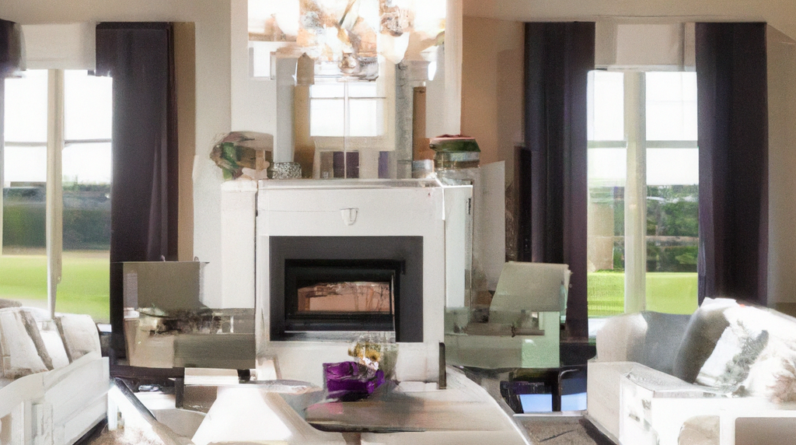
Are you tired of living in a space that doesn’t feel like home? Let Interior Design Service Thornton Colorado transform your living environment into a place that reflects your unique style and personality. With their expert design skills and attention to detail, they will create an interior that will not only be visually stunning but also functional and comfortable. Say goodbye to dull and uninspiring spaces and say hello to a home that truly feels like you. Let Interior Design Service Thornton Colorado redefine your living experience today.

Overview of Interior Design Services
What is interior design?
Interior design is the art and science of enhancing the interior of a space to create a more aesthetically pleasing and functional environment. It involves the careful selection and arrangement of furniture, colors, materials, and decorative elements to transform a space into a livable and visually appealing area.
Importance of interior design
Interior design plays a crucial role in our lives as it has a significant impact on our well-being, productivity, and overall quality of life. A well-designed space can evoke positive emotions, improve productivity, and enhance the functionality of a room. It also reflects our personal style and creates a sense of harmony and balance in our living or working environment.
Types of interior design services
Interior design services can vary depending on the specific needs and preferences of individuals or businesses. Some common types of interior design services include residential interior design, commercial interior design, hospitality design, healthcare design, and retail design. Each type focuses on creating unique and functional spaces tailored to the specific requirements of the clients.
Benefits of Hiring an Interior Designer
Professional expertise
One of the most significant advantages of hiring an interior designer is their professional expertise. They have the knowledge and skills to create a well-designed space that is both visually appealing and functional. They can guide you through the entire design process, from conceptualization to implementation, ensuring that all your needs and preferences are met.
Saving time and money
Contrary to popular belief, hiring an interior designer can actually save you both time and money in the long run. They have access to a wide range of resources, including suppliers, contractors, and vendors, which can help you get the best deals and discounts. Additionally, their expertise and experience can prevent costly mistakes and ensure that the project is completed efficiently and within budget.
Access to resources
Interior designers have access to a vast network of resources that the average person may not be aware of. They are familiar with the latest trends, materials, and furnishings in the industry, and can help you source and select the best options for your space. Whether it’s sourcing unique furniture pieces or finding eco-friendly materials, an interior designer can provide you with access to a wider range of resources.
Enhanced home value
Investing in the services of an interior designer can significantly increase the value of your home. A well-designed and aesthetically pleasing interior can make your property more attractive to potential buyers if you ever decide to sell. Additionally, it can also improve the functionality and livability of your space, making it more appealing for your own enjoyment and comfort.
Finding the Right Interior Designer
Research and recommendations
When searching for the right interior designer, it’s essential to conduct thorough research and gather recommendations from trusted sources. Look for designers with a strong track record, positive reviews, and a portfolio that aligns with your style and preferences. Seek recommendations from friends, family, or colleagues who have recently worked with an interior designer.
Portfolio and past projects
Reviewing a designer’s portfolio and past projects is crucial in determining their style, expertise, and ability to meet your specific needs. Take the time to browse through their work to see if their aesthetic matches your own. Pay attention to their attention to detail, choice of materials, and overall design approach. A well-curated portfolio can give you a good sense of their design skills and creativity.
Budget and cost considerations
Before selecting an interior designer, it’s essential to establish a budget and have a clear understanding of the costs involved. Discuss your budget with the designer and ensure that they can work within your financial constraints. Be transparent about your expectations and desired outcomes to avoid any misunderstandings later on. A good designer will be able to provide you with a realistic cost estimate and help you make informed decisions.
Communication and compatibility
Effective communication and mutual compatibility are crucial aspects of a successful designer-client relationship. When meeting with potential interior designers, pay attention to how they listen to your ideas, address your concerns, and communicate their own thoughts and ideas. It’s important to work with someone who understands your vision and can translate it into a design that reflects your personality and lifestyle.

Interior Design Process
Design consultation and assessment
The interior design process typically begins with a design consultation and assessment. During this phase, the designer will meet with you to discuss your goals, preferences, and budget. They will assess the space, take measurements, and evaluate the existing layout and architectural elements. This initial consultation helps the designer gain a comprehensive understanding of your needs and allows them to develop a design plan that aligns with your vision.
Space planning and layout
Space planning and layout are essential components of interior design. A skilled designer will analyze the space and develop a functional and efficient layout that maximizes the potential of the area. They will consider traffic flow, furniture placement, and the overall arrangement of the room to create a harmonious and well-balanced environment. Space planning ensures that every square inch is utilized effectively and that the space functions optimally for its intended purpose.
Color selection and coordination
Choosing the right colors for your interior is a crucial step in the design process. Interior designers have a keen sense of color theory and can help you select the perfect hues, shades, and tones that complement each other and create the desired atmosphere. They will consider factors such as natural lighting, the function of the space, and your personal preferences to create a color palette that reflects your style and enhances the overall design.
Furniture and decor selection
An interior designer can assist you in selecting the ideal furniture and decor that not only fits your style but also meets your functional needs. They have access to a wide range of vendors and suppliers, allowing them to source unique and high-quality pieces that are not easily accessible to the general public. They will help you choose furniture that is both aesthetically pleasing and comfortable, ensuring that it fits perfectly within the overall design scheme.
Material and finish selection
Selecting the right materials and finishes is crucial for achieving the desired aesthetic and level of durability for your space. An interior designer can guide you through the selection process, helping you choose materials that are suitable for your specific requirements and budget. They will consider factors such as durability, maintenance, and eco-friendliness when making recommendations. From flooring and countertops to wall finishes and upholstery, an interior designer can help you select materials that enhance the overall design of your space.
Common Interior Design Styles
Traditional
Traditional interior design is characterized by classic, timeless elements that exude elegance and sophistication. It often features ornate furniture, rich colors, and luxurious fabrics. This style is perfect for those who appreciate a more formal and refined aesthetic.
Modern
Modern interior design emphasizes simplicity, clean lines, and a minimalist approach. It often features open spaces, a neutral color palette, and sleek furniture. This style is perfect for those who prefer a clean and uncluttered look.
Contemporary
Contemporary interior design is a blend of various styles and trends. It encompasses current design elements and often involves a mix of different materials, textures, and colors. This style is perfect for those who prefer a dynamic and evolving aesthetic.
Minimalist
Minimalist interior design focuses on simplicity, functionality, and reducing clutter. It often features clean lines, neutral colors, and a limited number of furnishings and accessories. This style is perfect for those who appreciate a clean and uncluttered living environment.
Industrial
Industrial interior design draws inspiration from urban lofts and industrial spaces. It often features exposed brick walls, raw materials, and a combination of metal and wood furnishings. This style is perfect for those who appreciate a raw and unfinished aesthetic.
Interior Design Trends in Thornton, Colorado
Incorporating natural elements
One of the latest interior design trends in Thornton, Colorado, is the incorporation of natural elements into the design. This includes the use of organic materials such as wood, stone, and natural fibers. From reclaimed wood furniture to indoor plants and green walls, bringing elements of nature indoors adds a sense of freshness and tranquility to the space.
Nordic-inspired designs
Nordic-inspired designs, with their minimalist aesthetics and cozy atmosphere, are gaining popularity in Thornton, Colorado. This design style emphasizes simplicity, functionality, and an abundance of natural light. Light-colored woods, clean lines, and comfortable textiles are all key elements of this trend.
Warm and cozy color palettes
Warm and cozy color palettes are becoming increasingly popular in Thornton, Colorado. This includes rich earth tones such as terracotta, burnt orange, and deep forest green. These colors create a sense of comfort and warmth, perfect for the colder months.
Sustainable and eco-friendly design
There is a growing emphasis on sustainable and eco-friendly design in Thornton, Colorado. Many homeowners and businesses are opting for environmentally conscious materials, energy-efficient lighting, and sustainable practices. This trend reflects a desire to reduce our carbon footprint and create spaces that are healthier for both occupants and the planet.
Multi-functional spaces
With the rise of remote work and flexible living arrangements, multi-functional spaces have become a necessity. This trend involves designing spaces that can serve multiple purposes, such as a home office that can transform into a guest bedroom or a living room that combines entertainment and workspace. Furniture pieces with built-in storage and versatile layouts are popular choices for creating multi-functional spaces.
Interior Design for Residential Spaces
Living rooms
The living room is often the heart of a home, where family and friends gather to relax and socialize. A well-designed living room should be comfortable, inviting, and reflective of the homeowner’s personal style. Layout, furniture selection, and color scheme all play vital roles in creating a harmonious and functional living space.
Bedrooms
Bedrooms should be serene and relaxing sanctuaries that promote restful sleep and rejuvenation. Interior designers can help create a bedroom design that reflects the homeowner’s personality while ensuring optimal comfort and functionality. From choosing the right mattress and bedding to lighting and decor, attention to detail is crucial in designing a peaceful and welcoming bedroom.
Bathrooms
Bathrooms are spaces where functionality and aesthetics must coexist. Interior designers can assist in creating a bathroom design that maximizes available space, optimizes storage, and incorporates stylish fixtures and finishes. Whether it’s a luxurious spa-like retreat or a practical and efficient design for a small bathroom, an interior designer can help create the perfect balance.
Kitchens
Kitchens are not only functional spaces but also social hubs where families gather and entertain guests. Interior designers can help create a kitchen design that combines practicality with style. From layout and cabinetry selection to lighting and appliance placement, an interior designer can ensure that the kitchen functions seamlessly and reflects the homeowner’s lifestyle.
Home offices
With the increase in remote work and flexible schedules, home offices have become essential spaces in many households. Interior designers can help create a productive and inspiring home office design that promotes focus and concentration. They can assist in selecting ergonomic furniture, optimizing storage solutions, and creating a comfortable and visually appealing workspace.
Interior Design for Commercial Spaces
Restaurants and cafes
The design of restaurants and cafes plays a crucial role in attracting customers and creating a memorable dining experience. Interior designers can help create a cohesive and inviting atmosphere that reflects the establishment’s brand and concept. From layout and seating arrangements to lighting and decor, interior designers can transform a space into a visually appealing and functional dining destination.
Hotels and resorts
Hotels and resorts aim to provide a comfortable and luxurious experience for their guests. Interior designers help create unique and visually stunning guest rooms, lobby areas, and common spaces that elevate the overall guest experience. From selecting high-quality furnishings to creating a cohesive design concept, interior designers play a vital role in creating memorable hotel and resort interiors.
Retail stores
Retail store design is essential for captivating customers and driving sales. Interior designers can help create an engaging and visually appealing environment that showcases products effectively. From optimizing store layout and traffic flow to selecting the right lighting and display fixtures, interior designers can create a shopping experience that encourages customers to explore and make purchases.
Office spaces
Office spaces should be designed to promote productivity, collaboration, and employee well-being. Interior designers can assist in creating office layouts that optimize space utilization, provide comfortable workstations, and incorporate appropriate lighting and acoustics. They can also help select furniture and decor that reflects the company’s brand and values.
Medical facilities
The design of medical facilities, such as hospitals and clinics, is essential for creating a pleasant and calming environment for patients. Interior designers can help create a patient-centric design that incorporates soothing colors, comfortable furnishings, and efficient layout. They can also ensure that the design meets all necessary health and safety regulations.
The Role of Lighting in Interior Design
Functional and ambient lighting
Functional and ambient lighting is essential for providing general illumination and visibility in a space. Interior designers consider the overall lighting needs and ensure that the placement and intensity of the lighting meet the specific requirements of the room. This type of lighting creates a pleasant and comfortable environment and is often achieved through overhead fixtures, recessed lighting, or natural light sources.
Task lighting
Task lighting is essential for providing focused illumination for specific activities such as reading, cooking, or working. Interior designers can help determine the right placement and type of task lighting to ensure that the area is well-lit and shadows are minimized. This may involve the use of desk lamps, under-cabinet lighting, or adjustable fixtures.
Accent lighting
Accent lighting is used to highlight specific architectural features, artwork, or decorative elements in a space. Interior designers can strategically place accent lighting fixtures to draw attention to focal points and create visual interest. This type of lighting adds depth and drama to a room and is often achieved through track lighting, wall sconces, or spotlights.
Natural lighting
Natural lighting is a valuable asset in interior design. Interior designers can help maximize the use of natural light by selecting window treatments that allow for optimal sunlight penetration and arranging furniture to avoid blocking natural light sources. Natural light not only enhances the overall ambiance of a space but also provides health benefits and reduces energy consumption.
Lighting fixtures and placement
Interior designers have extensive knowledge of lighting fixtures and placement, which allows them to create a well-balanced and visually appealing lighting scheme. They consider factors such as the size of the space, the desired ambiance, and the specific lighting needs of the area. From chandeliers and pendant lights to recessed lighting and wall sconces, interior designers can help select and position lighting fixtures that complement the overall design of the space.
Tips for DIY Interior Design
Start with a plan
Before diving into a DIY interior design project, it’s crucial to start with a well-thought-out plan. Begin by defining your goals, preferences, and budget. Create a visual mood board to gather inspiration and develop a clear vision for the desired design outcome. Having a plan in place will help guide your decision-making process and ensure a cohesive design.
Prioritize functionality
While aesthetics are essential, it’s important to prioritize functionality when designing a space. Consider the purpose of the room and how it will be used on a day-to-day basis. Optimize the layout, select furniture that suits the space, and ensure that there is adequate storage. A functional design will make your space more livable and enjoyable.
Consider the flow of space
When designing a room, consider the flow of space and how people will move within it. Arrange furniture in a way that allows for easy navigation and creates a sense of balance and harmony. Keep pathways clear and ensure that there is enough space to maneuver around furniture comfortably. The flow of space contributes to the overall functionality and aesthetic of a room.
Use texture and layers for visual interest
Texture and layers add depth and visual interest to a space. Incorporate different textures through the use of materials, fabrics, and accessories. Layering elements such as rugs, pillows, and curtains can create a cozy and inviting atmosphere. Experiment with different textures to create a unique and personalized look.
Mix and match furniture styles
Don’t be afraid to mix and match furniture styles to create a unique and eclectic look. Mixing different styles adds character and personality to a space. Pair vintage pieces with modern furniture or blend traditional and contemporary styles for a more interesting and dynamic design. Be creative and have fun with your choices.
In conclusion, interior design plays a significant role in creating functional, aesthetically pleasing, and personalized spaces. Whether it’s for residential or commercial purposes, hiring an interior designer can provide professional expertise, save time and money, grant access to valuable resources, and enhance the value of a property. When searching for the right interior designer, it’s important to conduct research, review portfolios, consider budget and cost, and ensure compatibility. The interior design process involves various stages such as consultation, space planning, color selection, furniture and decor selection, and material and finish selection. There are different interior design styles to choose from, including traditional, modern, contemporary, minimalist, and industrial. In Thornton, Colorado, trends include incorporating natural elements, Nordic-inspired designs, warm and cozy color palettes, sustainable and eco-friendly design, and multi-functional spaces. Interior design for residential spaces covers living rooms, bedrooms, bathrooms, kitchens, and home offices, while commercial spaces include restaurants and cafes, hotels and resorts, retail stores, office spaces, and medical facilities. Lighting is a crucial aspect of interior design, with functional and ambient lighting, task lighting, accent lighting, natural lighting, and proper lighting fixture placement all playing key roles. For those interested in DIY interior design, starting with a plan, prioritizing functionality, considering the flow of space, using texture and layers, and mixing furniture styles are helpful tips to achieve a successful design. Overall, interior design is an essential aspect of creating spaces that are both visually pleasing and functional, enhancing our well-being and quality of life.