


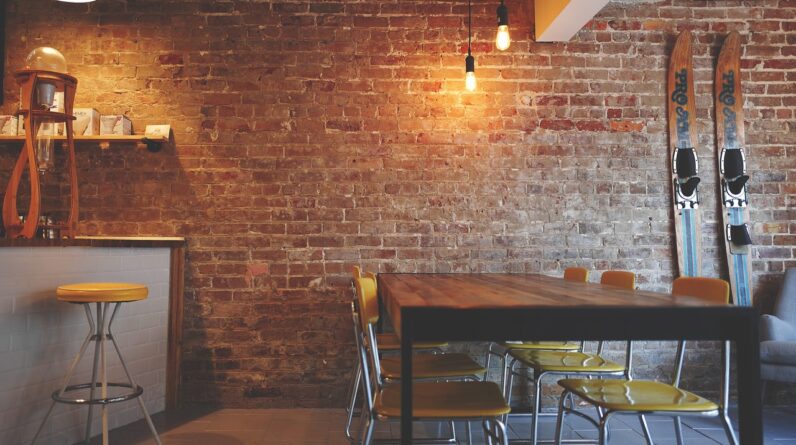
Are you looking to transform your living space into a stylish and functional haven? Look no further than the top-notch Interior Design Service available in West Valley City, Utah. With their keen eye for design and attention to detail, the experts at Interior Design Service will work closely with you to bring your vision to life. Whether you’re looking to revamp your home or office, their team of talented professionals will help create a space that reflects your personal style and meets all your needs. Get ready to elevate your surroundings and enjoy the benefits of a beautiful, well-designed interior.

Overview of Interior Design Service in West Valley City
What is interior design?
Interior design is the art and science of enhancing the interior space of a building to achieve a functional and aesthetically pleasing environment. It involves the selection and arrangement of furniture, color schemes, materials, lighting, and other elements to create a cohesive and harmonious space.
Importance of interior design
Interior design plays a crucial role in both residential and commercial settings. It not only enhances the overall look and feel of a space but also improves its functionality. A well-designed interior can promote productivity, improve the mood of the occupants, and leave a lasting impression on visitors. It also adds value to the property and creates a sense of pride and satisfaction for the owners.
Overview of interior design services
Interior design services encompass a wide range of offerings that cater to the unique needs and preferences of individuals or businesses. These services may include concept development, space planning, furniture and fixture selection, color and material selection, lighting design, art and accessories selection, project implementation, and management. Interior designers work closely with clients to understand their vision and requirements, and then translate them into reality through thoughtful and creative design solutions.
Interior design trends in West Valley City
West Valley City, located in Utah, embraces a variety of interior design trends that reflect its vibrant and diverse community. Some popular trends in West Valley City include a blend of modern and contemporary design with rustic and farmhouse elements. The city also appreciates coastal and beach-inspired designs that bring a refreshing and relaxed vibe to the interior spaces. Industrial design is another trend that adds a touch of urban sophistication to the homes and businesses in West Valley City. With a focus on eco-friendly and sustainable design, Scandinavian and minimalist styles are also gaining popularity in the area.
Benefits of Hiring Interior Design Services
Professional expertise and design knowledge
One of the primary benefits of hiring interior design services is gaining access to the expertise and knowledge of professionals in the field. Interior designers have a deep understanding of design principles, spatial planning, and the latest trends. They can offer valuable insights and recommendations that align with your style and preferences. Their professional expertise ensures that your space is designed to be functional, aesthetically pleasing, and optimized for your specific needs.
Save time and reduce stress
Designing and decorating a space can be a time-consuming and overwhelming task, especially if you lack experience and knowledge in the field. By hiring interior design services, you can offload the responsibility of managing the project to the professionals. They handle all the design decisions, sourcing of materials and furniture, and coordination with contractors, saving you time and reducing stress. They will also ensure that the project is completed within the agreed timeline and budget.
Effective space planning
One of the key aspects of interior design is space planning. Interior designers have the expertise to evaluate the available space and create a layout that maximizes functionality and flow. They consider factors such as traffic patterns, furniture placement, and storage solutions to optimize the space. By utilizing their expertise, interior designers can transform a small or awkwardly shaped room into a well-designed and functional space that meets your needs and preferences.
Enhanced aesthetic appeal
Interior designers have a keen eye for design and aesthetics. They can create a cohesive and visually appealing space by harmonizing various elements such as color schemes, textures, patterns, and finishes. They also consider the architectural features of the space and ensure that the interior design complements the overall style of the building. With their expertise, interior designers can strike the perfect balance between form and function, resulting in a space that is visually stunning and inviting.
Choosing the right color schemes and materials
Selecting the right color schemes and materials is crucial in achieving the desired ambiance and style in a space. Interior designers have an in-depth knowledge of color theory and its impact on mood and perception. They can recommend color palettes that suit your preferences and the purpose of the space, whether it be creating a serene environment for a bedroom or an energetic atmosphere for a workspace. Additionally, interior designers have access to a wide range of materials, finishes, and furnishings, allowing them to choose the best options for your specific design goals.
Increased property value
Investing in professional interior design services can significantly increase the value of your property. A well-designed and aesthetically pleasing space is more appealing to potential buyers or renters. It sets your property apart from others on the market and can command a higher price. Additionally, a thoughtfully designed interior can create a positive first impression, leading to a quicker sale or rental process. The return on investment from hiring interior design services can outweigh the initial cost, making it a worthwhile investment in the long run.

Process of Interior Design Service
Initial consultation and project assessment
The first step in the interior design process is the initial consultation and project assessment. During this phase, the interior designer meets with the client to discuss their vision, goals, budget, and timeline. This is an opportunity for the designer to understand the client’s style preferences, functional requirements, and any specific needs or concerns. The designer may also evaluate the space to assess its potential, taking into account existing architectural features, natural lighting, and any constraints that need to be considered.
Design concept development
Once the initial consultation is complete, the interior designer begins developing the design concept. This involves creating a vision for the space based on the client’s preferences and requirements. The designer may present mood boards, sketches, or 3D renderings to help the client visualize the proposed design. This stage often involves extensive communication and collaboration between the designer and the client to refine the concept and ensure it aligns with the client’s expectations.
Space planning and layout
After the design concept is approved, the interior designer moves on to space planning and layout. This involves determining the optimal arrangement of furniture, fixtures, and other elements to maximize functionality and flow within the space. The designer considers factors such as traffic patterns, focal points, and accessibility to create a layout that suits the client’s lifestyle or business needs. Special attention is given to creating designated areas for specific activities, ensuring a well-organized and efficient space.
Selection of furniture and fixtures
The selection of furniture and fixtures is a crucial aspect of the interior design process. The interior designer assists the client in choosing pieces that are not only aesthetically pleasing but also functional and comfortable. They consider the client’s preferences, budget, and any specific requirements such as durability or sustainability. The designer may provide recommendations and present a range of options for the client to choose from, making the selection process easier and more efficient.
Color and material selection
Color and material selection are essential in creating a cohesive and visually pleasing interior. The interior designer helps the client choose color palettes that align with their style preferences and the purpose of the space. They consider factors such as lighting conditions, the size of the space, and the desired mood or atmosphere. When it comes to material selection, the designer takes into account durability, aesthetics, and maintenance requirements. They provide guidance on selecting flooring, wall finishes, fabrics, and other materials that enhance the overall design concept.
Lighting design
Lighting design plays a vital role in setting the mood and highlighting key features in a space. The interior designer develops a lighting plan that considers both natural and artificial lighting sources. They strategically place light fixtures to create the desired ambiance and ensure adequate illumination for different activities. The designer may incorporate various types of lighting, such as task lighting, accent lighting, and ambient lighting, to create a layered and balanced lighting scheme.
Art and accessories selection
Art and accessories add the finishing touches to an interior design. The interior designer assists the client in selecting artwork, decorative pieces, and accessories that complement the overall design concept. They consider factors such as scale, color coordination, and placement to create a harmonious and visually appealing arrangement. The designer may recommend local artists or sources for unique and personalized art pieces, ensuring a customized and one-of-a-kind interior.
Project implementation and management
Once all design decisions are made, the interior designer takes on the responsibility of project implementation and management. They coordinate with contractors, suppliers, and artisans to ensure that the design vision is executed flawlessly. The designer oversees the ordering, delivery, and installation of furniture, fixtures, and materials, ensuring a seamless process. Throughout the project, the designer maintains regular communication with the client, providing updates and addressing any concerns or changes that may arise.
Final walkthrough and client satisfaction
The final stage of the interior design process is the walkthrough and client satisfaction phase. The interior designer conducts a thorough inspection of the completed project to ensure that all design elements are properly executed. They address any final touch-ups or adjustments that need to be made to meet the client’s expectations. The designer also guides the client through the space, explaining the design choices and providing any necessary instructions for maintenance or care. The ultimate goal is to ensure that the client is delighted with the final result and feels that their vision has been successfully brought to life.
Popular Interior Design Styles in West Valley City
Modern and contemporary design
Modern and contemporary design styles draw inspiration from sleek lines, minimalism, and a focus on functionality. These styles often incorporate open floor plans, neutral color palettes, and clean-lined furniture pieces. West Valley City residents who prefer a clean and uncluttered aesthetic often opt for modern and contemporary designs.
Traditional and classic design
Traditional and classic design styles exude elegance, sophistication, and timeless appeal. They often feature rich colors, ornate detailing, and traditional furniture pieces. West Valley City residents interested in creating a warm and inviting atmosphere may choose traditional or classic design, which can bring a sense of charm and history to their homes.
Transitional design
Transitional design is a blend of traditional and contemporary elements. It combines the comfort and familiarity of traditional design with the clean lines and simplicity of contemporary design. This style is popular among West Valley City residents who appreciate a balance between the old and the new, creating spaces that feel both timeless and current.
Rustic and farmhouse design
Rustic and farmhouse design styles embrace a cozy and welcoming aesthetic. They often feature natural materials, such as wood, stone, and distressed finishes. These styles bring a sense of warmth and charm to interior spaces, making them ideal for West Valley City residents who desire a rustic and welcoming ambiance.
Coastal and beach-inspired design
Coastal and beach-inspired design styles reflect the relaxed and serene atmosphere of coastal living. They often incorporate light colors, natural textures, and nautical elements. These styles can create an airy and refreshing feel, making them popular among West Valley City residents who seek a tranquil and beach-inspired interior.
Industrial design
Industrial design draws inspiration from factories and industrial spaces. It features exposed brick, concrete, and metal finishes, combined with utilitarian furniture pieces. This style adds a touch of urban sophistication and edginess to interior spaces, appealing to West Valley City residents who desire a modern and industrial look.
Eclectic design
Eclectic design is characterized by a mix of different styles, periods, and influences. It embraces individuality and allows for creative expression. West Valley City residents who prefer a unique and personalized interior may opt for eclectic design, as it offers the freedom to mix and match various elements to create a truly one-of-a-kind space.
Minimalist design
Minimalist design focuses on simplicity, clean lines, and a clutter-free environment. It seeks to create a sense of calm and tranquility through uncluttered spaces and minimal ornamentation. West Valley City residents who appreciate a minimalist and streamlined look may choose this style, as it promotes a peaceful and uncluttered living environment.
Scandinavian design
Scandinavian design is characterized by simplicity, functionality, and natural elements. It often features light colors, clean lines, and a connection with nature. This style creates a cozy and inviting atmosphere, making it popular among West Valley City residents who value comfort and simplicity.
Bohemian design
Bohemian design embraces a free-spirited and eclectic aesthetic. It often incorporates vibrant colors, patterns, and a mix of cultural influences. This style encourages creative expression and personalization, appealing to West Valley City residents who desire a bohemian and artistic interior.

Factors to Consider when Choosing an Interior Designer
Experience and portfolio
When selecting an interior designer, it’s important to consider their experience and portfolio. Take the time to review their previous projects and ensure that their style and aesthetic align with your preferences. An experienced interior designer will have a wealth of knowledge and expertise to guide you through the design process.
Design style compatibility
Every interior designer has their own design style and approach. It’s essential to find a designer whose style complements your vision and preferences. Look for designers who have experience working with the specific design style you are interested in. This ensures that the designer can bring your desired aesthetic to life.
Budget and pricing
Consider your budget when choosing an interior designer. Discuss your budget openly with potential designers and ensure that they can work within your financial constraints. It’s essential to have a transparent understanding of the designer’s pricing structure, including any additional fees or charges that may arise during the project.
Communication and collaboration
Effective communication and collaboration are crucial for a successful interior design project. Choose a designer who is attentive, responsive, and a good listener. They should be able to explain their design concepts clearly and seek your input throughout the process. A designer who prioritizes open and transparent communication will ensure that your vision is understood and realized.
Reputation and client reviews
Research the designer’s reputation and read client reviews or testimonials. Look for designers with positive feedback and satisfied clients. This will give you confidence in their ability to deliver a high-quality design and service. You can also ask for references and speak directly with past clients to gain insights into their experience working with the designer.
Licensing and certifications
Ensure that the interior designer you choose is licensed and certified. This ensures that they adhere to industry standards and have the necessary qualifications to carry out the design work. Licensing and certifications demonstrate the designer’s commitment to professionalism and ongoing education in the field of interior design.
Finding the Right Interior Design Service in West Valley City
Research and gather recommendations
Start by conducting research and gathering recommendations for interior design services in West Valley City. Seek input from friends, family, or colleagues who have worked with designers in the area. You can also explore online directories, local magazines, or social media platforms that feature interior design professionals in West Valley City.
Review portfolios and previous projects
Take the time to review portfolios and previous projects of the interior designers you are considering. This will give you a sense of their design style, capabilities, and attention to detail. Look for examples that resonate with your vision and preferences, and consider how well they have executed similar projects in the past.
Interview multiple designers
Set up interviews or consultations with multiple interior designers to discuss your project and get a sense of their approach. Use this opportunity to ask questions about their experience, design process, and how they would approach your specific project. This will help you assess their compatibility and ability to meet your design goals.
Check licenses and certifications
Verify that the interior designers you are considering are licensed and certified professionals. This can typically be done by checking their website or contacting relevant professional organizations or licensing boards. Ensuring that the designers are properly licensed and certified gives you peace of mind knowing that they meet professional standards and have the necessary qualifications.
Evaluate communication and working relationship
During the initial consultations or interviews, pay attention to the designer’s communication style and how well you connect with them. Clear and open communication is vital for a successful working relationship. Choose a designer who listens attentively, understands your needs, and values your input. A positive and collaborative working relationship fosters a smoother design process and enhances the overall experience.
Consider budget and pricing
Discuss your budget and pricing expectations with the interior designers you are considering. Inquire about their fee structure, payment terms, and any additional costs that may arise during the project. Compare the proposals and determine which designer offers the best value for your investment. Keep in mind that choosing the lowest-priced option may not always result in the best outcome, so prioritize a balance of quality and affordability.

Frequently Asked Questions (FAQs) about Interior Design
What is the role of an interior designer?
An interior designer is responsible for conceptualizing, planning, and executing the design of interior spaces. They consider factors such as functionality, aesthetics, and client preferences to create environments that are both visually appealing and functional. Interior designers collaborate with clients, contractors, and suppliers to bring design visions to life.
How much does interior design service cost in West Valley City?
The cost of interior design services in West Valley City can vary depending on several factors, including the scope of the project, the size of the space, the complexity of the design, and the experience of the designer. It is best to consult with individual designers and request a detailed proposal that outlines the expected costs for your specific project.
What is the typical timeline for an interior design project?
The timeline for an interior design project varies based on the scope and complexity of the project. Projects can range from a few weeks to several months, depending on factors such as the extent of renovations, availability of materials and furnishings, and the coordination of contractors. It is important to discuss the timeline with your chosen interior designer, as they can provide a more accurate estimate based on your specific project parameters.
Can I still have input in the design process?
Absolutely! A good interior designer will encourage and value your input throughout the design process. They will collaborate with you to understand your vision, preferences, and functional needs. Your input is crucial in ensuring that the final design reflects your style and meets your expectations.
How can I prepare for an interior design consultation?
To prepare for an interior design consultation, gather inspiration and ideas for your project. Create a vision board or collect images that represent your desired style, color schemes, and overall aesthetic. Prepare a list of questions or concerns you may have and have measurements or plans of the space ready, if available. These preparations will help facilitate productive discussions during the consultation.
What if I don’t like the design concept?
A professional interior designer will strive to understand your needs and preferences through thorough consultations and discussions. However, if you are not entirely satisfied with the initial design concept, it is important to provide constructive feedback to the designer. They can make revisions and refinements based on your feedback to ensure that the final design aligns more closely with your vision.
Do I need permits for interior design projects?
Permit requirements for interior design projects can vary depending on the scope and nature of the work. Certain renovations or structural modifications may require permits. It is essential to consult with your interior designer and local authorities to determine if any permits are necessary for your specific project.
Can interior designers also handle project management?
Many interior designers offer project management services as part of their design packages. They can coordinate with contractors, suppliers, and artisans to ensure the smooth execution of the project. This comprehensive approach allows the designer to oversee all aspects of the design process, ensuring that the design vision is realized.
What should I expect during the final walkthrough?
During the final walkthrough, you can expect a thorough inspection of the completed project. The interior designer will explain the design choices, details, and any maintenance or care instructions. The purpose of the walkthrough is to ensure that the design has been executed as intended and to address any final touch-ups or adjustments that may be needed to meet your satisfaction.
Why should I hire a local interior design service in West Valley City?
Hiring a local interior design service in West Valley City offers several advantages. Local designers have a deep understanding of the local culture, architectural styles, and design preferences. They have established relationships with local suppliers, artisans, and contractors, which can streamline the design process. Additionally, local designers are readily available for consultations, site visits, and project management, ensuring that your project receives the attention and support it deserves.
Tips for a Successful Interior Design Project
Clearly define your vision and goals
Before embarking on an interior design project, take the time to clearly define your vision and goals. Understand your style preferences, functional requirements, and desired ambiance. This will help you effectively communicate your expectations to the interior designer and guide the decision-making process.
Establish a realistic budget
Set a realistic budget for your interior design project. Consider the scope of the project, materials and furnishings, and any additional expenses that may arise. Be transparent with your designer about your budget, as they can guide you in making cost-effective choices without compromising the design quality.
Communicate openly and regularly with the designer
Effective communication is essential for a successful interior design project. It is important to openly communicate your preferences, concerns, and feedback to the designer throughout the process. Regularly scheduled meetings or check-ins can help maintain a collaborative and transparent working relationship.
Trust the expertise and recommendations of the designer
Interior designers bring a wealth of knowledge and expertise to the table. Trust their professional judgment and recommendations, as they are trained to balance aesthetics, functionality, and budget. Be open to their suggestions and consider how they can enhance your vision.
Be open to new ideas and suggestions
Interior designers can offer fresh perspectives and ideas that you may not have considered. Be open to exploring new concepts and design approaches. This willingness to embrace new ideas can lead to innovative and exciting design solutions.
Don’t rush the decision-making process
Interior design involves numerous decisions, from selecting materials to choosing furnishings. Take the time to make informed choices and avoid rushing the decision-making process. Consider different options, weigh the pros and cons, and seek advice from your designer when needed. Patience and thorough consideration can lead to a more satisfying final result.
Plan for unexpected delays or changes
Interior design projects can encounter unexpected delays or changes. Anticipate potential challenges and plan accordingly. Allow for flexibility in your timeline and budget to accommodate unforeseen circumstances. By planning for the unexpected, you can minimize stress and ensure a smoother project experience.
Take proper measurements and consider spatial limitations
Accurate measurements are crucial for a well-executed interior design project. Take precise measurements of the space and any existing furniture or fixtures. Consider spatial limitations and ensure that new additions or changes will fit properly. Taking the time to measure and plan ahead will prevent costly mistakes or rework.
Ensure proper lighting and ventilation
Lighting and ventilation play significant roles in the comfort and functionality of a space. Consider the natural lighting conditions and ensure that the artificial lighting is well-planned to create the desired ambiance. Adequate ventilation is also essential for maintaining a healthy and comfortable environment.
Pay attention to the finishing touches
The finishing touches can make a significant impact on the overall design. Pay attention to details such as decorative accents, textiles, artwork, and plants. These elements add depth and personality to the space, bringing the design concept to life.

Conclusion
Interior design services in West Valley City, Utah, offer a wide range of benefits, from professional expertise and design knowledge to enhanced aesthetic appeal and increased property value. The interior design process involves various stages, including initial consultation, design concept development, space planning, and project implementation. With a plethora of design styles available, including modern, traditional, transitional, rustic, and coastal, residents of West Valley City can find a style that suits their preferences and lifestyle. Factors to consider when choosing an interior designer include experience, design style compatibility, budget, communication, reputation, and certifications. To find the right interior design service in West Valley City, thorough research, portfolio review, interviews, and evaluations are recommended. By following these tips and considering frequently asked questions, homeowners can set themselves up for a successful interior design project.