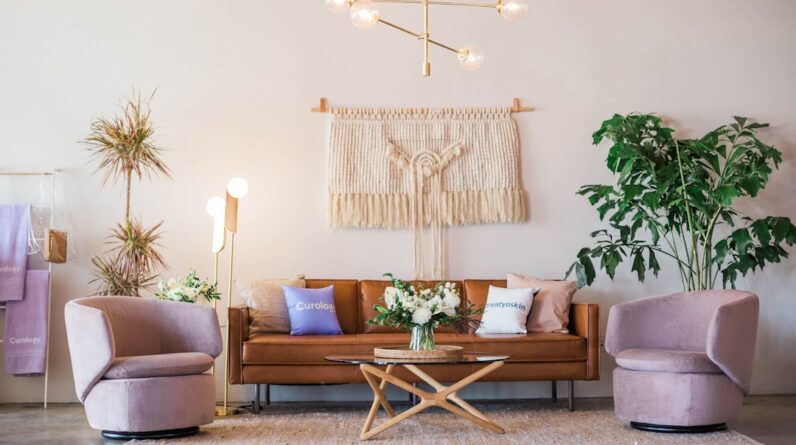
Lighting is a fundamental element in design that transcends mere functionality; it shapes the atmosphere, influences perception, and enhances the overall aesthetic of a space. In both residential and commercial environments, the strategic use of lighting can transform an ordinary room into an extraordinary experience. It serves not only to illuminate but also to define spaces, guide movement, and create focal points.
The interplay of light and shadow can evoke emotions, highlight textures, and bring out colors in ways that other design elements cannot achieve alone. Moreover, lighting plays a crucial role in the psychological comfort of occupants. Well-designed lighting can reduce eye strain, improve mood, and even enhance productivity.
For instance, in office environments, the right lighting can lead to increased focus and efficiency among employees. In contrast, poorly designed lighting can lead to discomfort and distraction. Therefore, understanding the importance of lighting in design is essential for creating spaces that are not only visually appealing but also conducive to well-being and functionality.
Key Takeaways
- Proper lighting is crucial in design as it can enhance the overall aesthetic and functionality of a space.
- Different types of lighting fixtures can create various effects on design, such as accentuating certain features or creating a specific ambiance.
- Lighting plays a significant role in setting the mood and ambiance of a space, influencing the emotions and behavior of its occupants.
- Incorporating natural light into design can improve the overall well-being of occupants and reduce the need for artificial lighting.
- Lighting can be used to highlight architectural features and create focal points within a space, adding visual interest and depth.
Types of Lighting Fixtures and Their Effects on Design
The variety of lighting fixtures available today allows designers to tailor illumination to meet specific needs and aesthetic preferences. Broadly categorized into ambient, task, and accent lighting, each type serves a distinct purpose while contributing to the overall design narrative. Ambient lighting provides general illumination, ensuring that spaces are adequately lit for everyday activities.
This type of lighting can be achieved through ceiling-mounted fixtures, chandeliers, or wall sconces, each offering different styles and intensities. Task lighting, on the other hand, is focused on specific areas where activities such as reading, cooking, or working take place. Desk lamps, under-cabinet lights in kitchens, and pendant lights over workspaces are examples of task lighting that enhance functionality without overwhelming the space.
Accent lighting is used to highlight particular features or objects within a room, such as artwork or architectural details. Spotlights and track lighting are commonly employed for this purpose, drawing attention to focal points and adding depth to the design.
Creating Ambiance and Mood with Lighting

The ability to create ambiance through lighting is one of its most powerful attributes. Different types of light—whether warm or cool—can significantly alter the mood of a space. Warm light tends to create a cozy and inviting atmosphere, making it ideal for living rooms and dining areas where relaxation and social interaction are encouraged.
In contrast, cooler light can evoke a sense of clarity and focus, making it suitable for workspaces or areas requiring concentration. Color temperature plays a pivotal role in setting the mood. For example, a warm white light (around 2700K) is often used in residential settings to create a welcoming environment, while cooler white light (above 4000K) is frequently found in commercial spaces to promote alertness.
Additionally, the use of dimmers allows for flexibility in adjusting light levels according to the time of day or activity, further enhancing the ability to create desired atmospheres. By thoughtfully selecting light sources and controlling their intensity, designers can craft experiences that resonate emotionally with occupants.
Incorporating Natural Light into Design
Natural light is an invaluable resource in design that not only reduces reliance on artificial lighting but also connects occupants with the outdoors. The strategic placement of windows, skylights, and glass doors can maximize daylight penetration while minimizing glare and heat gain. For instance, large windows facing south can capture sunlight throughout the day, creating bright and airy interiors that promote well-being.
Incorporating natural light also involves considering the orientation of a building and its surroundings. For example, in urban environments where buildings may obstruct sunlight, thoughtful design solutions such as light wells or reflective surfaces can help distribute natural light deeper into spaces. Additionally, using materials that enhance light diffusion—such as frosted glass or light-colored walls—can further amplify the effects of natural illumination.
By embracing natural light in design, spaces become more vibrant and inviting while fostering a connection with nature.
Using Lighting to Highlight Architectural Features
Architectural features such as columns, arches, and textured walls can be accentuated through strategic lighting techniques. By employing techniques like uplighting or downlighting, designers can create dramatic effects that enhance the visual interest of these elements. For instance, illuminating a textured stone wall from below can cast intriguing shadows that emphasize its depth and character.
Highlighting architectural features not only adds aesthetic value but also helps define spatial relationships within a design. For example, using accent lighting to draw attention to a grand staircase can guide movement through a space while creating a sense of grandeur. Similarly, highlighting unique ceiling designs or moldings can elevate the overall sophistication of an interior.
The careful selection of fixtures and placement of lights allows designers to celebrate architectural elements while contributing to the narrative of the space.
The Role of Lighting in Enhancing Functionality

Beyond aesthetics, lighting plays a critical role in enhancing the functionality of spaces. In kitchens, for example, task lighting is essential for food preparation areas where precision is key. Under-cabinet lights illuminate countertops without casting shadows, allowing for safer and more efficient cooking experiences.
Similarly, in offices, proper lighting can reduce fatigue and improve focus during long hours of work. In addition to task-specific applications, lighting can also influence how spaces are used over time. Flexible lighting solutions—such as adjustable fixtures or smart lighting systems—allow occupants to modify their environment according to their needs.
For instance, a living room designed for both relaxation and entertaining can benefit from layered lighting that adapts from bright illumination during gatherings to softer tones for movie nights. By integrating functionality into lighting design, spaces become more versatile and user-friendly.
Energy-Efficient Lighting Solutions for Sustainable Design
As sustainability becomes increasingly important in design practices, energy-efficient lighting solutions have gained prominence. LED technology has revolutionized the industry by providing long-lasting illumination with significantly lower energy consumption compared to traditional incandescent bulbs. LEDs not only reduce electricity bills but also have a longer lifespan, resulting in less waste over time.
Incorporating energy-efficient lighting goes beyond simply choosing the right bulbs; it also involves designing systems that optimize energy use throughout a space. For example, integrating motion sensors in hallways or bathrooms ensures that lights are only activated when needed, further conserving energy. Additionally, utilizing daylighting strategies—such as strategically placed windows or light tubes—can reduce reliance on artificial lighting during daylight hours.
By prioritizing energy efficiency in lighting design, architects and designers contribute to sustainable practices while enhancing the overall quality of spaces.
The Psychological Impact of Lighting on Occupants
The psychological effects of lighting on occupants are profound and multifaceted. Research has shown that exposure to natural light can improve mood and increase productivity while reducing stress levels. In contrast, harsh or inadequate artificial lighting can lead to feelings of discomfort or anxiety.
Understanding these psychological impacts allows designers to create environments that promote well-being. For instance, in healthcare settings such as hospitals or clinics, incorporating natural light has been shown to aid in patient recovery by reducing stress and enhancing overall comfort. Similarly, educational environments benefit from well-lit classrooms that foster engagement and focus among students.
The use of color temperature also plays a role; warmer tones can create a sense of calmness while cooler tones may stimulate alertness. By considering the psychological implications of lighting choices, designers can create spaces that not only look good but also support the mental health and emotional well-being of their occupants.
FAQs
What is the importance of lighting in design?
Lighting plays a crucial role in design as it can enhance the overall aesthetic, create ambiance, and highlight key features of a space. It also affects the mood and functionality of a room.
What are the different types of lighting used in design?
There are three main types of lighting used in design: ambient lighting, task lighting, and accent lighting. Ambient lighting provides overall illumination, task lighting is focused on specific areas for activities, and accent lighting is used to highlight specific features or objects.
How does lighting impact the perception of space?
Proper lighting can make a space appear larger, more inviting, and can draw attention to specific areas. It can also create a sense of depth and dimension within a room.
What are some popular lighting trends in design?
Some popular lighting trends in design include the use of LED lighting for energy efficiency, incorporating smart lighting systems for convenience and control, and the use of statement lighting fixtures as focal points in a room.
How can lighting be used to enhance a design vision?
Lighting can be used to emphasize architectural elements, create a specific atmosphere, and evoke certain emotions within a space. It can also be used to complement the overall design concept and bring a cohesive look to the room.