


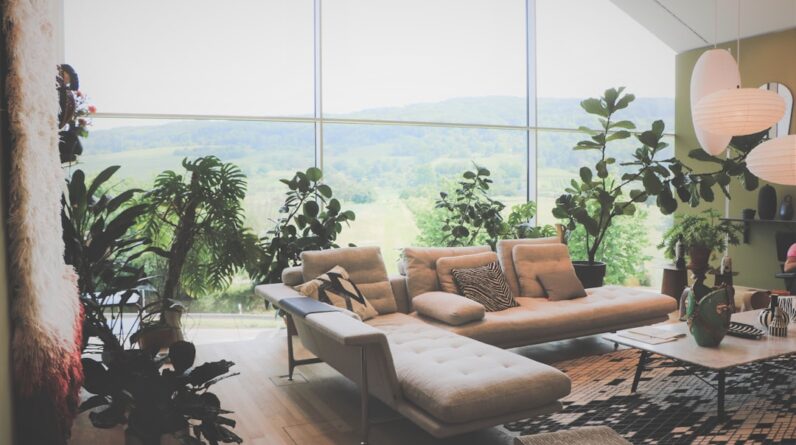
You’ve decided to embark on a living room redesign in your Heritage Ranch McKinney home, a project that holds the potential to transform not just a physical space, but the very atmosphere of your dwelling. This endeavor is akin to unearthing a hidden gem within your existing home, polishing it to reveal its true brilliance. The goal is to create a sanctuary that speaks to your personal style while honoring the inherent qualities of your McKinney residence.
Heritage Ranch in McKinney, Texas, is not just a collection of houses; it’s a curated neighborhood with a distinct character. Before you even pick up a paintbrush, it’s crucial to understand what defines this aesthetic. Your living room redesign should be a conversation between your aspirations and the architectural language of Heritage Ranch. Think of this as learning the dialect of your home before you begin to speak to it with new design choices.
The Influence of Texas Architecture
When you consider the broader Texas landscape, you find a rich tapestry of architectural influences. Heritage Ranch often draws from these roots, subtly incorporating elements that nod to the region’s history and environment. This can manifest in everything from material choices to the overall scale and form of the residences. Understanding these underlying principles will provide a solid foundation for your living room project.
Southwestern Resonances
While not purely Southwestern, many Heritage Ranch homes possess a certain warmth and earthiness that can be traced back to this influence. Look for cues in the use of natural materials, perhaps exposed wood beams or the suggestion of plaster-like finishes. These elements speak a language of comfort and groundedness. Your redesign can amplify these inherent qualities without resorting to caricature.
Colonial and Ranch Style Undercurrents
The “Ranch” in Heritage Ranch is not accidental. Many homes in this area draw inspiration from classic American ranch-style architecture, characterized by low profiles and a connection to the outdoors. You might also find subtle nods to colonial design in some of the detailing. Identifying these foundational styles will help you make cohesive design decisions.
The Importance of Context
The living room is the heart of the home, the place where life unfolds. Therefore, its redesign must be sensitive to the neighborhood’s context. This isn’t about conforming blindly, but about creating a design that feels at home within Heritage Ranch. Imagine your living room as a guest at a well-established party; it should arrive looking elegant and appropriate, yet still distinctly itself.
Neighborhood Harmony
Consider the prevailing architectural styles and landscaping of your immediate neighbors. This doesn’t mean replicating their homes, but rather understanding the visual cadence of the street. Your living room’s exterior presentation – even subtle touches visible from the street – will contribute to this overall harmony.
Local Climate Considerations
Texas weather presents its own set of challenges and opportunities. Your living room redesign should acknowledge this. Think about how natural light filters into your space, how you can maximize cooling during the summer months, and how to create a cozy atmosphere when the rare winter chill arrives. This is about working with your environment, not against it.
Defining Your Living Room’s Purpose and Personality
Beyond the heritage of your location, your living room must first and foremost serve your needs and reflect your personality. This is where the true magic of a redesign happens. You’re not just redecorating; you’re crafting a narrative for your life within this space.
Identifying Your Lifestyle Needs
Every household operates differently. Your living room should be a seamless extension of your daily routines. Are you an avid entertainer, a cozy bookworm, a dedicated gamer, or a combination of many things? Your design choices will be dictated by these fundamental questions.
Entertaining Hub
If your living room is frequently the stage for gatherings, you’ll need to prioritize flow, comfortable seating arrangements that encourage conversation, and perhaps a well-placed bar or serving area. Consider how you can create distinct zones within the space for different types of interaction.
Relaxation Retreat
For those who see their living room as a sanctuary for unwinding, the focus shifts to comfort and tranquility. Plush seating, soft lighting, and elements that promote a sense of calm become paramount. Think of it as your personal spa, but with more comfortable furniture.
Family Gathering Space
If your living room is the epicenter of family life, durability and functionality will be key. You’ll want materials that can withstand the rigors of everyday use, ample storage to keep clutter at bay, and seating that can accommodate everyone.
Articulating Your Personal Style
This is your chance to imbue the space with your unique aesthetic. Heritage Ranch might offer a framework, but your personal style is the vibrant color that will bring the canvas to life.
Modern Minimalist
If clean lines, uncluttered spaces, and a sophisticated palette appeal to you, a modern minimalist approach might be ideal. This style often emphasizes quality over quantity, with carefully selected pieces that make a statement.
Traditional Elegance
For those who appreciate timeless design, classic furniture, and rich textures, traditional elegance offers a sense of warmth and sophistication. This can be adapted to feel fresh and relevant, rather than dated.
Bohemian Eclectic
If your personality is vibrant and your tastes eclectic, a bohemian style can be a wonderful way to infuse your living room with personality. This involves layering textures, patterns, and a curated collection of objects that tell your story.
Transitional Comfort
Bridging the gap between traditional and modern, transitional design offers a balanced approach. It blends elements from both styles to create a look that is both comfortable and stylish, often favoring neutral palettes with pops of color.
Strategic Space Planning and Layout
The skeletal structure of your living room redesign lies in its layout. This is where you decide how the bones of your space will function and feel. A well-planned layout is like a perfectly choreographed dance, where every movement is deliberate and graceful.
Optimizing Furniture Placement
The arrangement of your furniture is arguably the most critical aspect of space planning. It dictates flow, conversation areas, and the overall usability of the room. Consider how you move through the space and how you want others to move through it.
Creating Conversation Zones
To foster genuine interaction, arrange seating so that individuals can easily converse without shouting across the room. This often involves placing sofas and chairs in face-to-face or L-shaped configurations. Think of it as setting the stage for dialogue.
Defining Traffic Flow
Ensure that there are clear, unobstructed pathways for people to move through the room. Avoid placing furniture in a way that creates bottlenecks or forces awkward detours. Smooth traffic flow is essential for a comfortable and functional living space.
The Focal Point Effect
Every living room benefits from a focal point, whether it’s a fireplace, a television, a striking piece of art, or a beautifully designed window. Arrange your furniture to draw attention to this focal point and enhance its impact. This is the star of your interior design production.
Incorporating Multifunctional Elements
In today’s world, maximizing utility is often key. Consider how your living room furniture can serve multiple purposes, thereby enhancing its efficiency and adaptability.
Storage Solutions
Effective storage is crucial for maintaining a tidy living room. Think about ottomans with hidden compartments, built-in shelving units, or stylish console tables with drawers. Clutter is the enemy of serenity.
Versatile Seating Options
Incorporate pieces that can serve as both comfortable seating and additional surface area. Ottomans, for example, can function as footrests, impromptu coffee tables (with a tray), or extra seating when needed.
Expandable Furniture
For those who entertain frequently, consider expandable dining tables or coffee tables that can be adjusted to accommodate more guests. This adaptability ensures your living room can cater to various needs.
Material Selection and Color Palette
The materials and colors you choose will paint the emotional landscape of your living room. This is where you layer texture, introduce warmth, and establish the mood. Think of this as choosing the pigments for your masterpiece.
Harmonizing with Heritage Ranch Materials
While you’re reshaping your living room, consider how your choices can subtly echo the inherent qualities of Heritage Ranch homes. This creates a sense of continuity and belonging.
Natural Wood Tones
Many Heritage Ranch homes feature natural wood elements. Incorporating wood accents in your furniture, flooring, or decorative pieces can create a warm and inviting feel that complements the architectural style.
Stone and Brick Accents
If your home features stone or brick elements, consider how you can subtly integrate these materials into your living room design through decorative objects, accent walls, or even lighting fixtures.
Warm, Earthy Palettes
Drawing inspiration from the Texas landscape, consider a palette of warm, earthy tones. These can create a grounding and comforting atmosphere.
Crafting a Cohesive Color Scheme
Your color palette is the language your living room will speak. It dictates the mood and influences how the space feels.
The Power of Neutrals
Neutral colors, such as creams, beiges, grays, and soft whites, form a versatile base that allows other design elements to shine. They provide a sense of calm and sophistication.
Accent Colors for Impact
Use accent colors strategically to inject personality and visual interest. These can be introduced through throw pillows, artwork, rugs, or even a statement piece of furniture.
Considering Light and Shadow
Think about how colors will appear in both natural and artificial light throughout the day. A color that looks vibrant in sunlight might appear subdued in the evening, and vice versa.
Texture and Layering
Texture adds depth and dimension to your living room, preventing it from feeling flat or one-dimensional. Layering different textures creates a rich and inviting sensory experience.
Soft Furnishings
Introduce plush textures through sofas, armchairs, throw pillows, and blankets. Velvet, chenille, and soft cottons can add a luxurious and cozy feel.
Natural Fiber Rugs
Rugs made from natural fibers like wool, jute, or sisal can add warmth, texture, and define different zones within your living room.
Wood and Metal Accents
Incorporate the textures of wood and metal through furniture, decorative objects, and lighting fixtures. These can provide a contrast to softer materials.
Lighting and Ambiance
| Metric | Details |
|---|---|
| Project Name | Living Room Redesign Heritage Ranch McKinney |
| Location | Heritage Ranch, McKinney, TX |
| Room Size | 20 ft x 15 ft |
| Design Style | Modern Farmhouse |
| Color Palette | Neutral tones with warm accents |
| Furniture Pieces | Sectional sofa, coffee table, accent chairs |
| Lighting | Recessed lighting, floor lamps, pendant lights |
| Flooring | Hardwood with area rug |
| Project Duration | 6 weeks |
| Key Features | Built-in shelving, fireplace update, smart home integration |
Lighting is the silent architect of a room’s mood. It can transform a space from functional to magical, and its strategic application is crucial for a successful living room redesign.
Layered Lighting Strategy
A single overhead light is rarely sufficient. Employ a layered lighting approach to create a dynamic and inviting ambiance.
Ambient Lighting
This is the general illumination that fills the room. Think of ceiling fixtures, recessed lighting, or strategically placed floor lamps that provide a soft, even glow. This is the foundational light that sets the overall tone.
Task Lighting
Task lighting is designed for specific activities, such as reading or working. This can include floor lamps next to a reading chair, desk lamps, or pendant lights over a coffee table. This light is functional and directed.
Accent Lighting
Accent lighting is used to highlight specific features, such as artwork, architectural details, or decorative objects. Spotlights or picture lights can draw attention to these elements. This light creates drama and focus.
Controlling Light for Mood
The ability to control the intensity and direction of your lighting is paramount to creating different moods within your living room.
Dimmers and Switches
Installing dimmers on your light fixtures allows you to adjust the brightness and create a more intimate atmosphere in the evenings. Consider smart home integration for even greater control.
Natural Light Maximization
Take advantage of natural light as much as possible. Sheer curtains can diffuse sunlight, while strategically placed mirrors can reflect light and make the room feel larger and brighter.
Statement Fixtures
Don’t underestimate the power of a striking light fixture. A statement chandelier or a unique floor lamp can serve as a focal point and add a touch of personality to your design.
Creating Ambiance with Fixtures
The style of your light fixtures themselves contributes significantly to the overall aesthetic of your living room.
Modern Sleekness
For a contemporary feel, opt for minimalist and geometrically inspired fixtures.
Classic Elegance
For a more traditional or timeless aesthetic, consider fixtures with intricate details, polished metals, or crystal accents.
Rustic Charm
For a touch of rustic appeal, explore fixtures made from natural materials like wood, wrought iron, or aged bronze.
Finishing Touches and Personalization
The final details are what elevate a redesigned living room from merely functional to truly remarkable. This is where you infuse the space with your unique story and personality.
Art and Decor as Storytellers
The pieces you choose to display are more than just adornments; they are visual narratives that speak of your experiences, interests, and aesthetic sensibilities.
Curating Your Art Collection
Whether it’s original paintings, prints, photographs, or sculptures, your artwork should resonate with you. Consider the scale, color, and subject matter in relation to your overall design.
Personal Knick-Knacks and Collectibles
Displaying items that hold personal meaning – souvenirs from travels, family heirlooms, or handmade crafts – adds a layer of authenticity and warmth to your living room. These are the treasures that make a house a home.
Greenery and Natural Elements
Plants breathe life into a space, adding color, texture, and a sense of freshness. Consider incorporating a variety of plants to suit your light conditions and aesthetic preferences.
The Role of Textiles
Soft furnishings are the unsung heroes of comfort and style. They add layers of texture, pattern, and color, transforming the feel of your living room.
Throw Pillows and Blankets
These are the easiest and most effective ways to introduce new colors, patterns, and textures. Mix and match to create a layered and inviting look.
Rugs as Anchors
Rugs define spaces, add warmth underfoot, and can be a significant design element. Choose a rug that complements your color scheme and furniture.
Curtains and Drapes
Beyond their functional role in controlling light, curtains add softness, color, and a finished look to your windows. Consider the fabric, pattern, and fullness to achieve your desired aesthetic.
Technology Integration
While the goal is often to create a sanctuary, modern living often involves technology. Seamlessly integrating technology can enhance functionality without compromising aesthetics.
Concealed Media Solutions
If you have a television or audio systems, consider how they can be integrated discreetly into your design. Built-in cabinetry, media consoles, and cable management solutions can help maintain a clean and uncluttered look.
Smart Home Features
Consider how smart lighting, smart thermostats, or audio systems can enhance your living room experience. These can be controlled through voice commands or mobile apps, offering convenience and efficiency.
By approaching your Heritage Ranch McKinney living room redesign with a thoughtful strategy, a clear understanding of your needs, and a willingness to infuse the space with your personal touch, you will not only transform a room but create a cherished haven that reflects the best of your home and your life within it. This project is an opportunity to craft a living space that is as enduring and as comforting as the neighborhood itself.
FAQs
What is the main focus of the Living Room Redesign at Heritage Ranch McKinney?
The main focus of the Living Room Redesign at Heritage Ranch McKinney is to update and enhance the living space to create a more comfortable, functional, and aesthetically pleasing environment for residents.
What design styles are incorporated in the Heritage Ranch McKinney living room redesign?
The redesign typically incorporates a blend of modern and rustic design elements, reflecting the heritage and natural surroundings of the ranch while ensuring contemporary comfort and style.
Are there any specific materials or color schemes used in the redesign?
Yes, the redesign often uses natural materials such as wood and stone, combined with neutral and earth-tone color schemes to create a warm and inviting atmosphere that complements the ranch’s heritage.
How does the redesign improve functionality in the living room?
The redesign improves functionality by optimizing furniture layout for better flow, adding storage solutions, enhancing lighting, and incorporating multi-purpose furniture to accommodate various activities and needs.
Is the living room redesign at Heritage Ranch McKinney suitable for all age groups?
Yes, the redesign is planned to be accessible and comfortable for residents of all ages, with considerations for safety, ease of movement, and inclusive design features.


