Maximalist interior design is a bold and expressive approach that celebrates abundance and individuality. Unlike minimalism, which emphasizes simplicity and restraint, maximalism invites you to embrace a rich tapestry of colors, textures, and patterns. It encourages you to fill your space with items that reflect your personality, interests, and experiences.
In a maximalist setting, every piece of furniture, artwork, and decor tells a story, creating an environment that feels both vibrant and deeply personal. In essence, maximalism is about breaking free from conventional design rules. It allows you to mix and match styles, eras, and influences without fear of clashing.
This design philosophy champions the idea that more is indeed more, inviting you to curate a space that feels alive and dynamic. By layering different elements, you can create a sense of depth and intrigue that draws the eye and sparks conversation. Maximalist interior design is not just about aesthetics; it’s about crafting a narrative that resonates with who you are.
Key Takeaways
- Maximalist interior design is characterized by its bold and eclectic style, featuring an abundance of colors, patterns, and textures.
- The history of maximalist interior design can be traced back to the 17th century, with influences from various art movements and cultural shifts over time.
- Key elements of maximalist interior design include layering, mixing patterns, incorporating statement pieces, and embracing a sense of opulence and luxury.
- To incorporate maximalist design into your home, start by decluttering and then gradually adding in bold colors, patterns, and decorative elements to create a visually rich and vibrant space.
- Maximalist color schemes and patterns often include a mix of vibrant hues, bold prints, and intricate designs, creating a sense of drama and energy in the space.
The History of Maximalist Interior Design
The roots of maximalist interior design can be traced back to various artistic movements throughout history. In the late 19th century, the Arts and Crafts movement emerged as a reaction against industrialization, emphasizing handcrafted items and intricate details. This period laid the groundwork for a more personalized approach to design, where individuality was celebrated.
As the 20th century progressed, movements like Art Deco and Postmodernism further pushed the boundaries of design, embracing opulence and eclecticism. In the 1980s and 1990s, maximalism gained significant traction as designers began to reject the starkness of minimalism. Influential figures like designer David Hicks championed bold patterns and vibrant colors, encouraging homeowners to express their unique tastes.
This era saw a resurgence of ornate furnishings, layered textiles, and an overall sense of exuberance in interior spaces. Today, maximalism continues to evolve, drawing inspiration from various cultures and historical periods while remaining firmly rooted in the idea of self-expression.
Key Elements of Maximalist Interior Design

When it comes to maximalist interior design, several key elements define this vibrant style. First and foremost is the use of color. Maximalist spaces often feature a bold palette that combines contrasting hues to create visual interest.
You might find deep jewel tones alongside bright pastels or rich earth tones paired with vibrant accents. The goal is to create a lively atmosphere that energizes the space. Another hallmark of maximalism is the layering of textures and patterns.
You can mix different fabrics—think velvet cushions on a silk sofa or a patterned rug atop hardwood floors—to create depth and warmth. Patterns can be combined in unexpected ways; floral prints can coexist with geometric designs, and stripes can play off paisleys. This layering not only adds visual complexity but also invites tactile exploration, making your space feel inviting and dynamic.
How to Incorporate Maximalist Design into Your Home
Incorporating maximalist design into your home can be an exciting journey of self-discovery. Start by assessing your existing decor and identifying pieces that resonate with you. Consider what colors, patterns, and textures you are drawn to; these will serve as the foundation for your maximalist aesthetic.
You don’t need to overhaul your entire space at once; instead, begin by adding a few statement pieces that reflect your personality. One effective way to embrace maximalism is through gallery walls. Curate a collection of artwork, photographs, and decorative objects that speak to your interests and experiences.
Mix frames of different sizes and styles for an eclectic look that feels personal. Additionally, don’t shy away from bold wallpaper or vibrant paint colors; these can serve as a backdrop for your curated collection while enhancing the overall ambiance of the room.
Maximalist Color Schemes and Patterns
Maximalist color schemes are characterized by their fearless use of color combinations that might seem unconventional at first glance. You might choose to create a harmonious blend of warm tones—like oranges, reds, and yellows—contrasted with cool shades such as blues and greens. Alternatively, you could opt for a monochromatic scheme with varying shades of a single color, layered with different textures to add depth.
Patterns play an equally crucial role in maximalist design. You can experiment with mixing floral prints with geometric designs or animal motifs with abstract art. The key is to maintain a sense of balance; while you want to create visual excitement, it’s essential to ensure that the patterns complement rather than compete with one another.
Consider using a unifying element—such as a common color or theme—to tie disparate patterns together seamlessly.
Maximalist Furniture and Decor
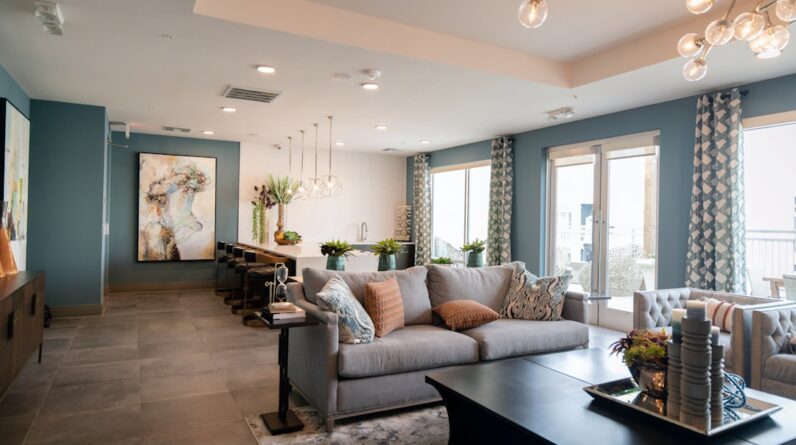
When selecting furniture for a maximalist space, think beyond traditional styles and embrace pieces that make a statement. Opt for bold shapes and unique designs that draw attention. A vintage armchair upholstered in a vibrant fabric can serve as a focal point in your living room, while an oversized coffee table adorned with books and decorative objects adds character to the space.
Decorative accessories are equally important in maximalist design. Layering various decor items—such as sculptures, vases, and textiles—can create an inviting atmosphere filled with personality. Don’t hesitate to mix materials; glass, metal, wood, and ceramics can all coexist beautifully in a maximalist setting.
The goal is to curate a collection of items that reflect your tastes while creating an engaging visual narrative throughout your home.
Maximalist Interior Design Tips and Tricks
To successfully navigate the world of maximalist interior design, consider these tips and tricks that can help you achieve a cohesive yet dynamic look. First, start small if you’re new to this style; incorporate one or two bold elements into your space before fully committing to the maximalist approach. This could be as simple as adding a colorful throw pillow or an eye-catching piece of art.
Another essential tip is to establish a focal point in each room. This could be an oversized piece of furniture or an accent wall adorned with striking wallpaper or art. Once you have your focal point established, build around it by layering complementary colors and textures that enhance its presence without overwhelming it.
Remember that balance is key; while maximalism celebrates abundance, it’s important to maintain harmony within the space.
The Future of Maximalist Interior Design
As we look ahead, the future of maximalist interior design appears bright and full of possibilities. With an increasing emphasis on personalization in home decor, more individuals are embracing this expressive style as a way to showcase their unique identities. The rise of social media platforms has also played a significant role in popularizing maximalism; homeowners are inspired by diverse aesthetics from around the world, leading to an even broader interpretation of this design philosophy.
Sustainability is another trend shaping the future of maximalism. As people become more conscious of their environmental impact, there’s a growing interest in sourcing vintage or second-hand pieces that tell a story while reducing waste. This approach aligns perfectly with the ethos of maximalism—celebrating individuality through curated collections while promoting sustainable practices in home decor.
In conclusion, maximalist interior design invites you to embrace abundance and express your unique personality through your living spaces. By understanding its history, key elements, and practical tips for incorporation, you can create an environment that feels vibrant and alive—a true reflection of who you are. As this design philosophy continues to evolve, it promises to inspire creativity and self-expression for years to come.
FAQs
What is maximalist interior design?
Maximalist interior design is a style that embraces bold colors, patterns, and textures to create a visually rich and eclectic space. It is characterized by an abundance of decorative elements and a mix of different styles and eras.
What are the key elements of maximalist interior design?
Key elements of maximalist interior design include vibrant colors, intricate patterns, luxurious fabrics, statement furniture pieces, and an eclectic mix of decorative objects. Layering and mixing different textures and styles is also a common feature of maximalist design.
How does maximalist interior design differ from minimalist design?
Maximalist interior design is the opposite of minimalist design, which focuses on simplicity, clean lines, and a pared-down aesthetic. While minimalist design embraces a “less is more” approach, maximalist design celebrates abundance and extravagance.
What are some popular trends in maximalist interior design?
Some popular trends in maximalist interior design include bold wallpaper patterns, mix-and-match furniture styles, maximalist art and gallery walls, and the use of luxurious and opulent materials such as velvet, silk, and brass. Layering rugs and textiles, as well as incorporating statement lighting fixtures, are also common trends in maximalist design.
How can I incorporate maximalist interior design into my home?
To incorporate maximalist interior design into your home, you can start by introducing bold colors and patterns through wallpaper, textiles, and decorative accessories. Mix and match furniture styles and incorporate statement pieces such as a bold sofa or a dramatic chandelier. Embrace an eclectic mix of decorative objects and layer different textures to create a visually rich and dynamic space.