Mediterranean interior design is a captivating style that draws inspiration from the sun-soaked coasts of Southern Europe, particularly countries like Italy, Greece, and Spain. This design aesthetic is characterized by its warm, inviting atmosphere and a seamless blend of indoor and outdoor living. As you explore this enchanting style, you will discover how it evokes a sense of relaxation and tranquility, reminiscent of leisurely afternoons spent by the sea.
The Mediterranean approach to interior design is not just about aesthetics; it embodies a lifestyle that celebrates nature, culture, and the joy of living. When you think of Mediterranean design, images of rustic villas adorned with terracotta tiles, vibrant colors, and lush greenery may come to mind. This style is deeply rooted in the region’s history and geography, reflecting the natural beauty and cultural richness of the Mediterranean basin.
By incorporating elements of this design into your own home, you can create a space that feels both timeless and contemporary, inviting you to unwind and enjoy the simple pleasures of life. Whether you live in a coastal area or a bustling city, embracing Mediterranean interior design can transform your environment into a serene retreat.
Key Takeaways
- Mediterranean interior design is inspired by the coastal regions of Spain, Italy, Greece, and other countries surrounding the Mediterranean Sea.
- Key elements of Mediterranean interior design include natural materials, rustic furniture, and vibrant colors.
- The color palette in Mediterranean interior design is characterized by warm earth tones, such as terracotta, ochre, and sea blue.
- Furniture and decor in Mediterranean interior design often feature ornate detailing, distressed finishes, and handcrafted elements.
- Incorporating natural elements like stone, wood, and plants is essential in achieving the relaxed and inviting atmosphere of Mediterranean interior design.
Elements of Mediterranean Interior Design
At the heart of Mediterranean interior design are its distinctive elements that work harmoniously to create a cohesive look. One of the most prominent features is the use of arches and rounded shapes, which can be seen in doorways, windows, and even furniture. These soft lines evoke a sense of fluidity and connection to nature, allowing light to flow freely throughout the space.
As you incorporate these architectural details into your home, consider how they can enhance the overall ambiance and create a welcoming atmosphere. Another essential element is the use of natural materials. Stone, wood, and wrought iron are commonly found in Mediterranean interiors, providing a rustic yet elegant touch.
You might choose to incorporate exposed wooden beams or stone walls to add character and warmth to your space. Additionally, textiles play a significant role in this design style. Fabrics such as linen, cotton, and wool are often used for upholstery and drapery, adding texture and comfort.
By thoughtfully selecting these materials, you can create an inviting environment that reflects the essence of Mediterranean living.
Color Palette in Mediterranean Interior Design

The color palette in Mediterranean interior design is one of its most defining features. You will find that it often consists of warm earth tones inspired by the landscape—think sandy beiges, terracotta oranges, and sun-kissed yellows. These colors evoke the warmth of the sun and the natural beauty of the Mediterranean region.
To create a harmonious space, consider using these hues as a foundation for your design while incorporating accents of vibrant blues and greens reminiscent of the sea and lush vegetation. In addition to these warm tones, you may also want to explore the use of white and cream shades. These lighter colors can help to brighten your space and create an airy feel, reminiscent of traditional Mediterranean homes that are often painted in light hues to reflect sunlight.
By balancing warm earth tones with cooler shades, you can achieve a dynamic yet cohesive color scheme that captures the essence of Mediterranean living. As you experiment with different combinations, remember that the goal is to create an inviting atmosphere that encourages relaxation and connection with nature.
Furniture and Decor in Mediterranean Interior Design
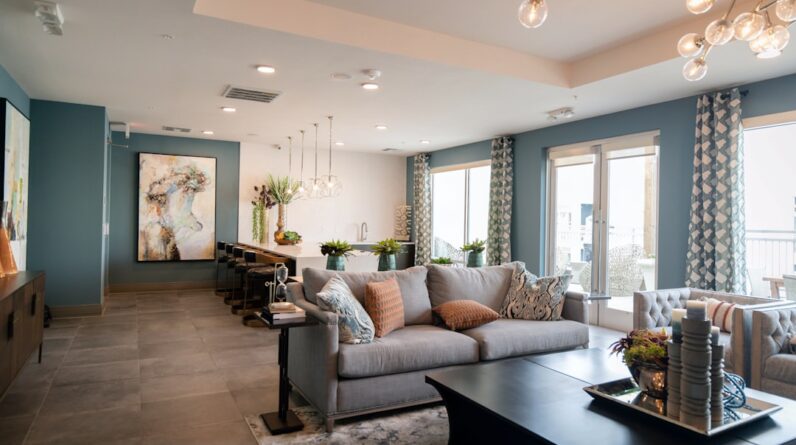
When it comes to furniture in Mediterranean interior design, comfort is key. You will often find oversized sofas adorned with plush cushions, inviting you to sink in and relax. The furniture typically features natural materials such as wood or wrought iron, with intricate carvings or distressed finishes that add character and charm.
As you select pieces for your space, consider incorporating low-profile seating arrangements that encourage conversation and connection among family and friends. Decorative elements also play a crucial role in achieving a Mediterranean aesthetic. You might choose to adorn your walls with vibrant artwork or handcrafted ceramics that reflect the region’s rich cultural heritage.
Textiles such as colorful rugs or embroidered throw pillows can add warmth and texture to your space while enhancing its overall appeal. Additionally, consider incorporating decorative items like lanterns or terracotta pots filled with fresh herbs to bring a touch of nature indoors. By thoughtfully curating your furniture and decor, you can create a space that feels both inviting and reflective of the Mediterranean lifestyle.
Incorporating Natural Elements in Mediterranean Interior Design
Nature is an integral part of Mediterranean interior design, and incorporating natural elements into your space can enhance its overall appeal. One way to achieve this is by bringing in plants that thrive in warm climates, such as olive trees or lavender. These plants not only add a pop of color but also infuse your home with delightful fragrances reminiscent of the Mediterranean landscape.
You might consider placing potted plants near windows or creating a small indoor garden to create a seamless connection between your indoor and outdoor spaces. In addition to live plants, you can also incorporate natural materials into your decor. Consider using stone or wood accents in your furniture or architectural details to evoke a sense of authenticity and warmth.
For example, a reclaimed wood dining table can serve as a stunning centerpiece for your dining area while providing a rustic touch. By thoughtfully integrating these natural elements into your design scheme, you can create an environment that feels grounded and connected to the beauty of the outdoors.
Lighting in Mediterranean Interior Design

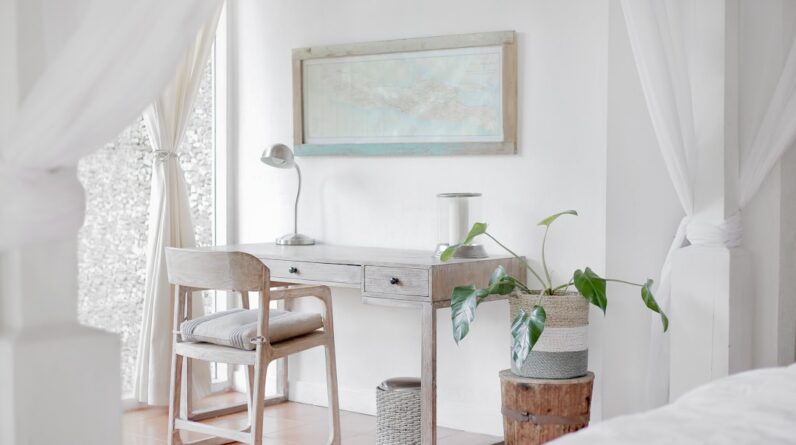
Lighting is another essential aspect of Mediterranean interior design that can dramatically influence the mood and ambiance of your space. You will often find large windows that allow natural light to flood in, creating an airy and open feel. To enhance this effect, consider using sheer curtains that allow sunlight to filter through while maintaining privacy.
This approach not only brightens your home but also creates a sense of connection with the surrounding landscape. In addition to natural light, you can incorporate various lighting fixtures that reflect the Mediterranean style. Wrought iron chandeliers or pendant lights with intricate designs can serve as stunning focal points in your dining or living areas.
Wall sconces with warm-toned bulbs can create a cozy atmosphere for evenings spent indoors. By layering different sources of light—ambient, task, and accent—you can achieve a well-lit space that feels inviting and comfortable at any time of day.
Tips for Achieving a Mediterranean Interior Design
If you’re eager to embrace Mediterranean interior design in your own home, there are several tips you can follow to achieve this captivating style. First and foremost, focus on creating an open floor plan that encourages flow between spaces. This layout not only enhances connectivity but also allows for ample natural light to enter your home.
Consider removing unnecessary walls or using furniture arrangements that promote conversation and interaction among family members. Next, prioritize comfort by selecting furniture pieces that invite relaxation. Opt for plush sofas with soft fabrics and oversized cushions that beckon you to unwind after a long day.
Additionally, don’t shy away from mixing different textures—combine smooth surfaces with rough-hewn materials for added visual interest. Finally, remember to infuse your personality into the design by incorporating personal touches such as family heirlooms or travel souvenirs that reflect your unique experiences.
Examples of Mediterranean Interior Design in Real Homes
To truly appreciate the beauty of Mediterranean interior design, it’s helpful to look at real-life examples that showcase its charm and versatility. Picture a sun-drenched living room adorned with terracotta tiles underfoot, where large windows frame breathtaking views of rolling hills or sparkling seas. The space is filled with comfortable seating arranged around a rustic wooden coffee table, inviting friends and family to gather for lively conversations.
In another example, imagine a cozy kitchen featuring open shelving displaying colorful ceramics alongside fresh herbs in terracotta pots on the windowsill. The warm hues of the cabinetry complement the natural stone countertops, creating an inviting atmosphere for cooking and entertaining. Each detail reflects the essence of Mediterranean living—warmth, comfort, and a deep appreciation for nature.
By exploring these examples and incorporating elements from Mediterranean interior design into your own home, you can create a space that feels both timeless and contemporary—a true reflection of the beauty found along the sun-kissed shores of the Mediterranean Sea.
FAQs
What is Mediterranean interior design?
Mediterranean interior design is a style inspired by the coastal regions of Spain, Italy, Greece, and other countries surrounding the Mediterranean Sea. It is characterized by warm colors, natural materials, and a relaxed, rustic aesthetic.
What are the key elements of Mediterranean interior design?
Key elements of Mediterranean interior design include earthy tones, textured walls, exposed wooden beams, wrought iron accents, and natural materials such as stone, terracotta, and wood. Additionally, Mediterranean design often incorporates elements of nature, such as plants and natural light.
What are the color palettes commonly used in Mediterranean interior design?
Common color palettes in Mediterranean interior design include warm earth tones such as terracotta, ochre, and sandy beige, as well as vibrant blues and greens inspired by the sea and sky. These colors are often complemented by accents of white and other neutral shades.
What types of furniture are typically used in Mediterranean interior design?
Furniture in Mediterranean interior design is often made of natural materials such as wood, wrought iron, and rattan. Pieces are typically rustic and weathered, with a focus on comfort and functionality. Upholstered furniture may feature rich, textured fabrics in warm, inviting colors.
How can I incorporate Mediterranean interior design into my home?
To incorporate Mediterranean interior design into your home, consider using warm, earthy colors, incorporating natural materials such as stone and wood, and adding elements of nature such as plants and natural light. Additionally, look for furniture and decor with a rustic, weathered aesthetic to capture the essence of Mediterranean style.