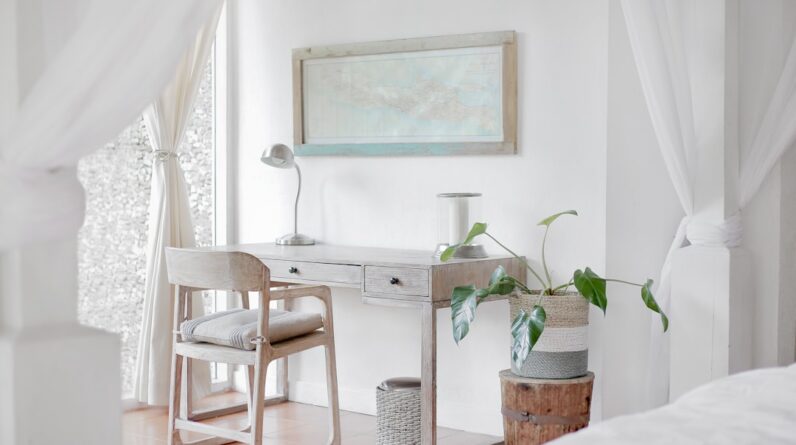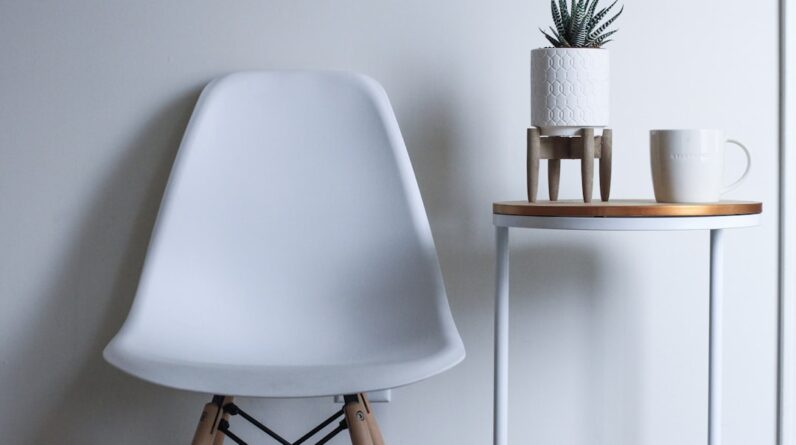
Minimalist interior design is more than just a trend; it’s a lifestyle choice that emphasizes simplicity and functionality. At its core, this design philosophy advocates for the removal of excess and the celebration of what truly matters. You may find that minimalist spaces evoke a sense of calm and clarity, allowing you to focus on the essentials rather than being overwhelmed by clutter.
By stripping away unnecessary elements, you create an environment that promotes peace and mindfulness, making it easier to navigate your daily life. As you delve deeper into minimalist design, you’ll discover that it’s not merely about having fewer items in your space. It’s about curating a collection of meaningful pieces that resonate with you.
Each item should serve a purpose or bring you joy, contributing to the overall harmony of your home. This approach encourages you to be intentional with your choices, fostering a deeper connection to your living environment. By understanding the principles of minimalist design, you can transform your space into a sanctuary that reflects your values and lifestyle.
Key Takeaways
- Minimalist interior design focuses on simplicity, functionality, and clean lines.
- Choosing a neutral color palette creates a calming and cohesive atmosphere in minimalist design.
- Decluttering and organizing are essential for maintaining a minimalist space.
- Selecting simple and functional furniture is key to achieving a minimalist look.
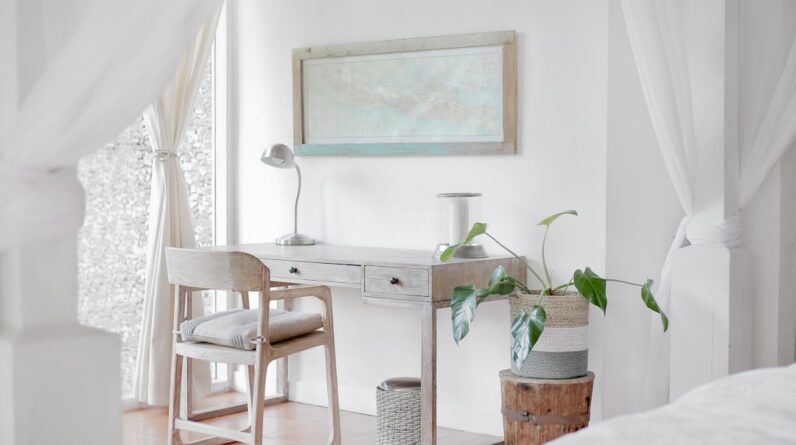
- Incorporating natural elements such as wood and plants adds warmth and texture to a minimalist space.
Choosing a Neutral Color Palette
When it comes to minimalist interior design, selecting a neutral color palette is crucial. Neutral tones such as whites, grays, beiges, and soft earth tones create a serene backdrop that allows other elements in the room to shine. You might find that these colors evoke a sense of tranquility, making your space feel more open and inviting.
By opting for a neutral palette, you can easily mix and match different textures and materials without overwhelming the senses. In addition to creating a calming atmosphere, a neutral color scheme provides versatility. You can easily change the look of your space by simply swapping out accessories or artwork while maintaining the same foundational colors.
This adaptability allows you to refresh your home without the need for extensive renovations or redecorating. As you explore different shades and tones, consider how they interact with natural light throughout the day, as this can significantly impact the overall feel of your space.
Decluttering and Organizing

Decluttering is an essential step in achieving a minimalist interior design. You may find that letting go of items you no longer need or use can be liberating. Start by assessing each room in your home and identifying items that no longer serve a purpose or bring you joy.
This process can be both cathartic and challenging, but it’s an important part of creating a space that feels open and inviting. As you declutter, consider implementing the “one in, one out” rule: for every new item you bring into your home, let go of an existing one. Once you’ve decluttered, organizing your belongings becomes paramount.
You might want to invest in storage solutions that are both functional and aesthetically pleasing. Baskets, bins, and shelves can help keep your space tidy while maintaining the minimalist aesthetic. Remember that organization is not just about hiding items away; it’s about creating a system that allows you to easily access what you need while keeping your space visually appealing.
By prioritizing organization, you’ll find that your home feels more spacious and serene.
Selecting Simple and Functional Furniture
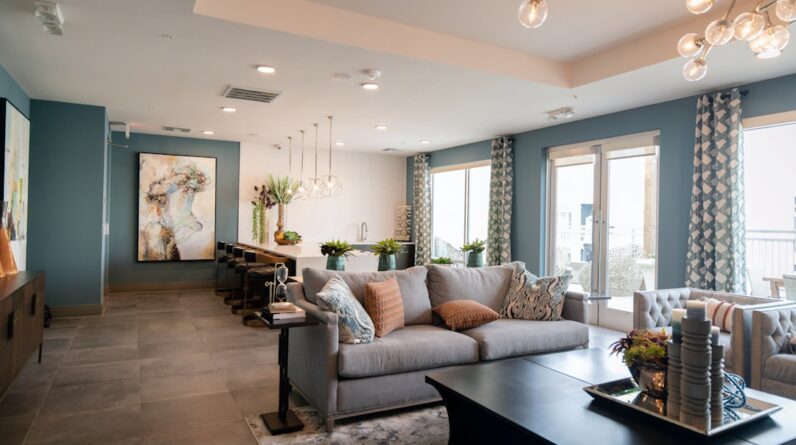
In minimalist interior design, furniture selection plays a pivotal role in achieving the desired aesthetic. You should aim for pieces that are simple yet functional, avoiding overly ornate designs that can clutter the visual landscape of your space. Look for furniture with clean lines and understated elegance; these elements will contribute to the overall harmony of your home.
Consider multi-functional furniture, such as ottomans with storage or coffee tables that can double as workspaces, as they maximize utility without sacrificing style. When choosing furniture, prioritize quality over quantity. Investing in well-crafted pieces will not only enhance the longevity of your furnishings but also elevate the overall look of your space.
You may find that fewer, high-quality items create a more sophisticated atmosphere than an abundance of lower-quality pieces. As you curate your furniture collection, think about how each piece interacts with the others in terms of scale, proportion, and color. This thoughtful approach will help you create a cohesive and inviting environment.
Incorporating Natural Elements
Bringing natural elements into your minimalist interior design can enhance the overall ambiance of your space. You might consider incorporating plants, wood accents, or stone features to create a connection with nature. Indoor plants not only purify the air but also add a touch of life and vibrancy to your home.
Choose low-maintenance varieties if you’re concerned about upkeep; even a few strategically placed plants can make a significant impact on the overall feel of your space. In addition to plants, consider using natural materials in your decor and furnishings. Wood, stone, and textiles made from organic fibers can add warmth and texture to an otherwise stark environment.
You may find that these elements create a sense of balance and grounding within your minimalist design. By thoughtfully integrating natural components into your home, you’ll foster an inviting atmosphere that encourages relaxation and well-being.
Utilizing Negative Space

Negative space is a fundamental concept in minimalist interior design that refers to the empty areas surrounding objects in a room. Embracing negative space allows you to create a sense of openness and flow within your environment. You might notice that when you leave certain areas intentionally bare, it draws attention to the items you do choose to display, making them feel more significant and impactful.
This technique can help prevent your space from feeling cluttered or overwhelming. To effectively utilize negative space, consider the arrangement of furniture and decor in each room. Avoid overcrowding surfaces with knick-knacks or excessive furnishings; instead, allow for breathing room around each piece.
This approach not only enhances visual appeal but also promotes a sense of calmness throughout your home. As you experiment with negative space, pay attention to how it influences the overall atmosphere of each room; you may find that it encourages mindfulness and tranquility.
Embracing Clean Lines and Shapes
Clean lines and geometric shapes are hallmarks of minimalist interior design that contribute to its sleek aesthetic. When selecting furniture and decor, look for pieces with simple silhouettes that emphasize functionality over ornamentation. You might find that straight lines and sharp angles create a sense of order and structure within your space, making it feel more organized and intentional.
Incorporating clean lines doesn’t mean sacrificing warmth or personality; rather, it allows you to create a balanced environment where each element has its place. Consider mixing different shapes—such as round tables with angular chairs—to add visual interest while maintaining an overall sense of cohesion. By embracing clean lines and shapes in your design choices, you’ll cultivate an atmosphere that feels both modern and inviting.
Adding Personal Touches
While minimalism emphasizes simplicity, it’s essential to infuse your personality into your space through thoughtful personal touches. You may want to display artwork or photographs that resonate with you or incorporate meaningful objects collected from travels or special moments in your life. These elements can serve as conversation starters while adding depth and character to your minimalist design.
As you curate personal touches, remember to keep them intentional and limited in number. Too many personal items can detract from the minimalist aesthetic you’re striving for; instead, choose a few standout pieces that truly reflect who you are. This balance will allow you to maintain the serene atmosphere of minimalism while still celebrating your individuality.
By thoughtfully integrating personal touches into your home, you’ll create a space that feels uniquely yours—a harmonious blend of simplicity and self-expression.
FAQs
What is minimalist interior design?
Minimalist interior design is a style that focuses on simplicity and functionality. It is characterized by clean lines, uncluttered spaces, and a limited color palette. The goal of minimalist design is to create a calm and serene environment by eliminating unnecessary elements and focusing on the essentials.
What are some key principles of minimalist interior design?
Some key principles of minimalist interior design include using a neutral color palette, incorporating simple and functional furniture, maximizing natural light, and eliminating clutter. The focus is on creating a sense of openness and tranquility within the space.
How can I achieve a minimalist interior design in my home?
To achieve a minimalist interior design in your home, start by decluttering and getting rid of unnecessary items. Choose a neutral color palette for the walls and furniture, and opt for simple and functional pieces. Maximize natural light by using sheer curtains or no window treatments at all. Keep the space open and uncluttered, and focus on quality over quantity when it comes to decor and furnishings.
What are some popular materials and textures used in minimalist interior design?
Popular materials and textures used in minimalist interior design include natural wood, metal, glass, and concrete. These materials are often used in their raw and unadorned state to emphasize their simplicity and functionality. Textures such as smooth surfaces, matte finishes, and natural fibers are also commonly used to add visual interest without overwhelming the space.
How can I add warmth to a minimalist interior design?
To add warmth to a minimalist interior design, consider incorporating natural materials such as wood and leather. You can also add warmth through the use of soft textiles like wool or cotton, and by incorporating warm accent colors in the form of throw pillows or artwork. Additionally, adding plants and greenery can bring a sense of life and warmth to a minimalist space.