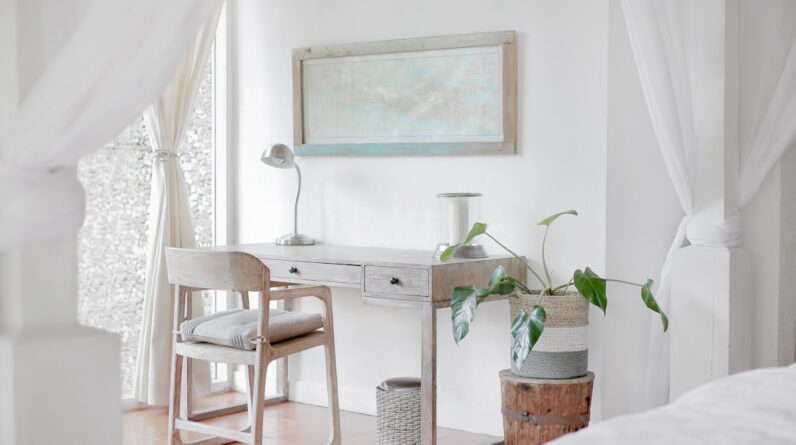
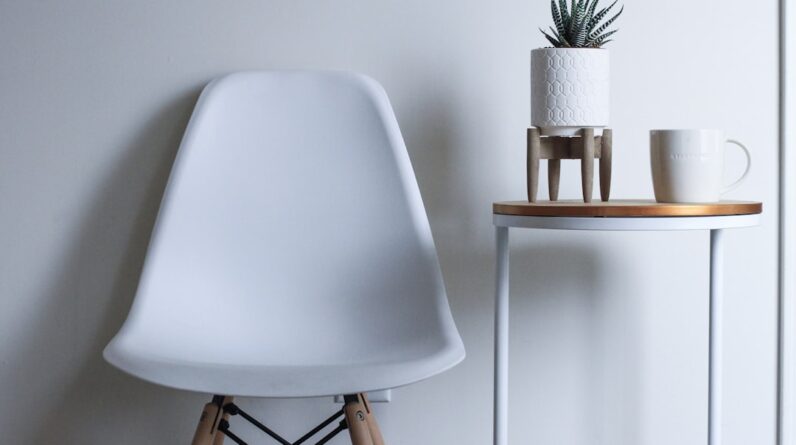
How Does Psychology Influence Interior Design?
Interior design is often viewed as a blend of art and functionality, but what many people overlook is the significant role psychology plays in shaping our living spaces. The way you feel in a room can significantly influence your mood, productivity, and well-being. By understanding the psychological principles behind interior design, you can create environments that aren’t just visually appealing but also deeply comforting and functional. So, let’s dive into how psychology influences interior design and how you can use these principles to enhance your living spaces.

The Emotional Impact of Colors
Choosing the Right Colors for the Right Feel
Colors have a profound effect on your emotions and moods. Perhaps you’ve noticed that a bright yellow wall filled you with cheeriness, while a deep blue room might have evoked tranquility or sadness. This emotional response isn’t just a coincidence; it’s rooted in psychological research.
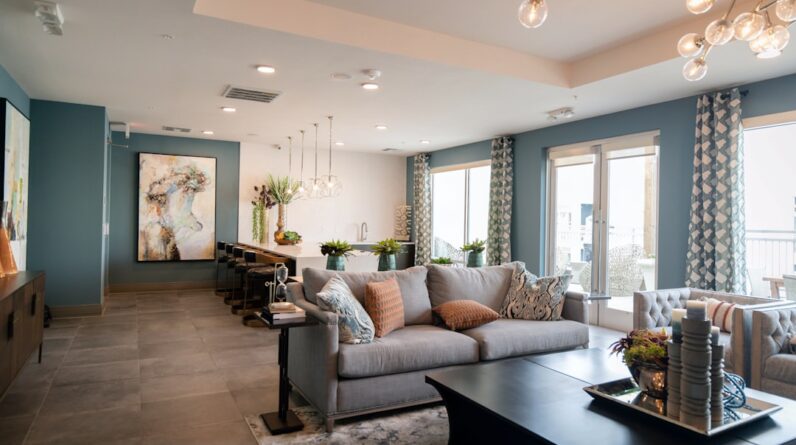
Different colors correspond with varying psychological responses because they can affect heart rates, blood pressure, and even hormone levels. Warm colors like reds and oranges are often associated with energy and excitement but can also evoke feelings of anger in excess. In contrast, cool colors like blues and greens generally promote calmness and relaxation. Think about the purpose of each room in your home. For example, you might want your bedroom to be a sanctuary of calm and serenity, while your living area could benefit from brighter colors to energize social interactions.
Space and Perception
How Space Affects Your Mind
The layout and proportion of a room can significantly affect how you perceive and interact with it. A cramped space can evoke feelings of anxiety and stress, while an open area can foster freedom and creativity. As a general rule, larger spaces feel more inviting than smaller ones, but it’s essential to find a balance.
Think about how you arrange your living room; placing furniture in a way that promotes open conversation can create a sense of community. Conversely, a cluttered space can be overwhelming and lead to feelings of chaos. Understanding these spatial dynamics allows you to curate environments that make you feel comfortable and inspired.
The Power of Natural Light
Brightening Your Mood with Sunlight
Natural light is hailed as one of the best mood boosters available. Exposure to sunlight increases the production of serotonin, a hormone that elevates your mood and contributes to happiness. When designing your space, you may want to think about incorporating large windows or reflective surfaces to enhance the natural light in your home.
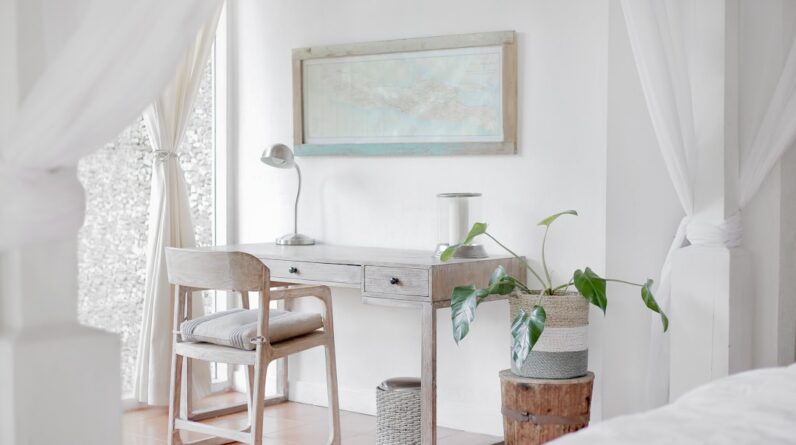
Moreover, how you position your furniture can ensure that you’re making the most of the sunlight streaming in. For instance, placing a reading chair next to a window can create a delightful nook that invites you to relax and absorb some rays. If you find yourself in a darker space, consider the use of mirrors to reflect light and make the room feel brighter and more expansive.
Personal Spaces and Well-Being
The Importance of Personal Touches
Your environment should reflect who you are. The items you choose to decorate your home with can invoke nostalgia, comfort, and joy. This psychological principle highlights why personal spaces matter. When you hang a family photo or display a treasured memento, you’re not just filling space; you are creating a personal narrative that positively affects your emotional state.
It’s essential to curate spaces that invoke happy memories and experiences. Perhaps consider creating a gallery wall of photographs that remind you of your happiest moments, or display items that inspire you daily. When your space is filled with personal significance, it becomes a solid foundation for mental well-being.
Texture and Touch
How Touch Influences Your Comfort Level
When it comes to design, texture is a key, often overlooked element that contributes heavily to how comfortable a space feels. The materials and finishes you choose can evoke different feelings. For example, soft textiles such as plush rugs and velvet cushions encourage coziness and calm. In contrast, harder surfaces like glass or metal can create a sleek, modern vibe but might also feel cold.
When selecting furniture or decor, think about how each piece feels. A large, overstuffed couch can invite relaxation, while a sleek leather chair might be better suited for a workspace. By being mindful of textures, you can create spaces that invite touch and interaction, promoting a serene environment.
Design for Specific Activities
Tailoring Spaces to Your Functionality Needs
Every room serves a different purpose, and understanding that can significantly impact how you design your space. You might be surprised to learn that redesigning based on the intended activity can enhance your productivity and offer emotional support.
For example, if you’re setting up a home office, consider how the layout can minimize distractions and improve focus. Use color psychology to select hues that promote concentration, like greens or blues. Alternatively, if you’re establishing a relaxation area, incorporate calming colors, soft furnishings, and low lighting to create a sanctuary of peace.

The Role of Organization
Clarity through Decluttering
Did you know that the state of your environment can significantly impact your cognitive clarity? A cluttered area can contribute to feelings of anxiety and distractibility. On the other hand, organized spaces promote order and control, which can help you feel more productive and calm.
By employing techniques like minimalism or organization methods such as the KonMari method, you can create an atmosphere conducive to focus. Store items that you don’t use regularly, and make sure things have a designated place. A well-organized space doesn’t just look better; it feels better emotionally, leading to an enhanced sense of well-being.
Aligning with Nature: Biophilic Design
Bringing the Outdoors In
Connecting with nature is more than just a nice idea; it’s a psychological necessity that can aid in reducing stress and boosting happiness. Biophilic design integrates natural elements into your interiors, allowing you to reap the mental health benefits of green spaces.
This can be as straightforward as incorporating houseplants, as live greenery not only purifies the air but also enhances your mood. Large windows that offer views of the outdoors can create a seamless transition from inside to outside and are known to have calming effects. Natural materials like wood or stone can contribute to this effect as well. By inviting nature indoors, you’ll cultivate a more refreshing and restorative atmosphere.
Sound and Space
Auditory Influences on Your Environment
Although sight often takes center stage, sound is another powerful psychological factor influencing our experience of a space. No one likes an environment filled with jarring noises, so it’s worth considering how to curate sound in your home.
From incorporating soft textiles that absorb noise to using white noise machines or gentle music, you can shape how sound interacts with your environment. If you live in a busy area, soundproofing options like thick curtains can also create a sense of tranquility. A peaceful auditory backdrop enhances the experience of any space, making it more inviting and serene.
Cultural Influences in Design
Embracing Diverse Perspectives
Cultural background plays an immense role in how you perceive and interact with design. Environments that embrace diverse cultural influences can contribute positively to your understanding of your own identity while fostering inclusivity.
Consider incorporating elements from different cultures that resonate with you. This could take the form of artworks, textiles, or even architectural choices. By creating a space that acknowledges and celebrates cultural plurality, you not only enrich your surroundings but also create a more profound emotional connection to your home.
The Psychological Implications of Scale and Proportion
Balancing Elements for Emotional Harmony
The scale and proportion of furniture and decor play crucial roles in how you perceive a space. High ceilings with oversized furniture can evoke feelings of grandeur or even intimidation, while small spaces can feel cozy yet cramped if not balanced correctly.
When designing a space, it’s essential to maintain a proportionate balance. Large furniture pieces can anchor a room, but be mindful of preventing them from overpowering your space. Similarly, little accents can add charm but should not be overwhelming. The harmony in scale encourages a sense of comfort and aesthetic satisfaction.
The Influence of Lighting Design
Creating Ambiance through Light
Lighting serves as one of the most impactful design elements that can drastically shift the mood of a room. The quality, direction, and type of lighting you use can determine whether a space feels cozy, energizing, or sterile. A dimly lit room can create an intimate setting, while bright lights can spark collaboration and alertness.
Layering your lighting sources – ambient, task, and accent lighting – allows for versatility in how you experience a space. You might also want to consider using adjustable lighting or dimmers to further control the ambiance based on the activity at hand. The psychological influence of lighting should never be underestimated, as it sets the emotional backdrop for your home.
Feedback Loops Between Environment and Mood
Understanding the Dynamic Interplay
There’s an interesting feedback loop that occurs between your environment and your mental state. How you design your space affects how you feel, while your emotional state can also influence the way you interact with and change your environment. For instance, if you’re feeling low, you might notice a tendency to neglect tidying up or even redecorating.
Recognizing this interplay can empower you to make conscious choices about your surroundings that ultimately contribute positively to your mental health. When you curate your environment thoughtfully, it will enhance your quality of life, and in turn, you’ll be more inclined to maintain it.
Conclusion: Designing for Mental Well-Being
Creating a space that positively influences your mental and emotional well-being is not merely a luxury; it’s a necessity. The principles of psychology in interior design can turn a house into a home, whether it’s through color psychology, the use of texture, or the incorporation of natural elements. Each choice you make sends a message to your subconscious about how you wish to feel in your space.
So the next time you’re looking to revamp your interior, consider how you can apply these psychological principles to create an environment that reflects your best self. Your home should not only protect you from the outside world but also nurture and support you every day.
If you’ve found this article insightful, I’d love to hear your thoughts! Please clap for this article, leave a comment, and don’t forget to subscribe to my Medium newsletter for more updates on personal well-being and design. Your feedback is what keeps this conversation going!