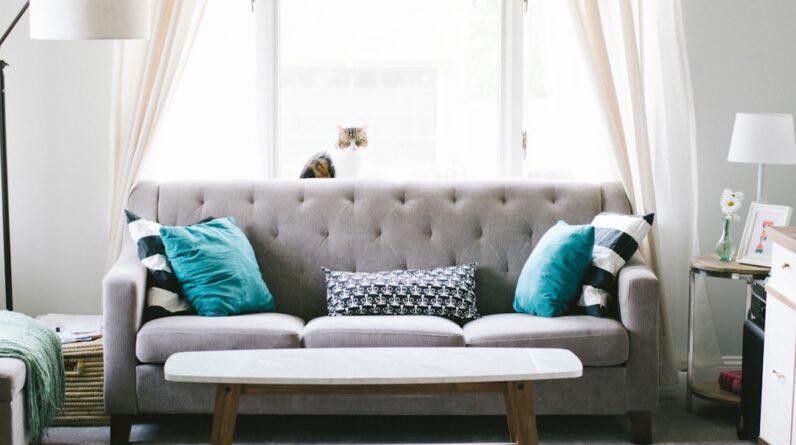
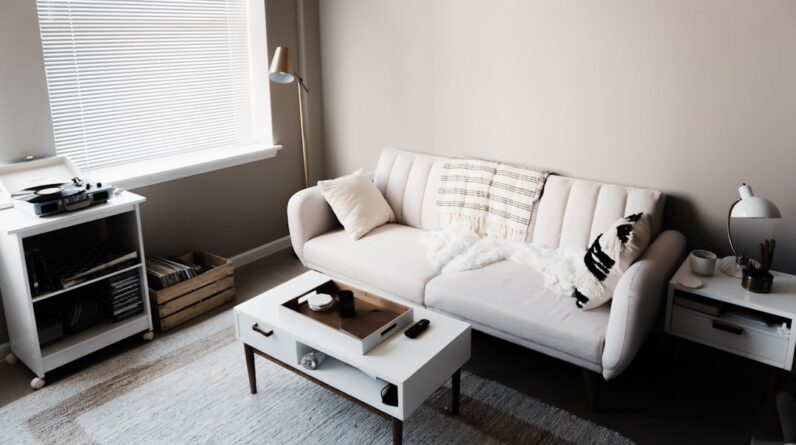
In recent years, minimalistic interior design has surged in popularity, captivating homeowners and designers alike. This movement, rooted in the idea that less is more, emphasizes simplicity and functionality over excessive ornamentation. You may have noticed how this aesthetic has permeated various aspects of modern living, from homes to public spaces.
The rise of minimalism can be attributed to a growing desire for clarity and calm in an increasingly chaotic world. As life becomes more fast-paced and cluttered, many individuals are seeking refuge in environments that promote tranquility and focus. The minimalistic approach is not merely a design trend; it reflects a broader cultural shift towards sustainability and intentional living.
You might find that the principles of minimalism resonate with your own values, encouraging you to prioritize quality over quantity. This philosophy encourages you to curate your surroundings thoughtfully, choosing only those items that serve a purpose or bring you joy. As you embrace minimalism, you may discover that it fosters a sense of freedom and clarity, allowing you to focus on what truly matters in your life.
Key Takeaways
- Minimalistic interior design is on the rise, characterized by simplicity, functionality, and clean lines.
- The principles of minimalism in interior design include decluttering, using neutral colors, and focusing on quality over quantity.
- Incorporating minimalistic concepts in furniture and decor involves choosing pieces with simple and clean designs, and prioritizing functionality.
- The role of color and texture in minimalistic interior design is to create a sense of calm and harmony, often using a limited color palette and natural textures.
- Creating functional and stylish spaces with minimalism involves maximizing space, using multifunctional furniture, and incorporating storage solutions.
The Principles of Minimalism in Interior Design
Decluttering: The Path to a More Open and Inviting Space
Removing unnecessary items from your living space can create an environment that feels more open and inviting. This process often involves evaluating each piece of furniture and decor, asking yourself whether it serves a purpose or contributes to your overall aesthetic. By embracing this principle, you can cultivate a sense of peace and order in your home.
Functionality: The Key to Maximizing Space and Efficiency
In a minimalistic space, every item should have a clear purpose, whether it’s a piece of furniture or a decorative element. You might consider investing in multi-functional pieces that serve more than one purpose, such as a coffee table with built-in storage or a sofa bed for guests. This approach not only maximizes space but also enhances the overall efficiency of your home.
Prioritizing Functionality for a Clutter-Free Lifestyle
By prioritizing functionality, you can create an environment that supports your lifestyle while maintaining a clean and uncluttered appearance.
Incorporating Minimalistic Concepts in Furniture and Decor

When it comes to furniture and decor in minimalistic interior design, simplicity is key. You may want to choose pieces that feature clean lines and understated elegance, avoiding overly ornate designs that can overwhelm a space. Consider selecting furniture made from natural materials like wood or metal, as these elements can add warmth and texture without detracting from the overall minimalist aesthetic.
By focusing on quality craftsmanship, you can ensure that each piece you choose stands the test of time while contributing to a cohesive look. In addition to selecting the right furniture, you can also incorporate minimalistic concepts into your decor choices. Opt for a few carefully curated decorative items rather than an abundance of knick-knacks.
You might choose a single statement piece, such as a large piece of art or a sculptural vase, to serve as a focal point in the room. This approach allows you to express your personal style while maintaining the clean lines and simplicity that define minimalism. By being intentional about your decor choices, you can create a space that feels both stylish and serene.
The Role of Color and Texture in Minimalistic Interior Design
Color plays a crucial role in minimalistic interior design, as it can significantly impact the mood and atmosphere of a space. You may find that neutral color palettes—such as whites, grays, and beiges—are often favored in minimalistic designs because they create a sense of calm and spaciousness. These colors can serve as a blank canvas, allowing you to experiment with different textures and materials without overwhelming the senses.
By incorporating subtle variations in shades, you can add depth to your space while still adhering to the minimalist ethos. Texture is another important element in minimalistic design that can enhance visual interest without cluttering the space. You might consider incorporating various textures through textiles, such as soft throws or woven rugs, to create warmth and comfort.
Natural materials like wood, stone, and metal can also add tactile richness to your environment. By thoughtfully combining different textures, you can create a layered look that feels inviting while remaining true to the minimalist aesthetic.
Creating Functional and Stylish Spaces with Minimalism
One of the most appealing aspects of minimalistic interior design is its ability to create functional yet stylish spaces. You may find that by focusing on essential elements, you can design areas that are both practical and aesthetically pleasing. For instance, when designing your living room, consider how each piece of furniture will be used and how it contributes to the overall flow of the space.
By arranging furniture in a way that promotes conversation and comfort, you can create an inviting atmosphere without sacrificing style. In addition to functionality, minimalism encourages you to think creatively about how to maximize your space. You might explore innovative storage solutions that keep clutter at bay while maintaining an open feel.
Built-in shelving or hidden storage compartments can help you achieve this balance, allowing you to keep essential items close at hand without compromising the minimalist aesthetic. By prioritizing both function and style, you can create spaces that are not only beautiful but also serve your everyday needs.
Minimalistic Design in Small Living Spaces
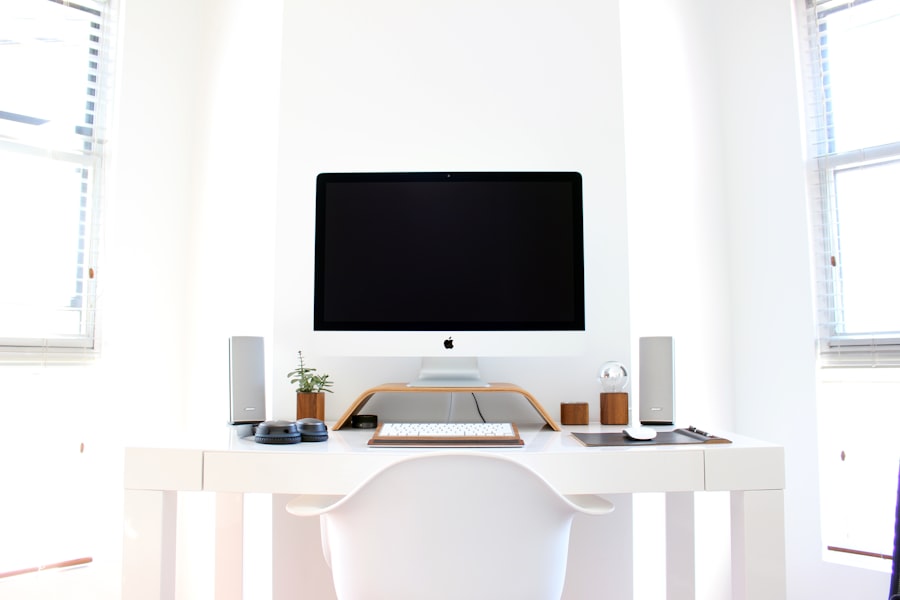
Minimalism is particularly well-suited for small living spaces, where every square foot counts. You may find that adopting a minimalist approach allows you to make the most of limited space by eliminating unnecessary items and focusing on what truly matters. In small apartments or homes, it’s essential to choose furniture that is appropriately scaled for the room while still providing comfort and functionality.
Consider selecting pieces that can be easily moved or reconfigured to adapt to different needs. Incorporating smart storage solutions is also vital in small living spaces. You might explore options like under-bed storage or wall-mounted shelves to keep your belongings organized without taking up valuable floor space.
Additionally, using mirrors strategically can create an illusion of depth and openness, making your small area feel larger than it is. By embracing minimalism in your small living space, you can cultivate an environment that feels airy and spacious while reflecting your personal style.
Minimalism in Commercial and Office Spaces
The principles of minimalism extend beyond residential design; they are increasingly being embraced in commercial and office spaces as well. You may have noticed how many modern workplaces are adopting minimalist aesthetics to foster productivity and creativity among employees. By creating uncluttered environments with ample natural light and open layouts, businesses can promote focus and collaboration among team members.
Incorporating minimalistic design elements into commercial spaces often involves choosing functional furniture that supports various work styles. You might consider adjustable desks or collaborative seating arrangements that encourage teamwork while maintaining a clean look. Additionally, using branding elements sparingly can help maintain a professional atmosphere without overwhelming the space with visual noise.
By embracing minimalism in commercial design, businesses can create environments that enhance employee well-being while reflecting their brand identity.
The Future of Minimalistic Interior Design: Trends and Innovations
As we look ahead, the future of minimalistic interior design promises exciting trends and innovations that will continue to shape this aesthetic. You may find that sustainability will play an increasingly significant role in minimalism as more individuals seek eco-friendly materials and practices in their homes and workplaces. This shift towards sustainable design encourages you to consider not only the visual impact of your choices but also their environmental footprint.
Technological advancements are also likely to influence the future of minimalistic design. Smart home technology can enhance functionality while maintaining simplicity by allowing you to control various aspects of your environment with ease. Imagine being able to adjust lighting or temperature with just a voice command or through an app on your phone—this level of convenience aligns perfectly with the minimalist ethos of efficiency and ease.
As these trends continue to evolve, you can expect minimalistic interior design to remain relevant and adaptable to changing lifestyles and preferences. In conclusion, minimalistic interior design offers a refreshing approach to creating spaces that prioritize simplicity, functionality, and intentionality. As you explore this aesthetic in your own home or workspace, you may discover new ways to enhance your environment while fostering a sense of peace and clarity in your life.
Whether through thoughtful furniture choices or innovative design solutions, embracing minimalism allows you to curate spaces that reflect your values and support your well-being.
FAQs
What is modern interior design?
Modern interior design is a style that emerged in the early 20th century and is characterized by clean, sleek lines, a simple color palette, and a focus on function and organization. It often incorporates elements of minimalism and is influenced by the modernist art movement.
What are some key principles of modern interior design?
Key principles of modern interior design include minimalism, clean lines, open spaces, and a focus on functionality. It also often incorporates natural materials, such as wood and stone, and emphasizes the use of natural light.
What are some common elements of modern interior design?
Common elements of modern interior design include neutral color palettes, simple and uncluttered spaces, sleek and functional furniture, and the use of natural materials. It also often incorporates geometric shapes and patterns, as well as a focus on creating a sense of openness and flow within a space.
How does modern interior design differ from other styles?
Modern interior design differs from other styles, such as traditional or eclectic, in its emphasis on simplicity, functionality, and minimalism. It also often incorporates more industrial and futuristic elements, as well as a focus on creating a sense of openness and light within a space.
What are some popular modern interior design concepts?
Some popular modern interior design concepts include open floor plans, minimalist furniture and decor, the use of natural and sustainable materials, and the incorporation of technology and smart home features. Additionally, concepts such as biophilic design, which incorporates elements of nature into interior spaces, are also gaining popularity in modern interior design.