As you delve into the world of modern interior design, it becomes evident that this field has undergone a remarkable transformation over the decades. The journey began in the early 20th century, where design was heavily influenced by movements such as Art Deco and Bauhaus. These styles emphasized geometric shapes, bold colors, and a departure from traditional aesthetics.
You can see how these early influences laid the groundwork for what would evolve into a more eclectic and personalized approach to interior spaces. The post-war era brought about a shift towards functionality, as people sought comfort and practicality in their homes. This period marked the rise of mid-century modern design, characterized by clean lines, organic forms, and an emphasis on the connection between indoor and outdoor spaces.
As you explore further into the late 20th century and into the 21st century, you will notice a significant shift towards individual expression in interior design. The rise of globalization introduced a myriad of cultural influences, allowing you to draw inspiration from various traditions and styles around the world. This eclecticism is evident in contemporary homes, where you can find a blend of vintage pieces alongside modern furnishings.
The evolution of modern interior design reflects not only changes in aesthetic preferences but also shifts in societal values, such as the increasing importance placed on sustainability and wellness. As you navigate through this dynamic landscape, you will discover that modern interior design is not just about creating beautiful spaces; it is about crafting environments that resonate with personal identity and lifestyle.
Key Takeaways
- Modern interior design has evolved from traditional and ornate styles to embrace simplicity, functionality, and minimalism.
- Balancing functionality and aesthetics is a key principle in modern interior design, ensuring that spaces are both practical and visually appealing.
- Technology has greatly influenced interior design, with smart home systems, virtual reality, and 3D printing revolutionizing the way spaces are designed and experienced.
- Sustainable and eco-friendly elements are increasingly being incorporated into modern interior design, with a focus on using renewable materials and energy-efficient solutions.
- Minimalist and multifunctional furniture are popular choices in modern interior design, maximizing space and versatility while maintaining a clean and uncluttered look.
Balancing Functionality and Aesthetics
In your quest to create a beautiful living space, you may find yourself grappling with the delicate balance between functionality and aesthetics. It’s essential to recognize that these two elements are not mutually exclusive; rather, they can complement each other beautifully. When designing your home, consider how each piece of furniture or decor serves a purpose while also contributing to the overall visual appeal.
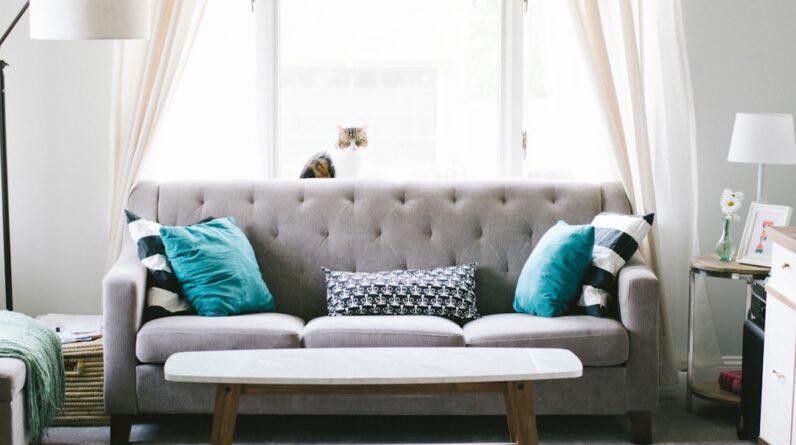
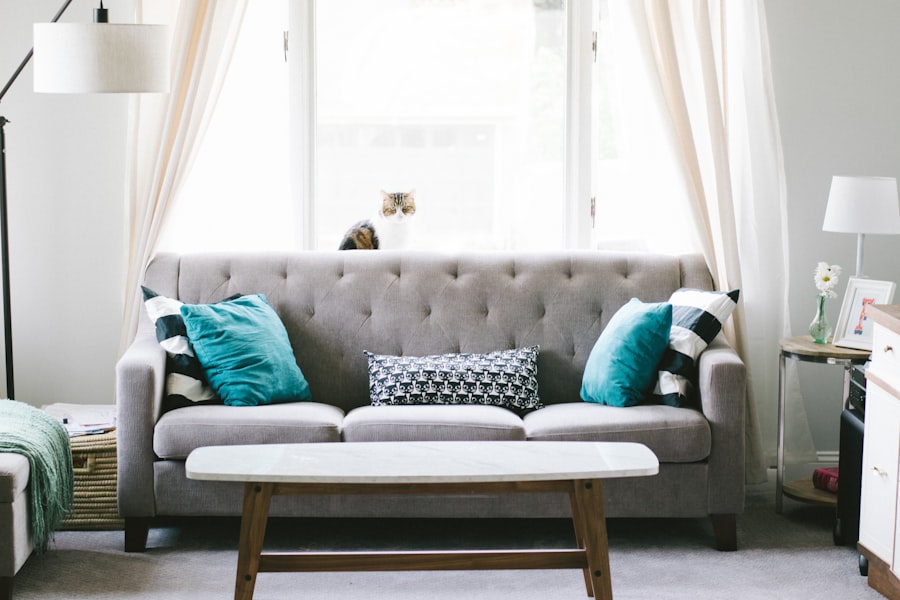
For instance, a well-designed sofa should not only be comfortable but also enhance the room’s aesthetic through its color, shape, and texture. By prioritizing both functionality and aesthetics, you can create spaces that are not only visually stunning but also practical for everyday living. As you embark on this balancing act, think about how your lifestyle influences your design choices.
If you have children or pets, for example, you might opt for durable materials that withstand wear and tear while still looking stylish. On the other hand, if you entertain frequently, consider how your layout can facilitate social interactions while maintaining an inviting atmosphere. By thoughtfully integrating functional elements into your design, you can ensure that your space serves your needs without sacrificing beauty.
Ultimately, achieving harmony between functionality and aesthetics allows you to create an environment that feels both comfortable and inspiring.
The Influence of Technology on Interior Design
In today’s fast-paced world, technology plays an increasingly pivotal role in shaping interior design. As you explore this intersection of innovation and creativity, you will find that technology not only enhances the design process but also transforms how you experience your living spaces. Smart home devices have revolutionized the way you interact with your environment, allowing for seamless control over lighting, temperature, and security systems.
Imagine being able to adjust your home’s ambiance with a simple voice command or through an app on your smartphone; this level of convenience has become a hallmark of modern living. Moreover, technology has expanded the possibilities for design visualization and collaboration. With advanced software and virtual reality tools, designers can create immersive experiences that allow you to visualize your space before any physical changes are made.
This capability empowers you to make informed decisions about layout, color schemes, and furnishings. Additionally, online platforms have democratized access to design resources, enabling you to explore countless ideas and inspirations from the comfort of your home. As technology continues to evolve, it will undoubtedly shape the future of interior design in ways we have yet to imagine.
Incorporating Sustainable and Eco-Friendly Elements
As awareness of environmental issues grows, incorporating sustainable and eco-friendly elements into your interior design has become more important than ever. You may find yourself drawn to materials that are not only aesthetically pleasing but also environmentally responsible. For instance, reclaimed wood furniture or bamboo flooring can add warmth and character to your space while minimizing your ecological footprint.
By choosing sustainable materials, you contribute to a healthier planet while creating a unique atmosphere in your home. In addition to materials, consider how energy-efficient appliances and fixtures can enhance your living space. LED lighting, low-flow faucets, and energy-efficient heating systems not only reduce utility bills but also promote a more sustainable lifestyle.
As you integrate these elements into your design, think about how they align with your values and lifestyle choices. Creating an eco-friendly home is not just about making individual choices; it’s about fostering a mindset that prioritizes sustainability in every aspect of life. By embracing these principles in your interior design journey, you can create spaces that reflect your commitment to both beauty and environmental stewardship.
The Use of Minimalist and Multifunctional Furniture
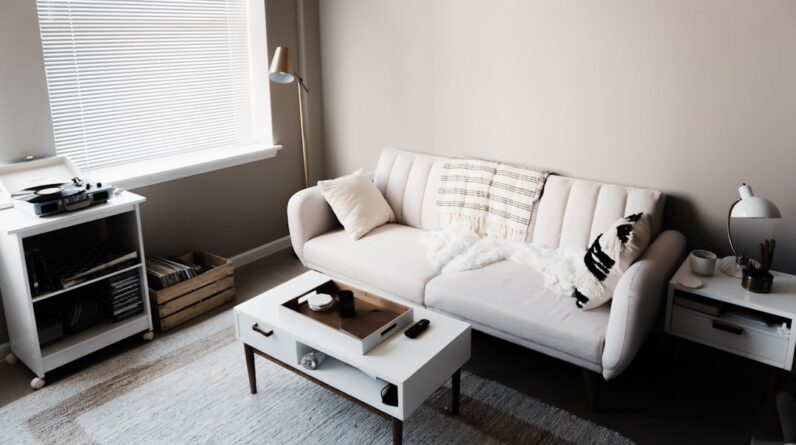
In recent years, minimalism has emerged as a powerful trend in interior design, emphasizing simplicity and functionality. As you explore this aesthetic, you may find that minimalist furniture allows for greater flexibility in your living spaces. By choosing pieces that serve multiple purposes—such as a sofa bed or a coffee table with storage—you can maximize space without sacrificing style.
This approach is particularly beneficial for those living in smaller homes or apartments where every square foot counts. Moreover, minimalist design encourages you to curate your belongings thoughtfully. By focusing on quality over quantity, you can create an environment that feels open and uncluttered.
This intentionality not only enhances the visual appeal of your space but also promotes a sense of calm and tranquility. As you embrace minimalist principles in your interior design journey, consider how each piece contributes to the overall harmony of your home. By selecting multifunctional furniture that aligns with your lifestyle needs, you can create a space that is both practical and aesthetically pleasing.
Integrating Art and Personalization in Interior Design

Art plays a crucial role in transforming a house into a home by infusing personality and character into your living spaces. As you curate art pieces that resonate with you—whether they are paintings, sculptures, or photographs—you create an environment that reflects your unique tastes and experiences. Consider how art can serve as a focal point in a room or complement existing decor elements.
By thoughtfully integrating art into your interior design, you can elevate the overall aesthetic while also telling your personal story. Personalization extends beyond art; it encompasses every aspect of your home’s design. From family heirlooms to travel souvenirs, incorporating meaningful items into your decor adds depth and warmth to your space.
You might choose to display cherished memories on shelves or create a gallery wall featuring photographs from significant moments in your life. This level of personalization not only enhances the visual appeal of your home but also fosters a sense of belonging and comfort. As you navigate the world of interior design, remember that it is ultimately about creating spaces that resonate with who you are.
Creating Harmonious Spaces with Color, Texture, and Lighting
The interplay of color, texture, and lighting is fundamental to creating harmonious spaces within your home. As you experiment with different color palettes, consider how each hue evokes specific emotions and influences the overall atmosphere of a room. For instance, soft blues and greens can promote tranquility in bedrooms, while vibrant reds or yellows may energize social spaces like living rooms or kitchens.
By thoughtfully selecting colors that align with the intended purpose of each room, you can cultivate an environment that feels cohesive and inviting. Texture also plays a vital role in enhancing the sensory experience of your space. Mixing materials such as wood, metal, fabric, and glass adds depth and interest to your interiors.
You might choose plush textiles for comfort alongside sleek surfaces for contrast—this combination creates a dynamic visual experience that keeps the eye engaged. Additionally, lighting is crucial in setting the mood; consider how natural light interacts with different colors and textures throughout the day. By layering various light sources—ambient, task, and accent—you can create versatile spaces that adapt to different activities and times of day.
The Future of Modern Interior Design: Trends and Innovations
As you look ahead to the future of modern interior design, it’s clear that innovation will continue to shape this ever-evolving field. Emerging trends such as biophilic design—an approach that seeks to connect people with nature—are gaining traction as individuals increasingly prioritize wellness in their living environments. You may find yourself drawn to designs that incorporate natural elements like indoor plants or water features, fostering a sense of tranquility amidst urban chaos.
Additionally, advancements in technology will likely play a significant role in shaping future interiors. From smart home automation systems to augmented reality tools for visualization, these innovations will enhance both the design process and everyday living experiences. As sustainability remains at the forefront of societal consciousness, expect to see more eco-friendly materials and practices integrated into mainstream design choices.
The future of modern interior design promises exciting possibilities as it continues to adapt to changing lifestyles and values—inviting you to explore new ways to create spaces that inspire and nurture well-being.
FAQs
What is modern interior design?
Modern interior design is a style that emerged in the early 20th century and is characterized by clean, sleek lines, a simple color palette, and a focus on function and organization. It often incorporates elements of minimalism and industrial design.
How does modern interior design mix functionality with aesthetics?
Modern interior design prioritizes both the functionality and aesthetics of a space. It emphasizes practicality and organization while also incorporating visually appealing elements such as clean lines, geometric shapes, and a balance of form and function.
What are some key features of modern interior design?
Key features of modern interior design include open floor plans, large windows to let in natural light, minimalistic furniture and decor, and a neutral color palette with occasional pops of bold color. It also often incorporates materials such as metal, glass, and concrete.
How can I incorporate modern interior design into my home?
To incorporate modern interior design into your home, focus on decluttering and organizing your space, choosing furniture with clean lines and simple shapes, and opting for a neutral color palette with a few bold accents. Additionally, consider adding elements such as large windows, sleek lighting fixtures, and modern artwork.
What are some common misconceptions about modern interior design?
One common misconception about modern interior design is that it is cold and sterile. In reality, modern design can be warm and inviting when balanced with the right textures, colors, and decor. Another misconception is that modern design is expensive, but there are affordable ways to achieve a modern look through DIY projects and strategic furniture choices.