Sustainable living is more than just a trend; it’s a lifestyle choice that reflects a commitment to preserving the planet for future generations. As you navigate through your daily life, you may find yourself increasingly aware of the impact your choices have on the environment. From the food you consume to the products you buy, every decision contributes to a larger narrative about sustainability.
Embracing sustainable living means adopting practices that reduce your carbon footprint, conserve resources, and promote ecological balance. It’s about making conscious choices that align with your values and recognizing that even small changes can lead to significant positive outcomes. In recent years, the conversation around sustainability has gained momentum, prompting individuals and communities to rethink their habits and lifestyles.
You might be inspired by the idea of living in harmony with nature, which can lead to a more fulfilling and responsible way of life. Sustainable living encourages you to consider the lifecycle of products, the energy consumed in their production, and the waste generated from their use. By understanding these factors, you can make informed decisions that not only benefit you but also contribute to the well-being of the planet.
This journey towards sustainability often begins at home, where your choices in interior design can play a pivotal role in fostering an eco-friendly environment.
Key Takeaways
- Sustainable living promotes a lifestyle that reduces environmental impact and conserves natural resources.
- Modern interior design plays a crucial role in promoting sustainable living by incorporating eco-friendly practices and materials.
- Utilizing sustainable materials such as bamboo, reclaimed wood, and recycled glass in interior design helps reduce environmental impact.
- Implementing energy-efficient lighting and appliances in interior design contributes to reducing energy consumption and carbon footprint.
- Incorporating indoor plants and greenery not only enhances the aesthetic appeal of a space but also improves indoor air quality and promotes a healthier environment.
The Role of Modern Interior Design in Sustainable Living
Modern interior design is increasingly intertwined with sustainable living principles, as designers and homeowners alike seek to create spaces that are both aesthetically pleasing and environmentally responsible. As you explore the world of interior design, you may notice a shift towards incorporating sustainable practices into the design process. This evolution reflects a growing awareness of the need for eco-friendly solutions that minimize environmental impact while enhancing the quality of life within your home.
By embracing modern design techniques, you can create spaces that not only look good but also contribute positively to the environment. One of the key aspects of modern interior design is its focus on functionality and efficiency. You might find that contemporary designs prioritize open spaces, natural light, and multi-functional furniture, all of which can lead to reduced energy consumption and a more sustainable lifestyle.
By choosing designs that emphasize simplicity and practicality, you can create an environment that encourages mindful living. This approach not only enhances your daily experience but also aligns with the broader goals of sustainable living by reducing waste and promoting resource conservation.
Utilizing Sustainable Materials in Interior Design
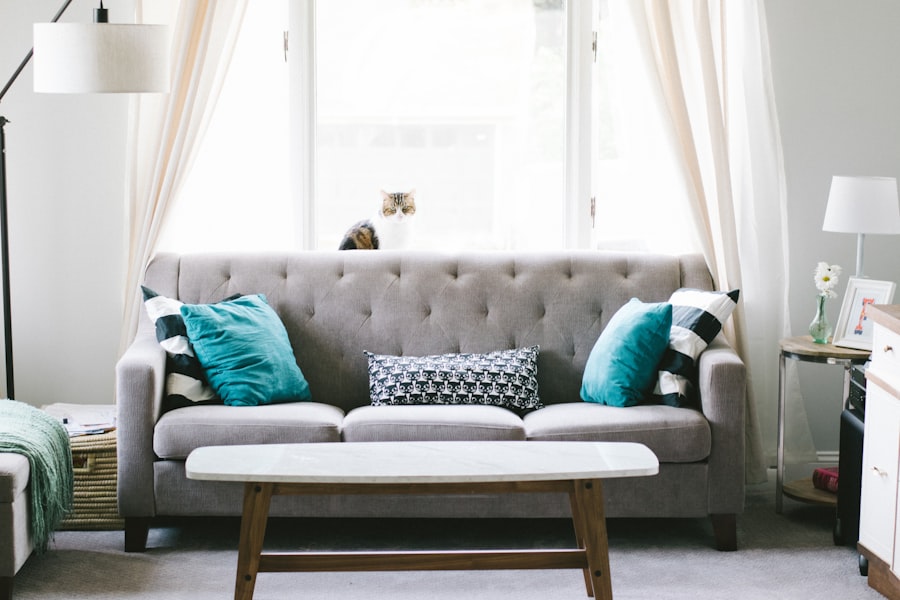
When it comes to sustainable interior design, the materials you choose play a crucial role in determining the overall environmental impact of your space. As you embark on your design journey, consider opting for materials that are renewable, recycled, or sustainably sourced. For instance, bamboo is an excellent choice due to its rapid growth and minimal environmental footprint.
By incorporating such materials into your home, you can create a beautiful and eco-friendly environment that reflects your commitment to sustainability. In addition to bamboo, reclaimed wood is another fantastic option for sustainable interior design. By repurposing old wood from barns or furniture, you not only reduce waste but also add character and history to your space.
You may also want to explore other sustainable materials such as cork, recycled glass, or low-VOC (volatile organic compounds) paints. These choices not only contribute to a healthier indoor environment but also demonstrate your dedication to making responsible decisions that benefit both your home and the planet.
Implementing Energy-Efficient Lighting and Appliances
Energy efficiency is a cornerstone of sustainable living, and one of the most effective ways to achieve this in your home is through the use of energy-efficient lighting and appliances. As you consider your lighting options, think about replacing traditional incandescent bulbs with LED or CFL (compact fluorescent lamp) alternatives. These energy-efficient bulbs consume significantly less electricity and have a longer lifespan, which means fewer replacements and less waste over time.
By making this simple switch, you can reduce your energy consumption while still enjoying a well-lit and inviting space. In addition to lighting, energy-efficient appliances are essential for creating a sustainable home. When shopping for new appliances, look for those with an Energy Star rating, which indicates that they meet strict energy efficiency guidelines set by the U.S.
Environmental Protection Agency. These appliances not only help you save on utility bills but also reduce greenhouse gas emissions associated with energy production. By investing in energy-efficient lighting and appliances, you are taking meaningful steps toward creating a more sustainable living environment while enjoying the benefits of modern technology.
Incorporating Indoor Plants and Greenery
Bringing nature indoors is an effective way to enhance both the aesthetic appeal and sustainability of your home. Incorporating indoor plants and greenery into your interior design not only adds beauty but also improves air quality and promotes a sense of well-being. As you select plants for your space, consider choosing species that are known for their air-purifying qualities, such as snake plants or peace lilies.
These plants can help filter out toxins from the air while adding a touch of life to your surroundings. In addition to their health benefits, indoor plants can also contribute to energy efficiency by regulating humidity levels and reducing the need for artificial climate control. You might find that strategically placing plants near windows can help moderate temperature fluctuations, making your home more comfortable year-round.
By embracing greenery in your interior design, you create a harmonious connection between your living space and the natural world, fostering a sense of tranquility while supporting sustainable living practices.
Minimizing Waste and Promoting Recycling in Interior Design
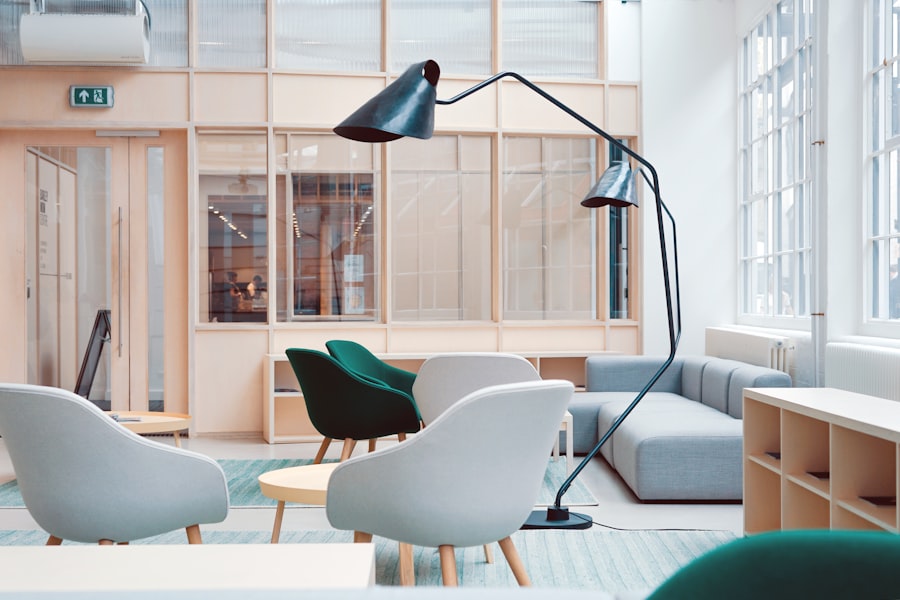
Minimizing waste is a fundamental principle of sustainable living, and this concept extends into interior design as well. As you embark on your design projects, consider ways to reduce waste by repurposing existing materials or furniture instead of discarding them. For example, you might transform an old dresser into a stylish bathroom vanity or use reclaimed wood for shelving units.
By creatively reusing items, you not only save money but also contribute to a more sustainable approach to design. Promoting recycling within your interior design choices is equally important. When selecting new materials or furnishings, look for products made from recycled content or those that can be easily recycled at the end of their lifecycle.
Additionally, consider implementing recycling stations within your home to encourage responsible waste disposal practices among family members or guests. By fostering a culture of recycling and waste reduction in your living space, you actively participate in creating a more sustainable future while inspiring others to do the same.
Creating a Healthy Indoor Environment through Design Choices
Your home should be a sanctuary—a place where you feel safe and comfortable. To achieve this, it’s essential to prioritize health and well-being through thoughtful design choices. One way to create a healthy indoor environment is by selecting non-toxic materials and finishes for your space.
As you choose paints, flooring, and furnishings, look for options that are free from harmful chemicals and VOCs. This not only improves indoor air quality but also contributes to a healthier living space for you and your loved ones. In addition to material selection, consider how natural light plays a role in creating a healthy environment.
Maximizing natural light through strategic window placement or using sheer window treatments can enhance mood and productivity while reducing reliance on artificial lighting. You might also explore options for improved ventilation to ensure fresh air circulation throughout your home. By prioritizing health-conscious design choices, you create an inviting atmosphere that supports both physical and mental well-being.
The Future of Sustainable Interior Design
As awareness around sustainability continues to grow, the future of interior design is poised for exciting transformations. You may find that emerging technologies will play a significant role in shaping sustainable practices within the industry. Innovations such as smart home systems can help monitor energy usage and optimize resource consumption in real-time, allowing you to make informed decisions about your energy consumption habits.
Moreover, as more designers embrace sustainability as a core principle, you can expect to see an increase in collaboration between architects, manufacturers, and consumers focused on eco-friendly solutions. This collective effort will lead to more accessible options for sustainable materials and practices in interior design. As you look ahead, consider how your choices today can influence this evolving landscape—by prioritizing sustainability in your own home, you contribute to a larger movement toward responsible living that benefits both people and the planet for generations to come.
FAQs
What is sustainable living?
Sustainable living refers to a lifestyle that aims to reduce an individual’s or society’s use of the Earth’s natural resources and personal resources. It involves making choices and taking actions that are in harmony with the natural environment and that contribute to the well-being of present and future generations.
What is modern interior design?
Modern interior design is a style that emerged in the early 20th century and is characterized by clean, crisp lines, a simple color palette, and the use of materials such as metal, glass, and steel. It often incorporates open floor plans and natural light to create a sense of spaciousness and airiness.
How can modern interior design contribute to sustainable living?
Modern interior design can contribute to sustainable living by incorporating eco-friendly materials, energy-efficient appliances, and sustainable building practices. It can also promote a minimalist lifestyle, which reduces the consumption of resources and encourages the use of multi-functional furniture and space-saving solutions.
What are some examples of sustainable materials used in modern interior design?
Examples of sustainable materials used in modern interior design include bamboo, reclaimed wood, recycled glass, cork, and natural stone. These materials are renewable, recyclable, and have a lower environmental impact compared to traditional materials.
How can energy-efficient appliances contribute to sustainable living in interior design?
Energy-efficient appliances consume less energy, which reduces the overall carbon footprint of a household. By using appliances with high energy efficiency ratings, homeowners can lower their energy bills and minimize their impact on the environment.
What are some key principles of sustainable living through modern interior design?
Key principles of sustainable living through modern interior design include maximizing natural light, using eco-friendly materials, incorporating energy-efficient systems, promoting indoor air quality, and designing for longevity and adaptability. These principles aim to create a healthy and environmentally responsible living space.