In recent years, there has been a noticeable resurgence in the popularity of retro design, captivating the hearts and minds of homeowners, designers, and enthusiasts alike. You may have noticed this trend in various aspects of life, from fashion to interior design, as people increasingly seek to incorporate elements from the past into their modern environments. This revival is not merely a nostalgic longing for bygone eras; it represents a desire to blend the charm of history with contemporary sensibilities.
By embracing retro styles, you can create spaces that are not only visually appealing but also rich in character and storytelling. The allure of retro design lies in its ability to evoke emotions and memories, transporting you to different times and places. Whether it’s the sleek lines of mid-century modern furniture or the ornate details of Victorian decor, each style carries its own unique narrative.
As you explore the various retro movements, you’ll discover how they can be reinterpreted to fit today’s lifestyles while still honoring their historical roots. This article will delve into several key retro styles, examining their significance and offering insights on how you can incorporate them into your own living spaces.
Key Takeaways
- Reviving Retro design styles from different eras adds a unique and nostalgic touch to contemporary spaces.
- The Mid-Century Modern Revival brings back clean lines, organic forms, and a mix of materials for a timeless look.
- Embracing Art Deco in the 21st Century adds glamour, luxury, and geometric patterns to modern interiors.
- Bringing back the Victorian Era incorporates ornate details, rich colors, and vintage furniture for a romantic and elegant atmosphere.
- Incorporating Industrial Chic into Contemporary Spaces combines raw materials, exposed structures, and utilitarian objects for a modern and edgy aesthetic.
- Reviving the Roaring Twenties with a Modern Flair infuses opulence, bold patterns, and a touch of glamour into contemporary design.
- Reimagining the 1970s Bohemian Aesthetic brings back earthy tones, eclectic patterns, and a laid-back vibe for a relaxed and free-spirited look.
- Conclusion: Embracing the Timeless Appeal of Retro Design allows for a mix of old and new elements to create spaces that are both nostalgic and contemporary.
The Mid-Century Modern Revival
The Timeless Appeal of Mid-Century Modern
The revival of mid-century modern design is not just about nostalgia; it’s about celebrating a time when design was focused on simplicity and practicality. Incorporating mid-century modern elements into your home can be both exciting and rewarding. You can start by selecting key furniture pieces that embody the style’s essence, such as a sleek coffee table or a statement light fixture.
Creating a Mid-Century Modern Atmosphere
Pair these furniture pieces with bold colors and geometric patterns to create a vibrant atmosphere that reflects the spirit of the era. Additionally, consider using natural materials like wood and leather to enhance the authenticity of your space.
Curating a Harmonious Environment
By thoughtfully curating your decor, you can create a harmonious environment that pays homage to mid-century modern design while still feeling fresh and contemporary.
Embracing Art Deco in the 21st Century
Art Deco, with its luxurious materials and bold geometric shapes, has also seen a resurgence in popularity. This design movement emerged in the 1920s and 1930s, characterized by its opulence and glamour. You may find yourself enchanted by the intricate details and rich colors that define Art Deco interiors.
From lavish chandeliers to mirrored surfaces, this style exudes sophistication and elegance, making it a perfect choice for those looking to add a touch of luxury to their homes. To embrace Art Deco in your space, consider incorporating statement pieces that reflect the style’s grandeur. A stunning art piece or a vintage-inspired bar cart can serve as focal points that draw attention and spark conversation.
You might also explore using bold color palettes, such as deep blues, golds, and blacks, to create an atmosphere reminiscent of the Roaring Twenties. By blending these elements with modern furnishings, you can achieve a unique balance that honors the past while remaining relevant in today’s design landscape.
Bringing Back the Victorian Era
The Victorian era, known for its ornate details and rich textures, offers another fascinating avenue for retro revival. This period, which spanned from 1837 to 1901, was marked by an emphasis on craftsmanship and elaborate design. You may find yourself captivated by the intricate woodwork, plush fabrics, and decorative motifs that define Victorian interiors.
By incorporating these elements into your home, you can create a warm and inviting atmosphere that reflects the elegance of this bygone era. To bring back Victorian charm in your space, consider using wallpaper with intricate patterns or rich colors that evoke a sense of history. Antique furniture pieces can serve as stunning focal points while adding character to your decor.
Layering textiles—such as velvet cushions or lace curtains—can enhance the opulence of your space while providing comfort. By thoughtfully curating your decor with Victorian influences, you can create an environment that feels both timeless and inviting.
Incorporating Industrial Chic into Contemporary Spaces
Industrial chic is another retro style that has gained traction in recent years, particularly in urban settings. This aesthetic draws inspiration from repurposed warehouses and factories, characterized by raw materials and an unfinished look. You may appreciate the blend of functionality and style that industrial design offers, making it an ideal choice for contemporary spaces seeking an edgy yet sophisticated vibe.
To incorporate industrial chic into your home, consider using materials like exposed brick, metal accents, and reclaimed wood. These elements can create a sense of authenticity while adding texture to your space. You might also explore open floor plans that emphasize spaciousness and allow for natural light to flow freely.
By mixing industrial elements with modern furnishings—such as sleek sofas or minimalist lighting—you can achieve a balanced look that feels both current and rooted in history.
Reviving the Roaring Twenties with a Modern Flair

The Roaring Twenties was a decade defined by exuberance and innovation, making it an exciting era to draw inspiration from in your design choices. This period was marked by bold colors, lavish materials, and a sense of freedom that permeated all aspects of life. You may find yourself inspired by the glamour of speakeasies and jazz clubs as you seek to infuse your home with a sense of celebration and joy.
To revive the spirit of the Roaring Twenties in your space, consider incorporating elements such as flapper-inspired decor or art pieces that reflect the era’s artistic movements. Rich fabrics like silk or satin can add a touch of luxury, while geometric patterns can evoke the bold designs of the time. You might also explore creating intimate spaces for entertaining—think cocktail lounges or cozy reading nooks—that encourage social interaction and relaxation.
By blending these vintage influences with modern sensibilities, you can create an environment that feels both festive and sophisticated.
Reimagining the 1970s Bohemian Aesthetic
The 1970s bohemian aesthetic is another retro style that continues to resonate with many today. This era was characterized by vibrant colors, eclectic patterns, and a laid-back vibe that celebrated individuality and self-expression. You may find yourself drawn to the free-spirited nature of bohemian design, which encourages mixing textures and styles to create a unique personal sanctuary.
To reimagine the 1970s bohemian aesthetic in your home, start by incorporating bold colors like burnt orange or deep green alongside earthy tones. Layering textiles—such as patterned rugs or macramé wall hangings—can add depth and warmth to your space. You might also explore incorporating plants into your decor to bring a touch of nature indoors, enhancing the relaxed atmosphere associated with bohemian living.
By embracing this eclectic style, you can create a home that reflects your personality while celebrating the creativity of the past.
Embracing the Timeless Appeal of Retro Design
As you explore the various retro styles discussed throughout this article, it becomes clear that reviving these design movements offers more than just aesthetic appeal; it provides an opportunity to connect with history and express your individuality. Each era brings its own unique charm and character, allowing you to curate spaces that resonate with your personal tastes while honoring the past. Incorporating retro elements into your home is not merely about recreating old designs; it’s about reinterpreting them for contemporary living.
By blending vintage influences with modern sensibilities, you can create environments that are both timeless and relevant. As you embark on your journey of reviving retro design, remember that each piece tells a story—one that reflects not only your style but also the rich tapestry of history from which it originates. Embrace this timeless appeal and let it inspire you to create spaces that are uniquely yours.
FAQs
What is retro interior design?
Retro interior design refers to the use of design elements and styles from past decades, typically from the 1950s to the 1980s, to create a nostalgic and vintage-inspired aesthetic in a modern space.
What are some popular retro interior design eras?
Some popular retro interior design eras include mid-century modern (1950s-1960s), retro kitsch (1960s-1970s), and 1980s postmodernism.
How can modern twists be incorporated into retro interior design?
Modern twists can be incorporated into retro interior design by combining vintage furniture and decor with contemporary elements such as clean lines, minimalist color palettes, and updated materials.
What are some key elements of retro interior design?
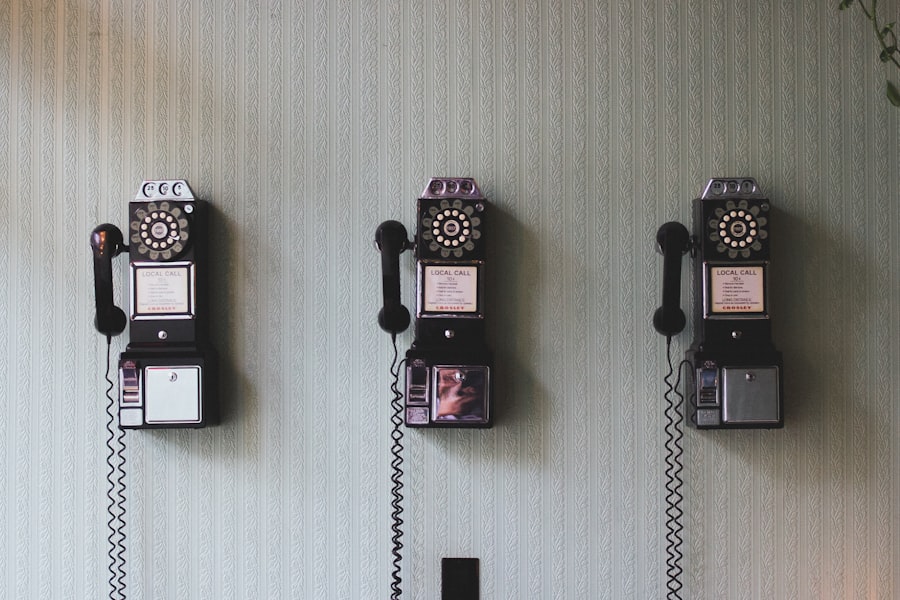
Key elements of retro interior design include bold patterns, geometric shapes, vintage furniture, bright colors, and nostalgic decor items such as record players and rotary phones.
How can someone incorporate retro interior design into their home?
Retro interior design can be incorporated into a home by mixing vintage and modern furniture, using retro-inspired wallpaper or textiles, and adding retro accessories such as lava lamps or shag rugs.