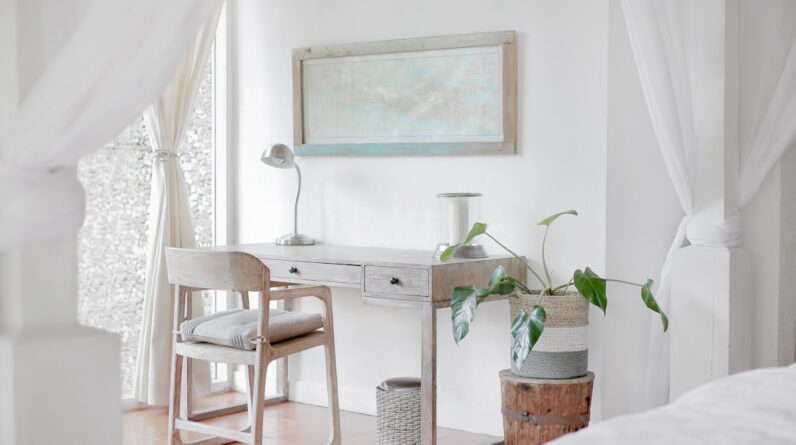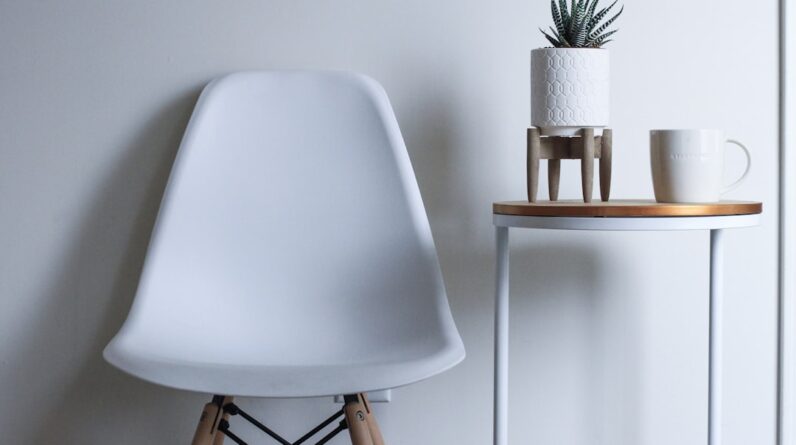
In the world of interior design, the concept of spatial illusions plays a pivotal role in how you perceive and experience your living environment. When faced with the challenge of small spaces, understanding and applying these illusions can transform a cramped area into a more open and inviting sanctuary. Spatial illusions are techniques that manipulate perception, allowing you to feel as though a room is larger or more expansive than it truly is.
By employing various design strategies, you can create an atmosphere that feels airy and spacious, even in the most confined quarters. As you embark on this journey of design, it’s essential to recognize that the way you arrange and decorate your space can significantly impact your overall comfort and functionality. Whether you live in a tiny apartment or a cozy home, the principles of spatial illusions can help you maximize every square inch.
By embracing these techniques, you can cultivate an environment that not only meets your practical needs but also enhances your aesthetic enjoyment. Let’s explore some effective methods to create the illusion of space and make your small area feel much larger than it is.
Key Takeaways
- Spatial illusions in design can help create the illusion of space in small areas
- Mirrors can be used to reflect light and create the illusion of a larger space
- Light and color can be used strategically to open up small spaces and make them feel more spacious
- Multi-functional furniture is a great way to maximize space in small areas
- Vertical storage solutions can help to optimize space and keep small areas organized
Utilizing Mirrors to Create the Illusion of Space
One of the most effective tools at your disposal for creating the illusion of space is the mirror. Mirrors have a unique ability to reflect light and images, which can trick the eye into perceiving a larger area. When strategically placed, mirrors can double the visual space in a room, making it feel more expansive and open.
For instance, consider positioning a large mirror opposite a window; this will not only reflect natural light but also create a sense of depth, drawing the eye outward and enhancing the overall ambiance. In addition to their reflective properties, mirrors can also serve as decorative elements that add style to your space. You might choose ornate frames that complement your decor or opt for sleek, modern designs that contribute to a minimalist aesthetic.
By incorporating mirrors into your design scheme, you can create focal points that enhance the visual interest of your room while simultaneously expanding its perceived size. Experimenting with different shapes and sizes of mirrors can yield surprising results, allowing you to find the perfect balance between functionality and beauty.
Using Light and Color to Open Up Small Spaces
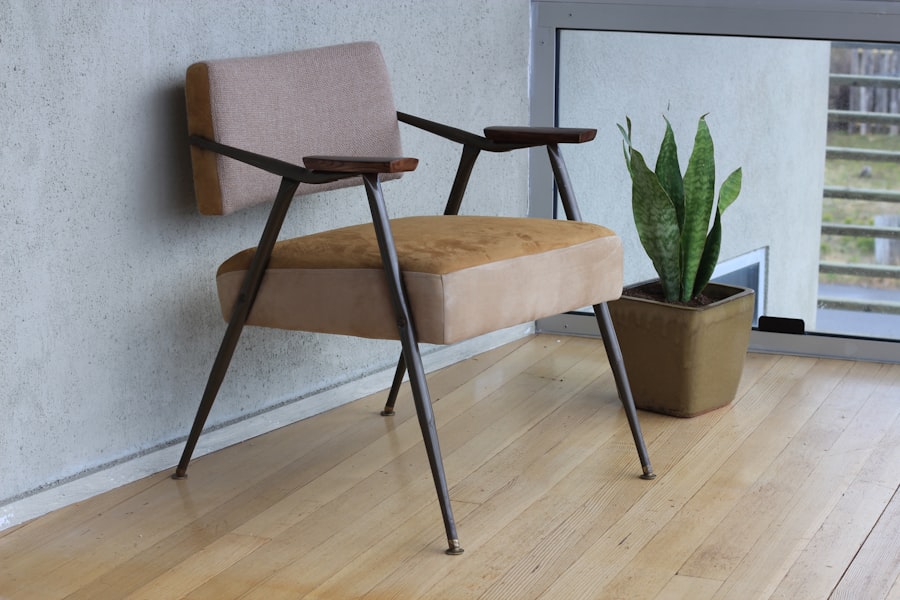
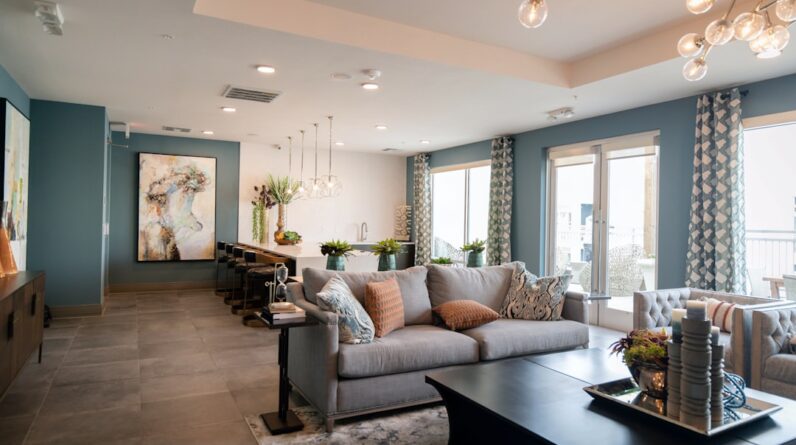
Light and color are two powerful elements that can dramatically influence how you perceive space. When it comes to small areas, utilizing lighter shades can create an airy atmosphere that feels more expansive. Soft whites, pale blues, and gentle pastels reflect light effectively, making walls appear further away than they are.
You might consider painting your walls in these lighter hues or incorporating them into your decor through textiles and accessories. This simple change can have a profound impact on how spacious your room feels. In addition to color, lighting plays a crucial role in shaping the perception of space.
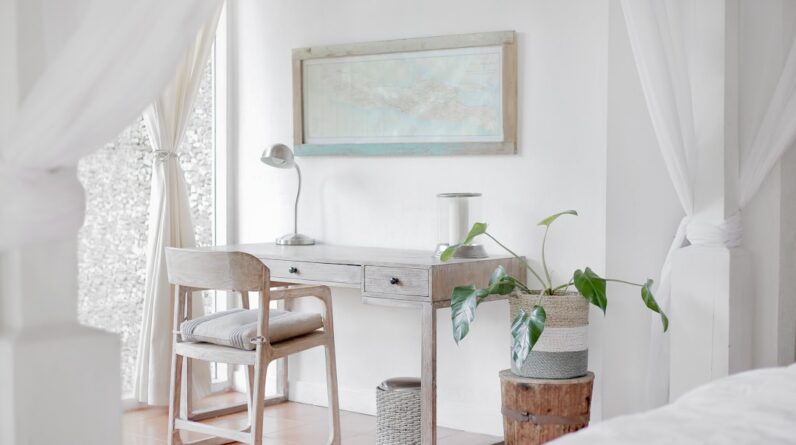
Natural light is ideal for creating an open feel, so maximizing window exposure is key. You could use sheer curtains that allow sunlight to filter through while maintaining privacy. Furthermore, layering different types of lighting—ambient, task, and accent—can add depth and dimension to your space.
By strategically placing light fixtures at varying heights and angles, you can create a dynamic environment that feels both inviting and expansive.
Multi-functional Furniture for Small Spaces
When dealing with limited square footage, multi-functional furniture becomes your best friend. Pieces that serve more than one purpose can help you maximize utility without sacrificing style. For example, consider investing in a sofa bed that provides seating during the day and transforms into a comfortable sleeping area at night.
This versatility allows you to accommodate guests without needing an extra bedroom. Another excellent option is furniture with built-in storage capabilities. Ottomans that open up for storage or coffee tables with shelves can help you keep clutter at bay while providing essential functions.
By selecting pieces that adapt to your lifestyle, you can create a more organized and efficient living space. The key is to choose furniture that aligns with your needs while maintaining a cohesive design aesthetic, ensuring that every item contributes positively to the overall illusion of space.
Vertical Storage Solutions for Small Spaces
In small spaces, utilizing vertical storage solutions can be a game-changer. When floor space is limited, taking advantage of wall height allows you to free up valuable square footage while still keeping your belongings organized and accessible. Shelving units that extend from floor to ceiling not only provide ample storage but also draw the eye upward, creating an illusion of height in the room.
You might also consider wall-mounted cabinets or floating shelves as stylish alternatives to traditional furniture pieces. These options keep the floor clear and make the room feel less cluttered. Additionally, vertical storage solutions can be customized to fit your specific needs; whether it’s books, decorative items, or kitchen essentials, you can design a system that works for you while enhancing the overall aesthetic of your space.
Creating Visual Depth with Wall Art and Decor

Wall art and decor are essential components in creating visual depth within a small space. By carefully selecting pieces that draw the eye and add interest, you can enhance the perception of size in your room. Large-scale artwork can serve as a focal point, making walls feel more expansive by drawing attention away from their actual dimensions.
Consider using oversized prints or canvases that resonate with your personal style while contributing to the illusion of depth. In addition to artwork, incorporating three-dimensional decor elements such as wall-mounted sculptures or textured wall hangings can add layers to your design. These elements create shadows and highlights that further enhance the perception of space.
By mixing different materials and textures, you can create a dynamic visual experience that captivates the eye and makes your small area feel more inviting.
Strategic Placement of Furniture to Maximize Space
The arrangement of furniture plays a crucial role in how spacious a room feels. To maximize space effectively, consider adopting an open layout that encourages flow and movement throughout the area. Avoid placing large pieces against walls; instead, try angling them or positioning them away from walls to create pathways that make the room feel less confined.
Additionally, consider using furniture with legs rather than solid bases; this allows light to pass beneath them, creating an illusion of openness. You might also experiment with different arrangements until you find one that feels right for your lifestyle while optimizing available space. Remember that every piece should serve a purpose; if something doesn’t contribute positively to the overall flow or function of the room, it may be time to reconsider its placement or even its necessity.
Embracing the Power of Design to Transform Small Spaces
In conclusion, embracing the power of design allows you to transform small spaces into functional and aesthetically pleasing environments. By understanding spatial illusions and employing techniques such as utilizing mirrors, light, color, multi-functional furniture, vertical storage solutions, wall art, and strategic furniture placement, you can create an atmosphere that feels expansive and inviting. Each element plays a vital role in shaping how you experience your living area; when combined thoughtfully, they work together harmoniously.
As you embark on this journey of transformation, remember that every small change can lead to significant improvements in how you perceive and enjoy your space. With creativity and intention, you have the ability to craft an environment that not only meets your practical needs but also reflects your unique style and personality. Embrace these design principles as tools in your arsenal; they will empower you to make the most out of any small space while enhancing your overall quality of life.
FAQs
What are spatial illusions in design?
Spatial illusions in design are techniques used to create the perception of more space in a small area. These design tricks can include the use of color, lighting, furniture placement, and other visual elements to make a space appear larger than it actually is.
What are some clever design tricks for maximizing small spaces?
Clever design tricks for maximizing small spaces can include using light colors to make a room feel more open, incorporating multi-functional furniture to save space, utilizing mirrors to create the illusion of depth, and strategically placing lighting to brighten up the space.
How can color be used to create the illusion of more space?
Light colors such as white, cream, and pastels can make a room feel more spacious by reflecting light and creating an airy atmosphere. Using a monochromatic color scheme can also help to visually expand a small space.
What role does lighting play in maximizing small spaces?
Strategic lighting can help to open up a small space by brightening dark corners and creating the illusion of depth. Natural light from windows and the use of recessed or track lighting can make a room feel more expansive.
What are some examples of multi-functional furniture for small spaces?
Examples of multi-functional furniture for small spaces include sofa beds, Murphy beds, nesting tables, and ottomans with hidden storage. These pieces of furniture serve dual purposes and can help to save space in a small room.