As you embark on the journey of selecting flooring for your home or office, the concept of sustainability may increasingly come to the forefront of your decision-making process. Sustainable flooring options are not merely a trend; they represent a significant shift in how we think about our living and working environments. With growing awareness of environmental issues, many individuals are seeking materials that not only enhance the aesthetic appeal of their spaces but also contribute positively to the planet.
This shift is driven by a desire to reduce carbon footprints, conserve natural resources, and promote healthier indoor air quality. Sustainable flooring encompasses a variety of materials and practices that prioritize ecological balance and social responsibility. From bamboo and cork to reclaimed wood and recycled tiles, these options offer a diverse range of styles and functionalities.
As you explore these choices, you will find that sustainable flooring can meet your design preferences while aligning with your values. Understanding the benefits and types of sustainable flooring will empower you to make informed decisions that reflect both your personal style and commitment to environmental stewardship.
Key Takeaways
- Sustainable flooring options offer eco-friendly alternatives to traditional flooring materials
- Benefits of sustainable flooring include improved indoor air quality, reduced environmental impact, and long-term cost savings
- Types of sustainable flooring materials include bamboo, cork, reclaimed wood, and recycled glass tiles
- Cost considerations for sustainable flooring include initial installation costs, long-term maintenance expenses, and potential savings on energy bills
- Installation and maintenance of sustainable flooring require proper preparation, regular cleaning, and use of eco-friendly products
Benefits of Sustainable Flooring
Choosing sustainable flooring comes with a multitude of benefits that extend beyond aesthetics. One of the most compelling advantages is the positive impact on indoor air quality. Many traditional flooring materials release volatile organic compounds (VOCs) that can contribute to respiratory issues and other health problems.
In contrast, sustainable options often utilize natural materials and low-emission adhesives, creating a healthier environment for you and your family. By opting for sustainable flooring, you are not only enhancing the beauty of your space but also promoting well-being. Another significant benefit is the durability and longevity of sustainable flooring materials.
Many eco-friendly options, such as bamboo and cork, are known for their resilience and ability to withstand wear and tear. This durability translates into lower maintenance costs over time, as you may find yourself needing fewer repairs or replacements. Additionally, many sustainable flooring products are designed with ease of installation in mind, allowing you to enjoy your new floors without extensive labor or disruption to your daily life.
Types of Sustainable Flooring Materials
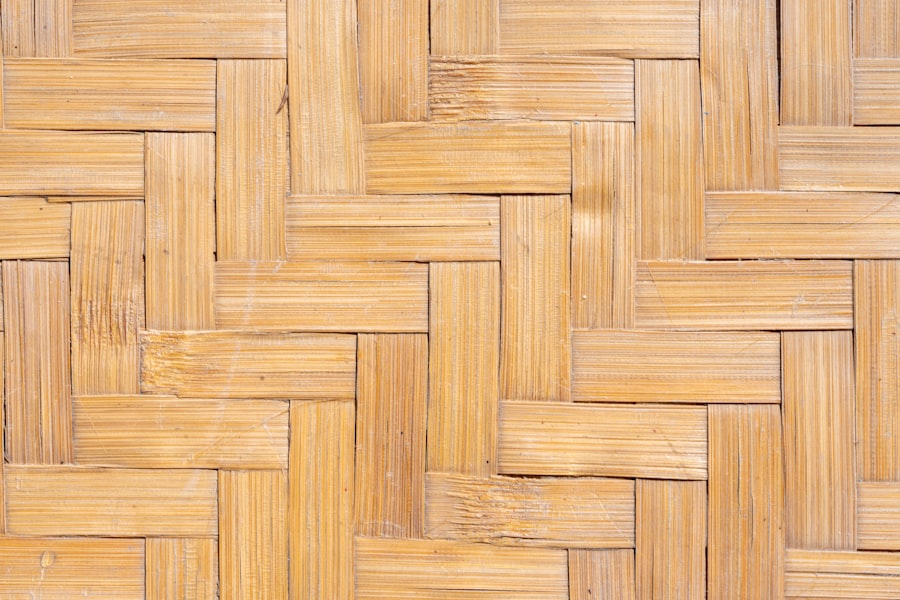
When it comes to sustainable flooring, the variety of materials available can be both exciting and overwhelming. One popular option is bamboo, which is not only aesthetically pleasing but also one of the fastest-growing plants on Earth. Its rapid growth means that it can be harvested without depleting resources, making it an excellent choice for environmentally conscious consumers.
Bamboo flooring is available in various styles and finishes, allowing you to achieve the look you desire while supporting sustainable practices. Cork is another noteworthy material that deserves your attention. Harvested from the bark of cork oak trees, this renewable resource is both soft underfoot and naturally resistant to mold and mildew.
Cork flooring provides excellent insulation, making it a comfortable choice for any room in your home. Additionally, its unique texture adds warmth and character to your space, making it a popular choice for those seeking a cozy atmosphere. Reclaimed wood is yet another sustainable option that combines beauty with environmental responsibility.
By repurposing wood from old buildings or furniture, you not only reduce waste but also add a sense of history and uniqueness to your floors. Each plank tells a story, making reclaimed wood an appealing choice for those who appreciate craftsmanship and individuality in their design choices.
Cost Considerations for Sustainable Flooring
While the initial investment in sustainable flooring may seem higher than traditional options, it is essential to consider the long-term savings associated with these materials. Many sustainable flooring products are designed for durability, meaning they can last longer than their conventional counterparts. This longevity can lead to significant savings over time, as you may avoid frequent replacements or repairs.
Moreover, some sustainable flooring options can contribute to energy efficiency in your home. For instance, cork’s natural insulating properties can help regulate temperature, potentially reducing heating and cooling costs. When evaluating the cost of sustainable flooring, it is crucial to factor in these long-term benefits alongside the initial purchase price.
By doing so, you can make a more informed decision that aligns with both your budget and your commitment to sustainability.
Installation and Maintenance of Sustainable Flooring
The installation process for sustainable flooring can vary depending on the material you choose. Many eco-friendly options are designed for straightforward installation, allowing you to take on the project yourself or hire a professional with ease. For instance, bamboo and cork often come in click-lock formats that simplify the installation process, making them accessible even for novice DIYers.
However, it’s always wise to consult with professionals if you have any doubts about your skills or if your space requires special considerations. Maintenance is another critical aspect to consider when selecting sustainable flooring. Most eco-friendly materials require minimal upkeep compared to traditional options.
Regular sweeping or vacuuming combined with occasional damp mopping is typically sufficient to keep your floors looking their best. Additionally, many sustainable flooring products are resistant to stains and scratches, which means you can enjoy your beautiful floors without the constant worry of damage.
Environmental Impact of Sustainable Flooring

Sustainable Flooring: A Greener Alternative
In contrast, sustainable flooring options are designed with environmental preservation in mind. By opting for materials that are renewable or recycled, individuals can actively participate in reducing the demand for new resources and minimizing waste.
Manufacturing with a Conscience
Many sustainable flooring manufacturers prioritize ethical sourcing practices and environmentally friendly production methods. This commitment extends beyond just the materials used; it encompasses the entire lifecycle of the product—from extraction to manufacturing to disposal.
Supporting a Sustainable Future
By selecting sustainable flooring, individuals support companies that prioritize ecological integrity and social responsibility, contributing to a more sustainable future for all.
Popular Brands and Suppliers of Sustainable Flooring
As you explore sustainable flooring options, you’ll find a growing number of brands dedicated to providing eco-friendly products without compromising on quality or style. Companies like Cali Bamboo offer a wide range of bamboo flooring options that are both beautiful and sustainably sourced. Their commitment to environmental stewardship is evident in their practices, making them a popular choice among eco-conscious consumers.
Another notable brand is Mohawk Industries, which has made significant strides in producing sustainable flooring solutions across various materials, including carpet tiles made from recycled content. Their innovative approach ensures that you have access to stylish options while supporting responsible manufacturing practices. Additionally, companies like Green Building Supply specialize in providing a curated selection of sustainable building materials, including flooring options that meet rigorous environmental standards.
Conclusion and Final Thoughts on Sustainable Flooring Options
In conclusion, choosing sustainable flooring options is not just about aesthetics; it’s about making a conscious decision that reflects your values and commitment to the environment. With numerous benefits ranging from improved indoor air quality to long-term cost savings, sustainable flooring presents an attractive alternative to traditional materials. As you consider the various types available—such as bamboo, cork, and reclaimed wood—you’ll find that there’s something to suit every taste and style.
Ultimately, investing in sustainable flooring is an investment in a healthier planet and a more responsible future. By selecting materials that prioritize ecological balance and social responsibility, you contribute positively to your living space while supporting practices that benefit the environment as a whole. As you move forward in your flooring journey, remember that every choice counts; each step toward sustainability makes a difference in creating a better world for generations to come.
FAQs
What are sustainable flooring options?
Sustainable flooring options are materials and products that are environmentally friendly, have a low impact on the environment, and are sourced and manufactured using sustainable practices.
What are some examples of sustainable flooring options?
Some examples of sustainable flooring options include bamboo, cork, reclaimed wood, linoleum, and recycled glass tiles. These materials are renewable, recyclable, and have low environmental impact.
How do sustainable flooring options benefit the environment?
Sustainable flooring options benefit the environment by reducing the consumption of natural resources, minimizing waste, and lowering carbon emissions during production and transportation. They also promote healthier indoor air quality.
Are sustainable flooring options durable and long-lasting?
Yes, many sustainable flooring options are durable and long-lasting. For example, bamboo and cork flooring are known for their durability and resilience. When properly maintained, sustainable flooring can have a long lifespan.
Are sustainable flooring options more expensive than traditional flooring materials?
While some sustainable flooring options may have a higher upfront cost, they can often provide long-term cost savings due to their durability and low maintenance requirements. Additionally, the environmental benefits may outweigh the initial investment for many consumers.
How can I ensure that the sustainable flooring I choose is truly eco-friendly?
To ensure that the sustainable flooring you choose is truly eco-friendly, look for certifications such as Forest Stewardship Council (FSC) certification for wood products, FloorScore certification for indoor air quality, and GreenGuard certification for low chemical emissions. Additionally, research the manufacturing and sourcing practices of the product.