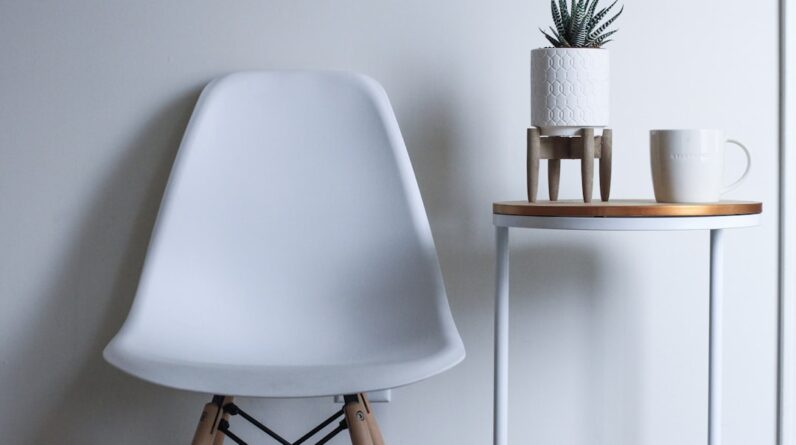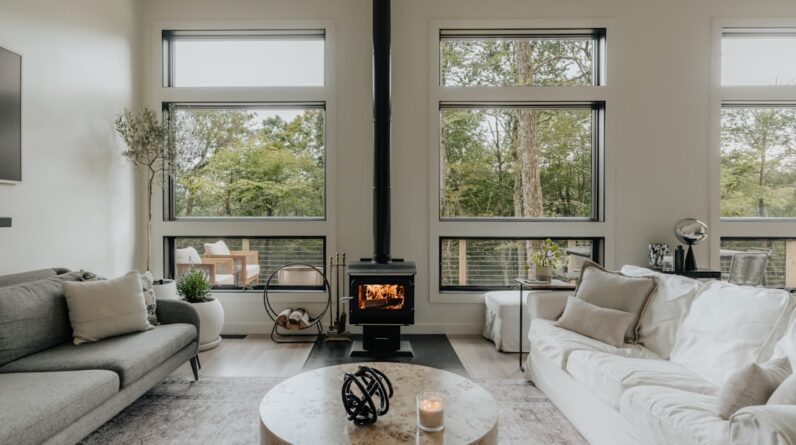
Interior design is an intricate art that transcends mere aesthetics; it is a harmonious blend of functionality, comfort, and style. At its core, interior design involves the thoughtful arrangement of space to create environments that are not only visually appealing but also conducive to the activities that take place within them. This discipline encompasses a wide array of elements, including color, texture, furniture, lighting, and spatial arrangement.
Understanding these fundamentals is essential for anyone looking to transform their living or working space into a sanctuary that reflects their personality and meets their needs. The principles of balance, proportion, rhythm, and harmony serve as the backbone of effective interior design, guiding designers in their quest to create spaces that resonate with their intended purpose. Moreover, the role of an interior designer extends beyond mere decoration; it involves a deep understanding of human behavior and how individuals interact with their surroundings.
Designers must consider factors such as flow, accessibility, and the psychological impact of colors and materials. For instance, a well-designed space can evoke feelings of tranquility or energy, depending on the choices made in terms of layout and decor. Additionally, the integration of sustainable practices and materials has become increasingly important in contemporary design, reflecting a growing awareness of environmental issues.
By grasping these foundational concepts, individuals can embark on their own design journeys with confidence, armed with the knowledge necessary to create spaces that are both beautiful and functional.
Key Takeaways
- Interior design involves understanding the basics of space planning, color theory, and furniture arrangement.
- Choosing the right color scheme for your space can set the mood and atmosphere of the room.
- Utilizing furniture and decor strategically can maximize space and create a functional layout.
- Incorporating lighting can enhance the ambiance and create a welcoming atmosphere.
- Creating a functional and stylish layout involves balancing practicality with aesthetics to optimize the space.
- Incorporating personal touches and statement pieces can add character and personality to the design.
- Maintaining and updating your interior design style is important to keep the space feeling fresh and current.
Choosing the Right Color Scheme for Your Space
Setting the Foundation with Color
The color scheme of a room serves as its visual foundation, influencing not only the aesthetic appeal but also the mood and atmosphere of the space. Selecting the right colors requires careful consideration of various factors, including the size of the room, the amount of natural light it receives, and the emotions one wishes to evoke. For instance, lighter shades such as soft whites and pastels can create an illusion of spaciousness and airiness, making them ideal for smaller rooms or those lacking in natural light.
Creating Harmony with Color Theory
Conversely, deeper hues like navy blue or forest green can add depth and coziness to larger spaces, fostering an intimate ambiance. Understanding color theory—how colors interact with one another—can further enhance this process, allowing individuals to create harmonious palettes that resonate with their personal style. In addition to the psychological effects of color, practical considerations also play a significant role in color selection.
Practical Considerations in Color Selection
The existing furnishings and architectural features of a space should be taken into account to ensure a cohesive look. For example, if a room features warm wooden accents, pairing them with earthy tones can create a seamless transition between elements. Furthermore, trends in color can shift over time; thus, it is wise to choose a palette that not only reflects current styles but also has longevity.
Adding Flexibility with Accent Colors
Incorporating accent colors through accessories such as cushions or artwork allows for flexibility in design while maintaining a core color scheme. Ultimately, the right color choices can transform a space from mundane to extraordinary, setting the stage for a well-designed interior.
Utilizing Furniture and Decor to Maximize Space
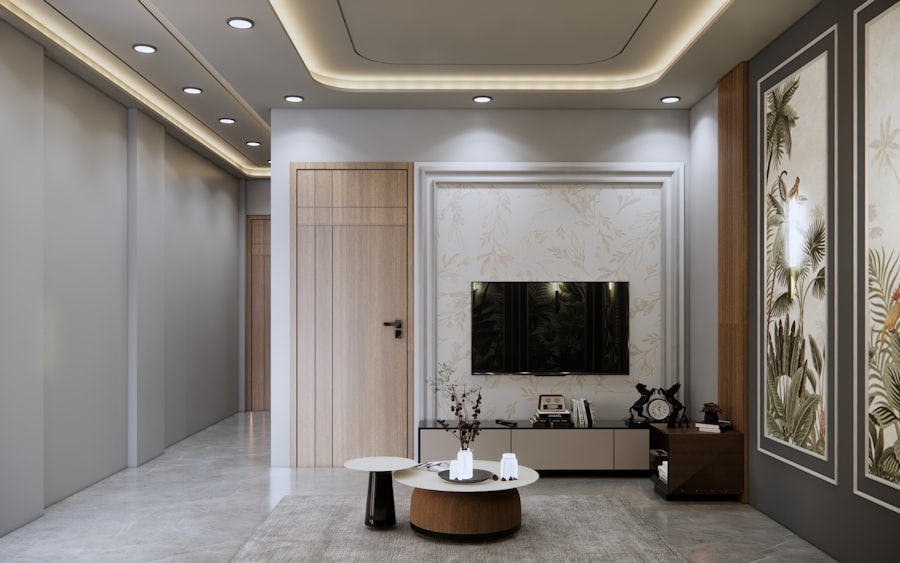
The strategic selection and arrangement of furniture are pivotal in maximizing space within any interior environment. In smaller areas, opting for multifunctional furniture can significantly enhance usability without compromising style. For instance, a coffee table that doubles as storage or a sofa bed can provide essential functionality while minimizing clutter.
Additionally, choosing furniture with a smaller footprint can help maintain an open feel in compact spaces. The layout should also be carefully considered; placing larger pieces against walls can create pathways that facilitate movement and prevent the area from feeling cramped. By prioritizing both form and function in furniture selection, individuals can create spaces that are not only aesthetically pleasing but also practical for everyday use.
Decorative elements play an equally important role in maximizing space and enhancing visual interest. Mirrors are a classic design trick that can create an illusion of depth and openness; strategically placing them across from windows can reflect natural light and brighten up a room. Vertical storage solutions such as shelves or wall-mounted cabinets can draw the eye upward, making ceilings appear higher while providing essential storage without taking up valuable floor space.
Additionally, incorporating decorative items that reflect personal style—such as artwork or plants—can add character without overwhelming the space. The key lies in striking a balance between functionality and aesthetics; by thoughtfully curating furniture and decor, individuals can transform even the most limited spaces into inviting and stylish environments.
Incorporating Lighting to Enhance the Ambiance
| Aspect | Metric |
|---|---|
| Energy Efficiency | Percentage of LED lighting used |
| Ambiance Enhancement | Customer satisfaction rating |
| Cost Effectiveness | Return on investment (ROI) |
| Environmental Impact | Reduction in carbon footprint |
Lighting is often regarded as one of the most crucial elements in interior design, capable of dramatically altering the mood and functionality of a space. A well-lit room not only enhances visibility but also creates an inviting atmosphere that encourages relaxation or productivity, depending on its intended use. The three primary types of lighting—ambient, task, and accent—each serve distinct purposes and should be thoughtfully integrated into any design scheme.
Ambient lighting provides overall illumination and sets the tone for the room; this can be achieved through ceiling fixtures or natural light sources such as windows. Task lighting focuses on specific areas where activities take place, such as reading lamps or under-cabinet lights in kitchens, ensuring that these spaces are adequately lit for their intended functions. Accent lighting adds depth and drama to a room by highlighting architectural features or decorative elements.
This could include wall sconces that illuminate artwork or spotlights that draw attention to unique design details. Layering these different types of lighting creates a dynamic environment where individuals can adjust brightness levels according to their needs or preferences. Dimmers are an excellent addition to any lighting scheme, allowing for greater control over ambiance throughout the day or evening.
Furthermore, incorporating energy-efficient lighting options not only reduces environmental impact but also lowers energy costs over time. By understanding how to effectively utilize lighting in conjunction with other design elements, individuals can cultivate spaces that are both functional and visually captivating.
Creating a Functional and Stylish Layout
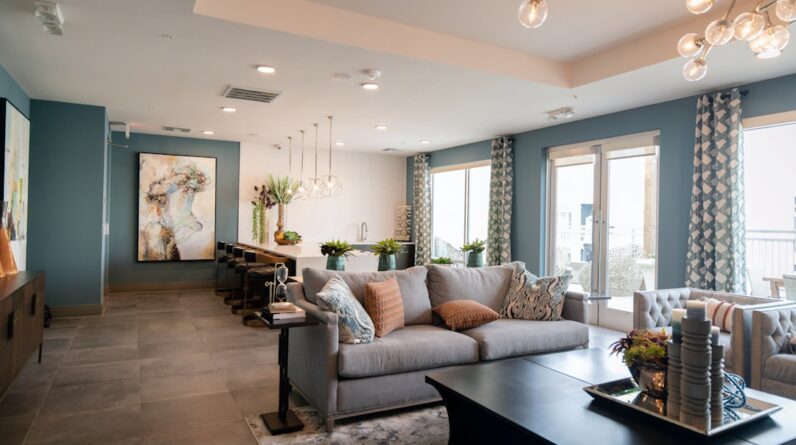
The layout of a room is fundamental to its overall functionality and aesthetic appeal. A well-planned layout considers how individuals will move through the space while accommodating their activities seamlessly. For instance, in living areas where social interaction is key, arranging seating in a circular or semi-circular formation encourages conversation and connection among occupants.
In contrast, more formal settings may benefit from traditional arrangements that emphasize symmetry and structure. The flow of movement should be prioritized; ensuring there are clear pathways between furniture pieces prevents congestion and enhances accessibility for all users. In addition to facilitating movement, a stylish layout incorporates visual balance and proportion.
This involves considering the scale of furniture relative to the size of the room; oversized pieces in small spaces can overwhelm while tiny items in large areas may feel lost. Utilizing area rugs can help define different zones within an open-concept layout, creating distinct areas for dining, lounging, or working without physical barriers. Furthermore, incorporating varying heights through furniture selection—such as tall bookshelves alongside low coffee tables—adds visual interest and depth to the design.
Ultimately, achieving a functional yet stylish layout requires careful planning and consideration of both practical needs and aesthetic desires.
Incorporating Personal Touches and Statement Pieces

Transforming a House into a Home
Personal touches are what truly transform a house into a home; they infuse spaces with character and individuality that reflect the inhabitants’ tastes and experiences. Incorporating personal elements into interior design can take many forms—from family photographs displayed in creative frames to travel souvenirs showcased on shelves. These items not only serve as conversation starters but also evoke cherished memories that enhance emotional connections to the space.
The Art of Curating Personal Touches
When selecting personal touches, it is essential to curate thoughtfully; too many items can lead to visual clutter while too few may result in a sterile environment devoid of personality. A delicate balance must be struck to create a space that feels truly personal. By carefully choosing the items that hold the most significance, individuals can create a space that feels authentic and meaningful.
The Power of Statement Pieces
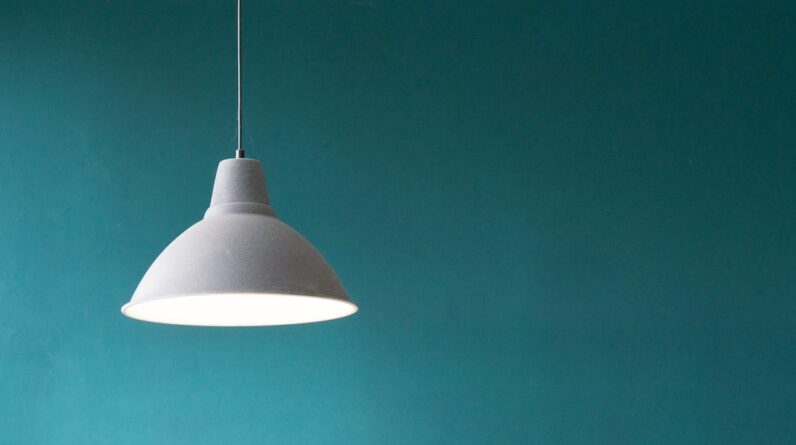
Statement pieces are another powerful way to elevate interior design while showcasing personal style. These bold items—be it an oversized piece of artwork, an eye-catching light fixture, or a unique piece of furniture—can serve as focal points within a room. When strategically placed, they draw attention and create visual interest without overwhelming other design elements.
Creating a Cohesive Space
The key is to ensure that statement pieces harmonize with the overall color scheme and style of the space; this creates cohesion while allowing individual flair to shine through. By thoughtfully incorporating personal touches alongside statement pieces, individuals can cultivate interiors that are not only stylish but also deeply reflective of their identities.
Maintaining and Updating Your Interior Design Style
Interior design is not a static endeavor; it evolves over time as personal tastes change and new trends emerge. Maintaining an interior space requires regular attention to ensure it continues to reflect its inhabitants’ preferences while remaining functional and stylish. This may involve periodic updates such as refreshing paint colors or swapping out decorative accessories for new ones that align with current trends or personal interests.
Seasonal changes can also inspire updates; introducing warmer tones during fall or lighter fabrics during spring can breathe new life into familiar spaces without requiring extensive renovations. Moreover, embracing flexibility in design allows for easier adaptation over time. Investing in timeless furniture pieces that withstand changing trends provides a solid foundation upon which to build evolving styles.
Accessories such as cushions, throws, or artwork can be easily updated to reflect current tastes without significant financial investment or effort. Additionally, staying informed about emerging trends through design publications or social media platforms can inspire fresh ideas for updates while ensuring spaces remain relevant and engaging. Ultimately, maintaining an interior design style is about finding balance—between personal expression and adaptability—allowing individuals to enjoy their spaces fully while embracing change as it comes.
FAQs
What is interior design?
Interior design is the art and science of enhancing the interior of a space to achieve a healthier and more aesthetically pleasing environment for the people using the space. It involves planning, researching, coordinating, and managing various elements to create a functional and beautiful interior.
What does an interior designer do?
An interior designer is responsible for creating functional and aesthetically pleasing interior spaces. They work with clients to understand their needs and preferences, develop design concepts, select materials and furnishings, and oversee the implementation of the design plan.
What are the key elements of interior design?
The key elements of interior design include space planning, color, lighting, furniture and accessories, texture, and pattern. These elements are carefully considered and combined to create a cohesive and harmonious interior space.
What are the benefits of hiring an interior designer?
Hiring an interior designer can bring numerous benefits, including professional expertise, access to resources and suppliers, time and cost savings, and a well-executed design plan that reflects the client’s style and needs.
What are the different styles of interior design?
There are various styles of interior design, including modern, contemporary, traditional, transitional, industrial, Scandinavian, and many more. Each style has its own unique characteristics and aesthetic preferences.
How can I find the right interior designer for my project?
To find the right interior designer for your project, it’s important to research and interview potential designers, review their portfolios, and discuss your project requirements and budget. It’s also important to consider their experience, qualifications, and communication style.