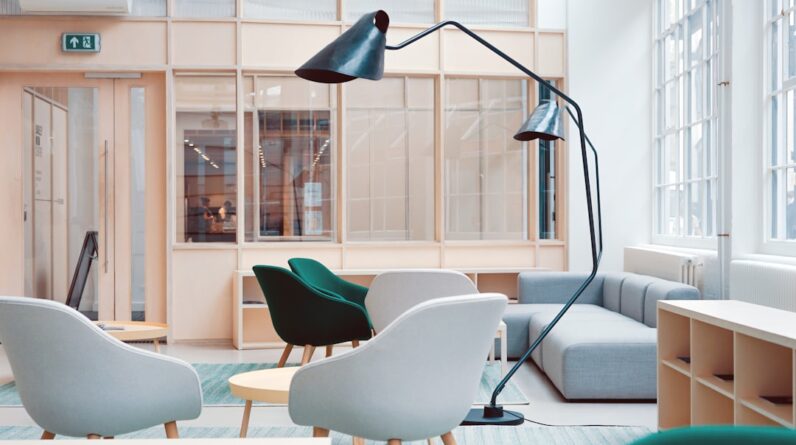
Sustainable interior design is an approach that prioritizes environmental responsibility while creating functional and aesthetically pleasing spaces. As you navigate through the complexities of modern living, you may find yourself increasingly aware of the impact that your choices have on the planet. This awareness has led to a growing interest in sustainable practices, particularly in the realm of interior design.
By integrating eco-friendly materials, energy-efficient systems, and thoughtful layouts, sustainable interior design aims to minimize waste and reduce the carbon footprint of your living or working environment. In essence, sustainable interior design is not merely a trend; it represents a fundamental shift in how you perceive and interact with your surroundings. It encourages you to think critically about the resources you use and the long-term implications of your design choices.
As you delve deeper into this field, you will discover that sustainable design is about more than just aesthetics; it encompasses a holistic approach that considers the health and well-being of both individuals and the planet. By embracing sustainable practices, you can create spaces that are not only beautiful but also contribute positively to the environment.
Key Takeaways
- Sustainable interior design focuses on creating spaces that are environmentally friendly, socially responsible, and economically viable.
- Benefits of sustainable interior design include improved indoor air quality, reduced energy consumption, and lower operating costs.
- Materials and resources for sustainable interior design include recycled and renewable materials, low-VOC paints, and energy-efficient lighting.
- Sustainable interior design techniques and strategies include passive design, daylighting, and water conservation measures.
- Incorporating biophilic design in sustainable interior design involves integrating natural elements and patterns to improve human well-being.
- Case studies of successful sustainable interior design projects showcase innovative approaches and best practices in the industry.
- Challenges and limitations of sustainable interior design include higher upfront costs and limited availability of sustainable materials.
- The future of sustainable interior design involves advancements in technology, increased awareness, and a shift towards a circular economy.
Benefits of Sustainable Interior Design
Enhancing Health and Well-being
The benefits of sustainable interior design extend far beyond mere aesthetics. One of the most significant advantages is the positive impact on your health and well-being. By utilizing non-toxic materials and ensuring proper ventilation, sustainable designs can create healthier indoor environments.
The Importance of Indoor Air Quality
This is particularly important as you spend a considerable amount of time indoors, whether at home or in the office. Improved air quality can lead to enhanced concentration, reduced stress levels, and overall better physical health.
Long-term Cost Savings and Increased Property Value
While the initial investment in eco-friendly materials and energy-efficient systems may be higher, the long-term savings on utility bills and maintenance costs can be substantial. You may find that energy-efficient appliances and sustainable building materials not only reduce your environmental impact but also lower your expenses. Additionally, many sustainable practices can increase the value of your property, making it a wise investment for the future.
Materials and Resources for Sustainable Interior Design
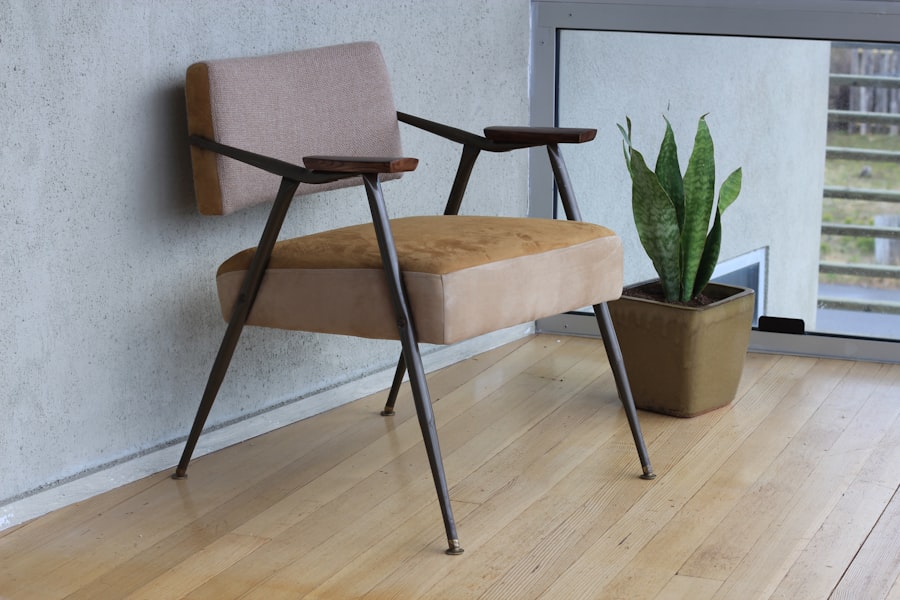
When it comes to sustainable interior design, the choice of materials plays a crucial role. You have a plethora of options at your disposal, ranging from reclaimed wood to recycled metal and low-VOC (volatile organic compounds) paints. Reclaimed wood, for instance, not only adds character to your space but also reduces the demand for new lumber, thereby conserving forests.
Similarly, recycled materials can be repurposed into stunning furniture pieces or decorative elements, allowing you to make a statement while being environmentally conscious. In addition to selecting sustainable materials, it is essential to consider the sourcing and lifecycle of these resources. You may want to prioritize local suppliers to reduce transportation emissions and support your community’s economy.
Furthermore, understanding the lifecycle of materials—from extraction to disposal—can help you make informed decisions that align with your sustainability goals. By choosing materials that are durable and easy to maintain, you can ensure that your design choices have a minimal impact on the environment over time.
Sustainable Interior Design Techniques and Strategies
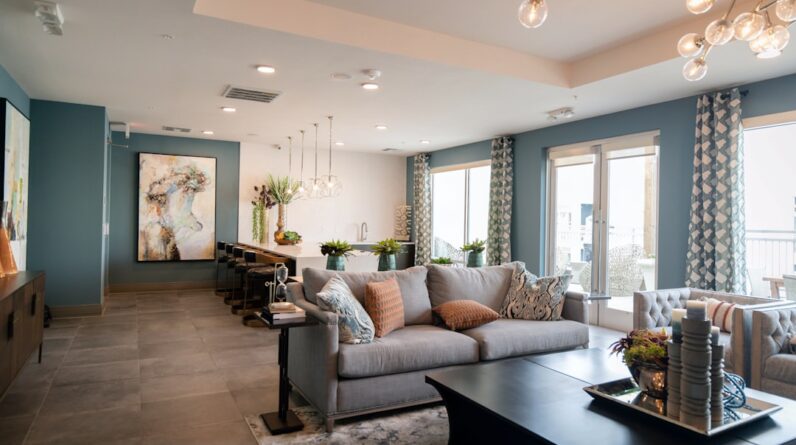
Implementing sustainable interior design techniques requires a thoughtful approach that considers both functionality and aesthetics. One effective strategy is to maximize natural light in your spaces. By incorporating large windows or skylights, you can reduce reliance on artificial lighting during the day, which not only saves energy but also creates a more inviting atmosphere.
You might also explore open floor plans that promote airflow and enhance natural light distribution throughout your home or office. Another technique involves optimizing energy efficiency through smart technology. You can invest in programmable thermostats, energy-efficient appliances, and LED lighting systems that adapt to your usage patterns.
These technologies not only contribute to a more sustainable environment but also offer convenience and comfort in your daily life. Additionally, consider incorporating passive design principles, such as proper insulation and strategic shading, to further enhance energy efficiency while maintaining a comfortable indoor climate.
Incorporating Biophilic Design in Sustainable Interior Design
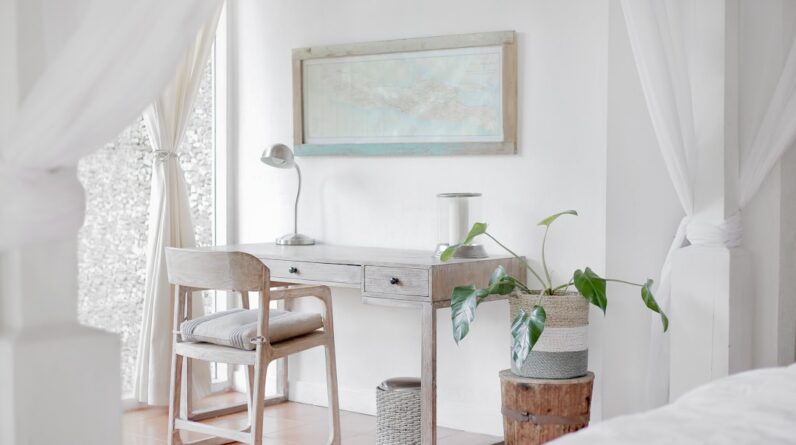
Biophilic design is an innovative approach that seeks to connect people with nature within their built environments. As you explore sustainable interior design, incorporating biophilic elements can significantly enhance the overall experience of your space. This might involve integrating natural materials, such as stone or wood, into your design or incorporating plants and greenery throughout your home or office.
The presence of nature has been shown to reduce stress levels and improve overall well-being, making it an essential component of sustainable design. You can also consider creating outdoor spaces that seamlessly blend with your indoor environment. This could involve designing patios or balconies that encourage outdoor living or installing large glass doors that open up to gardens or natural landscapes.
By fostering a connection with nature, you not only enhance the aesthetic appeal of your space but also promote a sense of tranquility and harmony with the environment.
Case Studies of Successful Sustainable Interior Design Projects
Examining successful case studies can provide valuable insights into effective sustainable interior design practices. One notable example is the Bullitt Center in Seattle, often referred to as the “greenest commercial building in the world.” This project showcases innovative strategies such as rainwater harvesting, solar energy generation, and composting toilets. The building’s design emphasizes natural light and ventilation while utilizing locally sourced materials, setting a benchmark for future sustainable projects.
Another inspiring case study is the Eden Project in Cornwall, England. This unique facility features biomes housing diverse plant species from around the world, all within a sustainable framework. The project utilizes renewable energy sources and emphasizes education about environmental conservation.
By showcasing how nature can be integrated into architectural design, the Eden Project serves as a powerful example of how sustainable principles can be applied on a larger scale.
Challenges and Limitations of Sustainable Interior Design
While the benefits of sustainable interior design are numerous, there are also challenges and limitations that you may encounter along the way. One significant hurdle is the perception that sustainable materials are often more expensive than conventional options. While this may be true in some cases, it’s essential to consider the long-term savings associated with energy efficiency and durability.
Educating yourself about available options can help you make informed decisions that align with both your budget and sustainability goals. Additionally, finding skilled professionals who specialize in sustainable practices can be challenging in certain areas. You may need to invest time in researching designers or contractors who are knowledgeable about eco-friendly materials and techniques.
Furthermore, navigating local building codes and regulations related to sustainability can present obstacles that require careful planning and consideration.
The Future of Sustainable Interior Design
As you look toward the future of sustainable interior design, it becomes clear that this field will continue to evolve in response to emerging technologies and changing societal values. The integration of smart home technology will likely play a significant role in enhancing energy efficiency and user experience within sustainable spaces. You may find yourself increasingly relying on apps and devices that monitor energy consumption or optimize indoor air quality.
Moreover, as awareness of climate change grows, there will be an increasing demand for sustainable practices across all sectors of design. This shift will likely lead to more innovative solutions that prioritize environmental responsibility while meeting the needs of modern living. By embracing these changes and remaining committed to sustainability in your own design choices, you can contribute to a brighter future for both individuals and the planet alike.
In conclusion, sustainable interior design offers a pathway toward creating spaces that are not only beautiful but also environmentally responsible. By understanding its benefits, exploring materials and techniques, incorporating biophilic elements, examining successful case studies, addressing challenges, and looking ahead to future trends, you can play an active role in shaping a more sustainable world through your design choices.
FAQs
What is sustainable interior design?
Sustainable interior design focuses on creating spaces that are environmentally friendly, socially responsible, and economically viable. It involves using materials and practices that minimize negative impacts on the environment and human health.
What are some key principles of sustainable interior design?
Key principles of sustainable interior design include using eco-friendly materials, maximizing energy efficiency, reducing waste, promoting indoor air quality, and considering the social and cultural impact of design choices.
What are some examples of sustainable interior design practices?
Examples of sustainable interior design practices include using recycled or reclaimed materials, incorporating energy-efficient lighting and appliances, utilizing low-VOC paints and finishes, and designing spaces to maximize natural light and ventilation.
Why is sustainable interior design important?
Sustainable interior design is important because it helps reduce the environmental impact of the built environment, promotes healthier indoor spaces, and supports the well-being of communities and future generations. It also contributes to the overall sustainability of the planet.
How can individuals incorporate sustainable interior design into their homes or businesses?
Individuals can incorporate sustainable interior design into their homes or businesses by choosing eco-friendly materials, investing in energy-efficient appliances and lighting, reducing waste through recycling and repurposing, and seeking out sustainable design professionals and products.