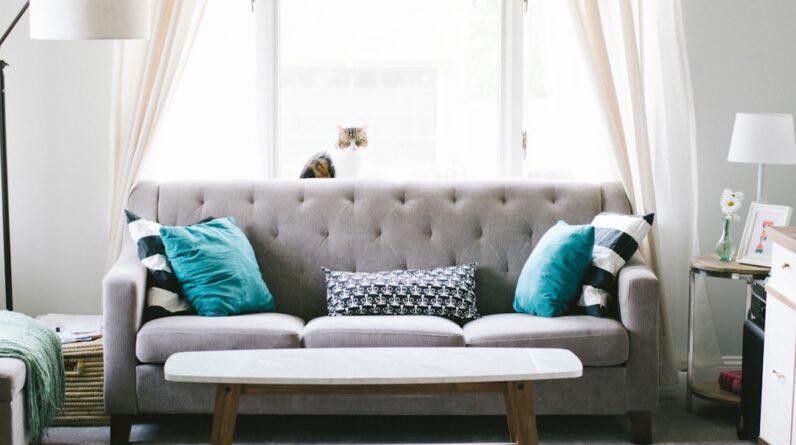
When it comes to rental properties, the significance of interior design cannot be overstated. You may not realize it, but the way a space is designed can greatly influence a tenant’s decision to rent. A well-thought-out interior design creates an inviting atmosphere that not only attracts potential renters but also enhances their overall living experience.
As a landlord or property manager, you want to ensure that your property stands out in a competitive market. By investing in quality interior design, you can create a memorable first impression that resonates with prospective tenants. Moreover, effective interior design goes beyond aesthetics; it also addresses functionality and comfort.
You want your tenants to feel at home, and this can be achieved through thoughtful design choices that cater to their needs. From the layout of the furniture to the selection of colors and materials, every detail plays a role in shaping the tenant’s experience. By prioritizing interior design, you are not just filling a vacancy; you are creating a space where people can thrive and enjoy their lives.
Key Takeaways
- Interior design plays a crucial role in attracting and retaining tenants for rental properties.
- Thoughtful interior design can significantly increase the rental value of a property.
- Creating a welcoming and functional space is essential for tenant satisfaction and retention.
- Choosing the right color palette can enhance the appeal and marketability of rental properties.
- Incorporating trendy and timeless design elements can make rental properties more attractive to potential tenants.
How Interior Design Can Increase Rental Value
One of the most compelling reasons to invest in interior design for your rental property is its potential to increase rental value. When you enhance the visual appeal and functionality of a space, you can justify higher rental prices. Tenants are often willing to pay more for properties that offer modern amenities, stylish decor, and a comfortable living environment.
By upgrading your interiors, you can position your property as a premium option in the market, attracting quality tenants who appreciate the value of well-designed spaces. Additionally, well-executed interior design can lead to longer lease agreements. When tenants feel satisfied with their living conditions, they are more likely to renew their leases rather than seek alternative accommodations.
This stability not only reduces turnover costs but also ensures a steady stream of income for you as a property owner. By focusing on design elements that resonate with your target demographic, you can create an environment that encourages tenants to stay longer and pay more.
Creating a Welcoming and Functional Space for Tenants
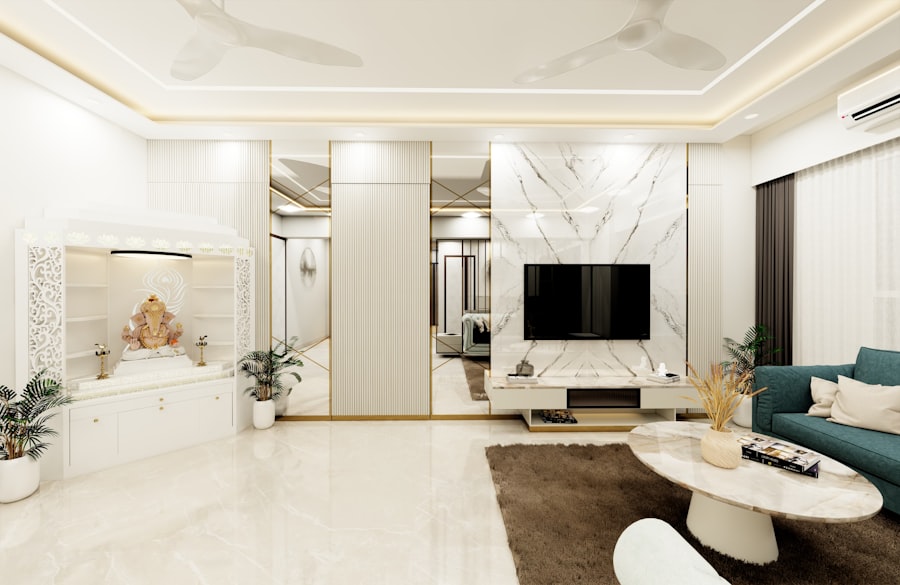
Creating a welcoming and functional space is essential for ensuring tenant satisfaction. You want your rental property to feel like home, and this begins with thoughtful design choices that prioritize comfort and usability. Consider the flow of the space; an open layout can make a small area feel larger and more inviting.
You should also think about how tenants will use each room. For instance, a well-designed kitchen should not only look good but also provide ample counter space and storage for cooking and entertaining. In addition to functionality, incorporating elements that evoke warmth and comfort can significantly enhance the tenant experience.
Soft lighting, cozy textiles, and inviting color schemes can transform a sterile environment into a welcoming haven. You might also consider adding personal touches, such as artwork or decorative accents, that reflect the character of the property while allowing tenants to envision their own style within the space. By focusing on both functionality and warmth, you create an environment where tenants feel comfortable and at ease.
Choosing the Right Color Palette for Rental Properties
The color palette you choose for your rental property plays a crucial role in setting the tone of the space. Colors can evoke emotions and influence how tenants perceive their environment. When selecting a color scheme, consider neutral tones that appeal to a broad audience while allowing for personalization through accessories and furnishings.
Soft grays, warm beiges, and muted pastels can create a calming backdrop that makes it easy for tenants to envision their own decor. However, don’t shy away from incorporating bolder accent colors in specific areas to add character and interest. A vibrant accent wall or colorful kitchen cabinets can serve as focal points that elevate the overall design without overwhelming the space.
Remember that the right color palette not only enhances aesthetics but also contributes to the overall ambiance of the property. By carefully curating your color choices, you can create an inviting atmosphere that resonates with potential renters.
Incorporating Trendy and Timeless Design Elements
Balancing trendy and timeless design elements is key to creating a rental property that remains appealing over time. While it’s important to stay current with design trends, incorporating classic elements ensures longevity and broad appeal. For instance, you might choose modern fixtures or furniture pieces that reflect current styles while pairing them with timeless materials like hardwood floors or marble countertops.
Incorporating trendy elements can also be done through accessories that are easy to update as styles change. Think about using throw pillows, artwork, or decorative items that can be easily swapped out without requiring major renovations. This approach allows you to keep your property fresh and relevant while maintaining a solid foundation of timeless design principles.
By striking this balance, you create a space that feels both modern and enduring, appealing to a wide range of potential tenants.
Maximizing Space and Storage in Rental Properties

In rental properties, maximizing space and storage is essential for creating functional living environments. Many tenants prioritize ample storage options, so it’s crucial to incorporate smart solutions that make the most of available square footage. Consider built-in shelving units or multi-functional furniture pieces that serve dual purposes—like a bed with storage drawers underneath or an ottoman that doubles as seating and storage.
Additionally, utilizing vertical space can significantly enhance storage capabilities in smaller units. Installing shelves or cabinets that reach up to the ceiling not only provides extra storage but also draws the eye upward, making the room feel larger. You might also explore creative solutions like under-stair storage or utilizing nooks for additional shelving or cabinetry.
By prioritizing space efficiency in your design choices, you create an environment where tenants can comfortably live without feeling cramped.
Selecting Durable and Low-Maintenance Materials
When designing rental properties, selecting durable and low-maintenance materials is crucial for ensuring longevity and minimizing upkeep costs. Tenants appreciate spaces that are easy to care for, so choosing materials that withstand wear and tear is essential. For flooring, consider options like luxury vinyl planks or tile that mimic wood but are more resistant to scratches and stains.
In addition to flooring, think about other surfaces such as countertops and cabinetry. Quartz countertops offer durability without sacrificing style, while laminate cabinets provide an affordable option that stands up well against daily use. By investing in high-quality materials from the outset, you not only enhance the property’s appeal but also reduce the likelihood of costly repairs down the line.
This approach ultimately benefits both you as a landlord and your tenants who will enjoy a well-maintained living environment.
Enhancing Curb Appeal with Interior Design
While interior design primarily focuses on the inside of a property, enhancing curb appeal is equally important for attracting potential tenants. The exterior of your rental property is the first impression prospective renters will have, so it should reflect the quality of the interior design as well. Simple landscaping improvements—such as adding potted plants or fresh flowers—can create an inviting entrance that draws people in.
Additionally, consider how exterior colors and materials complement the interior design choices you’ve made. A cohesive look between inside and outside creates a sense of harmony that appeals to renters looking for a well-thought-out living space. You might also invest in outdoor lighting or stylish door hardware to elevate the overall aesthetic further.
By focusing on curb appeal alongside interior design, you create an attractive package that entices potential tenants from the moment they arrive.
Incorporating Sustainable and Eco-Friendly Design Practices
In today’s environmentally conscious world, incorporating sustainable and eco-friendly design practices into your rental properties can set you apart from competitors while appealing to eco-minded tenants. Consider using energy-efficient appliances and fixtures that reduce utility costs for both you and your renters. Additionally, selecting sustainable materials—such as reclaimed wood or recycled glass—can enhance your property’s appeal while minimizing its environmental impact.
You might also explore options for improving indoor air quality through proper ventilation systems or low-VOC paints and finishes. These choices not only benefit the environment but also contribute to healthier living conditions for your tenants. By prioritizing sustainability in your design approach, you demonstrate a commitment to responsible property management while attracting tenants who value eco-friendly living.
Working with a Professional Interior Designer for Rental Properties
While many landlords may feel confident in their ability to design their rental properties themselves, enlisting the help of a professional interior designer can elevate your project significantly. A designer brings expertise in creating functional layouts, selecting appropriate materials, and understanding current trends—all tailored specifically for rental properties. Their insights can help you avoid common pitfalls and ensure that your investment yields maximum returns.
Moreover, working with a designer allows you to save time and effort during the renovation process. They can manage logistics such as sourcing materials, coordinating contractors, and overseeing installations—freeing you up to focus on other aspects of property management. Ultimately, collaborating with an interior designer can lead to a more polished final product that appeals to potential tenants while increasing your property’s overall value.
Budget-Friendly Interior Design Tips for Rental Properties
Designing rental properties on a budget doesn’t mean sacrificing quality or style; it simply requires creativity and resourcefulness. One effective strategy is to focus on key areas that make the most impact—such as updating fixtures or painting walls—while leaving larger structural changes for later if necessary. A fresh coat of paint in neutral tones can instantly brighten up a space without breaking the bank.
Additionally, consider shopping at thrift stores or online marketplaces for unique furniture pieces or decor items that add character without hefty price tags. DIY projects can also be an excellent way to personalize your rental property while keeping costs low; simple upgrades like reupholstering chairs or creating custom shelving can make a significant difference in appearance without requiring extensive investment. By employing these budget-friendly strategies, you can achieve an attractive rental property that appeals to tenants while maximizing your return on investment.
FAQs
What is interior design for rental properties?
Interior design for rental properties involves creating a visually appealing and functional living space within a rental property. This can include selecting furniture, decor, and color schemes that appeal to potential tenants and enhance the overall appeal of the property.
Why is interior design important for rental properties?
Interior design is important for rental properties because it can help attract and retain tenants, increase the property’s rental value, and create a positive living experience for tenants. A well-designed interior can also set the property apart from competitors and make it more marketable.
What are some key considerations for interior design in rental properties?
Key considerations for interior design in rental properties include durability of materials and furnishings, cost-effectiveness, and the ability to appeal to a wide range of potential tenants. It’s also important to consider the overall style and aesthetic of the property’s location and target demographic.
How can interior design enhance the value of a rental property?
Well-executed interior design can enhance the value of a rental property by making it more attractive to potential tenants, allowing for higher rental rates, and reducing vacancy periods. It can also contribute to positive tenant experiences, leading to longer tenancy and lower turnover rates.
What are some popular interior design trends for rental properties in Chandler, AZ?
Popular interior design trends for rental properties in Chandler, AZ may include modern and minimalist styles, neutral color palettes, and functional, space-saving furniture. Additionally, incorporating local elements and influences can help create a sense of place and appeal to tenants in the area.