As you delve into the world of contemporary interior design, it’s essential to grasp the fundamental principles that guide this ever-evolving field. Contemporary design is not merely a style; it is a reflection of the current cultural and social climate, characterized by a blend of innovation and practicality. You will find that this approach emphasizes simplicity, functionality, and a connection to the environment.
By understanding these principles, you can create spaces that are not only visually appealing but also resonate with the lifestyle and values of today’s society. One of the core tenets of contemporary design is the idea of fluidity. This means that spaces should flow seamlessly from one area to another, creating a sense of harmony and balance.
You might consider how each room interacts with the next, ensuring that transitions are smooth and inviting. Additionally, contemporary design often embraces an open concept, allowing for greater interaction and movement within a space. By keeping these principles in mind, you can craft interiors that feel cohesive and thoughtfully designed, reflecting the essence of modern living.
Key Takeaways
- Contemporary interior design focuses on clean lines, minimalism, and neutral color palettes.
- Natural materials and textures such as wood, stone, and metal are key elements in contemporary design.
- Statement furniture and art pieces can add personality and visual interest to a contemporary space.
- Open and airy spaces are achieved through strategic furniture placement and the use of natural light.
- Balancing functionality and aesthetics is essential in contemporary interior design, creating spaces that are both practical and visually appealing.
Incorporating Minimalism and Clean Lines
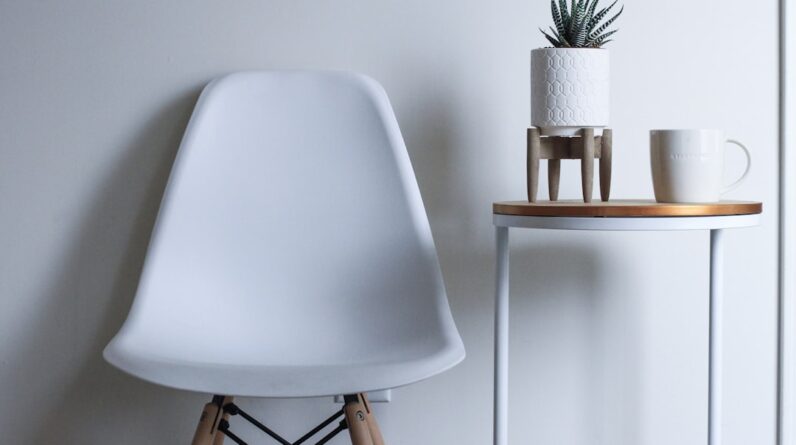
When you think of contemporary interior design, minimalism often comes to mind. This aesthetic champions simplicity and clarity, stripping away unnecessary elements to focus on what truly matters. As you explore this style, consider how clean lines can enhance your space.
Straight edges and geometric shapes create a sense of order and sophistication, making your interiors feel more organized and serene. You may find that by eliminating clutter and opting for streamlined furniture, you can achieve a look that is both elegant and functional. Incorporating minimalism into your design doesn’t mean sacrificing comfort or warmth.
Instead, it invites you to be intentional about your choices. You can select furniture pieces that are not only stylish but also serve a purpose without overwhelming the space. Think about how each item contributes to the overall aesthetic and functionality of your home.
By embracing minimalism, you create an environment that encourages relaxation and mindfulness, allowing you to enjoy your surroundings without distraction.
Embracing Neutral Color Palettes
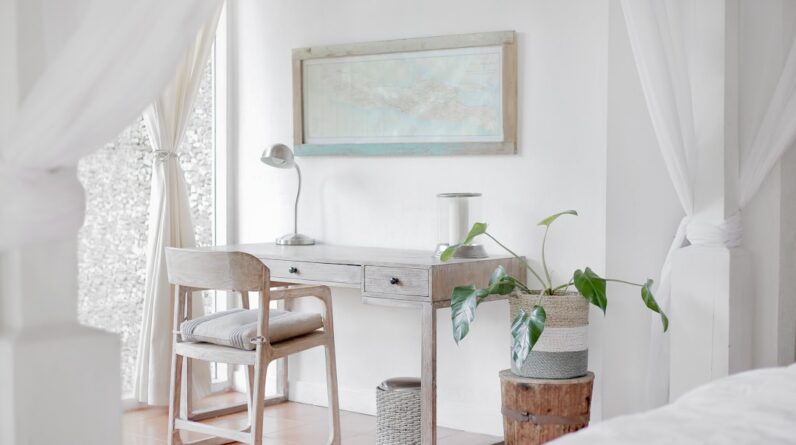
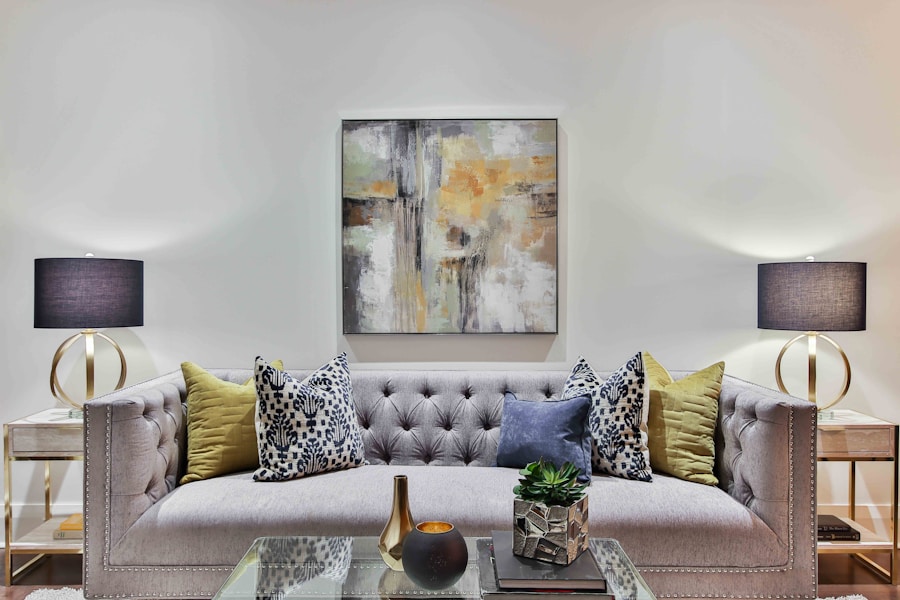
Color plays a pivotal role in shaping the mood and atmosphere of any interior space. In contemporary design, neutral color palettes are often favored for their versatility and timeless appeal. As you consider your color choices, think about how shades of white, beige, gray, and taupe can create a calming backdrop for your home.
These hues provide a sense of tranquility while allowing other elements in the room to shine. You might find that a neutral palette serves as a blank canvas, enabling you to experiment with textures and patterns without overwhelming the senses. Moreover, embracing neutral colors doesn’t mean your space has to be dull or uninspired.
You can introduce depth and interest through various materials and finishes. For instance, pairing matte surfaces with glossy accents can create a dynamic visual experience. Additionally, incorporating pops of color through accessories or artwork can add personality to your neutral foundation.
By striking this balance, you can achieve a sophisticated look that feels both modern and inviting.
Utilizing Natural Materials and Textures
In contemporary interior design, there is a growing emphasis on sustainability and a connection to nature. As you curate your space, consider incorporating natural materials such as wood, stone, and metal. These elements not only add warmth and character but also promote an eco-friendly approach to design.
You might choose reclaimed wood for flooring or furniture, which not only tells a story but also reduces environmental impact. By integrating these materials into your home, you create an atmosphere that feels grounded and authentic. Textures also play a crucial role in enhancing the sensory experience of your interiors.
Mixing different textures—such as soft textiles, rough stone surfaces, and sleek metals—can create visual interest and depth. As you explore various combinations, think about how these elements interact with one another to evoke feelings of comfort and sophistication. By thoughtfully layering textures, you can transform your space into a tactile haven that invites exploration and engagement.
Incorporating Statement Furniture and Art Pieces
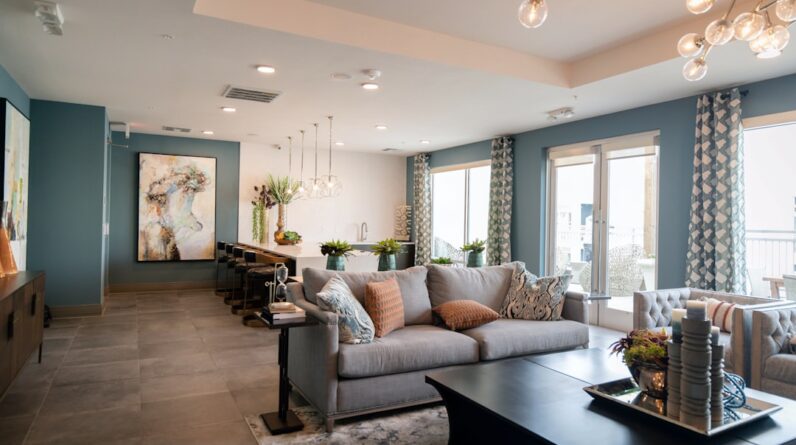
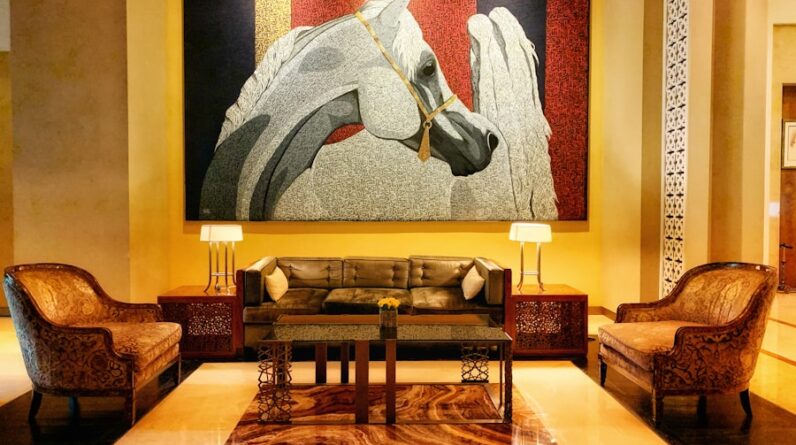
While minimalism is a hallmark of contemporary design, it doesn’t mean that every piece in your home should be understated. Incorporating statement furniture and art pieces can elevate your space and serve as focal points that draw the eye. As you select these standout items, consider their scale, color, and shape in relation to the overall design of your home.
A bold sofa or an oversized piece of artwork can inject personality into an otherwise serene environment. When choosing statement pieces, think about how they reflect your personal style and interests. This is an opportunity to showcase your individuality while adhering to contemporary principles.
You might opt for a sculptural chair that doubles as art or a vibrant painting that sparks conversation among guests. By carefully curating these elements, you can create a dynamic interplay between simplicity and boldness, resulting in a space that feels both cohesive and expressive.
Creating Open and Airy Spaces
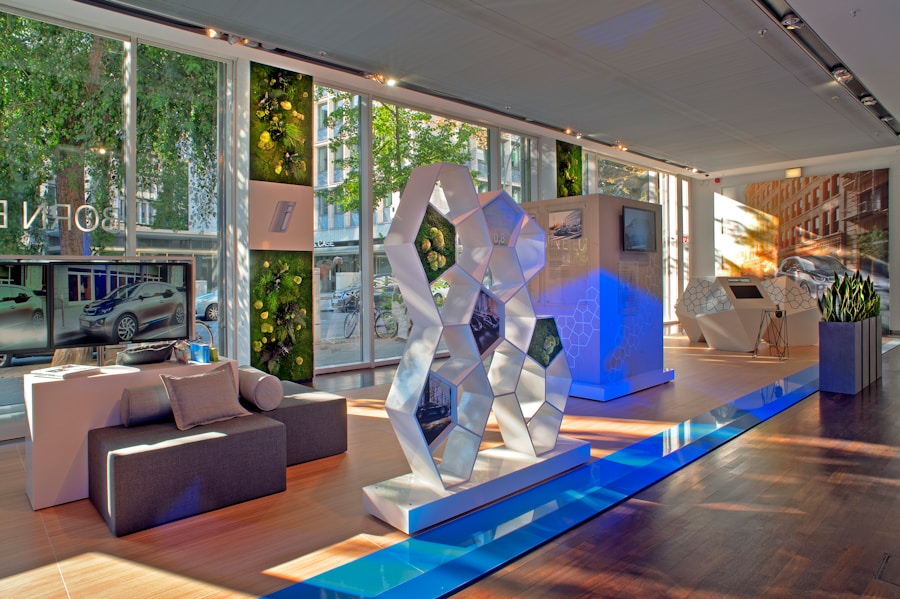
One of the defining characteristics of contemporary interior design is the emphasis on open and airy spaces. As you plan your layout, consider how to maximize natural light and create an unobstructed flow throughout your home. Large windows, open floor plans, and strategically placed mirrors can all contribute to an expansive feel.
You may find that by removing unnecessary walls or barriers, you can foster a sense of connection between different areas of your home. In addition to physical openness, it’s essential to cultivate an atmosphere of lightness in your design choices. Opt for lightweight furnishings that don’t overwhelm the space or heavy drapery that blocks natural light.
Instead, consider sheer curtains or blinds that allow sunlight to filter through while maintaining privacy. By prioritizing openness in both layout and design elements, you create an environment that feels inviting and spacious—a perfect backdrop for modern living.
Balancing Functionality and Aesthetics
In contemporary interior design, achieving a balance between functionality and aesthetics is paramount. As you curate your space, think about how each element serves a purpose while contributing to the overall visual appeal. This means selecting furniture that is not only stylish but also practical for everyday use.
For instance, multifunctional pieces like ottomans with storage or coffee tables that double as workspaces can enhance both form and function in your home. Moreover, consider how the layout of your space supports daily activities while maintaining an aesthetically pleasing environment. You might arrange furniture in a way that encourages conversation or creates designated areas for relaxation and productivity.
By thoughtfully considering both functionality and aesthetics, you can create interiors that are not only beautiful but also livable—spaces where you can thrive in comfort.
Incorporating Technology and Smart Design Solutions
As technology continues to advance at a rapid pace, contemporary interior design has evolved to embrace smart solutions that enhance everyday living. When designing your space, consider how technology can be seamlessly integrated into your home without compromising its aesthetic appeal. Smart lighting systems, automated window treatments, and integrated sound systems are just a few examples of how technology can elevate your living experience.
You might also explore innovative design solutions that prioritize energy efficiency and sustainability. For instance, incorporating smart thermostats or energy-efficient appliances can reduce your carbon footprint while enhancing comfort. As you navigate the intersection of technology and design, remember that the goal is to create spaces that are not only visually stunning but also functional and responsive to your needs.
By embracing these advancements, you can craft a home that reflects modern living while remaining true to contemporary design principles. In conclusion, contemporary interior design offers a rich tapestry of principles that allow you to create spaces reflecting modern sensibilities while remaining functional and inviting. By understanding these core concepts—minimalism, neutral palettes, natural materials, statement pieces, open layouts, balanced functionality, and smart technology—you can transform your home into a sanctuary that resonates with today’s lifestyle demands.
Embrace these ideas as you embark on your design journey; they will guide you toward creating interiors that are not only beautiful but also deeply connected to the world around you.
FAQs
What is contemporary interior design?
Contemporary interior design refers to the current trends and styles in interior design. It often incorporates modern elements and focuses on clean lines, open spaces, and a neutral color palette.
What are the key characteristics of contemporary interior design?
Key characteristics of contemporary interior design include minimalism, clean and sleek lines, open floor plans, neutral color palettes, and a focus on function and practicality.
What are some common materials and finishes used in contemporary interior design?
Common materials and finishes used in contemporary interior design include glass, metal, concrete, and wood. These materials are often used in their natural state or with minimal embellishments.
How does contemporary interior design differ from modern interior design?
While modern interior design refers to a specific design movement from the early to mid-20th century, contemporary interior design refers to the current design trends and styles. Contemporary design may incorporate elements of modern design, but it also includes influences from other styles and periods.
What are some popular furniture pieces in contemporary interior design?
Popular furniture pieces in contemporary interior design include sleek and simple sofas, chairs, and tables with clean lines and minimal ornamentation. Furniture often prioritizes comfort and functionality.
How can I incorporate contemporary interior design into my home?
To incorporate contemporary interior design into your home, focus on creating open and uncluttered spaces, using a neutral color palette, and incorporating modern furniture and decor. Consider incorporating natural light and using simple, clean lines in your design choices.