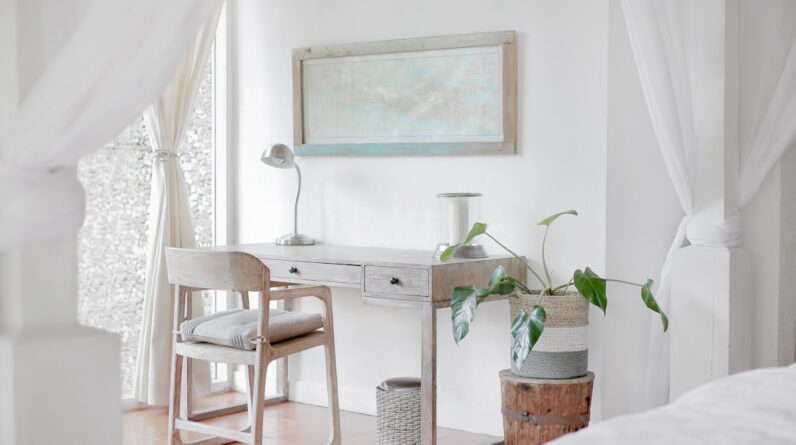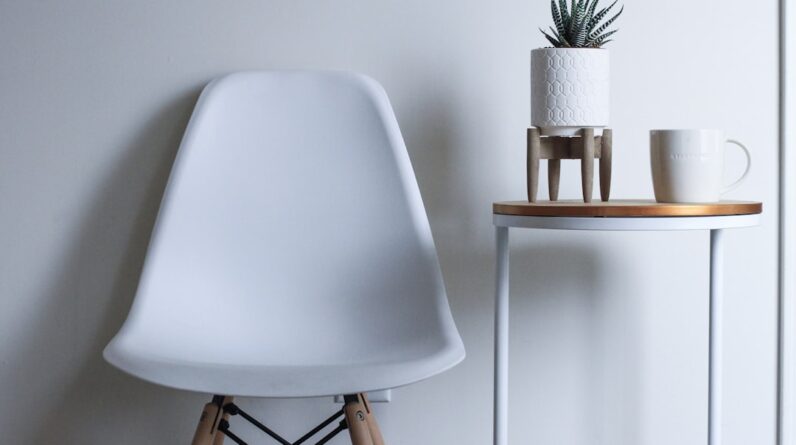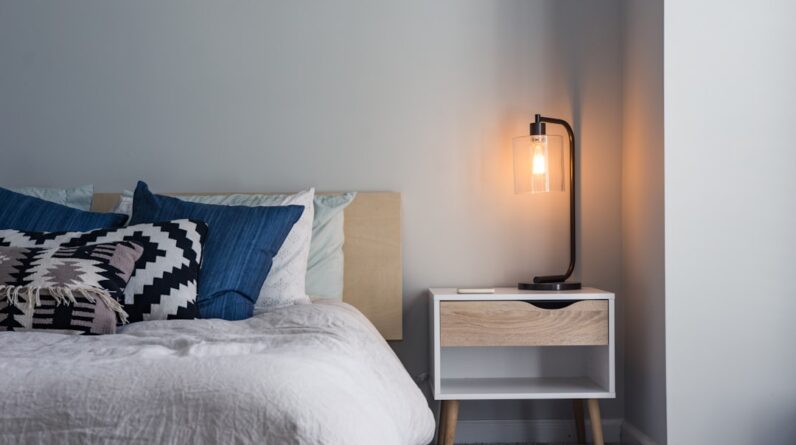
Nordic interior design, often synonymous with the broader Scandinavian aesthetic, has its roots deeply embedded in the cultural and historical contexts of the Nordic countries: Denmark, Finland, Iceland, Norway, and Sweden. Emerging in the early 20th century, this design philosophy was significantly influenced by the social and economic changes following World War
The movement sought to create functional yet aesthetically pleasing spaces that reflected the values of simplicity and practicality. The rise of the Bauhaus movement in Germany also played a pivotal role, as it championed the idea that good design should be accessible to all, not just the elite. This democratization of design resonated with the Nordic ethos, leading to a unique blend of craftsmanship and modernity that would define the region’s approach to interiors.
The Rise of Nordic Designers
Designers like Alvar Aalto and Hans Wegner gained international recognition for their innovative furniture designs, characterized by clean lines and organic forms.
Functionality and Comfort
The focus shifted towards creating spaces that were not only aesthetically pleasing but also functional and comfortable, reflecting the lifestyle of the people living in these regions.
A Global Influence
This period marked a significant turning point, as Nordic design began to be recognized globally, influencing trends far beyond its geographical boundaries. The emphasis on craftsmanship, quality materials, and a connection to nature became hallmarks of this style, setting the stage for what we now recognize as contemporary Nordic interior design.
Key Takeaways
- Nordic interior design is influenced by the natural landscapes and climate of the Nordic countries, as well as their cultural heritage and history.
- Key elements of Nordic interior design include simplicity, functionality, and a focus on natural materials and textures.
- Minimalism is a central aspect of Nordic interior design, with an emphasis on clean lines, neutral colors, and uncluttered spaces.
- Natural light is highly valued in Nordic interior design, and large windows and light-colored surfaces are often used to maximize its presence in a space.
- Nature is incorporated into Nordic interior design through the use of natural materials, such as wood and stone, as well as through the inclusion of natural elements like plants and water features.
Key Elements of Nordic Interior Design
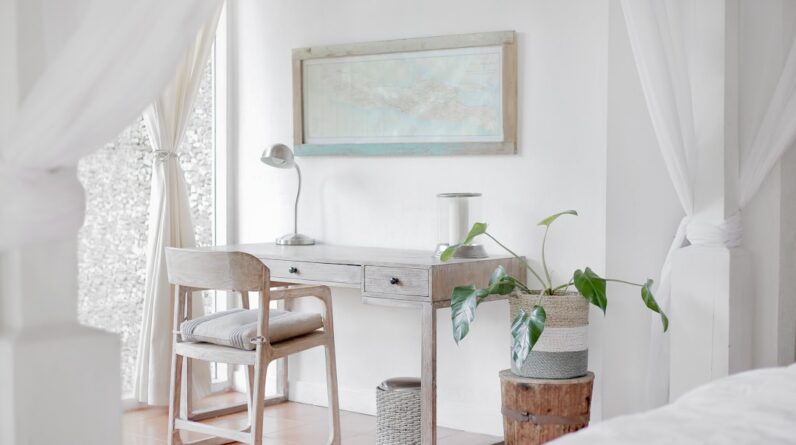
At the heart of Nordic interior design lies a commitment to simplicity and functionality. This aesthetic is characterized by a neutral color palette dominated by whites, grays, and soft pastels, which creates a serene backdrop for living spaces. The use of natural materials such as wood, stone, and textiles is prevalent, reflecting a deep respect for nature and an understanding of how these elements can enhance the overall ambiance of a room.
Furniture pieces are often designed with clean lines and minimal ornamentation, allowing them to blend seamlessly into various settings while still making a statement. This focus on understated elegance ensures that each item serves a purpose while contributing to the overall harmony of the space. Another defining feature of Nordic interior design is its emphasis on comfort and warmth.
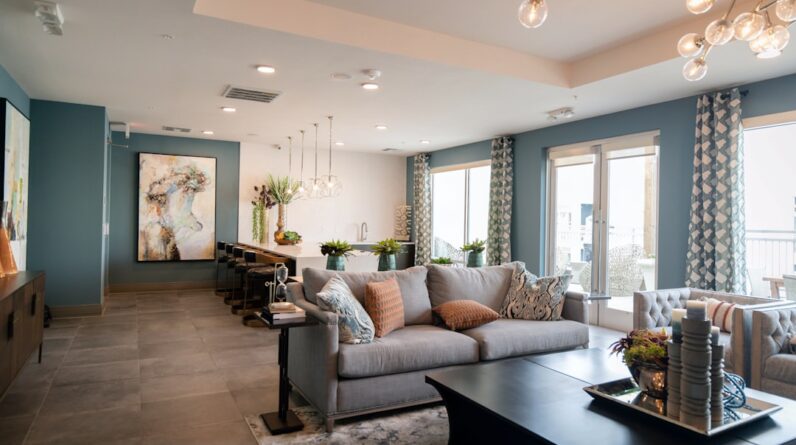
This is often achieved through the strategic use of textiles—think plush throws, soft rugs, and cozy cushions—that invite relaxation and foster a sense of well-being. Lighting also plays a crucial role; fixtures are typically designed to provide soft, diffused light that enhances the inviting atmosphere. Additionally, open floor plans are common in Nordic homes, promoting a sense of flow and connectivity between spaces.
This layout not only maximizes natural light but also encourages social interaction among family members and guests. Together, these elements create an environment that is both aesthetically pleasing and deeply functional, embodying the essence of Nordic living.
Embracing Minimalism in Nordic Interior Design
| Key Elements | Benefits |
|---|---|
| Neutral color palette | Creates a sense of calm and simplicity |
| Functional furniture | Maximizes space and promotes practicality |
| Natural light | Enhances the feeling of openness and airiness |
| Clean lines and minimal decor | Reduces visual clutter and promotes a sense of serenity |
Minimalism is a cornerstone of Nordic interior design, reflecting a broader cultural ethos that values simplicity and clarity over excess. This approach encourages individuals to curate their living spaces thoughtfully, selecting only those items that bring joy or serve a practical purpose. The minimalist philosophy is not merely about reducing clutter; it is about creating an environment that fosters peace and tranquility.
By stripping away unnecessary elements, Nordic design allows for a more profound appreciation of the beauty found in everyday objects and materials. This intentionality in design promotes mindfulness and encourages individuals to engage more deeply with their surroundings. Moreover, minimalism in Nordic interior design extends beyond aesthetics; it also influences lifestyle choices.
The concept of “hygge,” which emphasizes coziness and contentment, aligns seamlessly with minimalist principles. By focusing on quality over quantity, individuals can cultivate spaces that are not only visually appealing but also emotionally fulfilling. This minimalist approach encourages the use of multifunctional furniture that adapts to various needs without overwhelming the space.
As such, Nordic interiors often feature pieces that are both stylish and practical, embodying the belief that less truly can be more when it comes to creating harmonious living environments.
The Role of Natural Light in Nordic Interior Design
Natural light is a vital component of Nordic interior design, playing an essential role in shaping the atmosphere and functionality of spaces. Given the long winters and limited daylight hours experienced in many Nordic countries, maximizing natural light becomes paramount. Large windows are a hallmark of this design style, allowing sunlight to flood interiors and create an airy ambiance.
The strategic placement of mirrors can further enhance this effect by reflecting light throughout the space, making rooms feel more expansive and inviting. This emphasis on natural light not only brightens up living areas but also contributes to overall well-being by fostering a connection with the outdoors. In addition to enhancing aesthetics, natural light has practical implications for energy efficiency in Nordic homes.
By prioritizing large windows and open layouts, designers can reduce reliance on artificial lighting during daylight hours, leading to lower energy consumption. This approach aligns with the broader sustainability goals prevalent in Nordic design philosophy. Furthermore, the interplay between light and shadow throughout different times of day adds depth and character to interiors, creating dynamic environments that evolve with changing conditions.
Ultimately, the thoughtful integration of natural light into Nordic interior design exemplifies how functionality can harmoniously coexist with beauty.
Incorporating Nature into Nordic Interior Design

Nature’s Influence on Nordic Design
The incorporation of nature into Nordic interior design is more than just an aesthetic choice; it reflects a deep cultural connection to the natural world that permeates life in the region. This relationship is evident in the use of organic materials such as wood, stone, and wool—elements that evoke a sense of grounding and authenticity within living spaces. Designers often draw inspiration from the surrounding landscapes, incorporating earthy tones and textures that mirror the beauty found outside.
Creating Harmony and Balance
This seamless integration fosters a sense of tranquility and balance within interiors, allowing inhabitants to feel more connected to their environment. Furthermore, plants play an integral role in bringing nature indoors within Nordic design principles. Greenery not only enhances visual appeal but also contributes to improved air quality and overall well-being. Common choices include hardy houseplants that thrive in varying light conditions, reflecting the resilience found in nature itself.
The Role of Plants in Nordic Design
The strategic placement of plants can soften hard edges and add layers of texture to minimalist spaces, creating a more inviting atmosphere. By embracing nature in all its forms—through materials, colors, and living elements—Nordic interior design cultivates environments that nurture both physical comfort and emotional well-being. This holistic approach to design not only creates beautiful spaces but also promotes a deeper connection to the natural world.
Creating a Cozy and Functional Space in Nordic Interior Design
Creating cozy yet functional spaces is at the core of Nordic interior design philosophy. The concept of “lagom,” which translates to “just right,” encapsulates this balance perfectly—encouraging individuals to find harmony between comfort and practicality without veering into excess or clutter. This principle manifests itself through thoughtful furniture arrangements that promote social interaction while ensuring ease of movement throughout the space.
Open layouts allow for flexibility in how rooms are used, accommodating both relaxation and entertaining without compromising on comfort. Textiles play an essential role in achieving this cozy atmosphere; soft fabrics such as wool or cotton are often layered throughout living areas to create warmth and texture. Throws draped over sofas or beds invite snuggling up during colder months while adding visual interest to the decor.
Additionally, lighting choices are carefully considered; warm-toned bulbs paired with strategically placed fixtures create an inviting glow that enhances comfort levels after dark. By prioritizing both coziness and functionality within their designs, Nordic interiors foster environments where individuals can thrive—balancing work-life demands with moments of relaxation.
Embracing Sustainability in Nordic Interior Design
Sustainability is woven into the very fabric of Nordic interior design philosophy—a reflection of the region’s commitment to environmental stewardship and responsible living practices. Designers prioritize eco-friendly materials sourced from sustainable forests or recycled products whenever possible, ensuring that their creations have minimal impact on the planet. This dedication extends beyond mere aesthetics; it encompasses ethical considerations regarding production processes as well as long-term durability—favoring quality craftsmanship over disposable trends.
Moreover, sustainable practices are evident in how spaces are designed for longevity rather than fleeting fashion statements. Timeless pieces crafted from natural materials not only stand the test of time but also age beautifully—becoming cherished heirlooms passed down through generations. Additionally, energy-efficient solutions such as passive solar heating or smart home technologies are increasingly integrated into modern Nordic designs—demonstrating an awareness of both environmental impact and occupant comfort.
By embracing sustainability at every level—from material selection to energy consumption—Nordic interior design sets an inspiring example for creating beautiful spaces that honor both people and planet alike.
FAQs
What is Nordic interior design?
Nordic interior design is a style that originated in the Nordic countries of Denmark, Finland, Iceland, Norway, and Sweden. It is characterized by its minimalism, functionality, and use of natural materials.
What are the key elements of Nordic interior design?
Key elements of Nordic interior design include clean lines, neutral color palettes, natural light, and the use of natural materials such as wood, leather, and wool. Functionality and simplicity are also important aspects of this design style.
What are some common features of Nordic interior design?
Common features of Nordic interior design include open floor plans, cozy textiles such as sheepskin and fur, and a focus on creating a sense of warmth and comfort in the home. Additionally, Nordic design often incorporates elements of nature, such as plants and natural textures.
How can I incorporate Nordic interior design into my home?
To incorporate Nordic interior design into your home, focus on decluttering and creating a sense of openness. Use a neutral color palette, incorporate natural materials, and add cozy textiles and lighting to create a warm and inviting atmosphere. Additionally, consider adding elements of nature, such as plants and natural textures, to bring a sense of the outdoors inside.
What are some popular Nordic interior design brands?
Some popular Nordic interior design brands include IKEA, HAY, Muuto, and Marimekko. These brands are known for their minimalist and functional designs, as well as their use of natural materials and neutral color palettes.