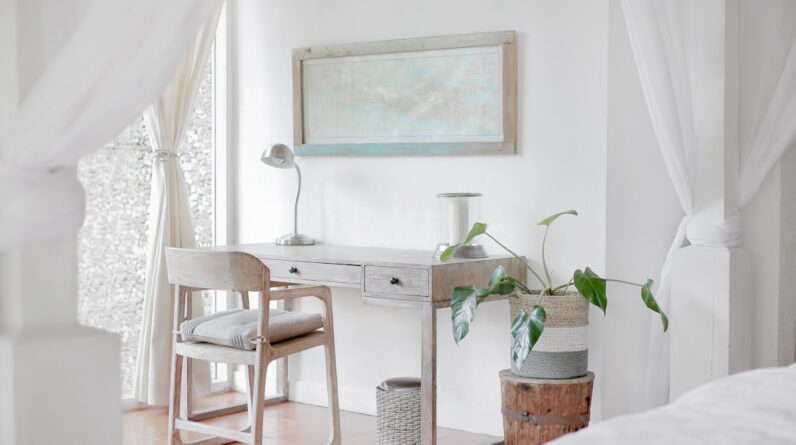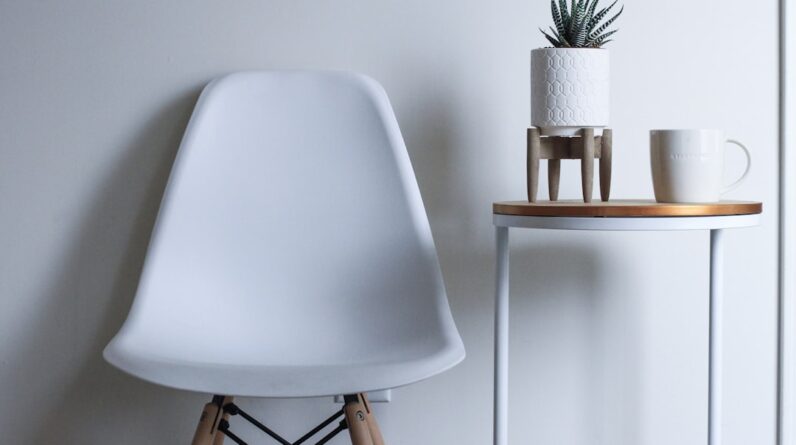
Fusion in interior design is an exciting and dynamic approach that allows you to blend various styles, cultures, and influences into a single cohesive space. This concept encourages creativity and personal expression, enabling you to curate an environment that reflects your unique tastes and experiences. By embracing fusion, you can break free from the constraints of traditional design rules, allowing for a more personalized and eclectic aesthetic.
This approach not only enhances the visual appeal of your home but also creates a narrative that tells your story through the elements you choose to incorporate. As you delve into the world of fusion design, it’s essential to understand that it’s not merely about mixing and matching random elements. Instead, it’s about finding harmony among diverse influences.
You might find inspiration in various cultures, historical periods, or even different geographical locations. The key is to create a space that feels intentional and thoughtfully curated rather than chaotic. By understanding the principles of fusion, you can transform your living space into a vibrant tapestry that showcases your personality while maintaining a sense of balance and coherence.
Key Takeaways
- Fusion in interior design involves combining elements from different styles to create a unique and cohesive look.
- There are various interior design styles such as modern, traditional, minimalist, and eclectic, each with its own distinct characteristics.
- Common elements among different interior design styles include the use of natural materials, clean lines, and a focus on functionality.
- Creating a cohesive color palette involves selecting a harmonious combination of colors that complement each other and tie the space together.
- Mixing furniture and decor from different styles can be achieved by focusing on a common theme or color scheme, and balancing the proportions and scale of the pieces.
Identifying different interior design styles
To successfully implement fusion in your interior design, you first need to familiarize yourself with the various styles available. Each design style has its own distinct characteristics, which can serve as a foundation for your fusion project. For instance, you might explore the clean lines and minimalism of Scandinavian design, the warmth and comfort of rustic farmhouse aesthetics, or the bold colors and patterns found in bohemian decor.
By identifying these styles, you can begin to envision how they might work together in your space. As you explore different styles, consider how they resonate with you personally. You may find that certain elements from each style speak to your preferences or lifestyle.
For example, if you love the simplicity of modern design but also appreciate the charm of vintage pieces, you can combine these elements to create a unique look that feels both fresh and nostalgic. By understanding the nuances of each style, you can make informed decisions about which elements to incorporate into your fusion design.
Finding common elements among different styles

Once you have identified various interior design styles, the next step is to find common elements that can serve as a bridge between them. This process involves looking for shared characteristics such as color schemes, materials, or shapes that can unify disparate styles. For instance, if you are blending industrial and mid-century modern designs, you might notice that both styles often utilize natural wood and metal materials.
By focusing on these commonalities, you can create a seamless transition between different design elements. Additionally, consider how certain themes or motifs can connect various styles. For example, if you are incorporating both coastal and traditional elements into your space, you might use nautical colors like navy blue and sandy beige as a unifying palette.
This approach not only helps to create visual harmony but also allows for a more cohesive narrative throughout your home. By identifying these common threads, you can effectively weave together different styles into a singular, harmonious design.
Creating a cohesive color palette
A well-thought-out color palette is crucial when it comes to fusing different interior design styles. The colors you choose can significantly impact the overall mood and feel of your space. To create a cohesive palette, start by selecting a few key colors that resonate with you and reflect the atmosphere you want to achieve.
You might opt for neutral tones as a base and then introduce pops of color through accessories or artwork. This strategy allows for flexibility while maintaining a sense of unity throughout your design. When blending styles, consider how colors interact with one another.
Some hues may clash when placed together, while others can enhance each other’s beauty. For instance, if you are merging a contemporary style with vintage elements, soft pastels can create a gentle transition between the two. Alternatively, bold jewel tones can add drama and sophistication to your space.
By carefully curating your color palette, you can ensure that each element complements the others, resulting in a harmonious fusion of styles.
Mixing furniture and decor from different styles
One of the most enjoyable aspects of fusion interior design is the opportunity to mix furniture and decor from various styles. This process allows you to create a unique environment that reflects your personality while showcasing your creativity. When selecting pieces from different styles, consider how they can work together to form a cohesive look.
For example, pairing a sleek modern sofa with an antique coffee table can create an intriguing contrast that adds depth to your space. As you mix furniture and decor, pay attention to scale and proportion. It’s essential to ensure that the pieces you choose complement each other in size and shape.
A large, ornate chandelier may overwhelm a minimalist dining table, while a delicate side table could get lost in a room filled with oversized furniture. Striking the right balance will help maintain visual harmony while allowing for an eclectic mix of styles.
Balancing textures and patterns
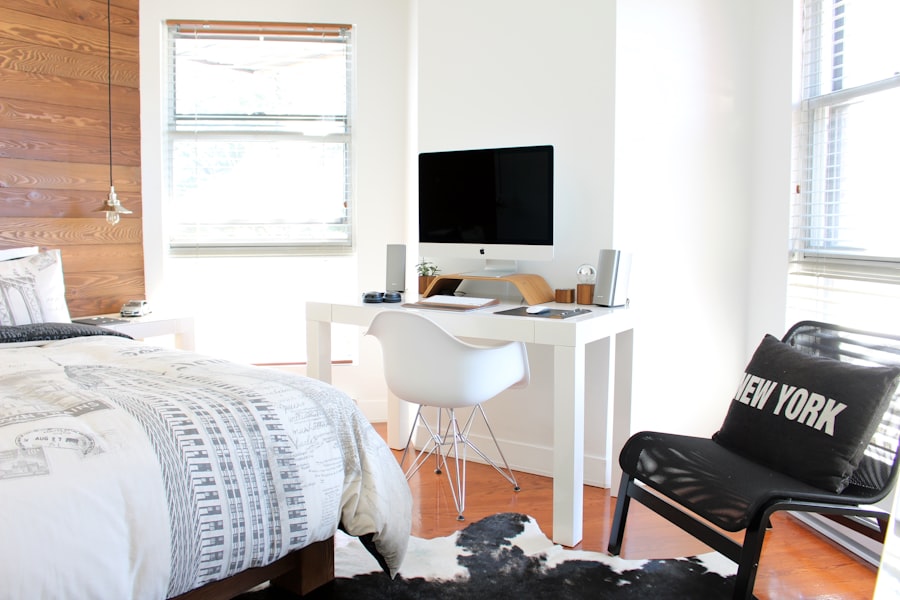
Adding Depth and Visual Excitement
Textures and patterns play a crucial role in creating a harmonious fusion of different interior design styles. Textures add depth and interest to a space, while patterns can create visual excitement. When combining various styles, it’s essential to strike a balance between textures that complement each other rather than competing for attention.
Creating a Pleasing Contrast
One effective way to achieve this balance is by pairing soft textiles like velvet or linen with harder materials like metal or wood. This contrast can enhance the overall aesthetic of the space. Similarly, combining bold geometric prints with softer floral designs can create an engaging visual experience.
Achieving a Balanced Approach
However, it’s essential to avoid overwhelming the space with too many competing patterns. Instead, aim for a balanced approach where each pattern has its own place without overshadowing others. By thoughtfully curating textures and patterns, you can create a rich tapestry that celebrates the beauty of fusion design.
Incorporating cultural influences
Cultural influences can add depth and character to your fusion interior design project. By incorporating elements from different cultures, you not only enrich your space but also tell a story that reflects your experiences and interests. Whether it’s through artwork, textiles, or decorative objects, cultural influences can serve as focal points within your design scheme.
For example, adding Moroccan lanterns or Indian textiles can infuse your space with vibrant colors and intricate patterns that celebrate global diversity. When incorporating cultural elements, it’s essential to approach them with respect and understanding. Research the significance behind certain items or motifs to ensure that they are used thoughtfully within your design context.
This consideration will not only enhance the authenticity of your space but also foster appreciation for the cultures represented in your home. By weaving cultural influences into your fusion design, you create an environment that is both visually stunning and rich in meaning.
Tips for successfully blending different interior design styles
Successfully blending different interior design styles requires careful planning and consideration. One effective tip is to start with a focal point—a piece of furniture or artwork that embodies the essence of your desired fusion aesthetic. This focal point can serve as an anchor around which other elements revolve, helping to guide your choices as you curate your space.
Another important tip is to maintain consistency in certain aspects of your design. Whether it’s through color choices, materials used, or specific shapes and lines, having consistent elements will help tie everything together seamlessly. Additionally, don’t be afraid to experiment!
Fusion design is all about creativity and personal expression; allow yourself the freedom to try new combinations until you find what resonates with you. Lastly, remember that less is often more when it comes to fusion design. While it may be tempting to include every piece that catches your eye, focus on quality over quantity.
Select items that truly speak to you and contribute meaningfully to the overall aesthetic of your space. By following these tips and embracing the spirit of fusion in interior design, you can create a home that is uniquely yours—one that reflects your personality while celebrating the beauty of diverse influences.
FAQs
What is interior design fusion?
Interior design fusion is the art of blending different interior design styles harmoniously to create a cohesive and unique look. It involves combining elements from various design styles to create a space that reflects the individual’s personal taste and lifestyle.
How can different interior design styles be blended harmoniously?
Different interior design styles can be blended harmoniously by identifying common elements, such as color palettes, textures, or patterns, and incorporating them into the overall design. It’s important to maintain a sense of balance and cohesion while integrating diverse styles.
What are some popular interior design styles that can be fused together?
Some popular interior design styles that can be fused together include modern and traditional, industrial and rustic, Scandinavian and bohemian, and minimalism and maximalism. Each combination offers a unique and personalized aesthetic.
What are some tips for successfully fusing different interior design styles?
Some tips for successfully fusing different interior design styles include starting with a neutral base, incorporating elements from each style in moderation, using a consistent color palette, and paying attention to scale and proportion. It’s also important to consider the function and flow of the space.
How can interior design fusion enhance a living space?
Interior design fusion can enhance a living space by adding depth, character, and visual interest. It allows for the creation of a one-of-a-kind environment that reflects the individual’s personality and preferences, resulting in a more inviting and dynamic living space.