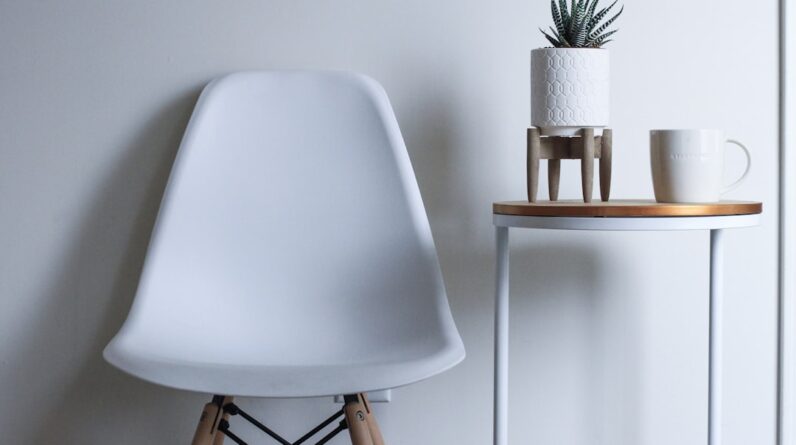
As you step into the world of 21st-century interior design, you find yourself enveloped in a vibrant tapestry of creativity and innovation. This era is marked by a dynamic interplay of styles, materials, and technologies that reflect the complexities of modern life. Gone are the days when interior design was merely about aesthetics; today, it encompasses functionality, sustainability, and emotional well-being.
You may notice that spaces are being crafted not just to please the eye but to enhance the quality of life for those who inhabit them. In this century, the concept of home has evolved significantly. It is no longer just a physical space but a sanctuary that embodies personal identity and lifestyle choices.
As you explore various interiors, you will see how designers are increasingly focused on creating environments that resonate with individual stories and experiences. The 21st century has ushered in a new understanding of space, where every corner is thoughtfully curated to foster comfort, creativity, and connection.
Key Takeaways
- 21st Century interior design is characterized by a focus on functionality, minimalism, and sustainability.
- Influential design movements and styles such as mid-century modern and Scandinavian design continue to inspire contemporary interior design.
- Technological advancements have revolutionized interior design, with the use of virtual reality, 3D printing, and smart home technology becoming increasingly prevalent.
- Sustainable and eco-friendly design practices are gaining momentum, with a focus on using renewable materials and energy-efficient solutions.
- The role of minimalism and maximalism in contemporary interior design is evident in the trend towards clean lines and simplicity, as well as bold, eclectic designs.
Influential Design Movements and Styles
Scandinavian Design: Embracing Simplicity and Nature
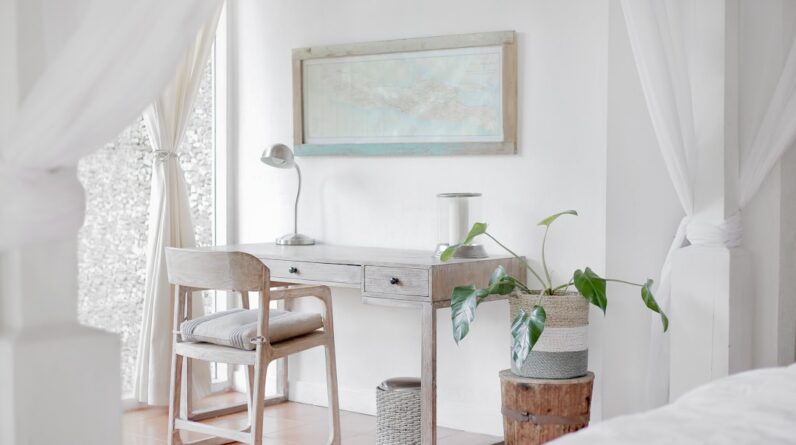
You may find yourself drawn to the organic forms of Scandinavian design, which emphasizes simplicity and functionality while celebrating natural materials. This style resonates with many for its ability to create serene environments that promote well-being.
Industrial Design: Celebrating Urban Authenticity
Another significant movement that has gained traction in recent years is industrial design. Characterized by raw materials, exposed structures, and a utilitarian approach, this style reflects an urban sensibility that appeals to those who appreciate authenticity. As you explore various interiors, you might notice how elements like reclaimed wood, metal fixtures, and open spaces come together to create a sense of history and character.
Fusion of Styles: Curating Unique Spaces
The fusion of these diverse styles allows for a rich tapestry of design possibilities, enabling you to curate spaces that reflect your unique taste.
Technological Advancements in Interior Design

In the 21st century, technology has become an integral part of interior design, transforming how you interact with your living spaces. Smart home technology has revolutionized the way you manage your environment, allowing for seamless integration of lighting, heating, and security systems. Imagine walking into your home and having the lights adjust automatically to your preferred setting or the thermostat regulate itself based on your daily routine.
These advancements not only enhance convenience but also contribute to energy efficiency, making your home more sustainable. Moreover, technology has expanded the tools available to designers, enabling them to visualize and execute their ideas with unprecedented precision. Virtual reality (VR) and augmented reality (AR) have emerged as powerful tools in the design process, allowing you to experience spaces before they are built.
With these technologies, you can walk through a virtual representation of your future home, making adjustments in real-time based on your preferences. This level of interactivity empowers you to make informed decisions about your space, ensuring that it aligns perfectly with your vision.
Sustainable and Eco-Friendly Design Practices
As you navigate through contemporary interior design, you will likely encounter a growing emphasis on sustainability and eco-friendly practices. In an age where environmental concerns are at the forefront of global discourse, designers are increasingly prioritizing materials and methods that minimize ecological impact. You may find yourself drawn to spaces that utilize reclaimed wood, recycled materials, and low-VOC paints, all of which contribute to healthier indoor environments.
Sustainable design goes beyond just materials; it encompasses a holistic approach to creating spaces that harmonize with nature. You might discover biophilic design principles that incorporate natural elements such as plants, water features, and natural light into interiors. These elements not only enhance aesthetic appeal but also promote mental well-being by fostering a connection to the natural world.
As you explore these eco-friendly practices, you will see how they not only benefit the planet but also enrich your living experience.
The Role of Minimalism and Maximalism in Contemporary Interior Design
In the diverse landscape of 21st-century interior design, minimalism and maximalism stand as two contrasting yet equally influential philosophies. Minimalism advocates for simplicity and functionality, encouraging you to declutter your space and focus on essential elements. This approach resonates with many who seek tranquility in their environments, as it promotes a sense of calm through clean lines and neutral palettes.
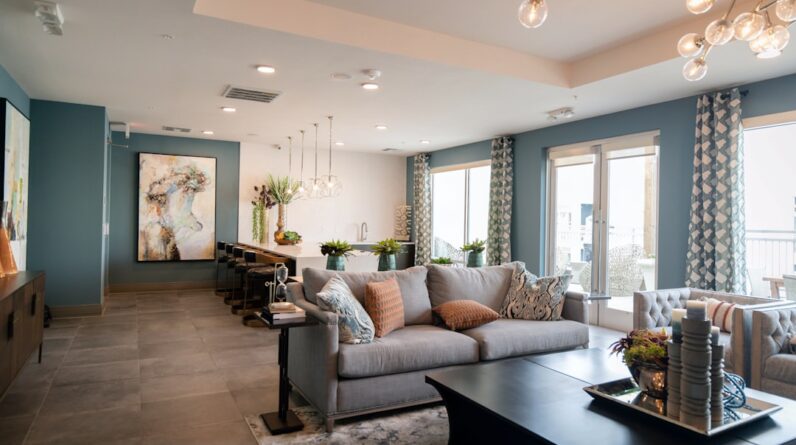
You may find that minimalist spaces allow for greater mindfulness and clarity in your daily life. On the other hand, maximalism celebrates abundance and individuality. It invites you to embrace bold colors, eclectic patterns, and an array of textures that reflect your personality.
In maximalist interiors, every piece tells a story, creating a rich narrative that invites exploration. As you immerse yourself in this vibrant style, you may feel inspired to curate collections of art, textiles, and decor that resonate with your unique experiences. Both minimalism and maximalism offer valuable insights into how you can express yourself through your living spaces.
The Impact of Globalization on Interior Design Trends

Globalization has profoundly influenced interior design trends in the 21st century, creating a melting pot of cultural influences that enrich contemporary aesthetics. As you explore various interiors around the world, you will notice how designers draw inspiration from diverse traditions and practices. This cross-pollination of ideas allows for innovative combinations that celebrate cultural heritage while embracing modern sensibilities.
You may find yourself captivated by the fusion of Eastern and Western design elements, where traditional motifs are reinterpreted through a contemporary lens. For instance, Japanese minimalism may blend seamlessly with Scandinavian functionality to create serene yet practical spaces. This global exchange not only broadens your design horizons but also fosters a deeper appreciation for the stories behind each style.
As you engage with these diverse influences, you will discover how they can inform your own design choices and help create a more inclusive environment.
The Rise of Smart Homes and Integration of Technology
The rise of smart homes represents one of the most significant shifts in interior design in recent years. As technology continues to advance at an unprecedented pace, you may find yourself increasingly reliant on smart devices that enhance your living experience. From voice-activated assistants to automated lighting systems, these innovations offer unparalleled convenience and control over your environment.
Imagine being able to adjust your home’s ambiance with a simple voice command or remotely monitor security systems through your smartphone. This level of integration not only simplifies daily tasks but also allows for greater customization of your space. As you embrace these technological advancements, you may also consider how they can contribute to energy efficiency and sustainability in your home.
The seamless blend of technology and design creates opportunities for innovative solutions that cater to your lifestyle while promoting environmental responsibility.
The Future of Contemporary Interior Design
As you look ahead to the future of contemporary interior design, it becomes clear that innovation will continue to drive change in this dynamic field. The ongoing evolution of technology will likely lead to even more sophisticated smart home solutions that enhance comfort and efficiency. You may envision homes equipped with advanced AI systems capable of learning your preferences and adapting accordingly.
Moreover, as sustainability becomes increasingly paramount in global conversations, designers will continue to prioritize eco-friendly practices that minimize environmental impact. You might anticipate a future where biophilic design principles become standard practice, creating spaces that foster a deeper connection between people and nature. As societal values shift towards wellness and mindfulness, interior design will undoubtedly evolve to reflect these priorities.
In conclusion, the 21st century offers a rich landscape for interior design characterized by diversity, innovation, and sustainability. As you navigate this ever-changing field, you will find endless opportunities to express yourself through thoughtfully curated spaces that resonate with your values and aspirations. Whether you lean towards minimalism or maximalism, embrace technology or prioritize eco-friendliness, the future of interior design is yours to shape.
FAQs
What is contemporary interior design?
Contemporary interior design refers to the current trends and styles in interior design that are popular at a given time. It often incorporates modern and minimalist elements, clean lines, and a focus on functionality and simplicity.
How has contemporary interior design evolved in the 21st century?
In the 21st century, contemporary interior design has evolved to embrace sustainable and eco-friendly materials, open floor plans, and the use of technology in home design. There is also a greater emphasis on creating spaces that promote well-being and mental health.
What are some key characteristics of contemporary interior design in the 21st century?
Some key characteristics of contemporary interior design in the 21st century include the use of neutral color palettes, natural light, sustainable materials, minimalistic furniture, and the integration of technology into home design.
How does contemporary interior design in the 21st century incorporate sustainability?
Contemporary interior design in the 21st century incorporates sustainability by using eco-friendly materials such as reclaimed wood, bamboo, and recycled glass. Designers also focus on energy-efficient lighting and appliances, as well as creating spaces that promote environmental consciousness.
What role does technology play in contemporary interior design in the 21st century?
Technology plays a significant role in contemporary interior design in the 21st century, with the integration of smart home systems, energy-efficient appliances, and the use of virtual reality and 3D modeling for design and visualization purposes. This allows for more efficient and innovative design solutions.