In today’s fast-paced world, the concept of a smart home has transitioned from a futuristic dream to a tangible reality. You may find yourself increasingly drawn to the idea of integrating technology into your living space, allowing for seamless control over various aspects of your home environment. Imagine being able to adjust your thermostat, control your lighting, and even manage your security system all from the convenience of your smartphone or through voice commands.
This level of integration not only enhances your comfort but also contributes to energy efficiency, making it an appealing choice for modern homeowners. As you explore smart home integration, you might discover a plethora of devices designed to work harmoniously together. From smart speakers that can play your favorite music to smart locks that provide keyless entry, the possibilities are endless.
You can create a personalized ecosystem that caters to your lifestyle, whether it’s setting the mood for a cozy movie night or ensuring your home is secure while you’re away. The beauty of smart home technology lies in its adaptability; it can grow and evolve with you, incorporating new devices and features as they become available.
Key Takeaways
- Smart home integration is essential for modern interior design, allowing for seamless control of various home systems.
- Minimalist design emphasizes simplicity and functionality, creating a clean and uncluttered living space.
- Sustainable materials are becoming increasingly popular in interior design, promoting eco-friendly and environmentally conscious choices.
- Multi-functional furniture is a practical solution for small spaces, offering versatility and maximizing functionality.
- Customization and personalization are key trends in interior design, allowing individuals to create unique and personalized living spaces.
Minimalist Design
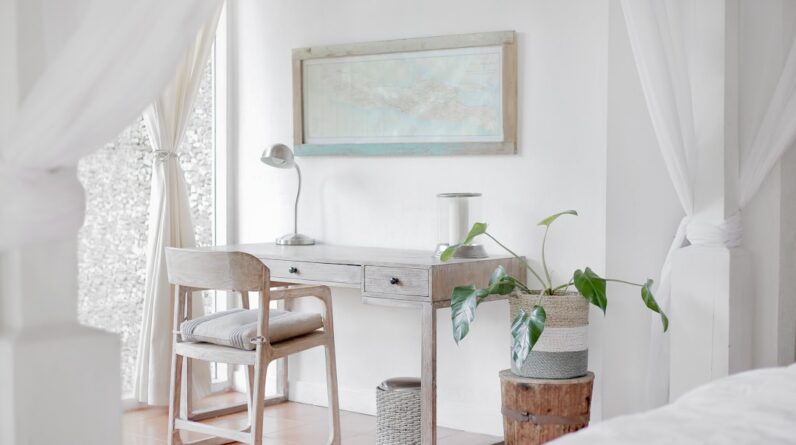
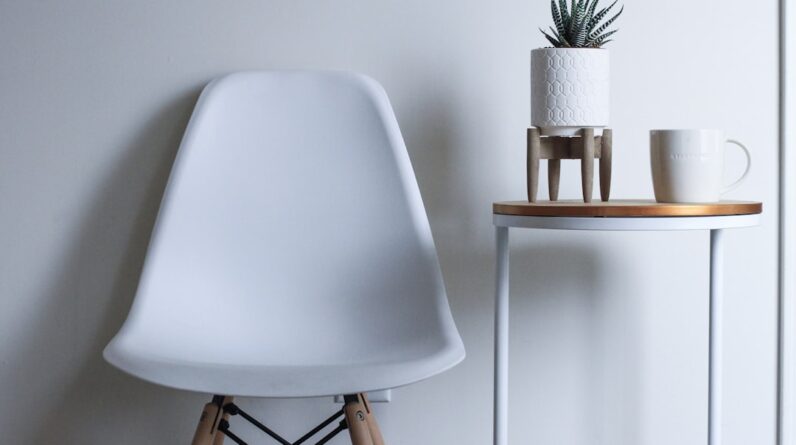
Minimalist design is more than just a trend; it’s a lifestyle choice that emphasizes simplicity and functionality. You may find that embracing minimalism in your home can lead to a more peaceful and organized environment. By decluttering your space and focusing on essential elements, you create a sanctuary that promotes relaxation and mindfulness.
The clean lines and open spaces characteristic of minimalist design can help you feel more at ease, allowing you to focus on what truly matters in your life. Incorporating minimalist design into your home doesn’t mean sacrificing style. Instead, it encourages you to choose high-quality pieces that serve multiple purposes while maintaining an aesthetic appeal.
You might opt for furniture with sleek designs and neutral colors that blend seamlessly into your space. By selecting fewer items but ensuring they are functional and beautiful, you create a cohesive look that reflects your personality without overwhelming your senses. This approach not only enhances the visual appeal of your home but also fosters a sense of clarity and calm.
Sustainable Materials

As environmental awareness continues to grow, the use of sustainable materials in interior design has become increasingly important. You may feel compelled to make choices that reflect your values, opting for materials that are eco-friendly and ethically sourced. From reclaimed wood to bamboo flooring, sustainable materials not only reduce your carbon footprint but also add unique character to your home.
By choosing these options, you contribute to a healthier planet while creating a warm and inviting atmosphere. In addition to being environmentally friendly, sustainable materials often boast durability and longevity. You might find that investing in high-quality, sustainable products pays off in the long run, as they require less maintenance and replacement over time.
Furthermore, many sustainable materials offer aesthetic versatility, allowing you to achieve various design styles while remaining true to your commitment to sustainability. By incorporating these materials into your home, you create a space that is not only beautiful but also aligned with your values.
Multi-functional Furniture
In an era where space is often at a premium, multi-functional furniture has emerged as a practical solution for modern living. You may appreciate the versatility of pieces that serve more than one purpose, allowing you to maximize your available space without sacrificing style or comfort. For instance, a sofa bed can transform your living room into a guest room with ease, while an ottoman with hidden storage can help keep clutter at bay.
This innovative approach to furniture design enables you to create a functional yet stylish environment. As you explore multi-functional furniture options, you might discover an array of creative solutions tailored to your needs. From extendable dining tables that accommodate both intimate dinners and larger gatherings to modular shelving units that can be reconfigured as needed, the possibilities are endless.
By investing in furniture that adapts to your lifestyle, you not only enhance the functionality of your space but also create an environment that evolves with you. This adaptability is particularly valuable in today’s fast-paced world, where flexibility is key.
Customization and Personalization
Your home should be a reflection of who you are, and customization plays a crucial role in achieving that goal. You may find joy in selecting colors, textures, and layouts that resonate with your personal style. Whether it’s choosing paint colors that evoke specific emotions or incorporating unique decor items that tell your story, personalization allows you to create a space that feels distinctly yours.
This process not only enhances the aesthetic appeal of your home but also fosters a deeper emotional connection to your living environment. Incorporating customization into your interior design can take many forms. You might consider working with local artisans to create bespoke furniture pieces or commissioning artwork that speaks to your experiences and interests.
Additionally, technology has made it easier than ever to personalize elements of your home; for instance, smart lighting systems can be programmed to change colors based on your mood or time of day. By embracing customization and personalization, you transform your house into a true home—one that reflects your individuality and enhances your overall well-being.
Enhanced Lighting Solutions

Transforming the Atmosphere
From pendant lights that add character to a dining area to recessed lighting that creates a warm glow in living spaces, the right lighting can dramatically transform the atmosphere of your home.
Achieving a Well-Balanced Effect
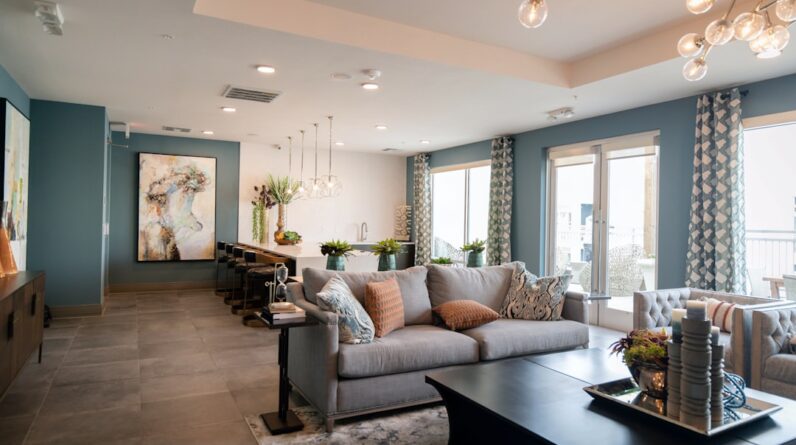
As you explore enhanced lighting options, consider the importance of layering different types of lighting—ambient, task, and accent—to achieve a well-balanced effect. You might choose to incorporate dimmable fixtures that allow you to adjust the brightness based on the time of day or activity at hand. Additionally, smart lighting systems enable you to control the intensity and color of your lights remotely or through voice commands, providing convenience and flexibility.
Creating an Inviting Environment
By investing in thoughtful lighting solutions, you create an inviting environment that enhances both functionality and aesthetics.
Virtual Reality and Augmented Reality in Interior Design
The advent of virtual reality (VR) and augmented reality (AR) has revolutionized the way you approach interior design. These technologies allow you to visualize potential changes in your space before making any commitments, providing an immersive experience that can inform your decisions. Imagine being able to walk through a virtual representation of your redesigned living room or overlaying new furniture options onto your existing space using AR applications on your smartphone.
This level of interactivity empowers you to make informed choices about layout, color schemes, and decor. As you delve into the world of VR and AR in interior design, you may find it enhances not only the planning process but also the overall experience of creating your ideal space. These technologies can help you experiment with different styles and configurations without the risk of costly mistakes.
Furthermore, they offer an engaging way to collaborate with designers or family members by sharing visualizations and ideas in real-time. By embracing VR and AR tools, you unlock new possibilities for creativity and innovation in designing your home.
Technology-driven Art and Decor
Art and decor have always been integral components of interior design, but technology-driven innovations are reshaping how you experience these elements in your home. You may be intrigued by digital art displays that allow you to showcase a rotating collection of artwork without taking up physical space. These displays can be programmed to change based on your mood or the season, providing endless opportunities for personalization and creativity.
Moreover, technology-driven decor extends beyond digital art; it encompasses interactive installations and smart decor items that respond to their environment. For instance, you might explore wall-mounted speakers that blend seamlessly into your decor while delivering high-quality sound or LED art pieces that change colors based on ambient light levels. By incorporating technology-driven art and decor into your home, you create a dynamic environment that reflects contemporary trends while enhancing the overall aesthetic appeal of your space.
In conclusion, as you navigate the evolving landscape of interior design, consider how these trends—smart home integration, minimalist design, sustainable materials, multi-functional furniture, customization and personalization, enhanced lighting solutions, virtual reality and augmented reality applications, and technology-driven art—can transform your living space into a haven that reflects both style and functionality. Embracing these elements allows you to create a home that not only meets your practical needs but also resonates with your personal values and aesthetic preferences.
FAQs
What is the impact of technology on contemporary home interiors?
Technology has significantly impacted contemporary home interiors by introducing smart home devices, energy-efficient appliances, and innovative materials for construction and design.
How has technology changed the way we design and decorate our homes?
Technology has provided new tools and software for interior designers and homeowners to visualize and plan their spaces. It has also led to the development of new materials and finishes that offer more options for creativity and customization.
What are some examples of technology-driven features in contemporary home interiors?
Examples of technology-driven features in contemporary home interiors include smart lighting systems, automated window treatments, voice-controlled assistants, energy monitoring devices, and integrated home entertainment systems.
How has technology improved the functionality of home interiors?
Technology has improved the functionality of home interiors by introducing smart appliances that offer convenience and efficiency, as well as by providing solutions for better organization and storage through innovative design and space-saving furniture.
What are the environmental benefits of technology in contemporary home interiors?
Technology has led to the development of energy-efficient appliances, sustainable building materials, and smart home systems that help reduce energy consumption and promote environmental sustainability in contemporary home interiors.