Color is not merely a visual phenomenon; it is a powerful psychological tool that can evoke emotions, influence moods, and even affect behavior. The psychology of color delves into how different hues can elicit specific feelings and reactions from individuals. For instance, warm colors like red and orange are often associated with energy, passion, and excitement, while cooler tones such as blue and green tend to promote calmness and tranquility.
This understanding of color psychology is crucial when selecting palettes for interior spaces, as the right colors can transform an environment from mundane to inspiring. A well-chosen color scheme can create a sense of harmony or tension, depending on the desired atmosphere, making it essential for homeowners and designers alike to consider the emotional impact of their choices. Moreover, cultural context plays a significant role in how colors are perceived.
For example, while white is often associated with purity and peace in Western cultures, it can symbolize mourning in some Eastern traditions. This cultural nuance adds another layer of complexity to the psychology of color, as it highlights the importance of understanding the audience for whom the space is being designed. When creating a living space, one must consider not only personal preferences but also the broader implications of color choices.
By thoughtfully integrating color psychology into design decisions, individuals can craft environments that resonate on a deeper emotional level, fostering connections and enhancing overall well-being.
Key Takeaways
- Color psychology plays a significant role in influencing emotions and moods in a space
- Different paint finishes such as matte, eggshell, satin, and gloss are suitable for different spaces based on their functionality and lighting
- Faux finishes and textures like sponge painting, rag rolling, and stippling can add depth and character to walls
- Accent walls can create visual interest and drama in a room by using bold colors or textures
- Geometric patterns and designs can add a modern and dynamic touch to a space
- Stencils offer a customizable way to add unique patterns and designs to walls
- Murals and wall art can serve as statement pieces and focal points in a room, adding personality and style
Choosing the Right Paint Finishes for Different Spaces
Understanding Paint Finishes
Choosing the right paint finish is just as crucial as selecting the perfect color when it comes to interior design. Paint finishes vary from flat to high-gloss, each offering distinct characteristics that can significantly impact the look and feel of a room. Flat finishes are ideal for ceilings and low-traffic areas, as they provide a smooth, non-reflective surface that helps hide imperfections.
Practical Considerations for Paint Finishes
However, flat finishes are less durable and more challenging to clean, making them unsuitable for spaces that require frequent maintenance. On the other hand, satin and eggshell finishes strike a balance between aesthetics and practicality, offering a soft sheen that enhances color depth while remaining relatively easy to clean. These finishes are perfect for living rooms and bedrooms where a touch of elegance is desired without sacrificing functionality.
High-Gloss Finishes for Specific Spaces
In contrast, high-gloss finishes are best reserved for trim, moldings, and cabinetry due to their reflective quality and durability. These finishes can create a striking visual contrast against matte walls, adding dimension and interest to a space. Additionally, high-gloss paint is highly resistant to stains and moisture, making it an excellent choice for kitchens and bathrooms where spills are common.
Creating Cohesive Spaces with Paint Finishes
When selecting paint finishes, it is essential to consider not only the aesthetic appeal but also the practical implications of each option. By thoughtfully pairing colors with appropriate finishes, homeowners can create cohesive and functional spaces that reflect their personal style while meeting the demands of everyday life.
Creating Faux Finishes and Textures

Faux finishes and textures offer an exciting opportunity to elevate interior spaces beyond traditional paint applications. These techniques allow homeowners to mimic the appearance of more expensive materials such as marble, wood, or stone without the associated costs. For instance, a faux marble finish can transform an ordinary wall into a luxurious focal point that exudes sophistication.
Techniques such as sponging, rag rolling, or stippling can be employed to create depth and dimension, resulting in a visually captivating surface that draws the eye. The beauty of faux finishes lies in their versatility; they can be adapted to suit various design styles, from rustic charm to modern elegance. Moreover, incorporating texture into a space can enhance its tactile quality, making it feel more inviting and dynamic.
Textured walls can add warmth and character to otherwise flat surfaces, creating an engaging visual experience. Techniques such as plastering or using textured paint can introduce subtle variations that catch light differently throughout the day, adding an element of surprise to the environment. Additionally, faux finishes can be used strategically to highlight architectural features or create visual separation between different areas within an open-concept layout.
By embracing the art of faux finishing, homeowners can unleash their creativity and transform their spaces into unique expressions of personal style.
Using Accent Walls to Add Drama
| Accent Wall Color | Effect |
|---|---|
| Dark and Bold | Creates a dramatic and moody atmosphere |
| Bright and Vibrant | Adds energy and visual interest to the room |
| Neutral with Texture | Provides a subtle yet sophisticated focal point |
Accent walls have become a popular design trend for good reason; they offer an effective way to introduce bold colors or patterns into a space without overwhelming it. By selecting one wall to serve as a focal point, homeowners can create visual interest and depth within a room. This technique allows for experimentation with vibrant hues or intricate designs that might be too intense if applied throughout an entire space.
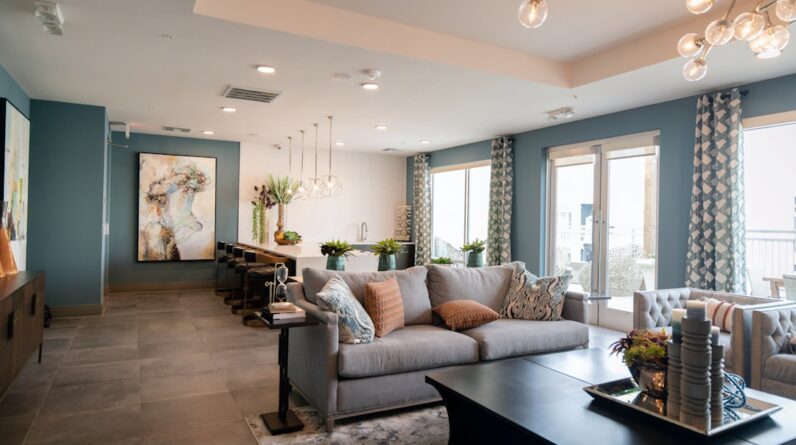
For example, a deep navy blue accent wall in a light-filled living room can evoke a sense of coziness while still maintaining an airy feel. The contrast between the accent wall and surrounding walls creates a dynamic interplay that draws attention and enhances the overall aesthetic. In addition to color, accent walls can also incorporate various materials or textures to further elevate their impact.
Wood paneling, wallpaper with bold patterns, or even fabric-covered walls can transform an ordinary room into a stunning showcase of design creativity. The key to successfully implementing an accent wall lies in ensuring that it complements the overall color scheme and style of the space. By carefully considering factors such as furniture placement and lighting, homeowners can create a harmonious balance that allows the accent wall to shine without feeling disjointed.
Ultimately, accent walls serve as an opportunity for self-expression, allowing individuals to infuse their personality into their living spaces while adding an element of drama.
Incorporating Geometric Patterns and Designs
Geometric patterns have made a significant resurgence in interior design, offering a modern twist on traditional aesthetics. These designs can range from simple shapes like triangles and squares to more intricate motifs that create visual intrigue. Incorporating geometric patterns into a space can add depth and movement, transforming flat surfaces into dynamic canvases that capture attention.
Whether through wallpaper, stencils, or painted designs directly on walls, geometric patterns provide endless possibilities for creativity. For instance, a series of interlocking hexagons painted in varying shades can create an eye-catching feature wall that serves as both art and architecture. Furthermore, geometric designs can be utilized in various ways throughout a home to establish cohesion across different spaces.
By repeating similar patterns in textiles or decor items—such as throw pillows or rugs—homeowners can create a unified look that ties together disparate elements within their interiors. The versatility of geometric patterns allows them to be adapted to suit various styles; they can evoke a sense of playfulness in children’s rooms or convey sophistication in more formal settings. Ultimately, incorporating geometric patterns into interior design not only enhances visual appeal but also invites exploration and engagement within the space.
Utilizing Stencils for Customized Looks

Endless Opportunities for Creativity
From delicate floral designs to bold graphic shapes, stenciling offers endless opportunities for creativity. By applying stencils strategically on walls or furniture pieces, one can achieve stunning results that elevate the overall aesthetic of a room. Moreover, stenciling provides an affordable alternative to wallpaper or custom artwork while still delivering impactful results.
Flexibility in Design Choices
It allows for greater flexibility in design choices; if one grows tired of a particular pattern or color scheme, stenciled designs can be easily painted over or modified without significant expense or effort. This adaptability makes stenciling an appealing option for those who enjoy changing their decor frequently or want to experiment with new trends without committing long-term.
Infusing Personality and Flair into Interior Spaces
By embracing stencils as part of their design toolkit, homeowners can infuse their spaces with personality and flair while enjoying the satisfaction of creating something truly unique.
Incorporating Murals and Wall Art for a Statement Piece
Murals and wall art serve as powerful statement pieces that can dramatically transform any interior space. Unlike traditional paintings or prints that may feel confined within frames, murals offer expansive opportunities for creativity by turning entire walls into canvases for artistic expression. Whether depicting serene landscapes, abstract designs, or whimsical scenes, murals have the ability to evoke emotions and set the tone for a room.
They invite viewers into a narrative that transcends mere decoration; instead, they become integral components of the overall design scheme that engage the senses and spark imagination. In addition to murals, incorporating wall art—such as large-scale photographs or mixed-media installations—can further enhance the visual impact of a space. These pieces serve not only as focal points but also as reflections of personal style and interests.
When selecting wall art or planning mural designs, it is essential to consider factors such as scale, color palette, and placement within the room. A well-placed mural or piece of art can draw attention while harmonizing with existing decor elements. Ultimately, murals and wall art provide an opportunity for self-expression within interior design; they allow individuals to curate environments that resonate with their identities while creating lasting impressions on all who enter their homes.
FAQs
What is interior paint design?
Interior paint design refers to the process of choosing and applying paint colors and techniques to the walls and surfaces inside a building to enhance its aesthetic appeal and create a desired atmosphere.
What are some popular interior paint design techniques?
Some popular interior paint design techniques include color blocking, ombre, stenciling, faux finishes, and accent walls. These techniques can add depth, texture, and visual interest to a space.
How do I choose the right paint colors for my interior design?
When choosing paint colors for your interior design, consider the mood you want to create, the natural light in the space, and the existing furnishings and decor. It’s also important to test paint samples in the actual space to see how they look in different lighting conditions.
What are some current trends in interior paint design?
Current trends in interior paint design include the use of bold and moody colors, earthy and natural tones, and the incorporation of textured finishes such as matte and chalk paints. Additionally, there is a growing interest in sustainable and eco-friendly paint options.
How can I maintain the quality of my interior paint design?
To maintain the quality of your interior paint design, it’s important to clean walls regularly to remove dust and dirt, avoid using harsh cleaning agents that can damage the paint, and touch up any scuffs or marks as soon as they appear. Additionally, using high-quality paint and proper application techniques can help prolong the life of your interior paint design.