


Transitional interior design is a harmonious blend of traditional and contemporary styles, creating a balanced aesthetic that appeals to a wide range of tastes. This design approach allows you to enjoy the elegance of classic elements while embracing the clean lines and simplicity of modern design. As you explore transitional design, you’ll find that it offers a versatile framework that can be tailored to your personal preferences, making it an ideal choice for many homeowners.
In essence, transitional design is about creating a space that feels both timeless and current. It emphasizes comfort and functionality without sacrificing style. By merging the best aspects of both traditional and modern design, you can achieve a look that is sophisticated yet approachable.
This style is particularly appealing in today’s fast-paced world, where many seek a sanctuary that reflects their individuality while remaining inviting and practical.
Key Takeaways
- Transitional interior design combines traditional and contemporary elements for a timeless and sophisticated look.
- Characteristics of transitional design include clean lines, neutral colors, and a mix of textures and materials.
- Incorporate transitional design in your Frisco, TX home by blending old and new pieces, using neutral color palettes, and adding in pops of color and pattern.
- The benefits of transitional interior design include creating a versatile and timeless space that can easily be updated over time.
- Finding the right balance in transitional design involves mixing traditional and modern elements in a way that feels cohesive and harmonious.
The Characteristics of Transitional Interior Design
One of the defining characteristics of transitional interior design is its focus on balance. You’ll notice that this style often features a mix of soft curves and sharp lines, creating visual interest without overwhelming the senses. Furniture pieces may have traditional silhouettes but are upholstered in modern fabrics, allowing for a seamless integration of styles.
This careful curation of elements ensures that your space feels cohesive and thoughtfully designed. Another hallmark of transitional design is its neutral color palette, which serves as a backdrop for more vibrant accents. You might find shades of beige, gray, and white dominating the walls and larger furniture pieces, while pops of color are introduced through accessories like cushions, artwork, or decorative items.
This approach not only enhances the overall aesthetic but also allows for easy updates as trends change or your personal style evolves.
How to Incorporate Transitional Design in Your Frisco, TX Home
Incorporating transitional design into your Frisco home can be an exciting journey. Start by assessing your existing space and identifying elements that can be retained or updated. You may want to keep some traditional furniture pieces that hold sentimental value while introducing modern accents to create a fresh look.
For instance, consider pairing a classic wooden dining table with sleek, contemporary chairs to achieve that perfect balance. When selecting new furnishings or decor, focus on pieces that embody the transitional ethos. Look for items that combine traditional craftsmanship with modern materials or finishes.
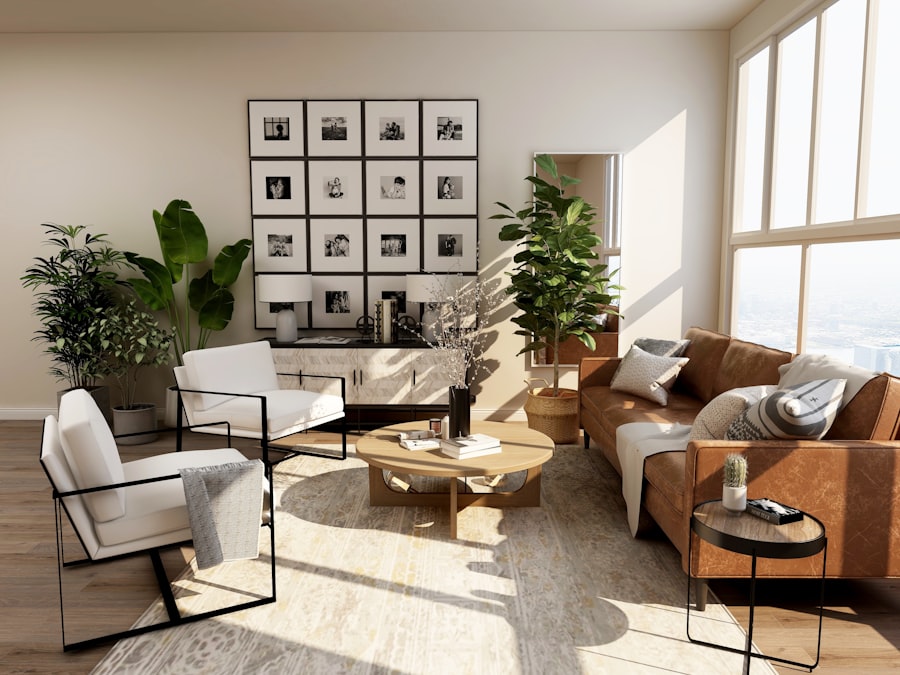
For example, a plush sofa with clean lines can serve as a focal point in your living room while still feeling inviting and comfortable. Additionally, don’t shy away from mixing textures; combining wood, metal, and fabric can add depth and interest to your space.
The Benefits of Transitional Interior Design
One of the primary benefits of transitional interior design is its versatility. This style can easily adapt to various spaces and personal preferences, making it suitable for any homeowner in Frisco. Whether you prefer a more minimalist approach or enjoy layering textures and colors, transitional design allows you to express your unique style while maintaining a cohesive look throughout your home.
Another advantage is the timeless quality of transitional design. By blending traditional and contemporary elements, you create a space that won’t feel dated as trends shift over time. This longevity means you can invest in quality pieces that will stand the test of time, ultimately saving you money in the long run.
Furthermore, the inviting nature of transitional design makes it an excellent choice for entertaining guests or simply enjoying quiet moments at home.
Finding the Right Balance in Transitional Design
Achieving the right balance in transitional design requires careful consideration of both traditional and modern elements. You’ll want to ensure that neither style overpowers the other; instead, they should complement one another to create a harmonious environment. Start by selecting a few key pieces from each style and then build around them to maintain equilibrium.
To find this balance, consider the scale and proportion of your furnishings. For instance, if you have a large, ornate coffee table, pair it with sleek, low-profile seating to create contrast without overwhelming the space. Additionally, pay attention to color and texture; using similar tones across different styles can help unify the overall look while still allowing for individual expression.
Tips for Choosing Furniture and Decor for Transitional Design
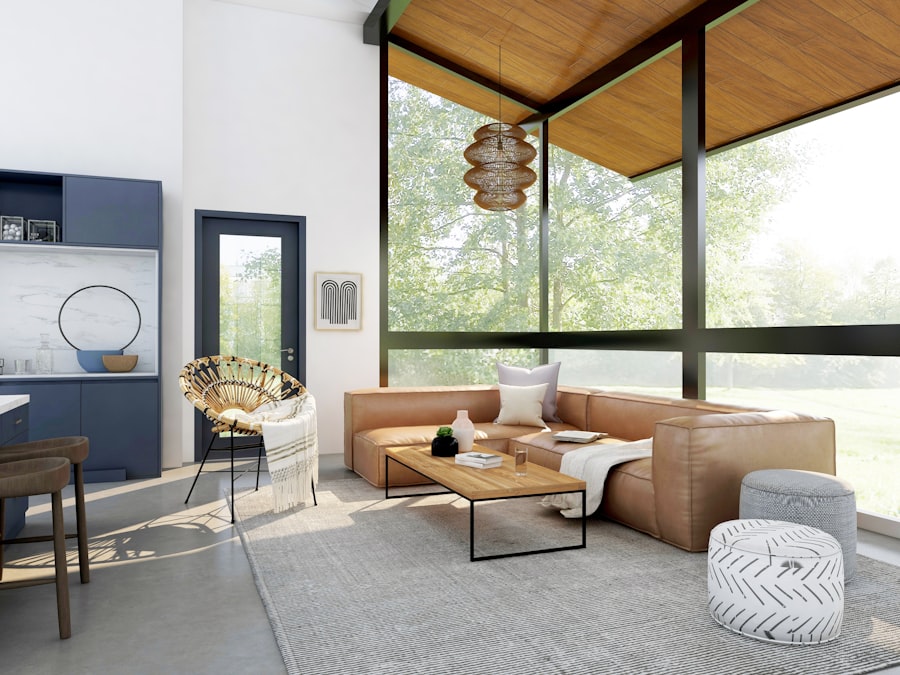
When selecting furniture and decor for your transitional space, prioritize quality over quantity. Invest in well-crafted pieces that will endure both in terms of style and durability. Look for furniture that features clean lines but incorporates traditional materials or finishes, such as a modern sofa upholstered in rich leather or a contemporary coffee table made from reclaimed wood.
Accessorizing your space is equally important in achieving a transitional look. Choose decor items that reflect both styles; for example, consider artwork that combines classic themes with modern techniques or decorative pillows that feature geometric patterns alongside more traditional motifs. By thoughtfully curating your furnishings and accessories, you can create a cohesive environment that feels both stylish and inviting.
Working with a Professional Designer for Transitional Interior Design
If you’re feeling overwhelmed by the prospect of designing your space, consider enlisting the help of a professional designer who specializes in transitional interior design. A skilled designer can help you navigate the myriad choices available while ensuring that your vision comes to life in a cohesive manner. They will work closely with you to understand your preferences and lifestyle needs, ultimately creating a space that reflects your personality.
Collaborating with a designer also allows you to tap into their expertise regarding materials, color schemes, and layout options. They can provide valuable insights on how to achieve balance within your space while avoiding common pitfalls associated with mixing styles. With their guidance, you’ll be able to create an environment that feels both polished and personalized.
Incorporating Color Schemes in Transitional Design
Color plays a crucial role in transitional interior design, serving as the foundation upon which other elements are built. A neutral color palette is often favored for its versatility and ability to create a calming atmosphere. However, this doesn’t mean you have to shy away from color altogether; instead, think of neutrals as a canvas upon which you can layer bolder hues through accessories or accent pieces.
When choosing colors for your transitional space, consider how they interact with one another. You might opt for soft grays paired with warm beige tones or introduce deeper shades like navy or emerald green as accent colors. The key is to maintain harmony throughout the space while allowing for personal expression through carefully selected pops of color.
Creating a Cozy and Inviting Atmosphere with Transitional Design
One of the most appealing aspects of transitional interior design is its ability to create a cozy and inviting atmosphere. To achieve this warmth, focus on layering textures and incorporating comfortable furnishings throughout your space. Soft textiles like plush rugs, throw blankets, and decorative pillows can instantly make a room feel more welcoming.
Additionally, consider the layout of your space; arranging furniture in a way that encourages conversation and connection can enhance the overall ambiance. Create intimate seating areas where family and friends can gather comfortably while still allowing for open flow throughout the room. By prioritizing comfort alongside style, you’ll cultivate an environment that feels both stylish and inviting.
The Role of Textures and Materials in Transitional Interior Design
Textures and materials are essential components of transitional interior design, adding depth and interest to your space. When selecting furnishings and decor, aim for a mix of materials that reflect both traditional craftsmanship and modern sensibilities. For instance, pairing sleek metal accents with warm wood tones can create an engaging contrast that enhances the overall aesthetic.
Incorporating various textures is equally important; consider using soft fabrics like velvet or linen alongside harder surfaces like glass or metal. This interplay between different materials not only adds visual interest but also creates a tactile experience that invites touch and interaction within your home.
Real Life Examples of Transitional Interior Design in Frisco, TX
In Frisco, TX, many homes beautifully exemplify transitional interior design principles. You might find stunning examples in local neighborhoods where homeowners have skillfully blended traditional architectural features with contemporary furnishings. For instance, a classic brick exterior may be complemented by modern landscaping elements and sleek outdoor furniture, creating an inviting first impression.
Inside these homes, you’ll often see spacious living areas adorned with neutral color palettes accented by vibrant artwork or decorative accessories. The use of comfortable yet stylish furniture invites relaxation while maintaining an air of sophistication. By observing these real-life examples around Frisco, you can gain inspiration for incorporating transitional design into your own home while appreciating how this style enhances everyday living experiences.
In conclusion, transitional interior design offers an appealing blend of traditional elegance and modern simplicity that resonates with many homeowners today. By understanding its characteristics and benefits, you can create a harmonious environment in your Frisco home that reflects your unique style while remaining inviting and functional.
FAQs
What is transitional interior design?
Transitional interior design is a blend of traditional and contemporary styles, combining elements from both to create a balanced and harmonious space.
What are the key characteristics of transitional interior design?
Key characteristics of transitional interior design include a mix of straight and curved lines, neutral color palettes, and a focus on comfort and functionality.
How can transitional interior design be incorporated into a home in Frisco, TX?
Transitional interior design can be incorporated into a home in Frisco, TX by using a combination of modern and traditional furniture, incorporating natural materials, and creating a sense of warmth and comfort in the space.
What are some popular elements of transitional interior design?
Popular elements of transitional interior design include comfortable and inviting furniture, neutral color schemes, and a mix of textures and patterns.
What are some tips for achieving a transitional interior design style in Frisco, TX?
Some tips for achieving a transitional interior design style in Frisco, TX include incorporating a mix of modern and traditional furniture, using neutral color palettes, and adding in natural elements such as wood and stone.


