


In recent years, the concept of smart homes has transitioned from a futuristic dream to a tangible reality that many homeowners are embracing. You may have noticed how technology has infiltrated every aspect of our lives, and the home is no exception. Smart homes are equipped with devices that can be controlled remotely, allowing you to manage everything from lighting and heating to security systems and appliances with just a few taps on your smartphone.
This rise in smart home technology is not merely about convenience; it represents a significant shift in how you interact with your living space, making it more responsive to your needs and preferences. As you explore the world of intelligent interior solutions, you will find that these innovations are designed to enhance your lifestyle. Smart thermostats learn your heating and cooling preferences, while smart lighting systems can adjust based on the time of day or your mood.
The integration of these technologies into your home environment creates a seamless experience that prioritizes comfort and efficiency. With the increasing availability of smart devices, you can transform your living space into a personalized sanctuary that caters to your unique lifestyle.
Key Takeaways
- Smart homes and intelligent interior solutions are on the rise, offering convenience and efficiency for homeowners.
- Integrating technology and design in the home allows for seamless and intuitive user experiences.
- Creating sustainable and eco-friendly interior solutions is essential for reducing environmental impact and promoting a healthier living environment.
- Artificial intelligence plays a significant role in home design, offering personalized and automated solutions for homeowners.
- Smart home features enhance comfort and convenience, making daily tasks easier and more enjoyable for residents.
Integrating Technology and Design in the Home
The integration of technology and design in the home is a delicate balance that requires careful consideration. As you think about your living space, it’s essential to recognize that technology should enhance, rather than detract from, the aesthetic appeal of your home. Designers are now faced with the challenge of incorporating smart devices in a way that complements the overall design scheme.
This means selecting devices that not only function well but also blend seamlessly with your decor. When you consider the design elements of your home, think about how technology can be integrated without compromising style. For instance, smart speakers can be disguised as decorative objects, and smart thermostats can be chosen in colors that match your walls.
By prioritizing both form and function, you can create an environment that feels cohesive and inviting. The goal is to ensure that technology enhances your living experience while maintaining the beauty and integrity of your home’s design.
Creating Sustainable and Eco-Friendly Interior Solutions
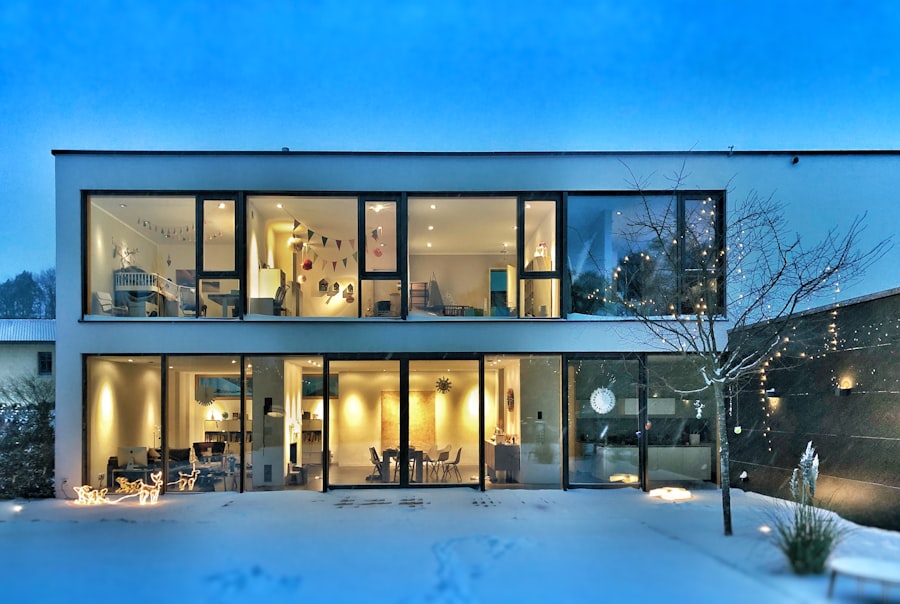
As you become more aware of environmental issues, the demand for sustainable and eco-friendly interior solutions has grown significantly. You may find yourself seeking ways to reduce your carbon footprint while still enjoying the benefits of modern living. Sustainable design focuses on using materials and practices that minimize environmental impact, which can be achieved through thoughtful choices in your home.
Incorporating eco-friendly materials into your interior design is one way to create a sustainable living space. You might consider using reclaimed wood for furniture or choosing low-VOC paints to improve indoor air quality. Additionally, energy-efficient appliances and smart home technology can help you monitor and reduce energy consumption.
By making conscious decisions about the materials and technologies you use, you can create a home that not only looks good but also contributes positively to the environment.
The Role of Artificial Intelligence in Home Design
Artificial intelligence (AI) is revolutionizing various industries, and home design is no exception. As you delve into the world of smart homes, you will discover how AI can enhance your living experience by providing personalized solutions tailored to your preferences. AI algorithms can analyze your habits and routines, allowing for a more intuitive interaction with your home environment.
Imagine coming home after a long day to find that your smart home has already adjusted the lighting to your preferred setting and started playing your favorite music. This level of personalization is made possible through AI, which learns from your behaviors over time. Furthermore, AI can assist in optimizing energy usage by suggesting adjustments based on real-time data, ultimately leading to cost savings on utility bills.
As you embrace these advancements, you will find that AI not only simplifies daily tasks but also enriches your overall quality of life.
Enhancing Comfort and Convenience with Smart Home Features
Comfort and convenience are at the forefront of smart home technology, making it easier for you to manage daily tasks and create a relaxing environment. With features like automated lighting, temperature control, and voice-activated assistants, you can tailor your home to suit your lifestyle effortlessly. Imagine waking up in the morning to soft lighting that gradually brightens as your favorite music plays softly in the background—this is the kind of comfort that smart home features can provide.
Moreover, smart home technology allows for greater convenience when it comes to security and monitoring. You can easily check on your home while you’re away through security cameras or receive alerts if unusual activity is detected. This peace of mind is invaluable, especially for those who travel frequently or have busy schedules.
By integrating these features into your home, you create an environment that prioritizes both comfort and security, allowing you to focus on what truly matters.
Designing for Accessibility and Universal Design in Smart Homes

As you consider the future of home design, it’s crucial to prioritize accessibility and universal design principles. Smart homes have the potential to cater to individuals with varying needs, ensuring that everyone can enjoy a comfortable living environment. By incorporating features such as voice-activated controls, adjustable countertops, and wide doorways, you can create a space that is welcoming for all.
Universal design goes beyond mere accessibility; it aims to create spaces that are functional for everyone, regardless of age or ability. As you plan your smart home, think about how technology can assist those with mobility challenges or sensory impairments. For instance, smart lighting systems can be programmed to provide adequate illumination for individuals with visual impairments, while automated doors can make entry easier for those using wheelchairs.
By embracing universal design principles, you contribute to a more inclusive society where everyone can thrive.
Balancing Aesthetics and Functionality in Intelligent Interior Solutions
Finding the right balance between aesthetics and functionality is essential when designing intelligent interior solutions for your home. You want a space that not only looks beautiful but also serves its purpose effectively. This balance requires thoughtful planning and consideration of how each element contributes to both form and function.
As you curate your living space, consider how smart devices can enhance the overall aesthetic without overwhelming it. For example, sleek smart appliances can add a modern touch to your kitchen while providing essential functionality. Additionally, choosing furniture that incorporates hidden storage solutions can help maintain a clean and organized appearance while maximizing usability.
By focusing on this balance, you create an environment that feels harmonious and purposeful.
The Future of Smart Home Design: Trends and Innovations
Looking ahead, the future of smart home design is filled with exciting trends and innovations that promise to reshape how we live. As technology continues to evolve, you can expect even more sophisticated solutions that enhance comfort, efficiency, and sustainability in your home. One emerging trend is the increased integration of IoT (Internet of Things) devices that communicate seamlessly with one another, creating a truly interconnected living experience.
Additionally, advancements in renewable energy technologies are likely to play a significant role in future smart homes. You may find yourself utilizing solar panels combined with smart energy management systems that optimize energy usage based on real-time data. This not only reduces reliance on traditional energy sources but also contributes to a more sustainable lifestyle.
As these trends continue to develop, you will have the opportunity to create a living space that reflects both modern aesthetics and forward-thinking principles. In conclusion, the rise of smart homes and intelligent interior solutions represents a transformative shift in how we interact with our living spaces. By integrating technology with thoughtful design, creating sustainable solutions, and prioritizing accessibility, you can craft an environment that enhances comfort and convenience while remaining aesthetically pleasing.
As you look toward the future, embracing trends and innovations will allow you to stay ahead in creating a truly intelligent home tailored to your unique lifestyle.
FAQs
What are smart homes and intelligent interior solutions?
Smart homes are residences that use internet-connected devices to enable the remote monitoring and management of appliances and systems, such as lighting and heating. Intelligent interior solutions refer to the use of technology and design to create efficient and innovative living spaces.
What are the benefits of designing smart homes and intelligent interior solutions?
Designing smart homes and intelligent interior solutions can lead to increased energy efficiency, improved convenience and comfort, enhanced security, and better overall quality of life for residents.
What are some examples of smart home devices and technologies?
Examples of smart home devices and technologies include smart thermostats, automated lighting systems, voice-controlled assistants, security cameras, and smart appliances such as refrigerators and ovens.
How can intelligent interior solutions improve living spaces?
Intelligent interior solutions can improve living spaces by maximizing functionality and efficiency, optimizing space utilization, integrating technology seamlessly into the design, and creating a more comfortable and enjoyable environment for residents.
What are some considerations when designing for the future with smart homes and intelligent interior solutions?
Considerations when designing for the future with smart homes and intelligent interior solutions include the integration of sustainable and eco-friendly materials, the flexibility to accommodate future technological advancements, and the prioritization of user experience and accessibility.


