When you delve into the world of Zen design, you embark on a journey that emphasizes simplicity, tranquility, and a deep connection to nature. At its core, Zen design is about creating spaces that foster peace and mindfulness. This approach encourages you to strip away the unnecessary, allowing the essential elements of your environment to shine through.
By embracing this philosophy, you can cultivate a sanctuary that not only looks beautiful but also promotes a sense of calm and well-being. To truly grasp the principles of Zen design, you must first appreciate the importance of balance and harmony. Every element in your space should work together to create a cohesive atmosphere.
This means considering not just the aesthetics but also how each piece contributes to your overall sense of peace. You might find that incorporating asymmetry, which is often celebrated in Zen design, can lead to a more organic and relaxed feel. By understanding these principles, you can begin to transform your living space into a haven of tranquility.
Key Takeaways
- Zen design principles focus on simplicity, minimalism, and creating a sense of tranquility in a space.
- Choosing calming color palettes such as soft neutrals, pastels, and earthy tones can help create a peaceful atmosphere.
- Incorporating natural elements like wood, stone, and plants can bring a sense of harmony and connection to the outdoors.
- Simplifying and decluttering the space is essential in Zen design to create a clean and serene environment.
- Utilizing soft and soothing lighting, such as natural light, candles, and soft lamps, can help create a calming ambiance.
Choosing a calming color palette
Calming Colors Inspired by Nature
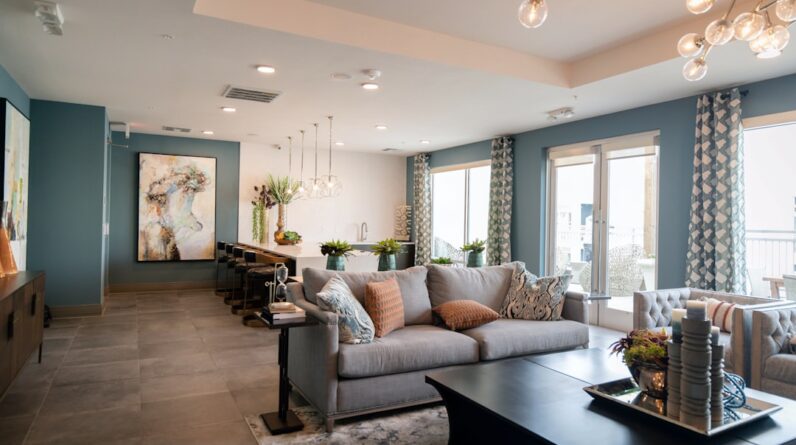
Shades of blue, green, and earth tones are particularly effective in promoting relaxation. These colors can remind you of nature, helping to create a soothing environment that encourages mindfulness and reflection.
Balance and Proportion
As you explore different hues, think about how they make you feel and how they can enhance the overall ambiance of your space. In addition to selecting calming colors, it’s essential to consider the balance and proportion of these shades throughout your environment. You might opt for a dominant neutral base, such as soft whites or light grays, and then introduce accent colors in smaller doses.
Creating a Harmonious Space
This approach allows you to maintain a sense of tranquility while adding visual interest. Remember that the goal is to create a harmonious space where each color complements the others, fostering an atmosphere that invites relaxation and peace.
Incorporating natural elements

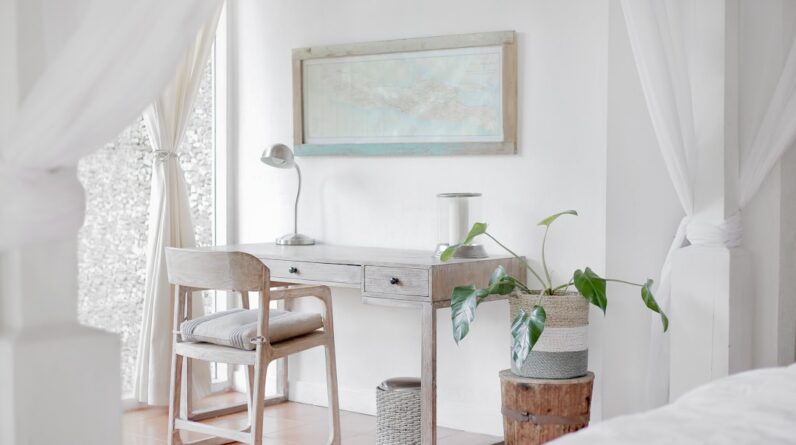
Bringing natural elements into your space is a fundamental aspect of Zen design. Nature has an innate ability to soothe and ground us, making it an essential component of any calming environment. You can start by introducing plants into your home; they not only purify the air but also add life and vibrancy to your surroundings.
Consider low-maintenance options like succulents or snake plants if you’re new to gardening. The presence of greenery can significantly enhance your mood and create a more inviting atmosphere. In addition to plants, think about incorporating natural materials into your decor.
Wood, stone, and bamboo are excellent choices that can add warmth and texture to your space. You might choose wooden furniture or stone accents that reflect the beauty of the natural world. By integrating these elements, you create a tactile experience that connects you to the earth and promotes a sense of calm.
The goal is to create an environment that feels organic and harmonious, allowing you to unwind and recharge.
Simplifying and decluttering the space
One of the most effective ways to achieve a Zen-inspired environment is by simplifying and decluttering your space. Clutter can be overwhelming and distracting, making it difficult for you to relax and focus. Start by assessing each area of your home and identifying items that no longer serve a purpose or bring you joy.
This process can be liberating, as it allows you to let go of the excess and create a more serene atmosphere. As you declutter, consider adopting a minimalist mindset. This doesn’t mean stripping your space bare but rather being intentional about what you keep.
Each item should have meaning or functionality in your life. By curating your belongings with care, you can create an environment that feels open and inviting. A simplified space not only looks aesthetically pleasing but also promotes mental clarity, allowing you to fully embrace the principles of Zen design.
Utilizing soft and soothing lighting
Lighting plays a crucial role in setting the mood of any space, especially when it comes to creating a calming environment. Harsh overhead lights can be jarring and disruptive, while soft, diffused lighting can envelop you in warmth and tranquility. Consider incorporating multiple light sources throughout your home, such as floor lamps, table lamps, or wall sconces, to create layers of light that can be adjusted according to your needs.
You might also explore the use of natural light as much as possible. Large windows or strategically placed mirrors can help reflect sunlight and brighten your space during the day. When evening falls, opt for warm-toned bulbs that mimic the glow of candlelight.
This gentle illumination can help create a peaceful ambiance conducive to relaxation and reflection. By thoughtfully considering your lighting choices, you can enhance the overall serenity of your home.
Incorporating minimalistic and functional furniture

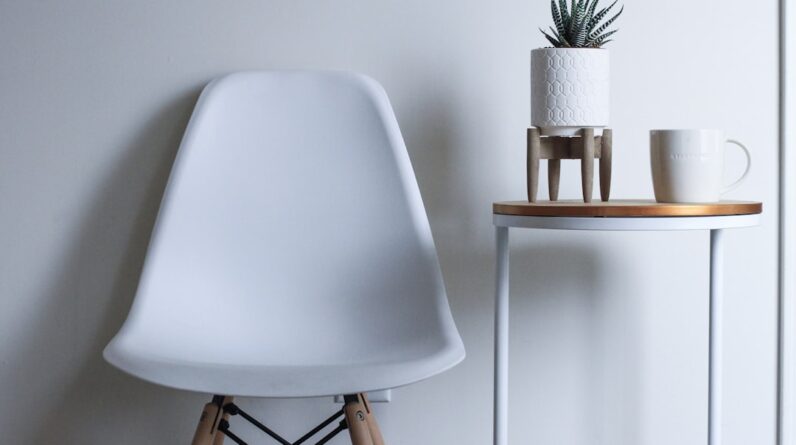
When it comes to furniture selection in a Zen-inspired space, minimalism is key. Choose pieces that are not only aesthetically pleasing but also functional and versatile. Look for furniture with clean lines and simple forms that won’t overwhelm your space or detract from its calming atmosphere.
Multi-functional furniture can be particularly beneficial; for example, an ottoman that doubles as storage can help keep clutter at bay while providing additional seating. As you select furniture, consider how each piece contributes to the overall flow of your space. Aim for an arrangement that promotes ease of movement and encourages relaxation.
Avoid overcrowding your rooms with too many items; instead, focus on quality over quantity. By incorporating minimalistic furniture that serves a purpose while maintaining an uncluttered look, you can create an environment that embodies the essence of Zen design.
Adding calming scents and sounds
The sensory experience of your space extends beyond visuals; scents and sounds play an equally important role in creating a calming atmosphere. Aromatherapy can be a powerful tool in promoting relaxation and well-being. Consider using essential oils or scented candles with calming fragrances like lavender, chamomile, or sandalwood.
These scents can help reduce stress and create an inviting ambiance that encourages mindfulness. In addition to scents, think about incorporating soothing sounds into your environment. Soft music or nature sounds can enhance the tranquility of your space.
You might consider using a sound machine or playing gentle instrumental music in the background as you unwind after a long day. The combination of calming scents and sounds can transform your home into a sanctuary where you feel at peace and connected to yourself.
Creating a peaceful and harmonious layout
Finally, the layout of your space is crucial in achieving a peaceful and harmonious environment. Consider how each area flows into the next and how you move through your home. Aim for an open layout that allows for easy navigation while promoting relaxation.
You might arrange furniture in a way that encourages conversation or creates cozy nooks for quiet reflection. As you design your layout, think about incorporating designated areas for specific activities—such as reading, meditating, or practicing yoga—that align with your lifestyle. This intentionality helps create spaces that support your well-being and encourage mindfulness in daily life.
By thoughtfully considering the layout of your home, you can cultivate an environment that embodies the principles of Zen design while promoting peace and harmony in every aspect of your life. In conclusion, embracing Zen design principles allows you to create a tranquil sanctuary within your home. By choosing calming colors, incorporating natural elements, simplifying your space, utilizing soft lighting, selecting minimalistic furniture, adding soothing scents and sounds, and designing a harmonious layout, you can transform your living environment into one that nurtures peace and mindfulness.
As you embark on this journey toward creating a serene space, remember that each step contributes to cultivating an atmosphere where you can truly unwind and reconnect with yourself.
FAQs
What are some design strategies for creating a calming and Zen-inspired bedroom retreat?
Some design strategies for creating a calming and Zen-inspired bedroom retreat include using a neutral color palette, incorporating natural materials such as wood and bamboo, minimizing clutter, and adding elements of nature such as plants or natural light.
How can lighting be used to create a calming atmosphere in a bedroom?
Soft, warm lighting can be used to create a calming atmosphere in a bedroom. Consider using dimmer switches, floor lamps, and candles to create a soothing and relaxing ambiance.
What role do natural materials play in creating a Zen-inspired bedroom retreat?
Natural materials such as wood, bamboo, and stone can help create a sense of tranquility and connection to nature in a Zen-inspired bedroom retreat. These materials can be used for furniture, flooring, and decor elements.
What are some ways to minimize clutter in a bedroom to create a calming environment?
To minimize clutter in a bedroom and create a calming environment, consider using storage solutions such as built-in shelves, under-bed storage, and multi-functional furniture. Regular decluttering and organization can also help maintain a peaceful space.
How can the use of color contribute to a calming and Zen-inspired bedroom retreat?
A neutral color palette, including soft tones such as beige, gray, and pale blue, can contribute to a calming and Zen-inspired bedroom retreat. These colors can create a sense of serenity and relaxation in the space.