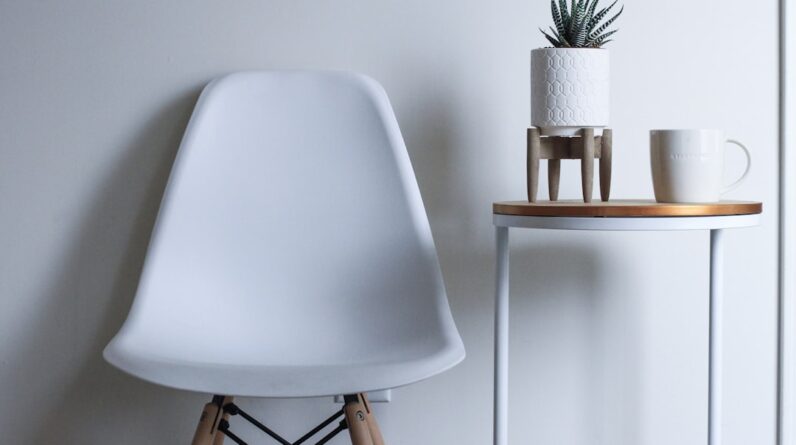
When you embark on creating a functional and inviting space, the first consideration is the layout. You need to assess the dimensions of the area you have available and how best to utilize it. Think about the flow of movement within the space; you want to ensure that it feels open and accessible.
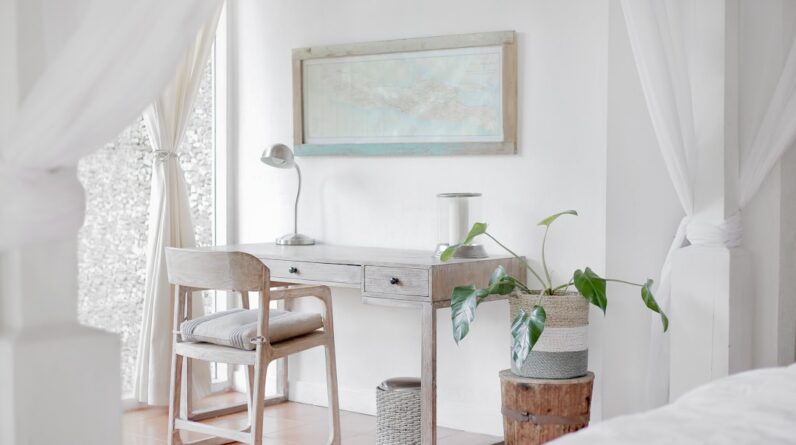
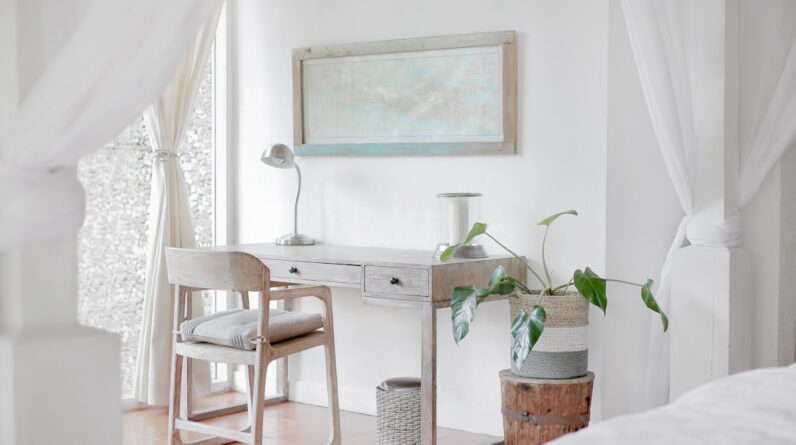
Consider how you will arrange furniture and equipment to facilitate easy navigation. For instance, if you are designing a home office, placing your desk near a window can enhance natural light while keeping the pathways clear for easy access to other areas. Moreover, zoning is an essential aspect of layout design.
You should delineate different areas for specific activities, which can help in maintaining focus and productivity. If you’re creating a multi-functional room, such as a guest bedroom that doubles as a workspace, think about how to separate these functions visually and practically. You might use rugs or furniture placement to create distinct zones.
This approach not only maximizes the utility of the space but also contributes to a more organized and aesthetically pleasing environment.
Key Takeaways
- Space and Layout: Consider the flow of the space and ensure there is enough room for movement and equipment placement.
- Equipment Selection: Choose equipment that is suitable for the space and meets the specific needs of the area.
- Flooring and Lighting: Select flooring that is durable and easy to clean, and ensure adequate lighting for safety and visibility.
- Storage and Organization: Implement efficient storage solutions to keep the space organized and clutter-free.
- Ventilation and Airflow: Proper ventilation and airflow are essential for maintaining a comfortable and healthy environment.
- Aesthetic and Design Elements: Incorporate design elements that reflect the overall aesthetic of the space and create a welcoming atmosphere.
- Budget and Cost: Set a budget and carefully consider the cost of materials and equipment to stay within financial constraints.
- Safety and Maintenance: Prioritize safety measures and establish a regular maintenance routine to keep the space in optimal condition.
Equipment Selection
Functionality and Purpose
For example, if you are setting up a kitchen, consider the appliances that will enhance your cooking experience, such as a high-quality stove, refrigerator, and countertop space for food preparation. Each piece of equipment should serve a specific function while also complementing the overall design of the space.
Quality and Durability
In addition to functionality, you must also consider the quality and durability of the equipment you select. Investing in high-quality items may require a larger upfront cost, but they often pay off in longevity and performance.
Layout and Ergonomics
You should also think about how these pieces will fit into your layout. For instance, if you are incorporating technology into your workspace, ensure that your computer setup is ergonomic and that cables are managed neatly to avoid clutter. The right equipment not only enhances efficiency but also contributes to a more enjoyable experience in your space.
Flooring and Lighting

The choice of flooring can dramatically influence both the aesthetic and functionality of your space. You need to consider factors such as durability, maintenance, and comfort when selecting flooring materials. For high-traffic areas, such as entryways or kitchens, you might opt for tile or hardwood that can withstand wear and tear while being easy to clean.
In contrast, for cozy spaces like bedrooms or living rooms, plush carpeting can add warmth and comfort underfoot. Lighting is equally important in setting the mood and functionality of your space. You should aim for a combination of ambient, task, and accent lighting to create a well-lit environment that caters to various activities.
Natural light is always preferable, so consider window placement and treatments that allow sunlight to filter in while providing privacy when needed. Additionally, incorporating dimmable fixtures can give you control over the brightness levels, allowing you to adjust the atmosphere according to your needs.
Storage and Organization
Effective storage solutions are vital for maintaining an organized and clutter-free environment. You should evaluate your storage needs based on the items you plan to keep in the space. For instance, if you are designing a home office, consider built-in shelves or cabinets that can house books, files, and office supplies neatly.
Utilizing vertical space with wall-mounted shelves can also maximize storage without taking up valuable floor space. Incorporating organizational tools such as bins, baskets, or drawer dividers can further enhance your ability to keep items sorted and easily accessible. You might also think about multifunctional furniture that includes hidden storage compartments, such as ottomans or coffee tables with drawers.
By prioritizing storage and organization, you create an environment that promotes productivity and reduces stress associated with clutter.
Ventilation and Airflow
Proper ventilation is essential for maintaining a comfortable atmosphere in any space. You need to ensure that there is adequate airflow to prevent stuffiness and promote a healthy environment. If you are working with a room that lacks windows, consider installing an air exchange system or using air purifiers to improve air quality.
In spaces like kitchens or bathrooms where moisture can accumulate, exhaust fans are crucial for preventing mold growth and maintaining air freshness. You should also think about how furniture placement affects airflow within the room. Avoid blocking vents or air returns with large pieces of furniture, as this can hinder circulation.
Additionally, incorporating plants can enhance both aesthetics and air quality by naturally filtering toxins from the air. By prioritizing ventilation and airflow, you create a more pleasant environment that supports overall well-being.
Aesthetic and Design Elements

Color Schemes and Their Effects
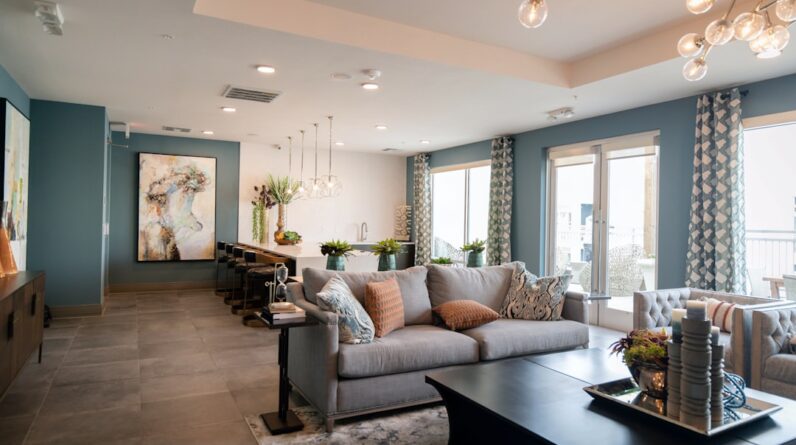
For example, lighter colors can make a small room feel larger and more open, while darker hues can create a cozy atmosphere in larger spaces.
Adding Depth and Interest with Textures
You might also explore different textures through fabrics, wall treatments, or decorative elements to add depth and interest. Incorporating design elements such as artwork or decorative accessories can personalize your space and make it feel more inviting.
Creating a Space that Inspires Creativity and Comfort
Whether you prefer a minimalist approach or a more eclectic style, each choice contributes to the overall ambiance of the room. By thoughtfully considering aesthetic elements, you create a space that not only meets functional needs but also inspires creativity and comfort.
Budget and Cost
Establishing a budget is a critical step in any design project. You need to determine how much you are willing to invest in creating your ideal space while considering both immediate costs and long-term value. Start by listing all potential expenses, including materials, labor, furnishings, and decor.
This comprehensive approach will help you avoid unexpected costs down the line. Once you have a clear budget in mind, prioritize your spending based on what is most important for your project. You might choose to splurge on high-quality flooring or essential equipment while opting for more affordable options in other areas like decor or accessories.
Additionally, consider ways to save money without sacrificing quality; for instance, shopping at thrift stores or online marketplaces can yield unique finds at lower prices. By being mindful of your budget, you can create a beautiful space that aligns with your financial goals.
Safety and Maintenance
Safety should always be at the forefront of your design considerations. You need to ensure that all materials used in your space meet safety standards and are appropriate for their intended use. For example, if you are designing a kitchen, choose non-slip flooring materials to prevent accidents while cooking or cleaning.
Additionally, ensure that electrical installations are up to code to avoid hazards. Maintenance is another crucial aspect of keeping your space functional and appealing over time. You should develop a routine for cleaning and caring for various surfaces and equipment to prolong their lifespan.
This might include regular dusting of surfaces, cleaning appliances according to manufacturer guidelines, or checking smoke detectors regularly. By prioritizing safety and maintenance from the outset, you create an environment that remains enjoyable and functional for years to come.
FAQs
What are the key considerations for designing a home gym or workout space?
Some key considerations for designing a home gym or workout space include the available space, budget, equipment needs, ventilation, lighting, and flooring.
How can I make my home gym functional and stylish?
To make your home gym functional and stylish, consider incorporating multi-functional equipment, organizing storage solutions, adding mirrors for visual appeal, and choosing a color scheme that complements the space.
What equipment should I consider for my home gym?
When designing a home gym, consider incorporating essential equipment such as cardio machines, strength training equipment, yoga mats, and free weights based on your fitness goals and available space.
What are some flooring options for a home gym?
Common flooring options for a home gym include rubber flooring, foam tiles, and interlocking floor mats, which provide cushioning, shock absorption, and durability for various types of workouts.
How can I ensure proper ventilation in my home gym?
To ensure proper ventilation in a home gym, consider installing fans, opening windows, or adding an air purifier to improve air circulation and maintain a comfortable workout environment.
What lighting considerations should I keep in mind for a home gym?
When designing a home gym, consider incorporating natural light, overhead lighting, and task lighting to create a well-lit and energizing workout space that enhances visibility and safety during exercise.