When it comes to enhancing your outdoor living space, the selection of furniture plays a pivotal role. The right outdoor furniture not only elevates the aesthetic appeal of your patio, garden, or balcony but also transforms these areas into functional extensions of your home. Imagine hosting a summer barbecue or enjoying a quiet evening under the stars; the comfort and style of your outdoor furniture can significantly influence these experiences.
Therefore, investing time and thought into your selection is essential for creating an inviting atmosphere that reflects your personal taste and lifestyle. Moreover, the choice of outdoor furniture can impact how you utilize your space. Well-chosen pieces can encourage you to spend more time outside, fostering a connection with nature and providing a serene escape from the hustle and bustle of daily life.
Whether you envision a cozy nook for reading or a vibrant area for entertaining friends, the right furniture can help you achieve that vision. Thus, understanding the importance of outdoor furniture selection is the first step toward crafting an outdoor oasis that meets your needs and enhances your quality of life.
Key Takeaways
- Outdoor furniture selection is important for creating a functional and inviting outdoor space.
- Considerations for outdoor furniture include material, size, and style to suit the specific needs of the space.
- Arrangement and layout of outdoor furniture should promote comfort and conversation while maximizing the use of the space.
- Weather resistance and durability are crucial factors to consider when choosing outdoor furniture to ensure longevity.
- Comfort and functionality should be prioritized to create a relaxing and enjoyable outdoor environment.
Considerations for Outdoor Furniture
As you embark on the journey of selecting outdoor furniture, several key considerations should guide your decisions. First and foremost, think about the climate in your area. Different materials respond uniquely to varying weather conditions.
For instance, if you live in a region with high humidity or frequent rain, opting for materials like aluminum or synthetic wicker may be wise, as they resist moisture and prevent mold growth. Conversely, if you reside in a dry climate, wood options like teak or eucalyptus can add warmth and character to your space while standing up to the elements. Another critical factor to consider is the size and scale of your outdoor area.
You want to ensure that the furniture you choose complements the space rather than overwhelming it. Take measurements of your patio or garden before shopping, and visualize how different pieces will fit together. Additionally, consider the number of people you typically entertain outdoors.
If you often host gatherings, investing in larger dining sets or sectional sofas may be beneficial. On the other hand, if your outdoor space is more intimate, smaller bistro sets or lounge chairs might be more appropriate.
Arrangement and Layout of Outdoor Furniture
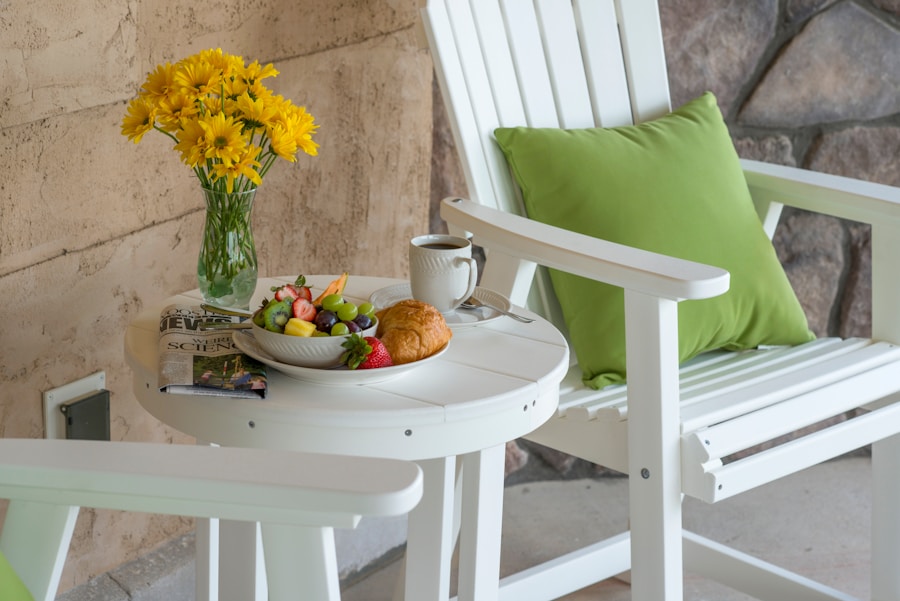
Once you’ve selected your outdoor furniture, the next step is arranging it in a way that maximizes both functionality and aesthetics. The layout should facilitate easy movement while creating distinct zones for various activities. For example, if you have a dining area and a lounging space, consider placing them in proximity to each other while allowing enough room for guests to navigate comfortably between them.
This arrangement not only promotes social interaction but also enhances the overall flow of your outdoor area. In addition to functionality, think about how the arrangement of your furniture can create visual interest. Layering different heights and shapes can add depth to your space.
For instance, pairing low-profile lounge chairs with taller planters or decorative screens can create an inviting atmosphere that draws the eye. Don’t hesitate to experiment with different configurations until you find one that feels right for you. Remember, the goal is to create an outdoor environment that feels cohesive and welcoming, encouraging you and your guests to relax and enjoy.
Weather Resistance and Durability
One of the most critical aspects of outdoor furniture selection is ensuring that it can withstand the elements. Weather resistance and durability are paramount considerations, as outdoor furniture is exposed to sun, rain, wind, and temperature fluctuations year-round. When choosing materials, look for options specifically designed for outdoor use.
For instance, high-density polyethylene (HDPE) is known for its resistance to fading and cracking, making it an excellent choice for outdoor dining sets. Additionally, consider the construction quality of the furniture. Well-made pieces often feature reinforced joints and sturdy frames that can endure wear and tear over time.
Investing in durable outdoor furniture may require a higher upfront cost, but it pays off in longevity and reduced replacement needs down the line. By prioritizing weather resistance and durability in your selection process, you can ensure that your outdoor furniture remains functional and beautiful for years to come.
Comfort and Functionality
While aesthetics are important, comfort should never be overlooked when selecting outdoor furniture. After all, the primary purpose of this furniture is to provide a space where you can relax and enjoy the outdoors. When shopping for seating options, test them out if possible; sit down on chairs and sofas to gauge their comfort levels.
Look for cushions made from high-quality foam wrapped in weather-resistant fabric to ensure they remain comfortable even after prolonged exposure to the elements. Functionality is equally crucial in your selection process. Consider how you plan to use your outdoor space—will it be primarily for dining, lounging, or entertaining?
Choose furniture that aligns with these activities. For example, if you envision hosting dinner parties under the stars, a spacious dining table with comfortable chairs will be essential. Alternatively, if relaxation is your priority, opt for deep seating options with plush cushions that invite you to unwind with a good book or a glass of wine.
Style and Aesthetics
Architectural Style and Furniture Selection
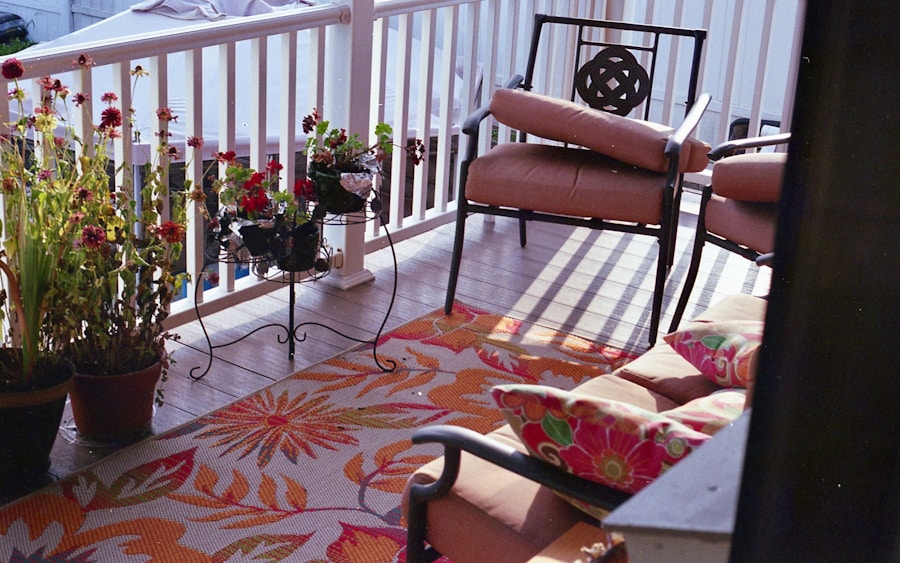
Consider the architectural style of your home when selecting furniture; for instance, sleek metal pieces may complement a contemporary home, while rustic wooden options might be better suited for a cottage-style residence.
The Power of Color in Outdoor Design
Color also plays a significant role in creating an inviting outdoor atmosphere. Neutral tones can provide a timeless backdrop that allows greenery and flowers to shine, while bold colors can add vibrancy and personality to your space. Don’t shy away from mixing materials—combining wood with metal or wicker can create an eclectic yet cohesive look that reflects your unique style.
Personalizing Your Outdoor Space
Ultimately, choose pieces that resonate with you personally; after all, your outdoor space should be a reflection of who you are.
Space Utilization and Traffic Flow
Effective space utilization is essential when arranging outdoor furniture to ensure that your area feels open and accessible. Consider how people will move through the space; pathways should be clear and unobstructed to facilitate easy traffic flow. Avoid overcrowding by leaving ample space between furniture pieces—this not only enhances comfort but also creates an inviting atmosphere where guests feel free to mingle.
Additionally, think about how different areas within your outdoor space serve various functions. For instance, if you have a poolside area alongside a dining space, consider how these zones interact with one another. You might want to place lounge chairs near the pool for easy access while keeping dining tables slightly separated to maintain a sense of order during gatherings.
By thoughtfully considering space utilization and traffic flow, you can create an outdoor environment that feels both functional and welcoming.
Maintenance and Care for Outdoor Furniture
Finally, understanding how to maintain and care for your outdoor furniture is crucial for preserving its beauty and functionality over time. Different materials require varying levels of upkeep; for example, metal furniture may need periodic cleaning to prevent rusting, while wooden pieces might require oiling or sealing to protect against moisture damage. Familiarize yourself with the specific care instructions for each type of material you choose.
Regular maintenance not only extends the life of your furniture but also keeps it looking its best throughout the seasons. Consider investing in protective covers for when your furniture is not in use; this simple step can shield it from harsh weather conditions and debris. Additionally, make it a habit to clean your furniture regularly—removing dirt and grime will help prevent deterioration and ensure that your outdoor space remains inviting year-round.
In conclusion, selecting outdoor furniture involves careful consideration of various factors including style, comfort, durability, and maintenance needs. By taking the time to thoughtfully choose each piece and arrange them effectively within your space, you can create an outdoor oasis that enhances both your home’s aesthetic appeal and your overall quality of life. Embrace this opportunity to express yourself through design while ensuring that your outdoor area remains functional and enjoyable for years to come.
FAQs
What are the key guidelines for selecting outdoor furniture?
The key guidelines for selecting outdoor furniture include considering the material’s durability, weather resistance, and maintenance requirements. It’s also important to choose furniture that complements the outdoor space’s style and size.
What are some popular materials for outdoor furniture?
Popular materials for outdoor furniture include aluminum, teak, wicker, and wrought iron. These materials are known for their durability and ability to withstand outdoor elements.
How should outdoor furniture be arranged in a patio or outdoor living space?
When arranging outdoor furniture, it’s important to consider the flow of the space, the function of the furniture, and the focal points of the outdoor area. Creating designated seating and dining areas can help optimize the space.
What are some tips for maximizing comfort in outdoor living spaces?
To maximize comfort in outdoor living spaces, consider adding cushions, pillows, and throws to the furniture. Additionally, incorporating shade options such as umbrellas or pergolas can help create a more comfortable environment.
How can I protect outdoor furniture from the elements?
To protect outdoor furniture from the elements, consider investing in furniture covers, storing cushions and pillows when not in use, and applying protective sealants or coatings to certain materials. Additionally, bringing furniture indoors during extreme weather can help prolong its lifespan.