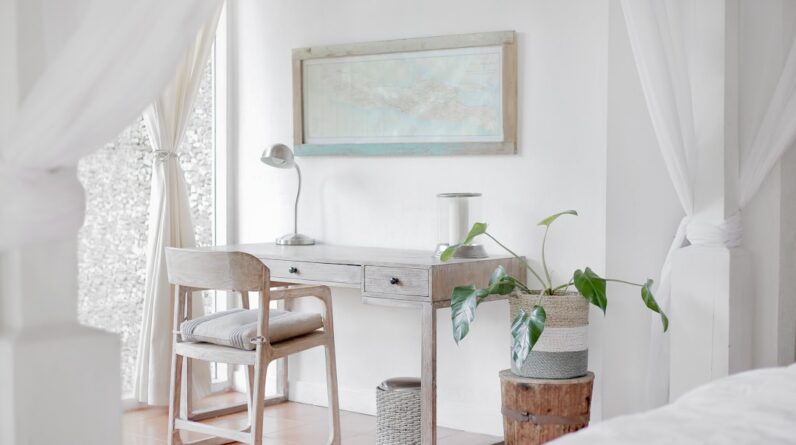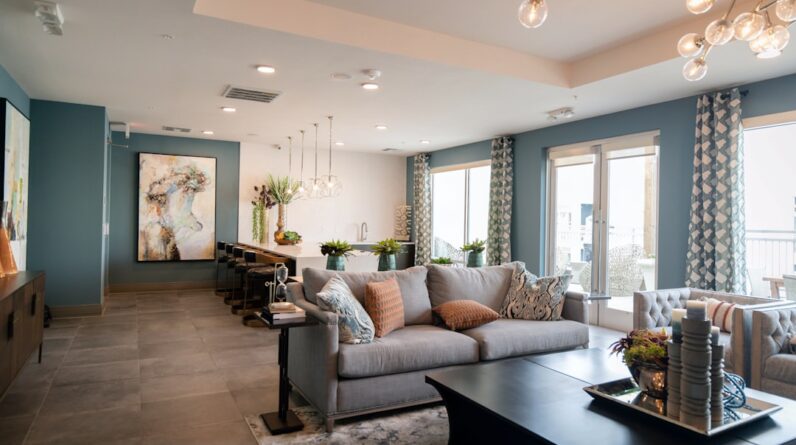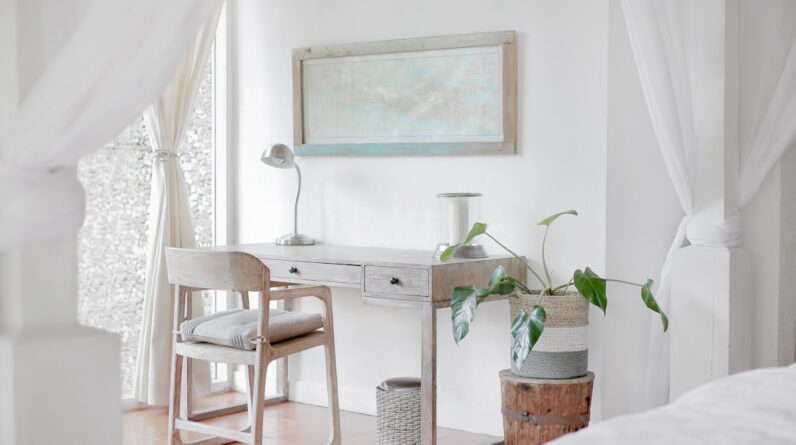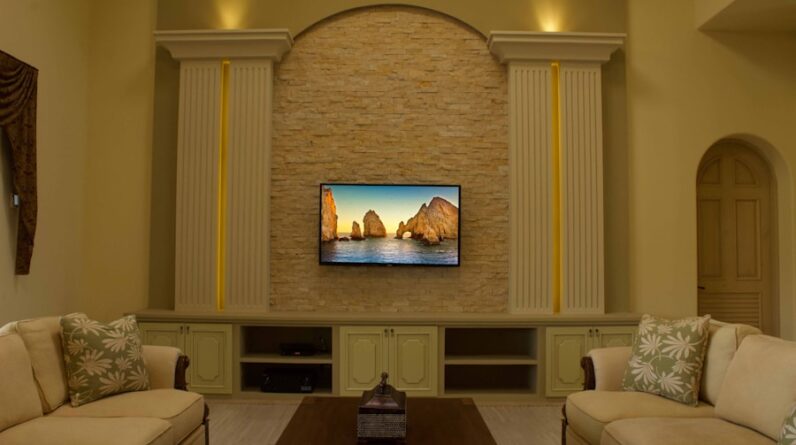
When you begin to design a space, the size and layout of the room are paramount. You need to consider how the dimensions of the room will influence its functionality. A larger room may offer more flexibility in terms of arrangement, allowing you to create distinct areas for different activities.
For instance, if you envision a multi-purpose space that accommodates both work and leisure, you can designate zones for each function. Conversely, a smaller room may require more strategic planning to ensure that every square foot is utilized effectively. You might find that a cozy nook for reading or a compact workspace can be seamlessly integrated into a smaller area, maximizing its potential.
The layout also plays a crucial role in how you interact with the space. Think about the flow of movement within the room. You want to create an environment that feels open and inviting, rather than cramped or disorganized.
Consider the placement of furniture and how it affects accessibility. For example, if you’re designing a home theater, you’ll want to ensure that seating is arranged in a way that allows everyone to have an unobstructed view of the screen. Additionally, think about how the layout can facilitate conversation and social interaction.
By strategically positioning seating and tables, you can foster a welcoming atmosphere that encourages engagement.
Key Takeaways
- Room size and layout should be carefully considered to ensure that the space is utilized efficiently and effectively.
- Acoustic considerations are important for creating a comfortable and enjoyable environment for audio and video experiences.
- Lighting and ambiance play a crucial role in setting the mood and enhancing the overall experience in the room.
- Seating and comfort should be prioritized to ensure that the space is inviting and conducive to long periods of use.
- Audio and video equipment should be carefully selected to meet the specific needs and preferences of the users.
Acoustic Considerations
Understanding Sound Travel and Materials
You need to consider how sound travels within the room and how various materials can either absorb or reflect sound waves. For instance, hard surfaces like tile or glass can create echoes, while soft furnishings such as carpets and curtains can help to dampen sound. By incorporating these elements thoughtfully, you can enhance the auditory experience, making it more enjoyable for everyone involved.
The Impact of Room Shape on Acoustics
In addition to materials, the shape of the room can also influence acoustics. A rectangular room may produce different sound dynamics compared to a square one. You might want to experiment with different layouts or even consider adding acoustic panels to optimize sound quality.
Optimizing Sound Quality for the Best Experience
If you’re setting up a recording studio or a home theater, investing in proper acoustic treatment can make a world of difference. Ultimately, paying attention to these details will ensure that your space not only looks good but sounds great as well.
Lighting and Ambiance
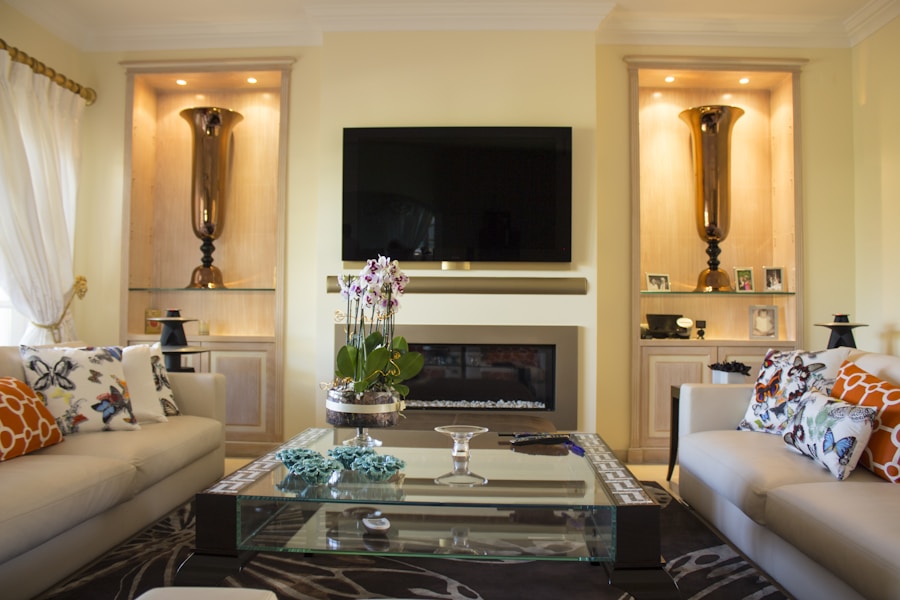
Lighting is one of the most powerful tools at your disposal when it comes to setting the mood in a room. The right lighting can transform an ordinary space into something extraordinary. You should think about layering your lighting to create depth and interest.
This involves combining ambient lighting, which provides overall illumination, with task lighting for specific activities and accent lighting to highlight architectural features or artwork. By using dimmers and adjustable fixtures, you can easily change the atmosphere from bright and energetic during the day to soft and intimate in the evening. Moreover, consider how natural light interacts with your space.
Large windows can flood a room with sunlight, creating a warm and inviting environment. However, you also need to think about how to control that light throughout the day. Window treatments such as blinds or curtains can help you manage glare and maintain privacy while still allowing for natural illumination.
The interplay between artificial and natural light will not only enhance the aesthetics of your room but also contribute to your overall well-being.
Seating and Comfort
Comfort is key when it comes to seating arrangements in any room. You want to ensure that your guests feel relaxed and at ease, whether they’re enjoying a movie night or engaging in deep conversation. When selecting furniture, consider ergonomics as well as style.
Sofas and chairs should provide adequate support while also being visually appealing. You might want to test out different options before making a decision—after all, comfort is subjective, and what works for one person may not work for another. In addition to individual seating choices, think about how the arrangement encourages interaction.
Circular seating arrangements can foster conversation, while traditional rows may be better suited for presentations or performances. You might also want to incorporate flexible seating options like poufs or bean bags that can be easily moved around depending on the occasion. By prioritizing comfort and adaptability in your seating choices, you’ll create an inviting atmosphere that encourages people to linger.
Audio and Video Equipment
In today’s digital age, audio and video equipment are essential components of any modern room design, especially if you’re creating a space for entertainment or presentations. You need to carefully consider what types of equipment will best suit your needs. For instance, if you’re setting up a home theater, investing in high-quality speakers and a large screen will enhance your viewing experience significantly.
You might also want to explore options for surround sound systems that immerse you in the action. Additionally, think about how you’ll integrate this technology into your design without compromising aesthetics. Cables and wires can quickly become unsightly if not managed properly.
Consider using cable management solutions or built-in cabinetry to keep everything organized and out of sight. Furthermore, ensure that your equipment is user-friendly; intuitive controls will make it easier for everyone to enjoy the space without feeling overwhelmed by technology.
Storage and Organization
Optimizing Storage Space
Built-in shelves or cabinets can provide ample storage without taking up too much floor space. Consider multi-functional furniture pieces like ottomans with hidden storage or coffee tables with drawers that can help keep clutter at bay.
Creating Systems that Work for You
Organization goes beyond just storage; it’s also about creating systems that work for you. Labeling bins or using clear containers can make it easier to find what you need when you need it. You might also want to incorporate decorative baskets or boxes that blend seamlessly with your decor while serving a practical purpose.
Designing a Functional and Inviting Space
By prioritizing storage solutions in your design, you’ll create a space that feels open and inviting rather than chaotic.
Aesthetics and Decor
The aesthetics of your room are what ultimately bring your vision to life. This is where you can express your personal style and create an environment that resonates with you and your guests. Start by selecting a color palette that reflects the mood you want to convey—warm tones can create coziness, while cool tones may evoke calmness.
You should also consider how different textures can add depth; mixing materials like wood, metal, and fabric can create visual interest. Decorative elements such as artwork, plants, and accessories play a significant role in enhancing the overall aesthetic of the room. Choose pieces that resonate with you personally; they should tell a story or evoke memories that make the space feel uniquely yours.
Additionally, don’t forget about scale—large pieces can serve as focal points while smaller items can add subtle charm when grouped together thoughtfully. By paying attention to these details, you’ll create an inviting atmosphere that reflects your personality.
Budget and Maintenance
Finally, it’s essential to establish a budget for your project from the outset. Knowing how much you’re willing to spend will help guide your decisions regarding materials, furniture, and decor. It’s wise to prioritize your spending based on what’s most important to you—whether that’s investing in high-quality audio equipment or opting for more affordable decor items that can be easily updated over time.
Maintenance is another critical aspect of room design that often gets overlooked during the planning phase. Consider how much time and effort you’re willing to invest in upkeep when selecting materials and furnishings. For example, while natural wood may be beautiful, it may require more maintenance than synthetic alternatives.
By being mindful of both budget constraints and maintenance requirements, you’ll create a space that not only looks great but also stands the test of time. In conclusion, designing a room involves careful consideration of various elements—from size and layout to aesthetics and maintenance. By taking the time to plan each aspect thoughtfully, you’ll create an environment that is not only functional but also reflects your personal style and enhances your overall quality of life.
FAQs
What are the key elements to consider when designing a home theater or entertainment room?
1. Room Size and Layout: Consider the size and layout of the room to determine the best placement for seating, screen, and speakers.
2. Acoustics: Pay attention to the acoustics of the room and consider using sound-absorbing materials to minimize echo and improve sound quality.
3. Lighting: Install dimmable lighting to create the right ambiance for movie watching or gaming.
4. Audio and Video Equipment: Invest in high-quality audio and video equipment to enhance the entertainment experience.
5. Seating: Choose comfortable and appropriately positioned seating to ensure an enjoyable viewing experience for everyone.
6. Storage: Plan for adequate storage for media equipment, DVDs, and other accessories to keep the space organized.
7. Decor and Aesthetics: Consider the overall decor and aesthetics of the room to create a visually appealing and inviting space.