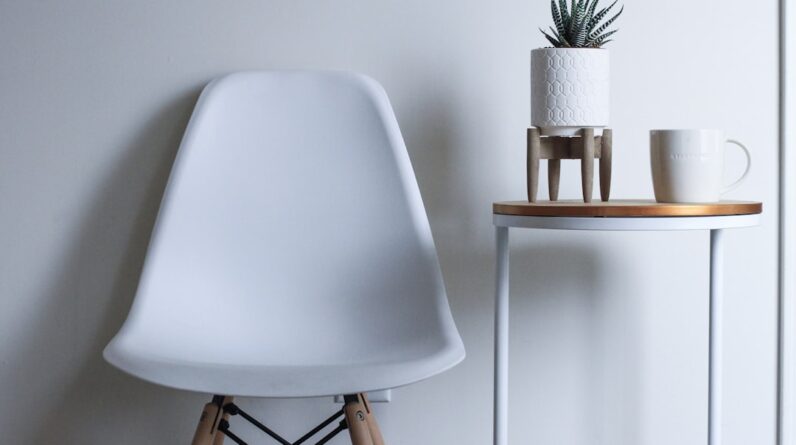
When you embark on designing a space, the first consideration should always be functionality. You need to think about how the area will be used and what activities will take place there. For instance, if you are designing a living room, you should consider whether it will primarily serve as a space for relaxation, entertainment, or both.
By identifying the primary functions of the space, you can make informed decisions about layout, furniture selection, and decor. This approach ensures that every element in the room contributes to its intended purpose, creating an environment that feels both practical and welcoming. Moreover, functionality goes beyond just the immediate use of the space; it also encompasses how well the design accommodates your lifestyle.
If you have children or pets, for example, you might prioritize durable materials and easy-to-clean surfaces. If you frequently entertain guests, you may want to ensure there is ample seating and a clear flow for movement. By taking these factors into account, you can create a space that not only meets your current needs but also adapts to your evolving lifestyle over time.
Optimizing Storage in Your Space
In any well-designed space, storage plays a crucial role in maintaining organization and minimizing clutter. You should consider various storage solutions that can help you keep your belongings neatly tucked away while still being easily accessible. For instance, built-in shelves or cabinets can provide ample storage without taking up valuable floor space.
Vertical Storage Options
You might also explore vertical storage options, such as wall-mounted shelves or hooks, which can help you utilize every inch of your area effectively. Additionally, think creatively about how to incorporate storage into your furniture. Ottomans with hidden compartments or coffee tables with drawers can serve dual purposes, providing both functionality and style.
The Benefits of Maximizing Storage
By maximizing your storage solutions, you can create a serene environment that feels open and inviting rather than chaotic and cramped. Remember, an organized space not only looks better but also enhances your overall well-being by reducing stress and promoting a sense of calm.
When it comes to furnishing your space, opting for multi-functional furniture is a smart strategy that can significantly enhance both utility and aesthetics. You should look for pieces that serve more than one purpose, allowing you to maximize your investment while minimizing the amount of furniture needed. For example, a sofa bed can transform your living room into a guest room when needed, providing comfort without sacrificing style.
This versatility is especially valuable in smaller spaces where every square foot counts. Another excellent option is a coffee table with hidden storage. This piece not only serves as a central gathering point for drinks and snacks but also provides a discreet place to store magazines, remote controls, or board games.
By selecting furniture that adapts to your needs, you can create a dynamic environment that evolves with you. Multi-functional pieces not only save space but also add an element of creativity to your design, making your home feel unique and tailored to your lifestyle.
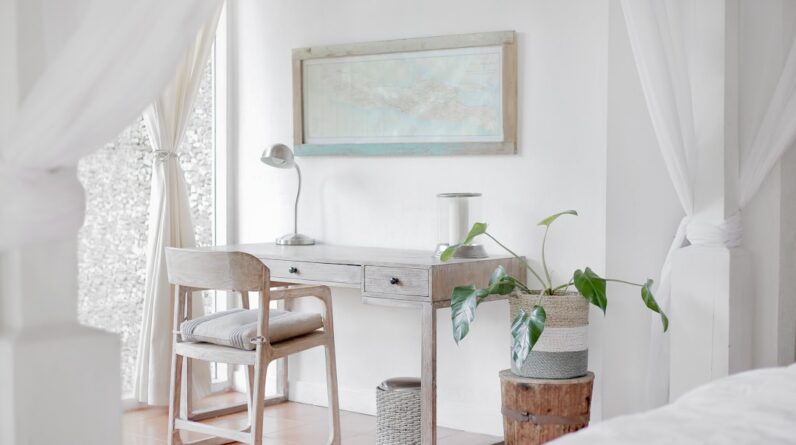
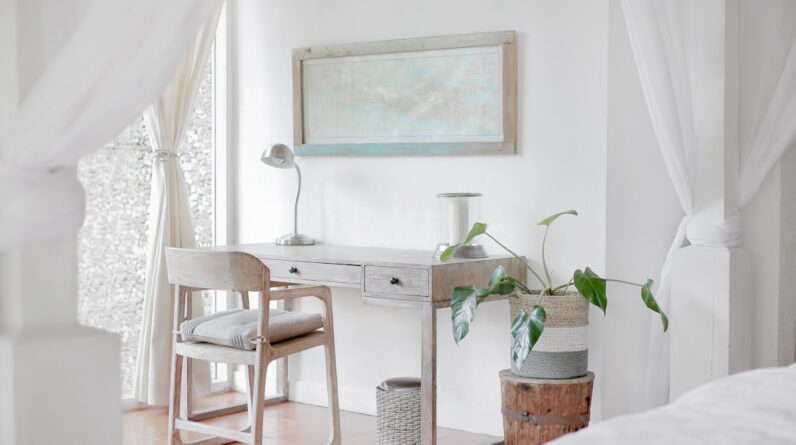
Lighting is one of the most critical aspects of interior design that can dramatically influence the mood and functionality of a space. You should aim to incorporate a mix of natural and artificial lighting to create a warm and inviting atmosphere. Start by maximizing natural light; consider using sheer curtains or strategically placing mirrors to reflect sunlight throughout the room.
Natural light not only makes a space feel larger but also enhances your overall well-being by connecting you with the outdoors. In addition to natural light, you must pay attention to artificial lighting. Layering different types of lighting—ambient, task, and accent—can help create depth and interest in your design.
For instance, overhead fixtures provide general illumination, while table lamps can offer focused light for reading or working. Accent lighting can highlight artwork or architectural features, adding character to your space. By thoughtfully considering your lighting options, you can create an environment that feels both functional and inviting at any time of day.
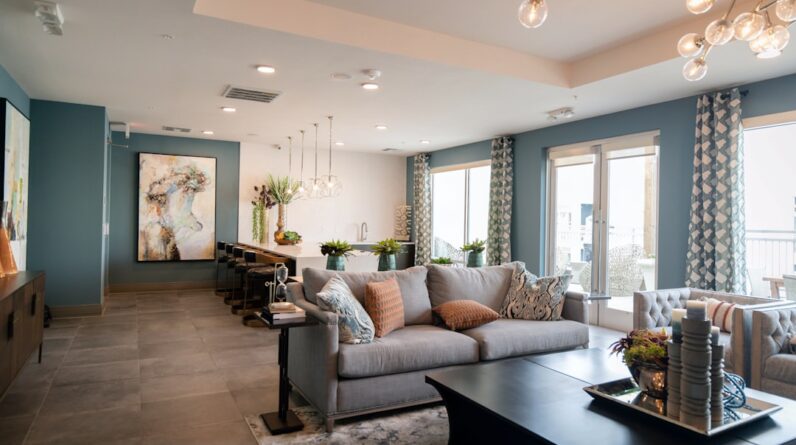
The colors and textures you choose for your space play a significant role in shaping its overall ambiance. You should select a color scheme that not only reflects your personal style but also enhances the perception of space. Lighter colors tend to make rooms feel larger and more open, while darker hues can create a cozy atmosphere.
Consider using a neutral palette as a base and then adding pops of color through accessories like cushions or artwork to inject personality into the room. Texture is equally important in creating visual interest and depth within your design. Mixing different materials—such as soft fabrics, sleek metals, and natural woods—can add layers to your space that make it feel more inviting.
For example, pairing a plush velvet sofa with a rustic wooden coffee table creates an appealing contrast that draws the eye. By thoughtfully combining color and texture, you can craft an environment that feels both spacious and personalized, making it truly your own.
Balance in Furniture Selection
Careful selection of furniture and decor is vital to avoid overwhelming the space. For example, in a small living room, choosing a sleek loveseat over a bulky sectional can help maintain an open feel while providing comfortable seating.
Considering Ceiling Height
The height of furniture in relation to the ceiling height is also an essential factor. Low-profile sofas can create an illusion of more vertical space in rooms with lower ceilings, while tall bookshelves can draw the eye upward in larger areas.
Creating Harmony
By paying attention to scale and proportion, you can strike a balance between functionality and aesthetics, ultimately enhancing the overall design of the space.
Flexibility is an essential aspect of modern interior design that allows your space to adapt over time as your needs change. You should consider how your lifestyle may evolve in the future when planning your layout and selecting furniture. For example, if you anticipate needing extra sleeping arrangements for guests down the line, incorporating a sofa bed or daybed into your design can provide versatility without compromising style.
Moreover, think about how easily you can rearrange furniture or modify decor as your preferences shift. Choosing modular furniture pieces or items on wheels can facilitate easy reconfiguration when desired. By designing with flexibility in mind, you create an environment that remains functional and relevant as your life progresses, ensuring that your home continues to meet your needs for years to come.
Visual flow is crucial in creating an inviting atmosphere where movement feels effortless. You should aim for a cohesive layout that guides the eye naturally from one area to another while maintaining an open feel throughout the space. Consider arranging furniture in a way that encourages conversation and interaction; for instance, positioning seating around a central coffee table fosters connection among guests.
Additionally, be mindful of pathways within the room; ensuring there are clear routes for movement will enhance both functionality and comfort. Using rugs to define different areas within an open floor plan can help delineate spaces without creating barriers. By prioritizing visual flow in your design, you create an environment that feels harmonious and welcoming—one where both residents and guests can navigate with ease while enjoying the beauty of their surroundings.
FAQs
What are the key elements to consider when designing a small living space?
The key elements to consider when designing a small living space include maximizing storage, utilizing multi-functional furniture, optimizing natural light, and creating a cohesive color scheme.
How can I maximize storage in a small living space?
To maximize storage in a small living space, consider using vertical storage solutions, such as wall-mounted shelves and cabinets, utilizing under-bed storage, and investing in furniture with built-in storage compartments.
What are some examples of multi-functional furniture for small living spaces?
Examples of multi-functional furniture for small living spaces include sofa beds, ottomans with storage, nesting tables, and wall-mounted desks that can be folded away when not in use.
How can I optimize natural light in a small living space?
To optimize natural light in a small living space, consider using sheer curtains or blinds to allow light to filter through, strategically placing mirrors to reflect light, and keeping windows unobstructed.
What are some tips for creating a cohesive color scheme in a small living space?
Tips for creating a cohesive color scheme in a small living space include sticking to a neutral base color, incorporating pops of color through accessories, and using a limited color palette to create a sense of cohesion and space.